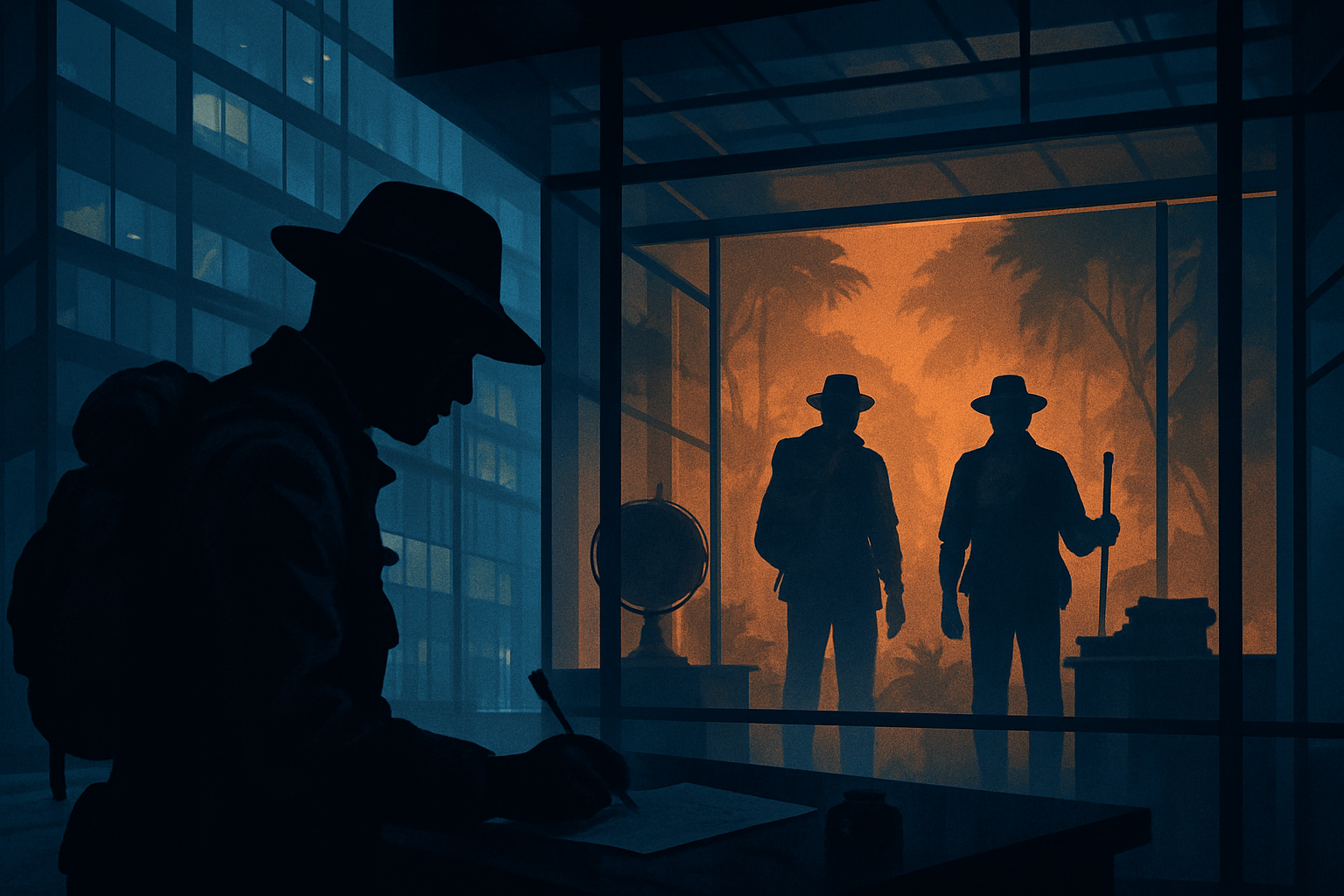
The Lost Quest for Z
"In 1925, Colonel Percy Fawcett vanished into the Amazon rainforest, seeking a mythical city he believed was real."
What Happened?
Percy Fawcett stood at the edge of the Amazon jungle, the air thick with promise and danger. It was May 1925, and as he took his final known steps into the green abyss of Mato Grosso, nobody could have foreseen the mystery that would consume the world. Fawcett's belief was unshakable: somewhere beyond the dense canopy lay the Lost City of Z, a mythical civilization that European explorers had dreamed of for centuries. Armed with little more than maps and his conviction, Fawcett vanished without a trace along with his son Jack and their friend Raleigh Rimell.
The expedition was meant to be Fawcett's crowning achievement, a culmination of years of obsession with maps and cryptic tales from earlier explorers. Despite his meticulous planning and knack for survival, the jungle proved to be his match. Fawcett's last recorded communication was sent on May 29, 1925, a brief note offering no clue to the mystery that would ensue.
As news of their disappearance spread, it sparked a frenzy; roughly 100 people would die attempting to uncover the fate of the men and the secrets the Amazon might be hiding. David Grann's 2009 book, 'The Lost City of Z: A Tale of Deadly Obsession in the Amazon,' reignited the mystery, juxtaposing his modern journey retracing Fawcett's steps with the explorer’s audacious quest. In 2016, James Gray's cinematic portrayal translated Fawcett's story to the screen, drawing audiences into the jungles that had swallowed their imagination.
Through the years, the enigma of Percy Fawcett symbolizes more than a mere expedition gone awry. It speaks to the unrelenting human pursuit of the unknown, where conviction collides with the unpredictable forces of the natural world. And, as time continues to march forward, the Lost City of Z remains a testament to the perilous allure of discovery, suspended between history and myth.
Takeaway
The lesson this story keeps teaching
“Myths can become powerful obsessions, leading even the most rational minds to the brink of ruin.”
Why People Are Talking About This
The tale of Percy Fawcett’s relentless pursuit of a mythical city forces us to examine the thin line between determination and obsession. His story reminds us of how easily perception can blur with reality, often leading down paths where ambition meets folly. By chasing myths, Fawcett sealed a legacy that taught modern explorers caution about the pursuit of glory at all costs.
Thread Map
8 entities · 7 connections · Hover to explore, click to inspect
This is the connection map for this thread. Every node is a person, company, event, or idea. The red lines show how they connect. Hover a node to highlight its connections. Click a node to see why it matters to this story.
How We Got Here
Final Expedition to the Lost City
Percy Fawcett, his son Jack, and Raleigh Rimell embarked on an expedition into the Amazon, seeking the fabled Lost City of Z.
Last Known Communication Sent
Fawcett sent out his last communication, a letter expressed with optimism about the journey, before disappearing.
Several Rescue Expeditions Launched
Numerous teams ventured into the Amazon to find Fawcett but returned without clues, thickening the mystery around his disappearance.
Speculation Intensifies in the Media
Media across continents began broadcasting theories about Fawcett’s fate, with stories ranging from heroic discoveries to tragic ends.
David Grann Begins Research
American journalist David Grann set out to retrace Fawcett’s steps, seeking the truth behind the myth.
The Lost City of Z Book Published
David Grann's book vividly capturing Fawcett's life and expedition was released, reigniting interest in the explorer's story.
The Lost City of Z Film Premieres
James Gray's film adaptation of Grann's book premiered at the New York Film Festival, bringing Fawcett's story to the big screen.
Theatrical Release Elevates Fawcett's Legend
The film’s theatrical release rekindled worldwide intrigue in Fawcett’s enigmatic expedition and the foretold Lost City’s allure.
Wait... Who Is This?
Percy Fawcett was a larger-than-life British officer turned explorer whose meticulous mapping expeditions into uncharted regions at the dawn of the 20th century brought him widespread acclaim. Yet with fame came a singular obsession: the Lost City of Z, an alleged ancient civilization that Fawcett was deeply convinced lay beneath the dense Amazon canopy. During this age of grand explorers, when unearthly gold cities and treasures fueled public imagination, Fawcett’s vision transformed him. Despite relentless warnings, each expedition into the Amazon only heightened the allure, driving a wedge between calculated science and impassioned mythology that overshadowed his prior empirical triumphs. This realm bridged European ignorance with indigenous lore, forming a hotbed for mystery amid Fawcett's fixation. Every brush with danger augmented his belief while alienating those offering caution, setting the stage for his outsider status that history would immortalize in mythic proportions, far beyond the tangible and real.
Receipts
Same Pattern
Different story. Same lesson.

The Wii Gamble That Saved Nintendo
In a world obsessed with graphics and power, Nintendo bet on simplicity. The Wii was laughed at — until it wasn't.

The Fall of BlackBerry
In a boardroom once buzzing with innovation, silence filled the air as BlackBerry executives watched Apple's iPhone dismantle their empire one launch at a time.

The Lab That Invented Tomorrow
In December 1979, Steve Jobs saw echoes of the future inside Xerox PARC's halls. There, in a secluded lab, lay the blueprint for the modern tech landscape.

Pixar's Radical Feedback Loop
In a stark, unadorned room, some of the most powerful voices in animation face off with ruthless honesty. Their weapons? Brutal feedback that molds raw ideas into cinematic gold.

Cracking the Cicada Code
In 2012, an enigmatic online puzzle appeared that promised enlightenment. But who was behind Cicada 3301?
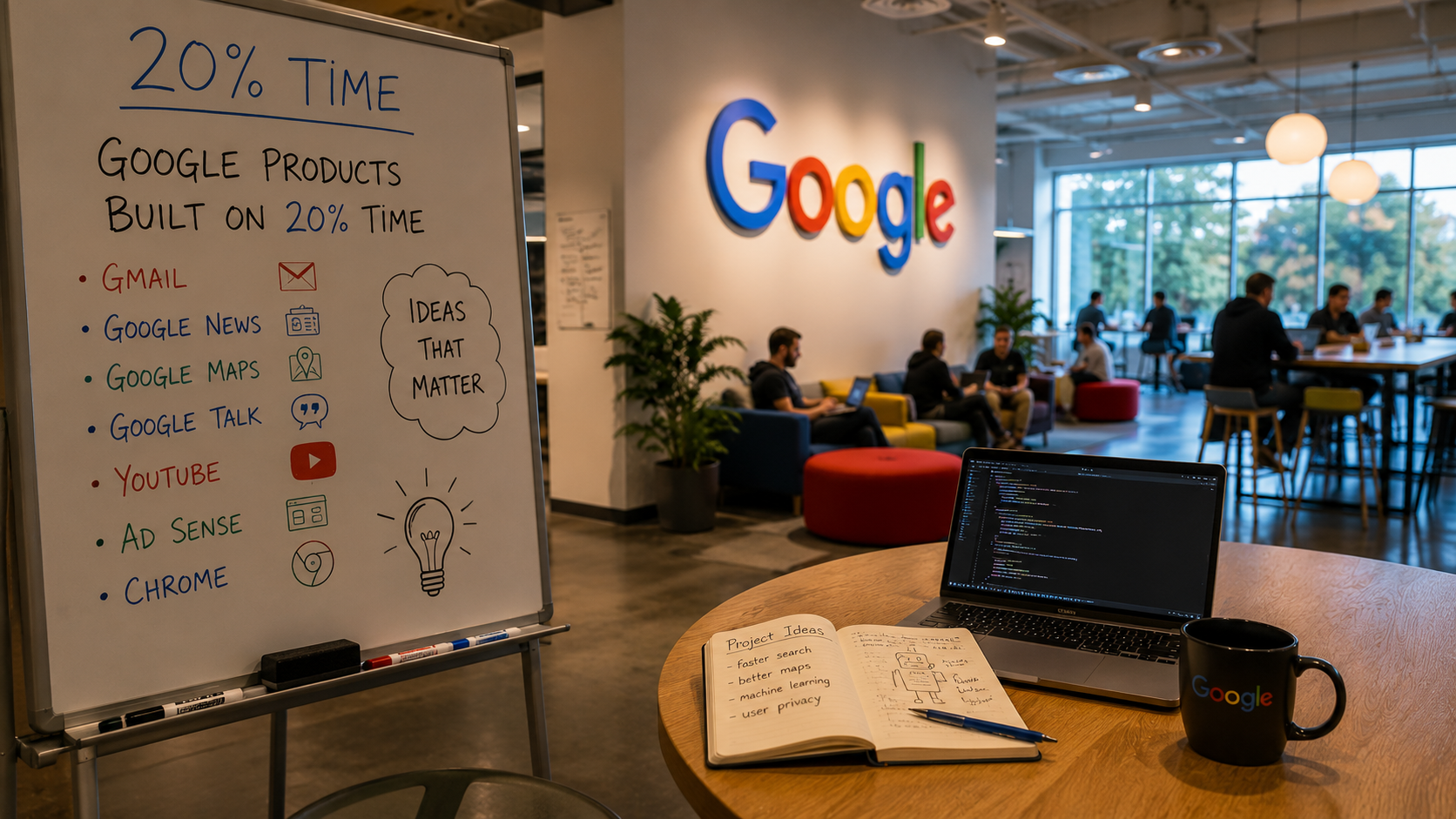
How Google's 20% Time Shaped Innovation
Gmail, the widely-used email service, was born from Google's infamous 20% Time. What else did this unconventional policy unleash?
Continue the Rabbit Hole
Each story explores the same idea from a different angle. Follow the connections and discover where the thread leads.

Fictional placeholder content