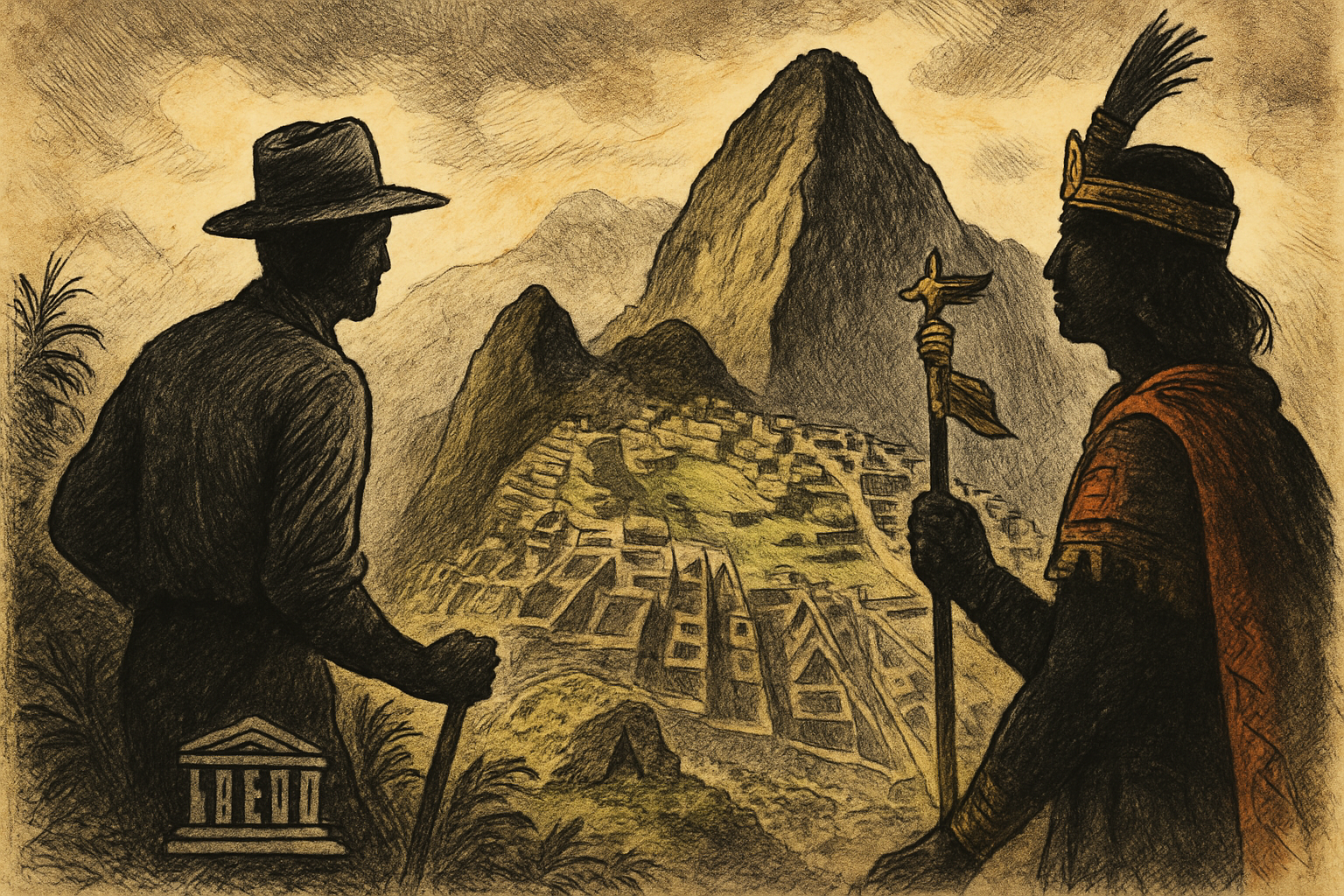
The Hidden City of Machu Picchu
"In 1911, Hiram Bingham stumbled upon Machu Picchu, a city hidden from the world for centuries. Its rediscovery would forever change the perception of the ancient Inca civilization."
What Happened?
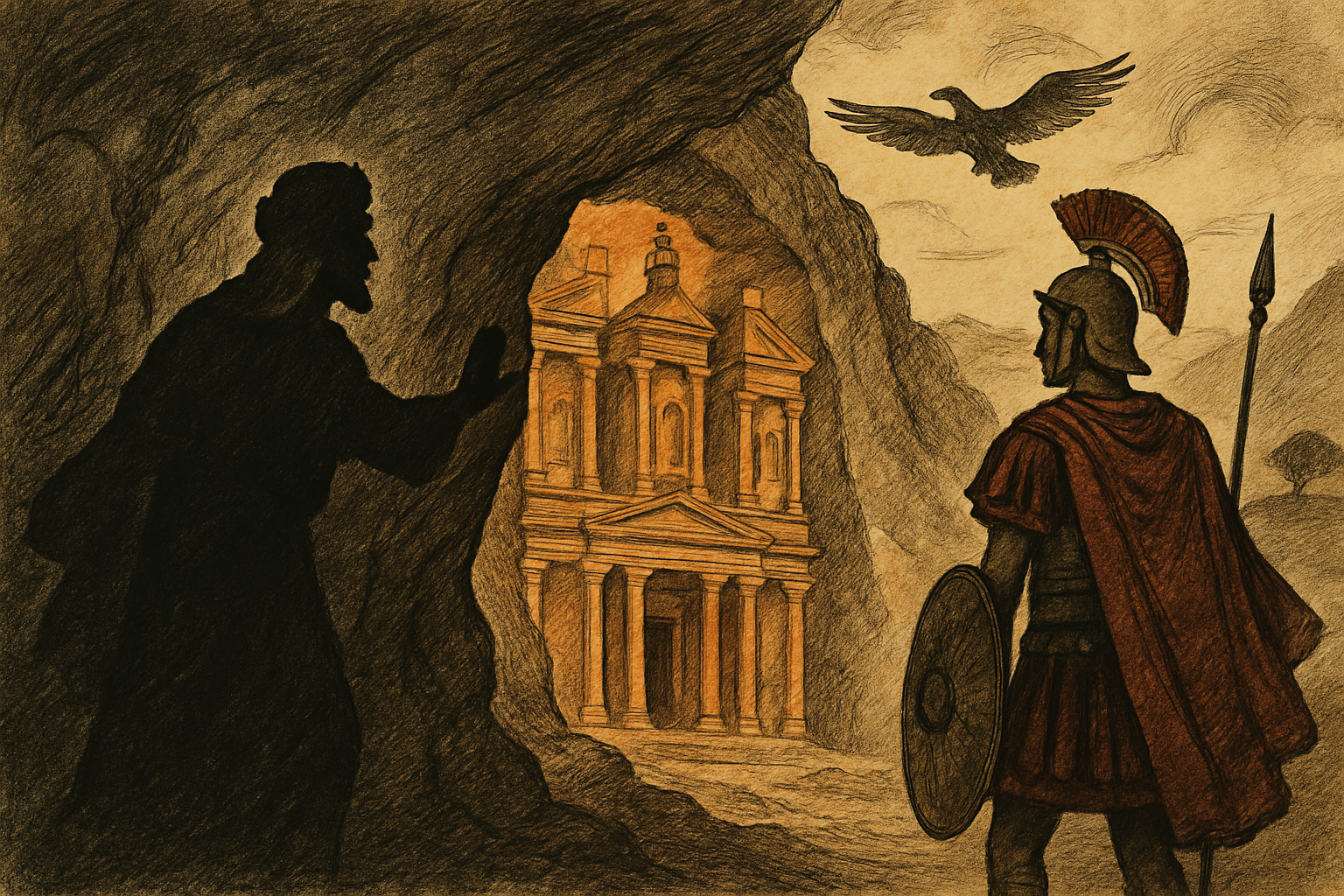
Hiram Bingham wasn't looking for Machu Picchu. The American explorer was in pursuit of Vilcabamba, the last holdout of the Inca against the Spanish Conquistadors, when he stumbled upon something even more enigmatic. It was 1911, and he stood amidst the clouds on a narrow mountain ridge, peering down at a sprawling network of stone terraces, walls, and temples untouched by the passage of time. Centuries of jungle had concealed this Incan marvel, holding its secrets tight. Bingham's accidental discovery catapulted Machu Picchu into the global spotlight and ushered in a new era for archaeological exploration.
The site itself, a citadel built in the 15th century by the Inca emperor Pachacuti, perches dramatically 2,430 meters above sea level. It wasn't merely a fortress. Scholars speculate it served as Pachacuti's estate or a sacred religious retreat. With its precise stonework and sophisticated urban layout, Machu Picchu defied the rugged Andean landscape as if the mountains themselves conspired to cradle its beauty. The breathtaking setting, coupled with its complex arrangement of buildings, made Machu Picchu a symbol of Incan ingenuity.
By 1983, UNESCO declared Machu Picchu a World Heritage Site, acknowledging not only its cultural significance but also the dual challenges of preservation and tourism. In recent years, its visitor numbers have swelled to over a million annually, creating a fragile balance between conservation and economic opportunity for Peru. Tourism-related strain manifested most controversially in 2021 with disputes over buses that transport visitors up the precarious switchback roads to the site, highlighting concerns about environmental damage and sustainability.
Each year, the wonder of Machu Picchu reaffirms its place in history as both a beacon of mystery and a testament to humanity's relentless pursuit of progress and understanding. Yet, it serves as a cautionary tale about the impacts of our modern footprints on these ancient paths. As we linger on its terraces, it's not just the ruins we ponder, but our role as custodians of the past.
Takeaway
The lesson this story keeps teaching
“Machu Picchu's rediscovery shows how lost treasures often become symbols, revealing more about us than about the past itself.”
Why People Are Talking About This
The story of Machu Picchu isn't just about stones and temples; it's about power, discovery, and preservation. What Bingham unearthed wasn't just an archaeological site but a symbol of resilience and cultural triumph over time. Yet, the influx of modern tourism brings its own peril, threatening both the physical and spiritual integrity of this wonder.
Understanding Machu Picchu alters our perception of history and informs contemporary debates over heritage conservation. The site's fragility underlines the stark reality that modern admirers could become its greatest threat, raising urgent questions about how we safeguard world treasures in an era of rampant tourism.
Thread Map
5 entities · 4 connections · Hover to explore, click to inspect
This is the connection map for this thread. Every node is a person, company, event, or idea. The red lines show how they connect. Hover a node to highlight its connections. Click a node to see why it matters to this story.
How We Got Here
Machu Picchu Emerges
Under the reign of Pachacuti Inca Yupanqui, Machu Picchu was constructed as a royal estate, showcasing Inca architectural prowess and blending religious significance.
Inca Empire Falls
The Spanish conquest marked the decline of the Inca Empire, leaving Machu Picchu abandoned and forgotten amidst the mountainous jungles.
Bingham's Discovery
Hiram Bingham rediscovered Machu Picchu during an expedition, securing the site’s place on the global stage and opening up the world to Inca cultural history.
UNESCO World Heritage Status
Machu Picchu was designated a UNESCO World Heritage Site, affirming its cultural and historical significance worldwide.
A World Wonder Again
Machu Picchu was named one of the New Seven Wonders of the World, attracting ever-increasing numbers of tourists and attention.
Overtourism Challenges Peak
As visitor numbers soared, concerns over overtourism and its impact on Machu Picchu prompted calls for stricter conservation measures.
Tourism Falls Due to COVID-19
The COVID-19 pandemic caused a significant drop in tourism revenue, highlighting the region’s heavy economic reliance on tourists.
Bus Controversy Erupts
Debates over the environmental impact of buses transporting tourists to Machu Picchu led to heightened scrutiny and calls for policy changes.
Wait... Who Is This?
Deep in the Peruvian Andes, hidden by thick jungle and rugged terrain, Machu Picchu lay untouched for centuries. Constructed in the 15th century by the Inca ruler Pachacuti, it served both as a fortress and a center for religious ceremonies. An engineering marvel, Machu Picchu boasted terraces carved into mountainsides, testament to the Inca's advanced understanding of agriculture and architecture.
Yet, its splendor was overshadowed by the arrival of the Spanish conquistadors in the 16th century. The very isolation that spared Machu Picchu from destruction also sealed its secrets, as the Inca realms crumbled and history lost track of their once-mighty cities. For generations, Machu Picchu's terraces lay hidden beneath a canopy, the whispers of its grandeur spread only by local villagers.
When Bingham's expedition in 1911 brought this forgotten city to light, it was not just a historical revelation; it offered a glimpse into a civilization's soul, prompting a reevaluation of the Inca's place in world history.
Receipts
Machu Picchu | Elevation, Tourism, Location, History, Facts, Maps, Country, & Photos | Britannica
Machu Picchu - Peru, Elevation & Facts | HISTORY
Historic Sanctuary of Machu Picchu
When Machu Picchu Was Built, Its Incredible History and Importance - Karikuy Tours 2026
Timeline: Machu Picchu
Same Pattern
Different story. Same lesson.

The Wii Gamble That Saved Nintendo
In a world obsessed with graphics and power, Nintendo bet on simplicity. The Wii was laughed at — until it wasn't.
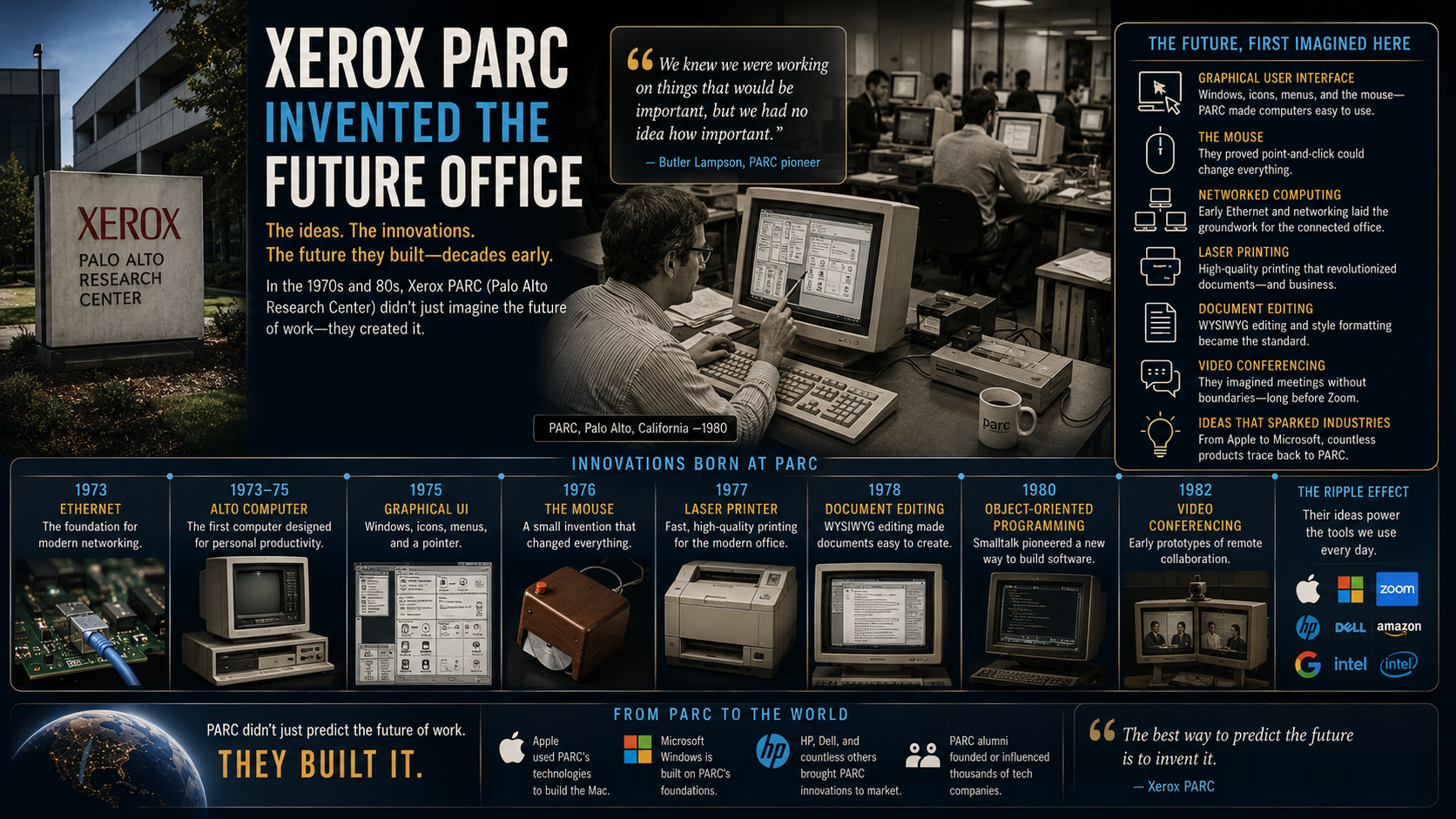
The Lab That Invented Tomorrow
In December 1979, Steve Jobs saw echoes of the future inside Xerox PARC's halls. There, in a secluded lab, lay the blueprint for the modern tech landscape.
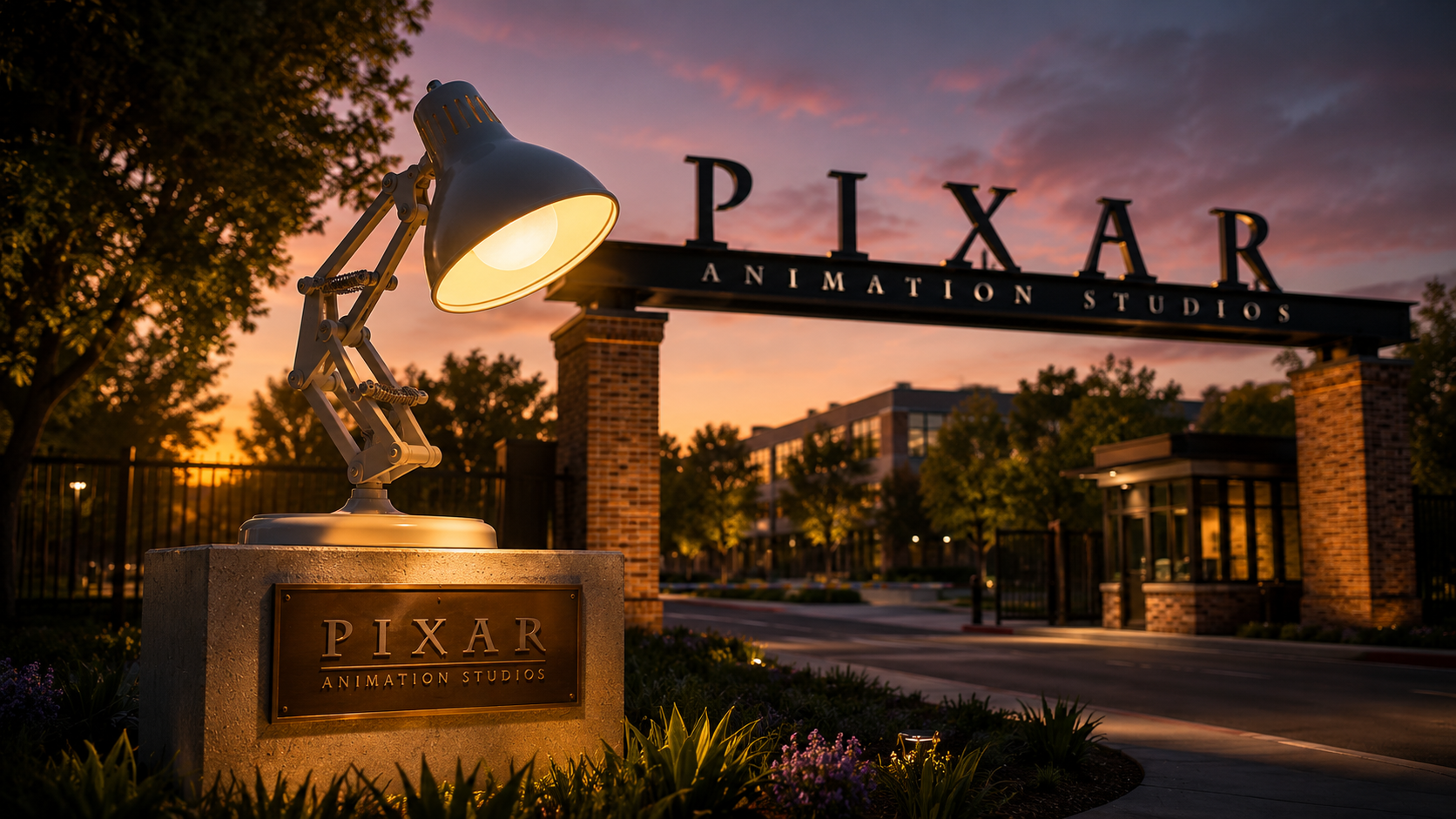
Pixar's Radical Feedback Loop
In a stark, unadorned room, some of the most powerful voices in animation face off with ruthless honesty. Their weapons? Brutal feedback that molds raw ideas into cinematic gold.
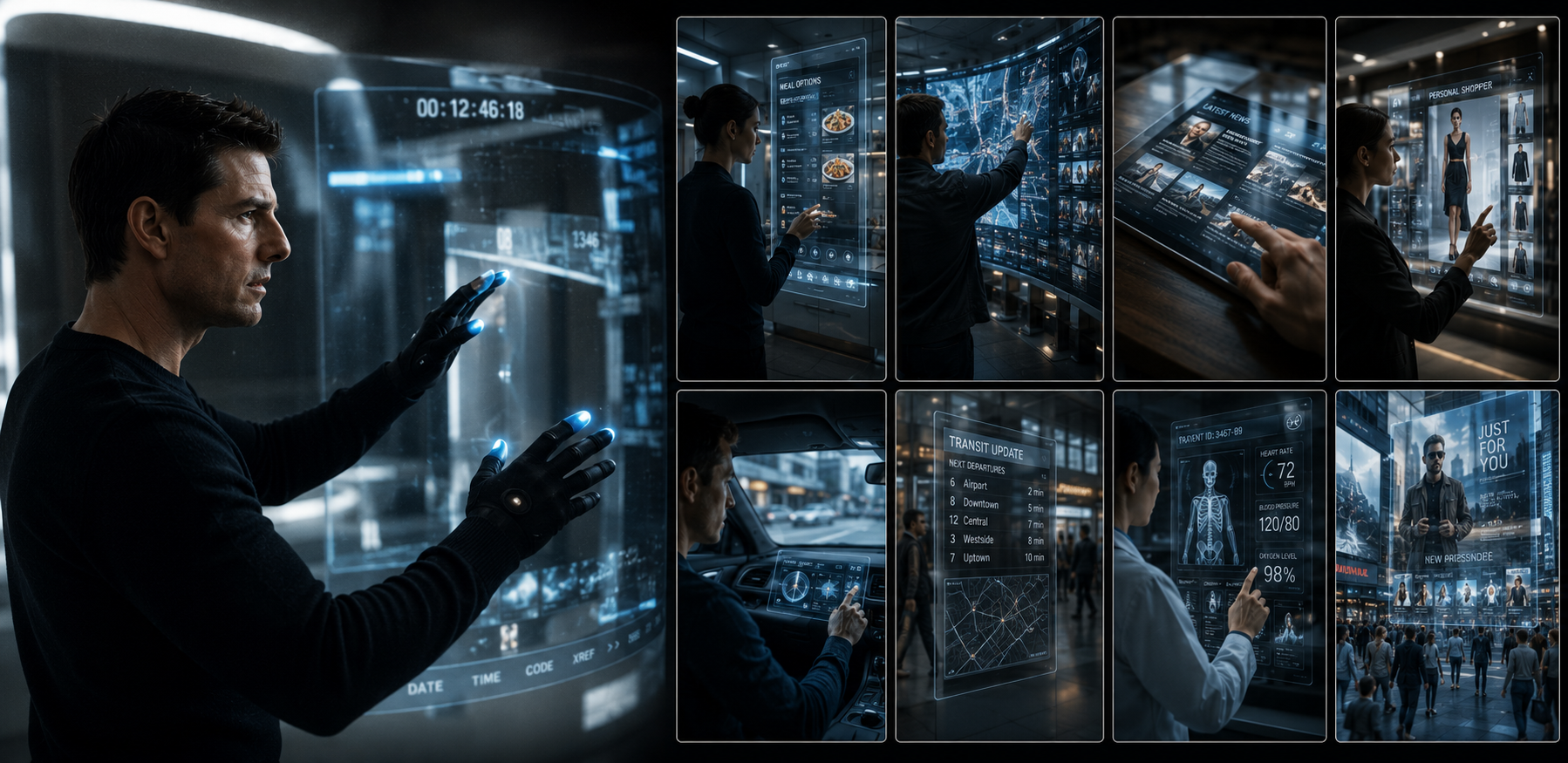
Minority Report's Prescient Touchscreen Reality
In 2002, Hollywood imagined a future of seamless touchscreen interfaces. Today, Steven Spielberg's vision feels eerily prescient as technology catches up.

The Fall of BlackBerry
In a boardroom once buzzing with innovation, silence filled the air as BlackBerry executives watched Apple's iPhone dismantle their empire one launch at a time.

How Google's 20% Time Shaped Innovation
Gmail, the widely-used email service, was born from Google's infamous 20% Time. What else did this unconventional policy unleash?
Continue the Rabbit Hole
Each story explores the same idea from a different angle. Follow the connections and discover where the thread leads.

Fictional placeholder content