Petra: Rise, Fall, and Rediscovery
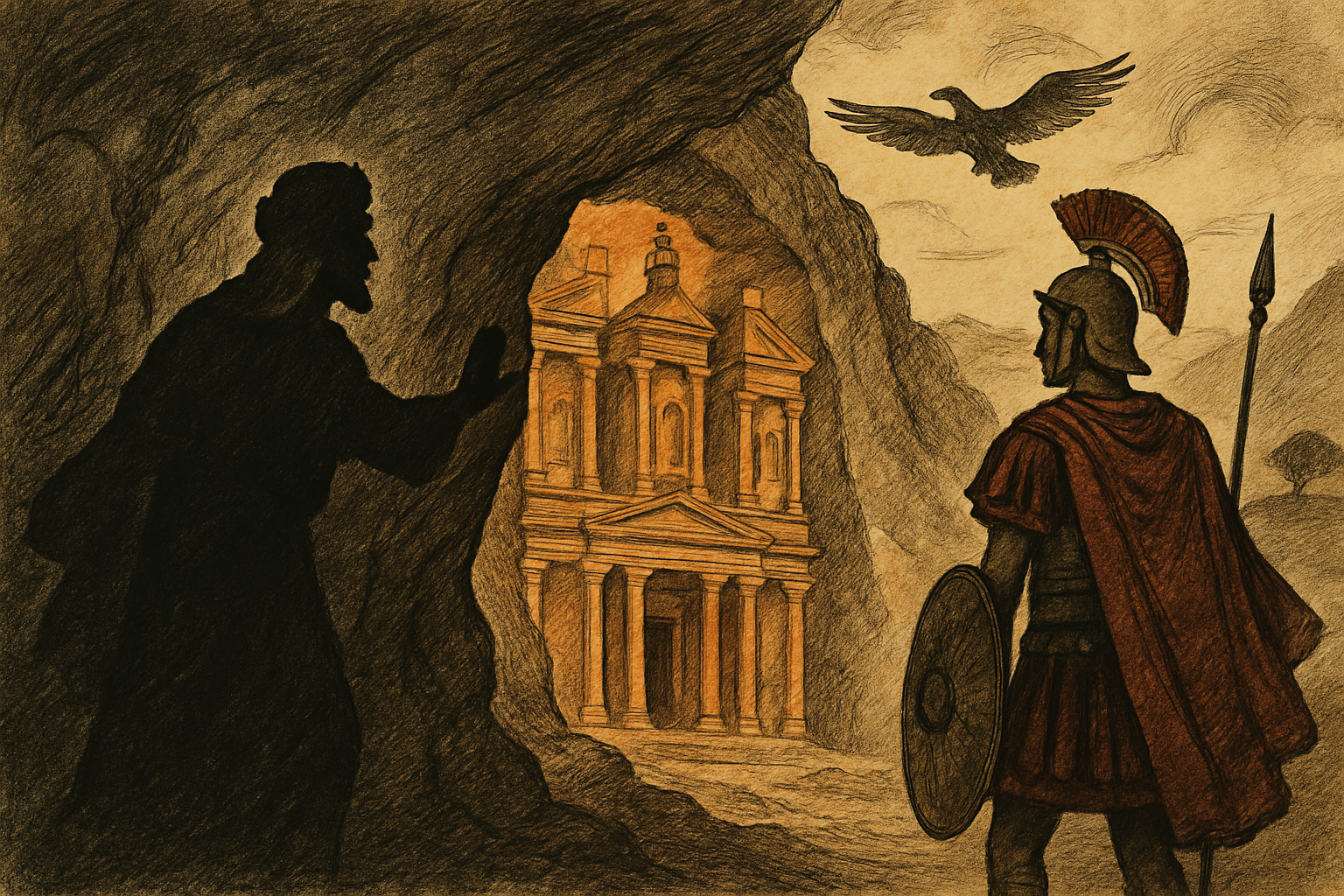
"In 1812, Johann Ludwig Burckhardt found his way through a concealed entrance into a city no Western eyes had seen for centuries. This was Petra—an ancient masterpiece sculpted from stone, hidden by nature and time."
What Happened?
Amid the towering cliffs of southern Jordan, Petra arises like an apparition. It's a city carved from stone, a place where ancient engineers defied a ruthless desert to create an oasis of life. This city wasn't simply built; it was etched, chiseled directly from the rose-red rock by the Nabataeans more than 2,000 years ago. Petra was a strategic marvel, nestled in a key trade corridor, yet teetering on the brink of the inhospitable desert, forcing the Nabataeans to invent some of the most intricate water systems of their time.
Water, the essence of Petra's survival, became its legacy. Channels and cisterns snaked through rock, capturing precious rainfall and transforming arid land into fertile ground. This feat allowed a flourishing metropolis to rise, drawing silk and spice traders from as far as India and China. At its height, Petra thrived as a nexus of commerce and culture, each interaction carving deeper the legend of this remarkable civilization.
Then, like a mirage, Petra vanished. Around the 7th century, shifting trade routes and powerful earthquakes led to its decline, and the city slipped from the pages of Western history. For nearly a millennium, its grand facades lay hidden from outsiders, cloaked behind a veil of Bedouin secrets. Until, in 1812, a Swiss traveler named Johann Ludwig Burckhardt, masquerading as an Arab scholar, stumbled upon its forgotten tombs and temples. "I shall not easily forget," Burckhardt penned, describing the majestic facade of Al Khazneh, eerily emerging from the sandstone cliffs.
Even today, Petra captivates. Archaeologists uncover remnants of its splendor, discovering not just the city's stones but also the story of a people who deeply understood their environment and adapted with unparalleled ingenuity. Yet mysteries linger—a temple hiding its true purpose, unanswered questions about the city's ultimate fall, and how a civilization so advanced could simply fade.
As preservationists work to protect Petra from modern threats like tourism and natural erosion, the city stands as a silent testament to the legacy of human ingenuity and the inevitable march of time. Its enigmatic past continues to offer new insights, prompting us to ponder what other secrets history keeps shrouded behind the rock walls of time.
Takeaway
The lesson this story keeps teaching
“Civilizations create their own opulence with innovation but can vanish into obscurity, awaiting rediscovery to reveal their secrets.”
Why People Are Talking About This
Petra's rediscovery shifted Western perspectives on the achievements of ancient Middle Eastern civilizations, spotlighting the Nabataeans' ingenuity in desert environments.
This story reveals our ongoing struggle to reconcile contemporary understanding with ancient knowledge, particularly in terms of sustainable resource management, challenging preconceived notions of historical advancement.
Thread Map
4 entities · 3 connections · Hover to explore, click to inspect
This is the connection map for this thread. Every node is a person, company, event, or idea. The red lines show how they connect. Hover a node to highlight its connections. Click a node to see why it matters to this story.
How We Got Here
Burckhardt Reveals Petra
Disguised as an Arab pilgrim, Johann Ludwig Burckhardt ventures into a hidden valley and unearths Petra, revealing its rock-cut marvels to the modern world.
Petra's Foundations Laid
The Nabataeans established Petra, leveraging its strategic location and natural resources to build a bustling trade hub and an architectural marvel.
Roman Annexation
The Roman Empire annexes Petra, incorporating it into its vast territories, signifying both its importance and the beginning of its decline as trade routes shifted.
Petra Fades from Memory
As trading routes change and Petra's strategic value diminishes, the city gradually sinks into obscurity.
Burckhardt Brings Petra Into The Light
Braving the unknown, Burckhardt's encounters in Petra rekindle interest and ignite archaeological pursuits worldwide.
First American Expedition
American archaeologists begin systematic excavations at Petra, uncovering its historical layers and bringing new insights to light.
UNESCO World Heritage Site
Petra is recognized as a UNESCO World Heritage Site, highlighting its cultural significance and sparking global interest in its preservation.
Named New7Wonders of the World
Petra is selected as one of the New7Wonders of the World, enhancing its stature on the international stage and boosting tourism.
Wait... Who Is This?
Before Johann Ludwig Burckhardt's daring exploration, Petra lay dormant in collective memory, an apocryphal place ignored by time and progress.
The city of Petra was originally the pride of the Nabataean civilization. Nestled in the arid landscape of present-day Jordan, it was a marvel of human persistence and ingenuity. Within the rose-red mountains, the Nabataeans carved a whole city out of stone. This wasn't merely tradition or art — it was a necessity. They crafted catchment areas, cisterns, and pipelines to tame the scarce water supply. Through this, they supported a population that lived surprisingly comfortably in the harsh desert.
Petra flourished expressly because it lay at the nexus of ancient trade routes. Incense and spices crossing the Arabian Peninsula made their way through its gates, bringing not just wealth, but cultural diversity.
Yet, as time wore on and trade routes shifted, Petra's strategic importance withered. By the time Western explorers heard of it, the city was little more than a whisper of its former self, known only to local Bedouins.
Receipts
Same Pattern
Different story. Same lesson.
The Lab That Invented Tomorrow
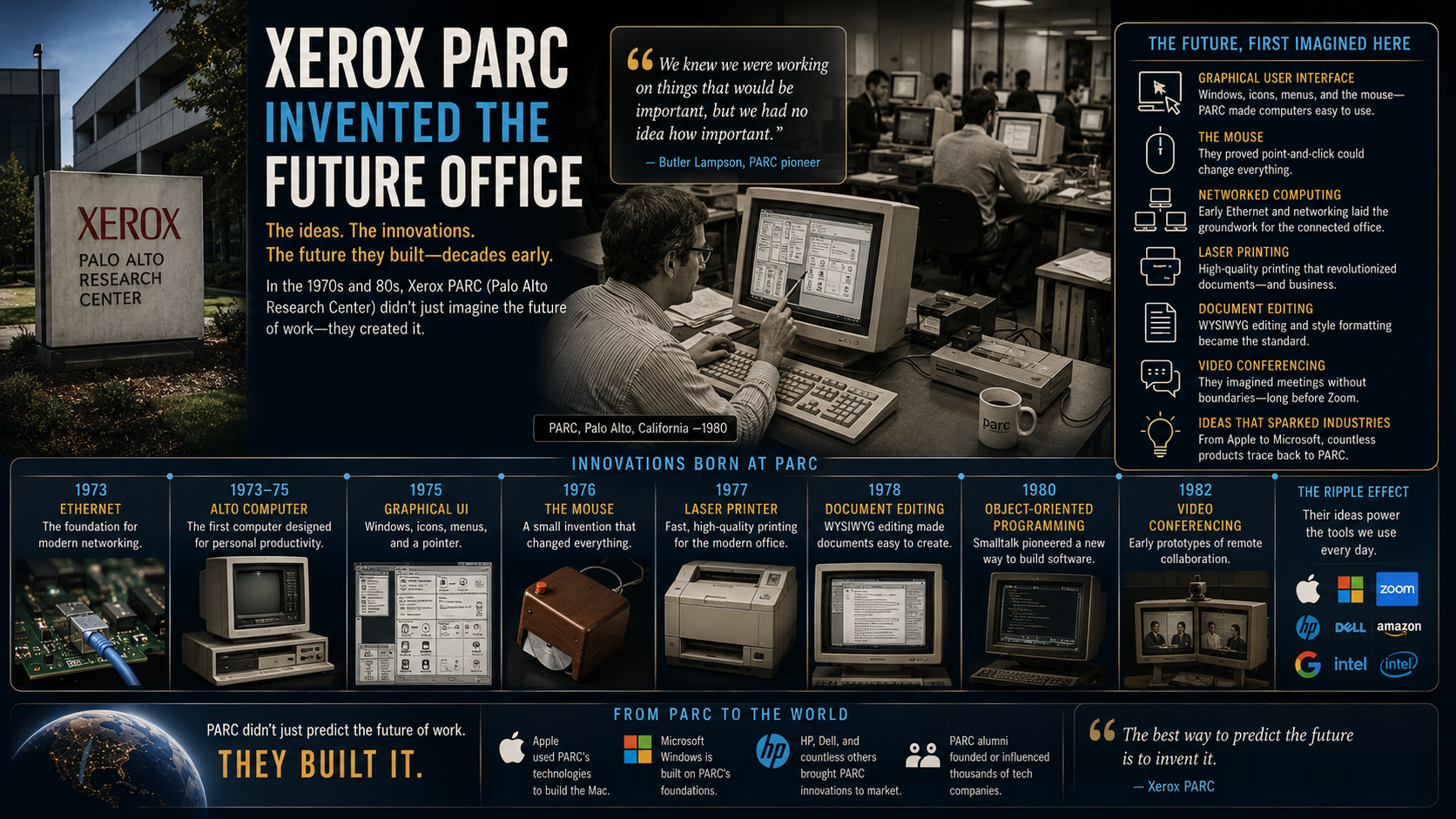
In December 1979, Steve Jobs saw echoes of the future inside Xerox PARC's halls. There, in a secluded lab, lay the blueprint for the modern tech landscape.

The Browser War That Built the Internet
In the mid-1990s, a software battle erupted that would shape how billions accessed information. Few could predict that the victor would soon face its own downfall.

The Chicken That Changed Retail
Costco's $4.99 rotisserie chicken isn't just a meal — it's a strategic masterpiece. The unexpected ripple effects changed retail forever.

The Wii Gamble That Saved Nintendo
In a world obsessed with graphics and power, Nintendo bet on simplicity. The Wii was laughed at — until it wasn't.

Pixar's Radical Feedback Loop
In a stark, unadorned room, some of the most powerful voices in animation face off with ruthless honesty. Their weapons? Brutal feedback that molds raw ideas into cinematic gold.

The Puzzle that Conquered the World
A Soviet engineer at his desk, unknowingly poised to create a legend. His creation? Tetris — a game that would break barriers and forever alter the gaming landscape.
Continue the Rabbit Hole
Each story explores the same idea from a different angle. Follow the connections and discover where the thread leads.


Fictional placeholder content