
The Bubble That Burst the Internet
"In early 2000, the digital dream faced reality as billions vanished overnight. Investors woke to find their golden web had unraveled."
What Happened?
In March 2000, thousands watched their fortunes crumble as the Nasdaq Composite Index plummeted, wiping out trillions in market value. Investors who had believed in the endless potential of internet-based companies were left stunned. It seemed inconceivable. Just months earlier, confidence bubbled over as tech stocks soared, driven by the rampant promise of the burgeoning internet.
The seeds were sown when Netscape went public in 1995, igniting a frenzy that swept through Silicon Valley. Companies with '.com' in their names became instant darlings, attracting millions in venture capital. Tech startups raced to IPO, cashing in on a market that appeared insatiable. But something was absent. Profit.
Many companies had revenues that paled in comparison to their towering valuations. Pets.com is a notorious example; its catchy sock puppet commercials couldn't mask the fact that it was losing money with every sale. Yet buoyed by the spirit of the time, such firms captured imaginations—and investments.
By the time caution arrived, it was too late. From its peak, the Nasdaq fell by nearly 77% by October 2002, effectively erasing gains built over years. Thousands of workers faced sudden layoffs as formerly promising startups shuttered or drastically downsized.
The implosion didn't just affect investors and tech firms—it reverberated globally, shifting investment strategies and stoking skepticism toward new technologies. Industries learned the hard lesson that hype without substance is a dangerous gamble. And so, a world enamored by limitless digital horizons was jolted awake, forever cautious of bubbles that promise more than they can sustain.
Takeaway
The lesson this story keeps teaching
“The internet's first wild decade pushed promise beyond reality, revealing the dangers of unchecked technological optimism.”
Why People Are Talking About This
The dot-com bubble's collapse shattered the illusion of infallible technological growth. It exposed how swiftly fortunes can unravel when reality collides with hype. The burst left indelible imprints on venture capitalism, emphasizing the need for sustainable growth and due diligence, affecting how tech investments are approached today.
It revealed the vulnerability of speculation-driven markets, accentuating the balance between innovation and pragmatism. Lessons from this era continue to inform decision-makers navigating modern digital landscapes, ensuring stars don’t burn out before their time.
Thread Map
9 entities · 8 connections · Hover to explore, click to inspect
This is the connection map for this thread. Every node is a person, company, event, or idea. The red lines show how they connect. Hover a node to highlight its connections. Click a node to see why it matters to this story.
How We Got Here
World Wide Web Born
The launch of the World Wide Web created a digital foundation that the dot-com bubble would later accelerate. It promised a new era of limitless connectivity.
Internet Gold Rush
The influx of venture capital in 1995 fueled the rapid rise of internet startups, each chasing the high stakes of the burgeoning online economy.
Economic Boom Peaks
U.S. economic expansion reached new heights in 1998, symbols of prosperity together painted the dot-com era in hues of inevitable success.
Bubble Reaches Zenith
In March 2000, the Nasdaq Composite Index peaked, showcasing the speculative heights and unrivaled optimism of the dot-com bubble.
Tech Stocks Tumble
By April, warnings became reality as tech stocks began to plummet, sending shivers through markets and sparking the unraveling of the bubble.
Fallout Settles
In October 2002, its aftermath left financial debris, when the Nasdaq reached its nadir, revealing how fleeting glory had masked the storm that brewed beneath.
Amazon Survives
Against expectations, Amazon emerged intact, holding a blueprint for resilience as the post-bubble landscape settled.
Regulatory Changes
Regulatory responses increased, seeking to prevent rapid market inflations from outpacing reality, inspired by lessons from the bust.
Wait... Who Is This?
In the late 1980s, the internet burst into life, marked by the launch of the World Wide Web and endless opportunities. This newfound infrastructure laid fertile ground for the dot-com era, igniting dreams of digital riches and presenting a future rife with connectivity potential. Universities and tech corridors became breeding grounds for innovation, fostering young pioneers eager to redefine networks and foster global conversation.
By the 1990s, the United States experienced its longest peacetime economic expansion, fueling entrepreneurial propensities as money flowed through venture capital firms buzzing with internet enthusiasm. Tech companies, albeit rooted in minimal tangible history, drew investors in droves with flashy promises and unprecedented expectations. The story of success was scribbled across headlines; the internet was poised to become society's next grand frontier, driving a technological tidal wave that would redefine industries forever.
Receipts
Dot-com bubble | Economics | Research Starters - EBSCO
Dot-com bubble - Wikipedia
Understanding the Dotcom Bubble: Causes, Impact, and Lessons
Dotcom Bubble - Overview, Characteristics, Causes
The Late 1990s Dot-Com Bubble Implodes in 2000
Impact of the Dot-Com Bubble Burst
Same Pattern
Different story. Same lesson.
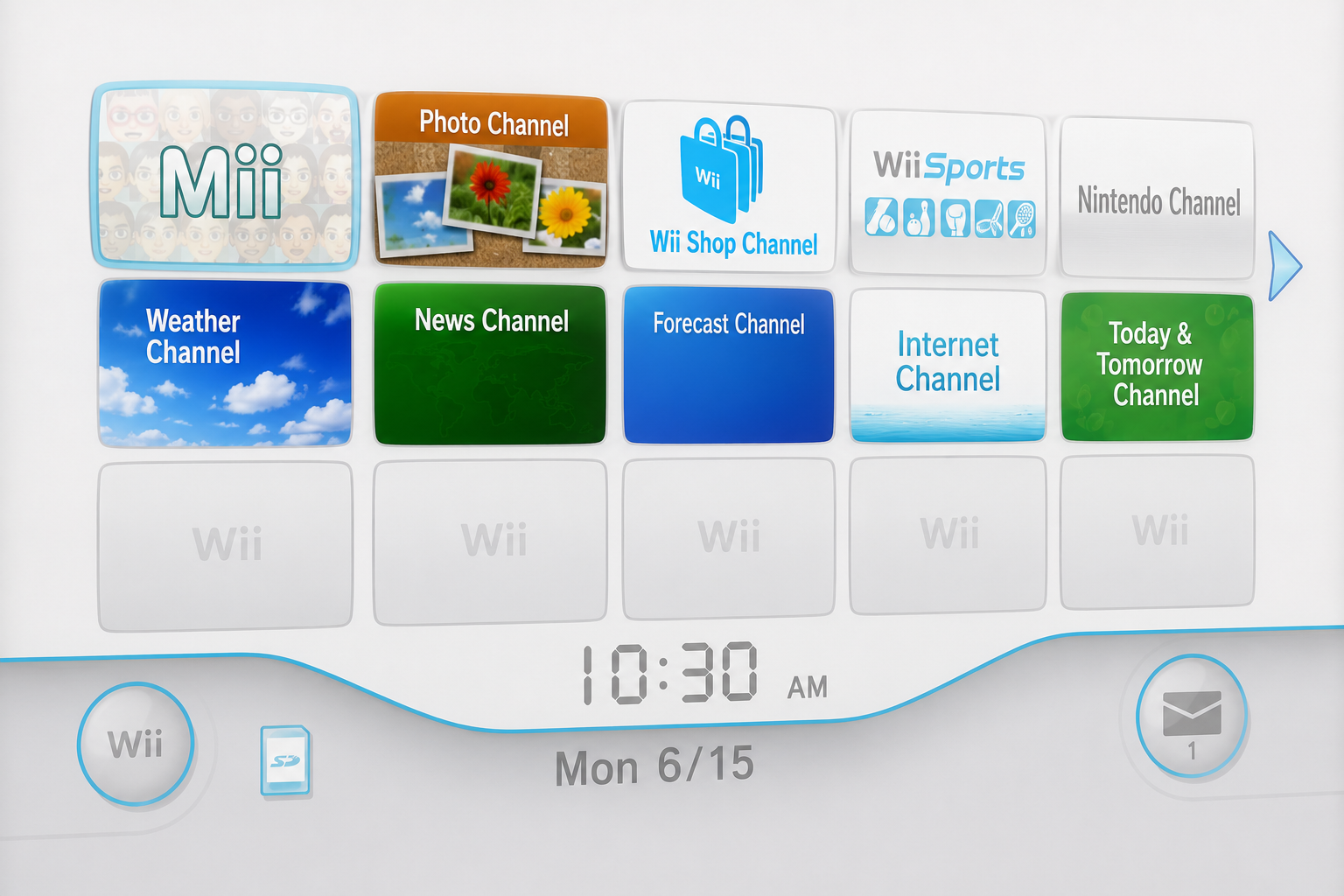
The Wii Gamble That Saved Nintendo
In a world obsessed with graphics and power, Nintendo bet on simplicity. The Wii was laughed at — until it wasn't.

The Fall of BlackBerry
In a boardroom once buzzing with innovation, silence filled the air as BlackBerry executives watched Apple's iPhone dismantle their empire one launch at a time.

The iPhone That Disrupted the World
In January 2007, Steve Jobs stepped onto the stage and introduced a device that would redefine the entire world: the iPhone. What seemed like just another gadget launch was, in fact, the dawn of a new era.
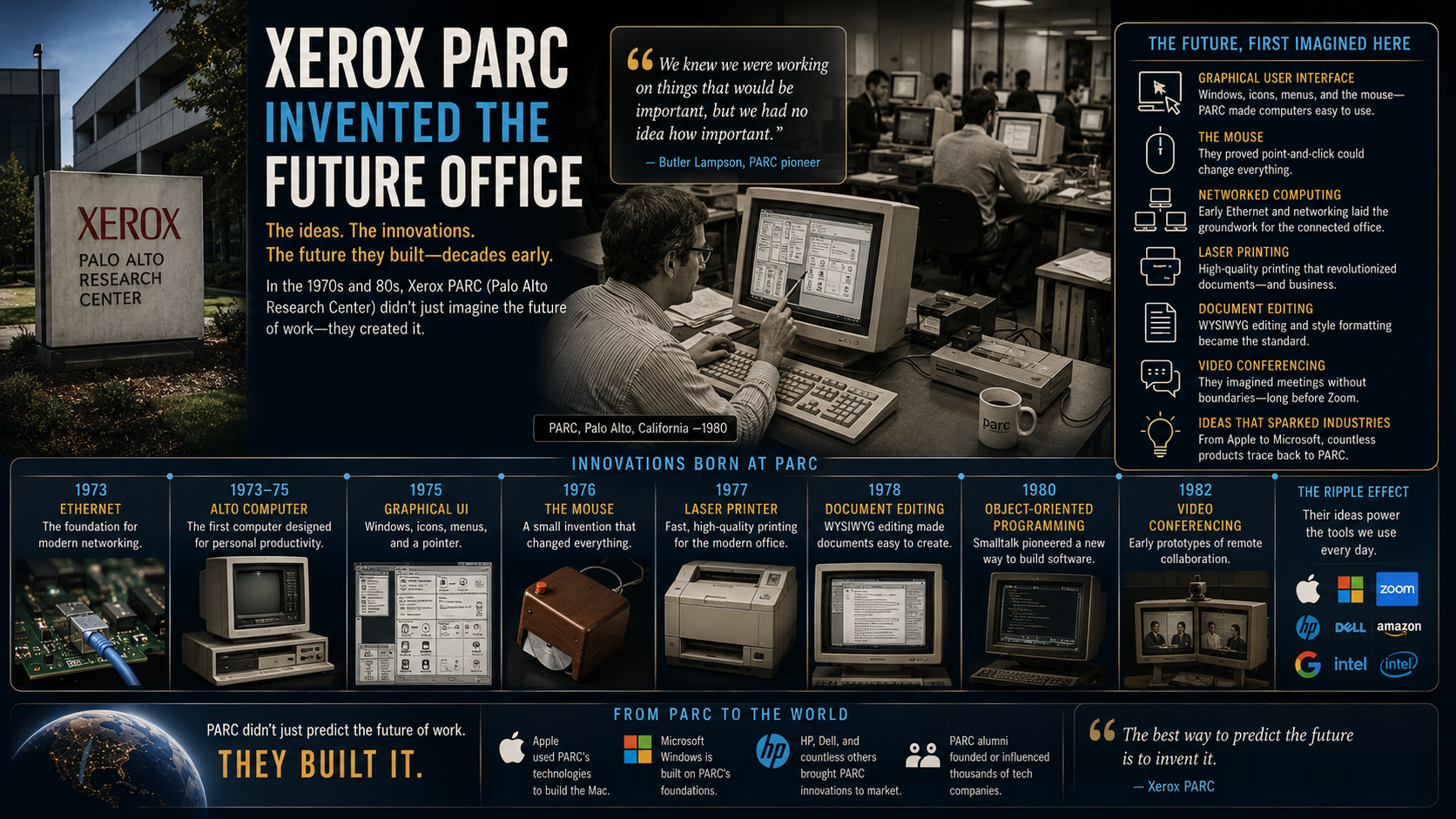
The Lab That Invented Tomorrow
In December 1979, Steve Jobs saw echoes of the future inside Xerox PARC's halls. There, in a secluded lab, lay the blueprint for the modern tech landscape.

Pixar's Radical Feedback Loop
In a stark, unadorned room, some of the most powerful voices in animation face off with ruthless honesty. Their weapons? Brutal feedback that molds raw ideas into cinematic gold.
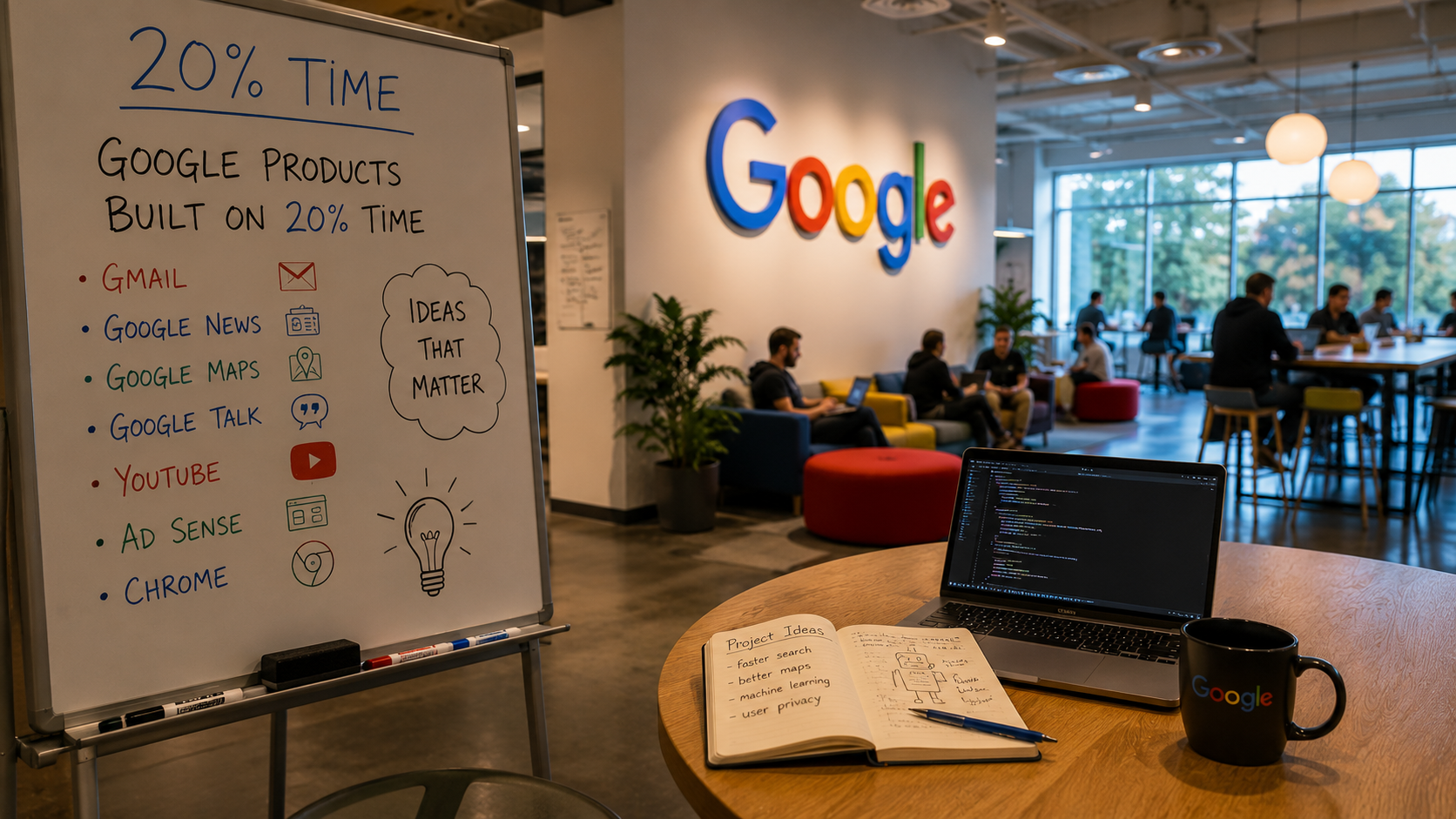
How Google's 20% Time Shaped Innovation
Gmail, the widely-used email service, was born from Google's infamous 20% Time. What else did this unconventional policy unleash?
Continue the Rabbit Hole
Each story explores the same idea from a different angle. Follow the connections and discover where the thread leads.
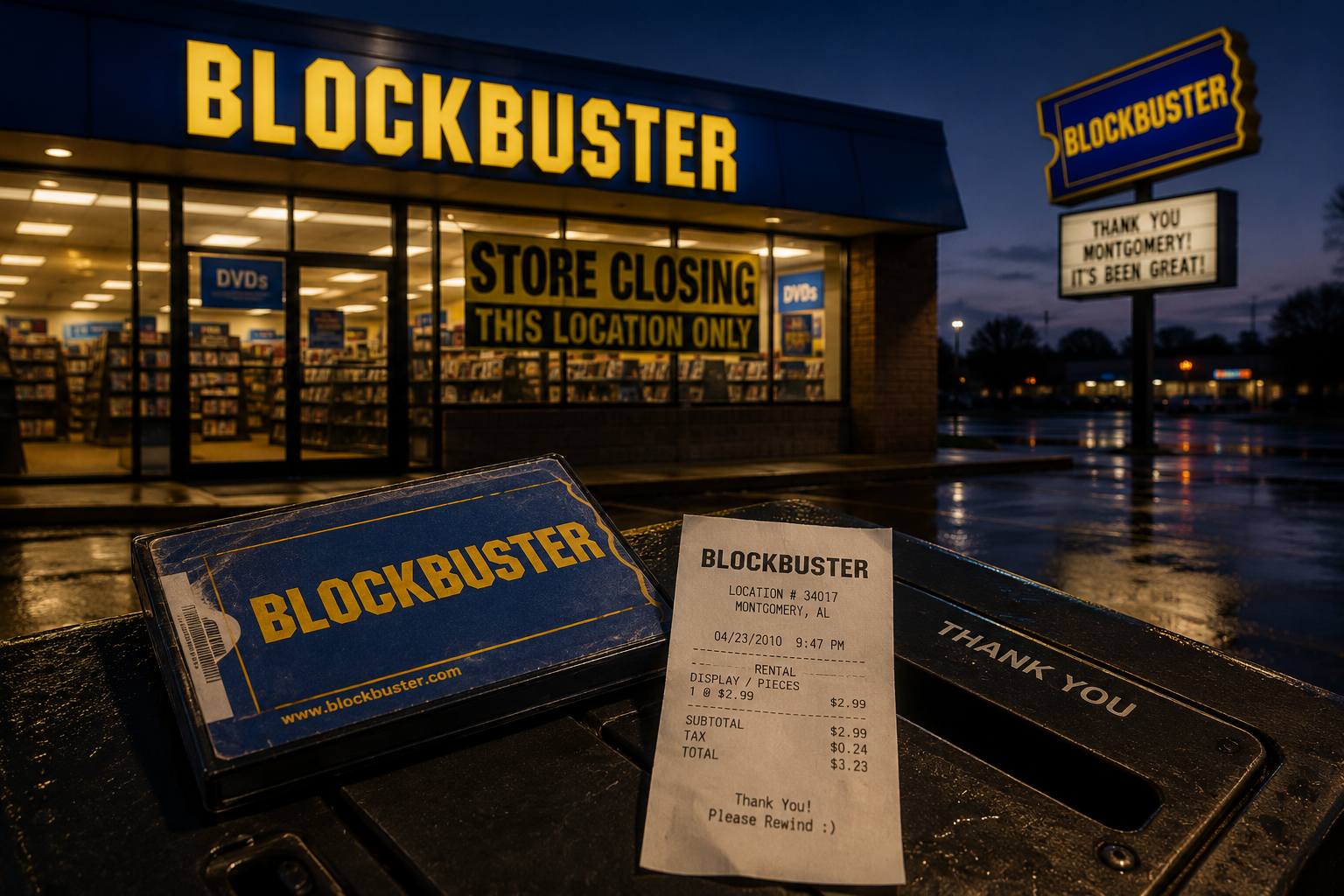






Fictional placeholder content