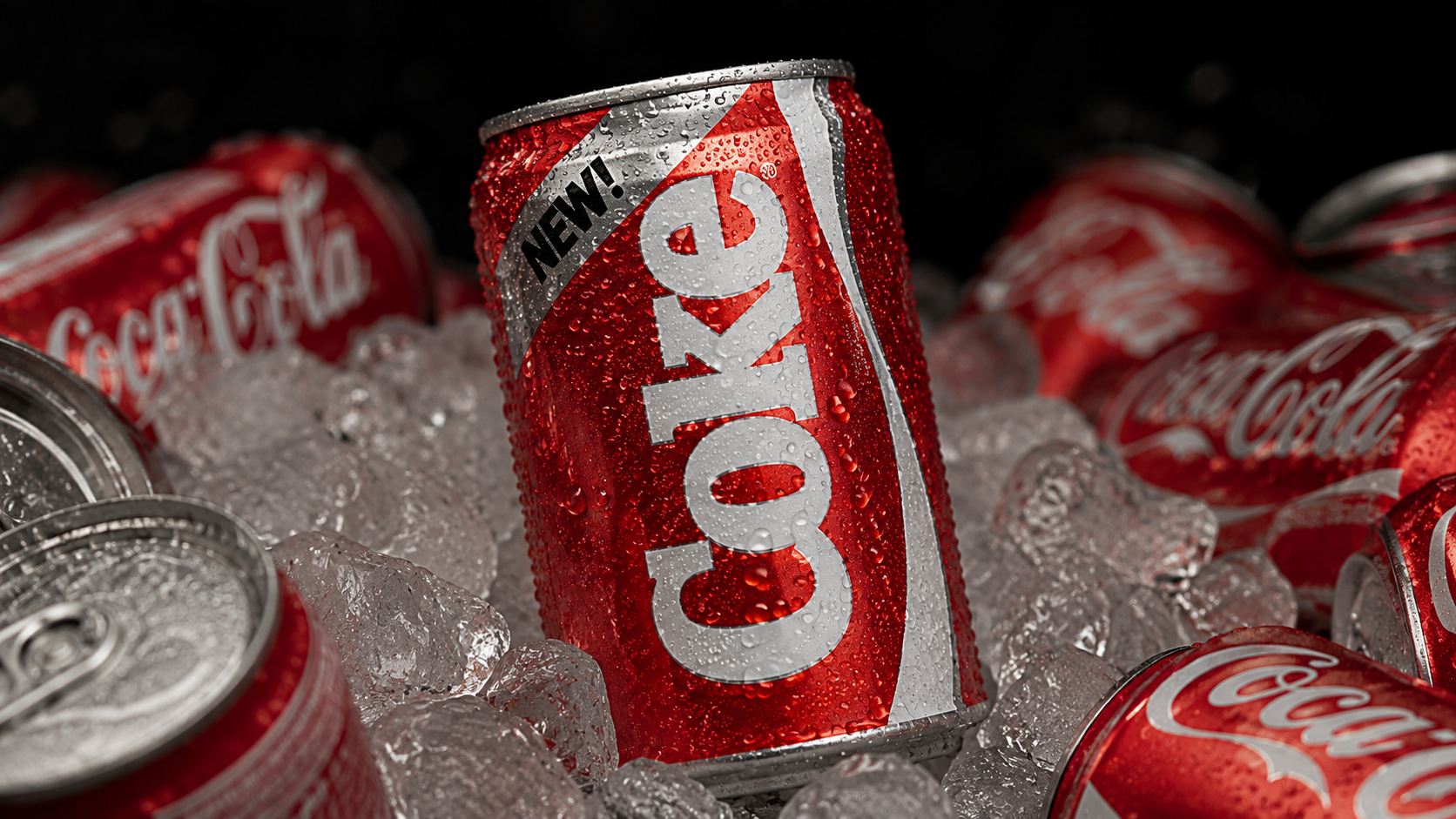
When New Coke Crashed
"On April 23, 1985, the stage was set for what would become one of corporate America's most infamous blunders. Within weeks, Coca-Cola's grand gamble with New Coke turned into a spectacularly public misstep."
What Happened?
On April 23, 1985, Coca-Cola, a brand synonymous with American tradition, unveiled a new product: New Coke. This was not just another marketing gimmick; it was a direct challenge to Pepsi's growing influence. However, this bold move backfired spectacularly. Loyalists perceived the new formula as a betrayal of Coke's legacy. The uproar was immediate and passionate; the company's hotlines were inundated with calls, with furious letters arriving by the thousands. In a dramatic reversal that captured headlines across America, Coca-Cola reverted to its original formula within months, a decision that underscored the power of brand loyalty.
Takeaway
The lesson this story keeps teaching
“Even the most enduring brands can falter when they overlook consumer loyalty in pursuit of reinventing their image.”
Why People Are Talking About This
Coca-Cola's New Coke fiasco marks a poignant chapter in the annals of business history, vivid with lessons on consumer sentiment and brand identity. It underscores the delicate balance that even juggernauts must navigate between innovation and tradition. In a world where business decisions relentlessly chase the next trend, this tale reminds us of the enduring power of consumer loyalty. More poignantly, it speaks to the public's emotional sway over decisions often thought to be driven by analytics and strategy alone—offering a stark reminder in an age where data reigns supreme.
Thread Map
8 entities · 7 connections · Hover to explore, click to inspect
This is the connection map for this thread. Every node is a person, company, event, or idea. The red lines show how they connect. Hover a node to highlight its connections. Click a node to see why it matters to this story.
How We Got Here
Pepsi Launches the Pepsi Challenge
Pepsi initiated the Pepsi Challenge to demonstrate that consumers preferred Pepsi over Coca-Cola through blind taste tests. The results applied pressure on Coca-Cola, seeding doubt about their formula's supremacy.
Coca-Cola Prepares for a Bold Move
Amidst slipping market shares, Coca-Cola's boardroom buzzed with plans for a new formula. They believed a sweeter taste would help reclaim its former glory from Pepsi's grasp.
The Debut of New Coke
At Lincoln Center, New York City, Coca-Cola introduced its new beverage blend—New Coke—announcing the first significant formula change since Coca-Cola's inception. It was a move that stirred immediate curiosity and concern.
Backlash Grows Relentlessly
Coca-Cola was inundated with 8,000 calls per day from disgruntled customers longing for the original flavor. Consumers expressed their dissatisfaction vociferously, using every available channel.
Consumer Activism Hits New Heights
Old Cola Drinkers formed a consumer movement pushing back against New Coke. Their advocacy amplified the issue's visibility, crystallizing the public outcry into a powerful demand for the return of the original formula.
Coca-Cola Classic Returns Triumphantly
In the face of relentless public pressure, Coca-Cola announced the reintroduction of the original formula under the brand name Coca-Cola Classic. It marked a significant pivot from their earlier decision.
Coca-Cola Classic Officially Hits Shelves
The original, beloved Coca-Cola formula returned to retail stores, capturing headlines and easing consumer ire. It was a strategic reversal capturing news networks' attention and the public's elation.
Formation of Coca-Cola Enterprises
Coca-Cola Enterprises was formed to consolidate bottling operations, marking a new chapter in the company's business model stability post-New Coke debacle.
Wait... Who Is This?
In the vibrant tapestry of the 1970s, alongside disco nights and bell-bottom jeans, two giants prepared for a corporate tussle. Coca-Cola—established, unshakeable, and steeped in American tradition—faced off against Pepsi, a youthful challenger with a strategic twist: the Pepsi Challenge. This nationwide taste test began highlighting a disconcerting truth for Coca-Cola: many were starting to prefer Pepsi’s sweeter taste. In the conference rooms of Coca-Cola’s Atlanta headquarters, tension began bubbling over. Executives, having overseen a century of success, now found themselves cornered by an upstart that dared to rewrite the rulebook. There was a sense of urgency, almost palpable, to reclaim their spot at the helm.
Rather than play it safe, Coca-Cola executives knew they had to adapt. The era was rife with innovation; brands were boldly reimagining themselves to stay relevant. This spirit of reinvention pressed upon Coca-Cola like an unyielding wave. Pepsi’s marketing had swayed public opinion, and this was a war Coca-Cola could not afford to lose. Analysts dissected every piece of data, poring over focus group responses, hypothesizing new formulas. The possibilities were endless, but the stakes couldn’t be higher.
Thus emerged the audacious plan for New Coke, a recalibration intended not just as a formulaic tweak but as an ideological repositioning. However, such a leap into the new risked leaving behind a cherished past.
Receipts
New Coke - Wikipedia
New Coke | History, Response, & Facts | Britannica
Why Coca-Cola's 'New Coke' Flopped | HISTORY
Coke Classic: The Story of How America Saved Its Favorite Drink
New Coke: A Classic Branding Case Study on a Major Product Change Failure - The Branding Journal
Continue the Rabbit Hole
Each story explores the same idea from a different angle. Follow the connections and discover where the thread leads.
Fictional placeholder content