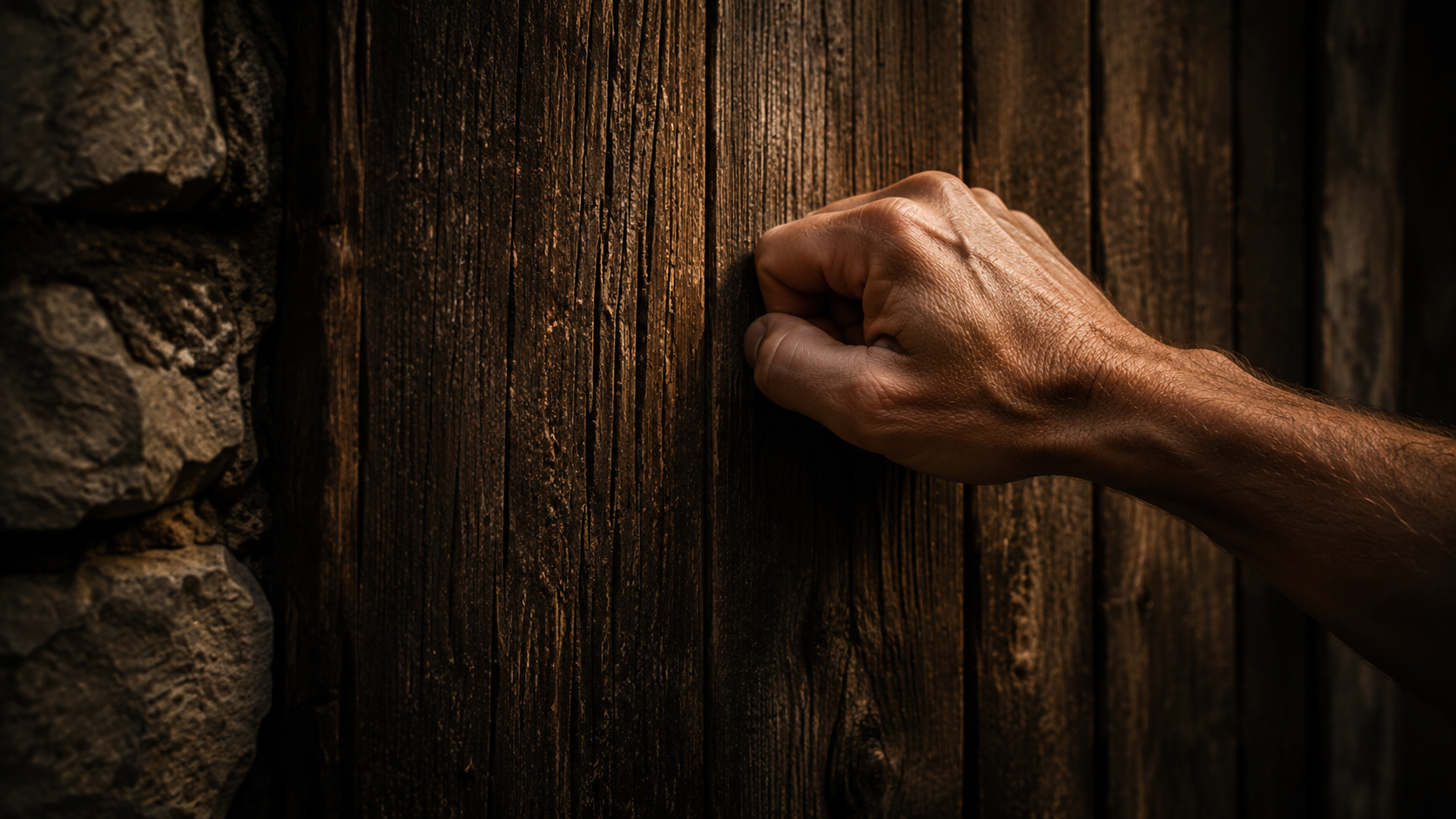
Knocking on Wood: Ancient Hope, Modern Ritual
"An ancient superstition outlives empires and religions, still whispered in modern offices. Why do entire cultures tap a simple surface for comfort?"
What Happened?
Knocking on wood feels like a harmless modern habit, but its possible origins reach deep into older beliefs about sacred trees, protective spirits, and avoiding bad luck. Over centuries, the ritual lost much of its original religious context but remained part of everyday culture. Its persistence shows how ancient ideas can survive as small gestures people still perform without thinking.
Takeaway
The lesson this story keeps teaching
“The rituals we casually repeat often carry fragments of ancient fears and hopes.”
Why People Are Talking About This
Knocking on wood isn’t just vestigial folklore; it traces the whisper of history in our civilization. It underscores humanity’s perennial quest for certainty amidst chaos. What appears as simple superstition reveals deep-seated need to wield control over fate, hinting at unseen narratives connecting past with present.
Understanding why such rituals persist provides a lens into human nature's motivations—our yearnings for reassurance despite advancements, elucidating how ancient beliefs quietly shape modern culture and habits. For today’s world, it reminds us that beneath layers of rationality, ancient practices persist, hinting at our complex dance with the unknown.
Thread Map
8 entities · 7 connections · Hover to explore, click to inspect
This is the connection map for this thread. Every node is a person, company, event, or idea. The red lines show how they connect. Hover a node to highlight its connections. Click a node to see why it matters to this story.
How We Got Here
Celts Revered Trees as Sacred Beings
Ancient Celts believed trees were inhabited by spirits and gods. This reverence initiated the 'Tree Spirit Theory' that perceived tapping on wood as communicating with benevolent deities.
Christians Embrace Wood as Symbol of the Cross
In the Middle Ages, Christians adapted the practice by associating wood with the Holy Cross, viewing it as a symbol of protection. This shifted the tradition from pagan roots towards Christendom.
Jewish Communities Use Knocking as a Secret Signal
During the Spanish Inquisition, Jewish communities in Spain discreetly used knocking on wood in synagogues as a protective and clandestine communication method.
Knock on Wood Becomes Culturally Embedded
By the 20th century, 'knock on wood' became a popular expression and was widely adopted in various cultures, emphasizing its transition into pop culture, notably immortalized by songs.
Academic Interest in Folklore Peaks
Folklorists and academics begin studying superstitions like 'knock on wood' as more than mere cultural curiosities, aiming to track their origins and justify their continuity.
Pop Culture Reassimilates Ancient Superstitions
Pop culture absorbs the phrase's charm, translating ancient symbols into modern art forms such as movies, songs, and literature—sometimes stripping them of their historical gravitas.
Skepticism Among Scholars Grows
Folklorists like Steve Roud express skepticism about definitive origins due to scant historical documentation, challenging the validity of continual traditions.
Perpetuation of Tradition Without Tangible Roots
Despite technological advances, knocking on wood persists in societies as protection against misfortune, a gesture now often devoid of its original implications yet rich in psychological significance.
Wait... Who Is This?
Imagine an ancient forest, where every whisper of the wind is a divine murmur, every rustle of leaves a conversation with gods. So envisioned the Celts, whose deep spiritual ties with trees laid the foundation for the practice we casually continue today. In their world, each tree housed a guardian spirit, and knocking on wood was a gesture of reverence and invitation.
Centuries onward, this practice morphed under the shadow of Christianity, transforming into an homage to the Cross. Here, the rite was no longer about spirits within nature but connecting with broader spiritual truths. Many Christians during the Middle Ages 'knocked on wood' to manifest faith and as a protective charm against life’s unpredictable challenges.
Yet, beyond the comforting patter of wood, darker times entwined its meaning. The Spanish Inquisition forced those of Jewish faith to employ this gesture tactically and discreetly; knocking was a coded signal amidst danger. In this context, the simple act became a beacon of resistance and resilience, surreptitious in its defiance yet profound in its purpose.
Even as the practice journeyed beyond religious connotations into the cultural fabric of the 20th century and beyond, its essence thrived. Knocking on wood seeped into the global consciousness, the ritual evolving yet retaining its roots in humanity’s shared psyche. This gesture remains a symbolic bridge over the temporal divide, testament to our enduring complex relationship with the world.
Receipts
Same Pattern
Different story. Same lesson.

Continue the Rabbit Hole
Each story explores the same idea from a different angle. Follow the connections and discover where the thread leads.






Fictional placeholder content