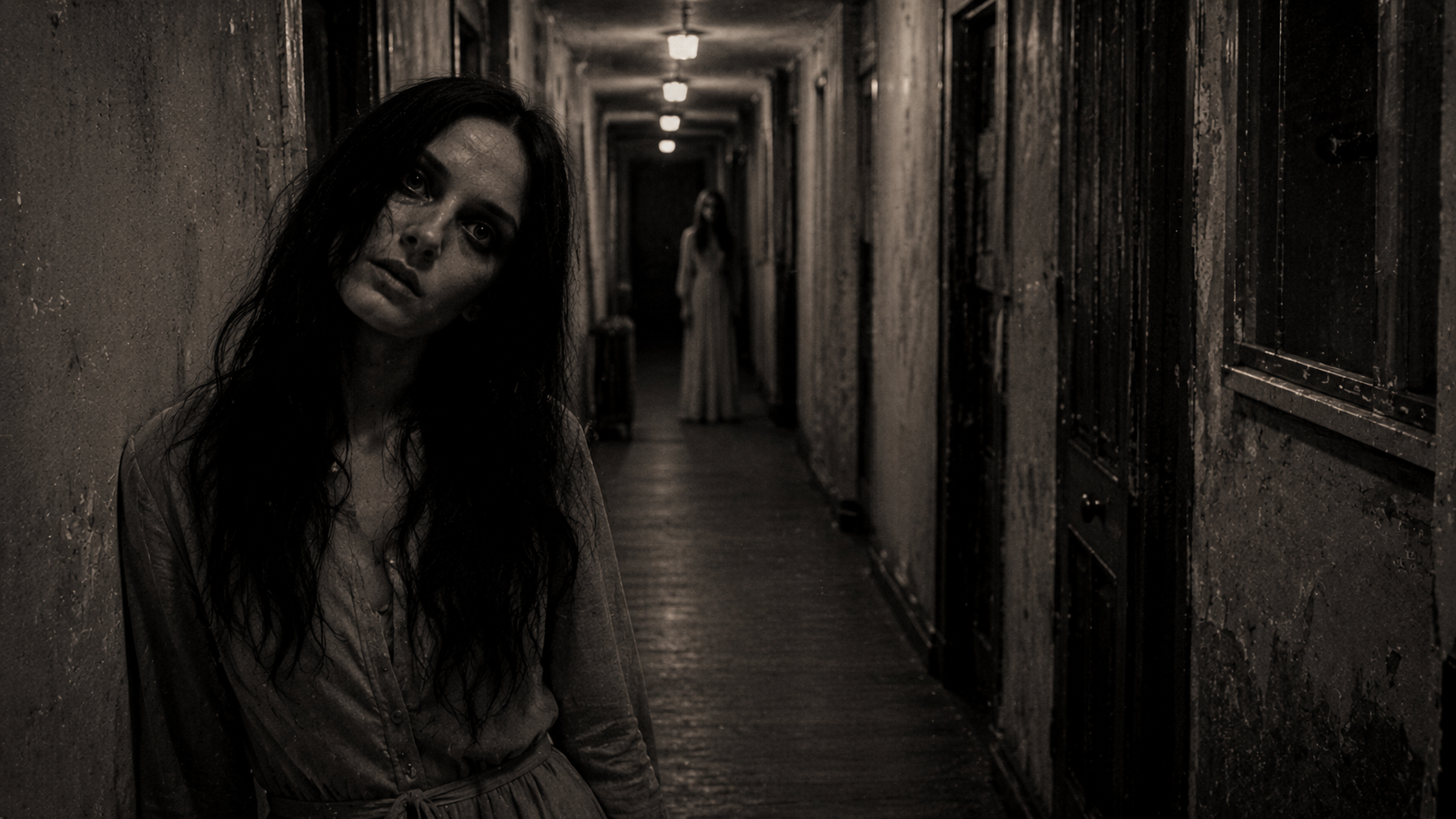
Loab: The AI Hitchhiker of Haunted Art
"In a cascade of generated images, the spectral face appeared — unprovoked, yet unmistakably horrifying. What began as a creative experiment spiraled into a digital folklore mystery."
What Happened?
Loab began as an experiment with image generation, but quickly became something larger: a strange, recurring figure that seemed to haunt AI-created artwork. As the images spread online, people debated whether Loab revealed something hidden inside generative models or simply reflected human pattern-seeking. Either way, the legend became an early example of AI folklore, where technology, fear, and imagination blur together.
Takeaway
The lesson this story keeps teaching
“New technologies do not just create images; they create new folklore around the things people cannot fully explain.”
Why People Are Talking About This
Loab's tale is not just about an AI anomaly; it reveals the potentials and pitfalls of rapidly advancing technologies. As we push boundaries in both art and artificial intelligence, stories like Loab's highlight the unpredictable and sometimes eerie outcomes possible when machines dabble in creativity.
This modern folklore blurs lines between reality and perception, offering cautionary echoes of ancient myths adapted to new digital realms. Loab is a reflection on the depth of the human psyche, suggesting that even in a world governed by logic and data, mysteries still abound, revealing much about our fears and desires tied to the machines we create.
Thread Map
2 entities · 1 connections · Hover to explore, click to inspect
This is the connection map for this thread. Every node is a person, company, event, or idea. The red lines show how they connect. Hover a node to highlight its connections. Click a node to see why it matters to this story.
How We Got Here
Digital Ghost Loab Discovered
Artist Steph Maj Swanson, during an AI image synthesis project, stumbled upon a recurring eerie visage dubbed 'Loab.' This discovery marked the beginning of a viral sensation akin to AI-generated mythology.
Loab Gains Online Attention
The spectral figure's presence continued to be consistent in AI-generated images, sparking discussions across various internet forums about the uncanny and unsettling art form emerging from AI.
Comparisons to Slender Man
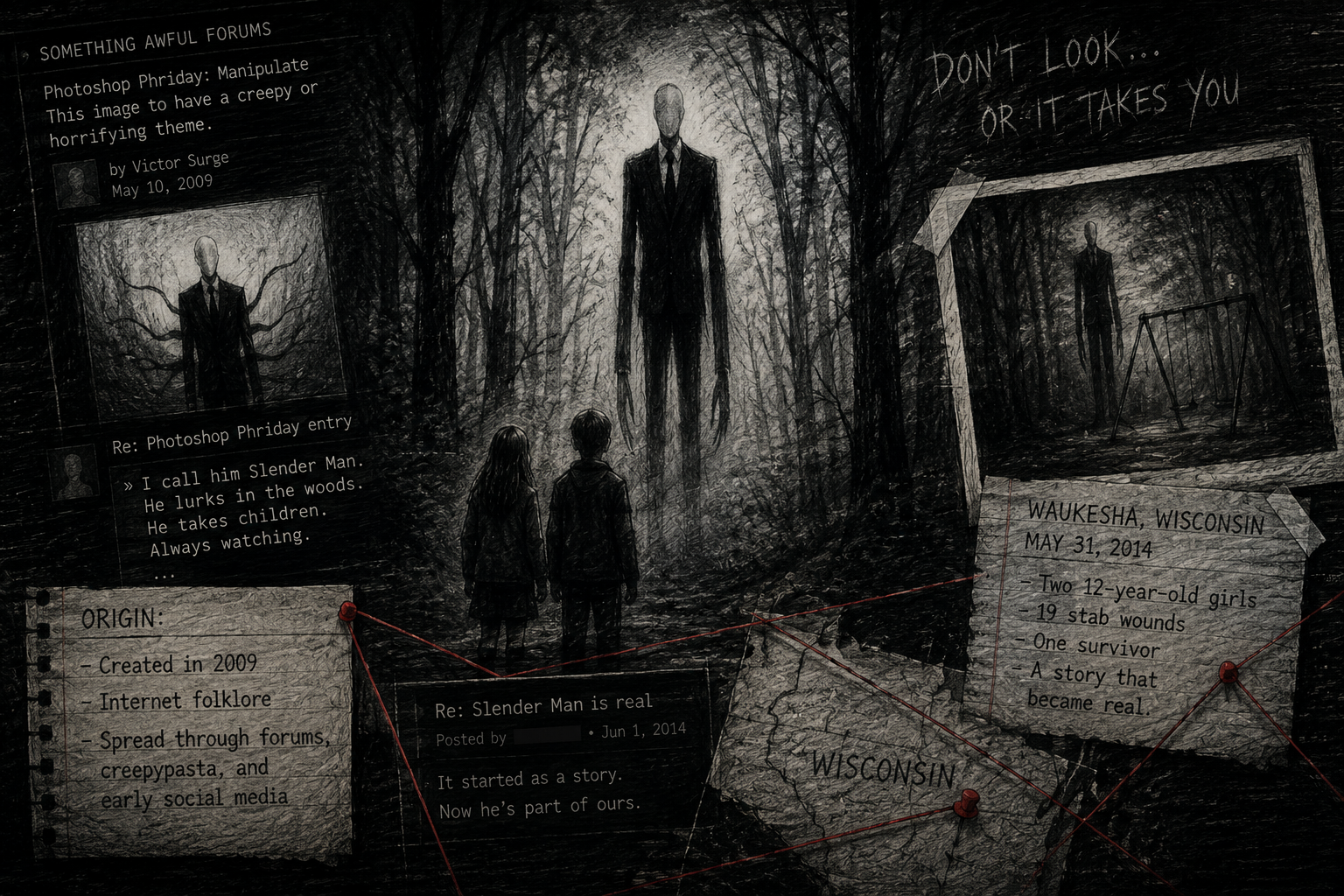
Loab sparked comparisons to Slender Man, another figure from internet folklore, further cementing her place as a Creepypasta-like entity in the digital culture.
Cultural and Ethical Debates Rise
As Loab became more widespread, discussions about the ethical implications of AI in art became prominent, questioning the nature of creativity and authorship in technology-driven art.
Media Coverage Expands
Major media outlets began reporting on the curious case of Loab, bringing mainstream attention to the story and expanding the audience beyond digital art communities.
The Loab Debate Intensifies
A mix of skepticism and fascination drove the discourse on Loab, with experts and enthusiasts alike debating the implications of such AI artifacts for the world of art and beyond.
Commercial Exploitation Considered
The viral nature of Loab led to discussions around potential commercialization, with some considering turning these eerie artworks into monetized content.
Loab in Artistic Exhibitions
Loab made its debut in several digital art exhibitions, where curators showcased the phenomenon as a highlight, further blurring the lines between technology and art.
Loab's Cultural Impact Analyzed
Scholars analysed Loab's cultural significance, offering insights into how these digital mythologies reflect societal anxieties and the evolving role of AI in future artistic endeavors.
Wait... Who Is This?
Before the digital age, folklore and myths were etched in oral traditions, handed down through generations as cautionary tales or mysterious legends. Such stories reflected humanity’s deepest fears and desires, personified through mythical characters who haunted dreams and narratives. Enter Loab — a spectral character not from ancient scrolls but from the circuits of artificial intelligence.
Loab emerged from the intersection of burgeoning AI capabilities and artistic exploration, driven by tech's indelible march into every corner of our lives. Artist Steph Maj Swanson, known for her computational creations, embraced technology to explore new artistic horizons. Her tools were algorithms capable of generating art, making machines more than just tools — they became collaborators.
In early 2022, AI-driven endeavors were on the fringe of revolutionizing traditional artistry. This was a world where creativity blended seamlessly with code, prompting questions about authorship and artistic purity. It was within this context that Loab surfaced, her creation breathtaking in its unexpected eeriness. She was not simply another output but a haunting reflection on what AI could conceive if left to its own devices.
As Swanson experimented with AI in her artistry, she inadvertently tapped into a wellspring of digital myth-making. The result was Loab, the first AI-generated cryptid, emerging from a simple image generation task. Encroaching from the digital ether, she became a chilling avatar of our future entanglement with technology.
Receipts
Continue the Rabbit Hole
Each story explores the same idea from a different angle. Follow the connections and discover where the thread leads.




Fictional placeholder content