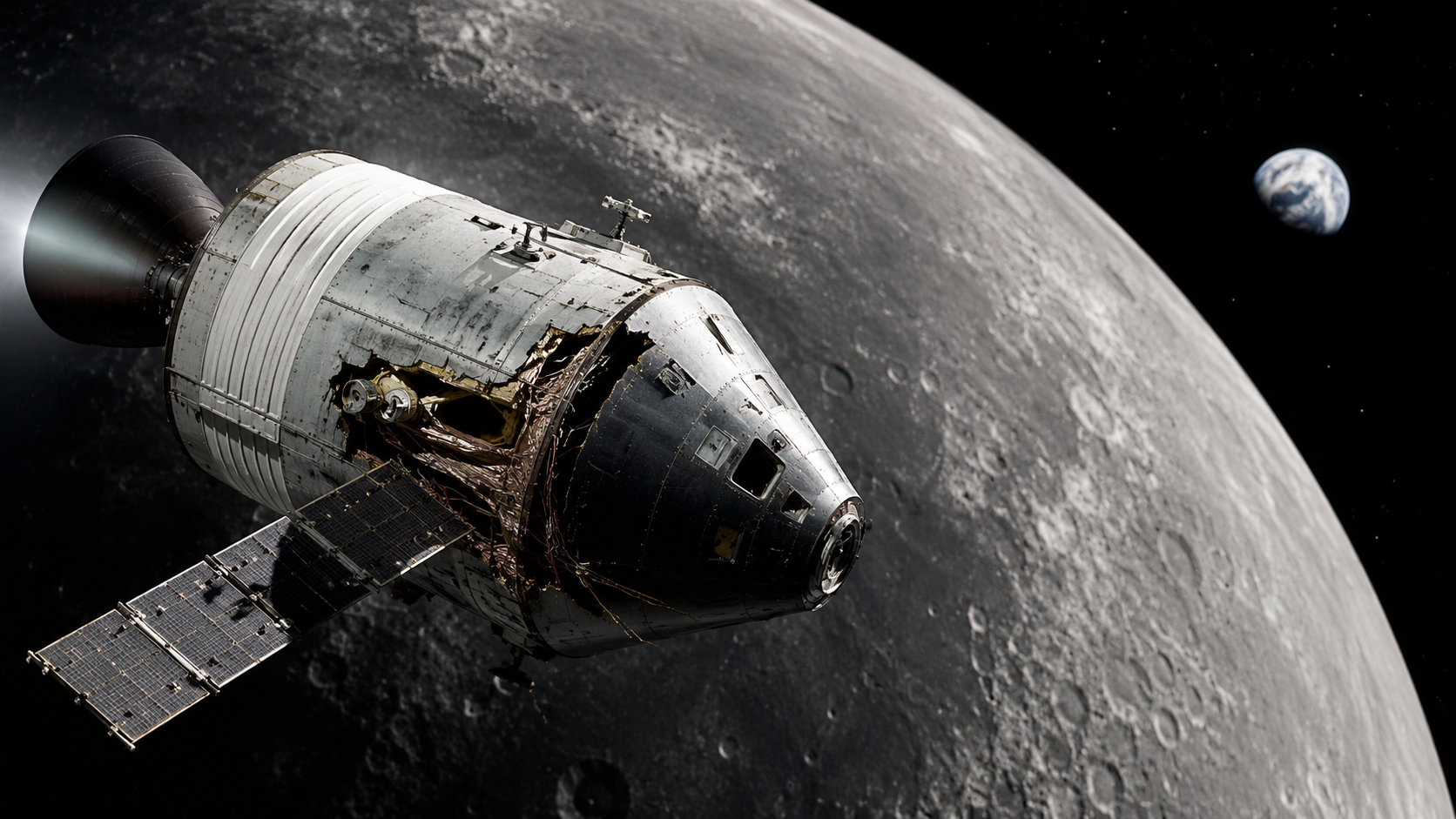
Apollo 13: The Survival Odyssey
"Oxygen venting into space wasn’t just a minor hiccup; it was a potential death sentence. And somewhere in Houston, failure was simply not an option."
What Happened?
April 13, 1970: From the void above Earth, Jim Lovell’s message crackled to Houston, “Houston, we've had a problem.” Just two days after launching toward the dream of a lunar landing, Apollo 13 faced a catastrophe like no mission before: an oxygen tank exploded. The lunar landing was abandoned, replaced by a desperate return to Earth. With life-support critically damaged and systems failing, Mission Control, led by Flight Director Gene Kranz, devised rapid, unprecedented solutions. Each step was a gamble in the fight for survival, and every move highlighted human resilience. Somehow, what could have been a tragic disaster turned into a story of human ingenuity and courage.
Takeaway
The lesson this story keeps teaching
“In moments of crisis, human ingenuity and resilience can turn a potential disaster into a triumph of survival and collaboration.”
Why People Are Talking About This
Apollo 13 remains a lighthouse in crisis management and collective ingenuity. Its echoes alive in echoes of spaceflights and organizational strategies worldwide, embodying the art of improvisational problem-solving when systems disintegrate.
Yet Apollo 13 also imprints a historical shift in risk evaluation, safety measures, and system operations, shaping NASA's legacy and future space explorations. It infuses resilience into exploration, reminding us that the frontier remains as beguiling as it is perilous.
Thread Map
8 entities · 7 connections · Hover to explore, click to inspect
This is the connection map for this thread. Every node is a person, company, event, or idea. The red lines show how they connect. Hover a node to highlight its connections. Click a node to see why it matters to this story.
How We Got Here
Gene Kranz Becomes a NASA Staple
Gene Kranz joined NASA as part of the Space Task Group, quickly earning a reputation for his dedication and innovative problem-solving. His early work laid the groundwork for eventual mission successes.
Apollo 11 Lands on the Moon
Apollo 11's successful lunar landing established NASA's reputation and set high expectations for future missions. Mission control, bolstered by successes, prepared for ongoing lunar explorations.
Apollo 13 Takes Flight
With James Lovell in command, Apollo 13 launched from Kennedy Space Center. Houston’s mission control monitored their progress, optimistic for another triumphant lunar expedition.
Disaster Strikes With an Explosion
An oxygen tank exploded aboard Apollo 13, prompting one of space exploration's greatest challenges. Mission control faced sudden chaos as they grappled with a life-threatening situation.
Lunar Module Becomes a Lifeboat
NASA engineers devised a plan to use the Lunar Module as a lifeboat, allowing the astronauts to conserve power and resources while planning the return journey.
Ingenious Innovations Keep Hope Alive
NASA implemented creative solutions to maintain life-support systems, ration resources, and preserve crew safety. Their efforts exemplify the highest level of innovation under duress.
Apollo 13 Returns Safely
Successfully landing in the Pacific Ocean, the Apollo 13 astronauts became heroes. Their safe return was a testament to human ingenuity and the dedication of the NASA team.
Apollo 13 Movie Brings the Story to Life
The film 'Apollo 13', starring Ed Harris as Gene Kranz, was released. It cemented the mission's legacy, popularizing the phrase 'failure is not an option'.
Wait... Who Is This?
The 1960s bore witness to a profound transformation in humanity's odyssey toward the stars—an era defined by marked patterns of ambition, geopolitics, and historical promise. The Apollo missions, begotten from the nervy climate of the Cold War, embodied mankind’s fervor to claim mastery over space. Technological advances and discovery hallmarked these missions with achievement yet revelatory oversights.
NASA, armed with visionaries and executors like Gene Kranz, pursued the lunar domain as a stage for these cosmos-courting quests. In July 1969, Apollo 11 shocked and awed with its lunar landing, casting humanity's shadow across another world in a spectacle of unfurling flags and star-kissed moonwalks.
Against this soaring tapestry, Apollo 13 found its place. It was both a continuation and a risk-filled enigma, as cosmic discoveries fought the tension of frail human technology.
Long before its ill-fated mission, Apollo 13 represented hope, a continuous renaissance of exploration and learning — until a fickle turn of events sternly challenged these paradigms.
Receipts
Apollo 13 - NASA
Apollo 13 | The Planetary Society
Apollo 13 | Mission, History, & Facts | Britannica
Detailed Chronology of Events Surrounding the Apollo 13 Accident - NASA
Failure Is Not an Option: Mission Control From Mercury to Apollo 13 and Beyond: Kranz, Gene: 9781439148815: Amazon.com: Books
Failure is not an option - Wikipedia
Same Pattern
Different story. Same lesson.

The Beatles Almost Never Happened
The Beatles were set to reunite, but catastrophe struck. A turn of events left fans with what could have been.
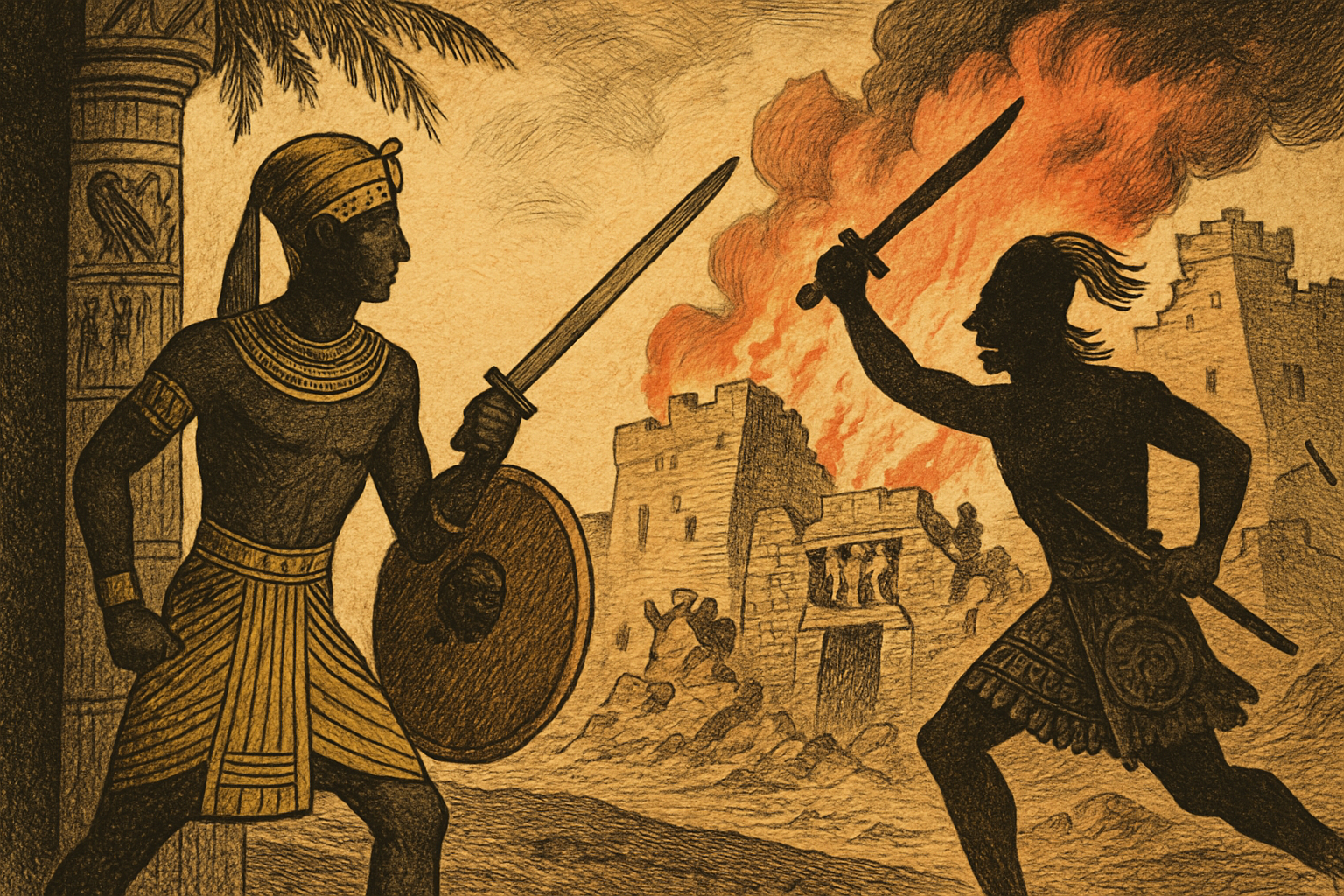
The Enigma of the Sea Peoples
In 1177 BCE, Ramses III faced an invasion that threatened to annihilate Egypt. These mysterious attackers, known only as the Sea Peoples, left a trail of destruction across the Mediterranean.

The Prediction That Changed Transactions
In 2024, 70% of Americans believed the U.S. was drifting towards a cashless society. But a storm was brewing that questioned this inevitability.

Dancing on the Edge of the Millennium
As midnight struck on January 1, 2000, billions held their breath. Would the digital clocks simply flick forward, or seize the world in Y2K chaos?
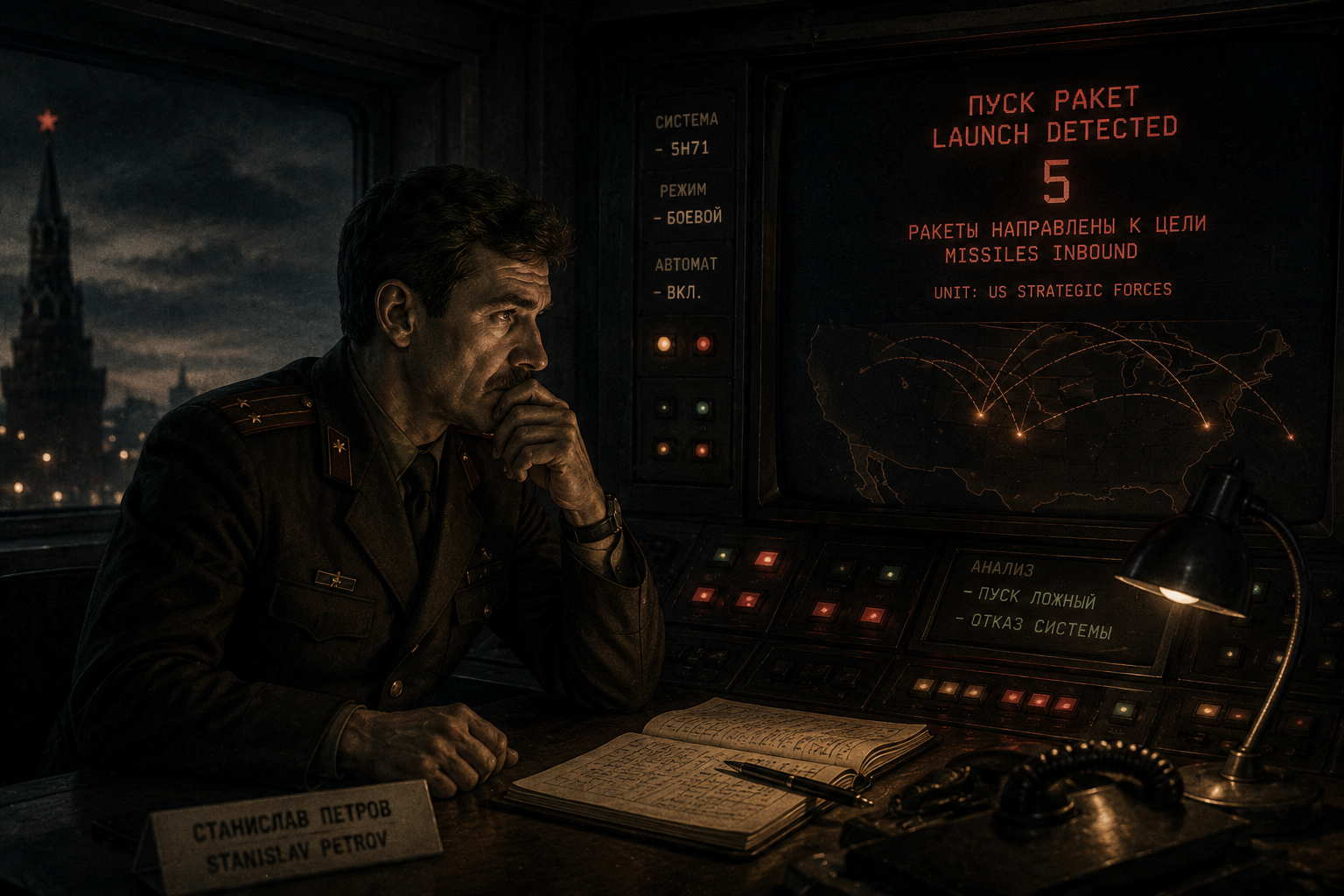
The Night the World Almost Ended
The Soviet early-warning system lit up with alarms of incoming missiles. One man's instinct held the world's fate.
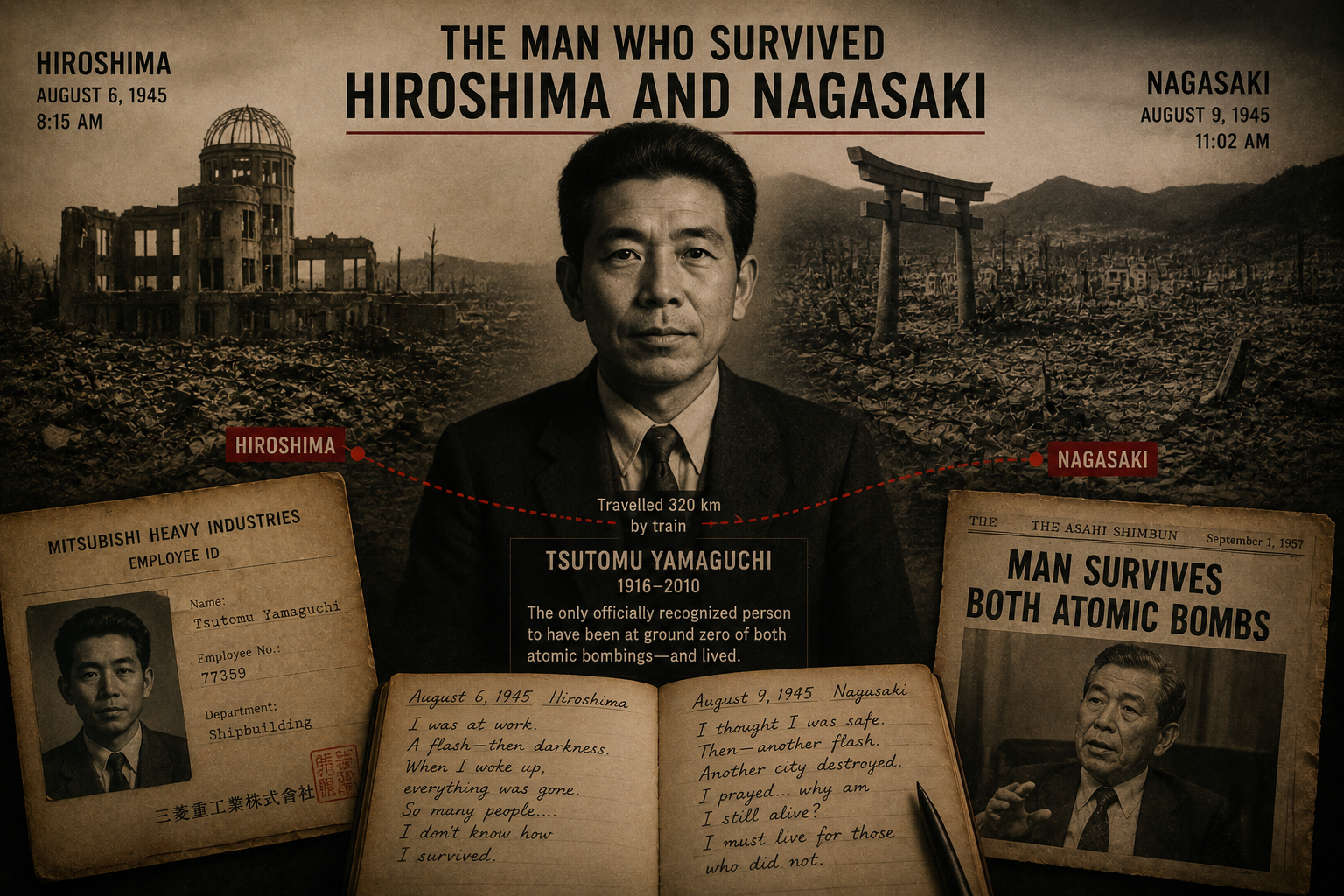
The Unbreakable Survivor: Yamaguchi's Atomic Escape
Tsutomu Yamaguchi's world imploded not once, but twice in the span of three days. Surviving both Hiroshima and Nagasaki, his story defies belief.
Continue the Rabbit Hole
Each story explores the same idea from a different angle. Follow the connections and discover where the thread leads.


Fictional placeholder content