The Night the World Almost Ended
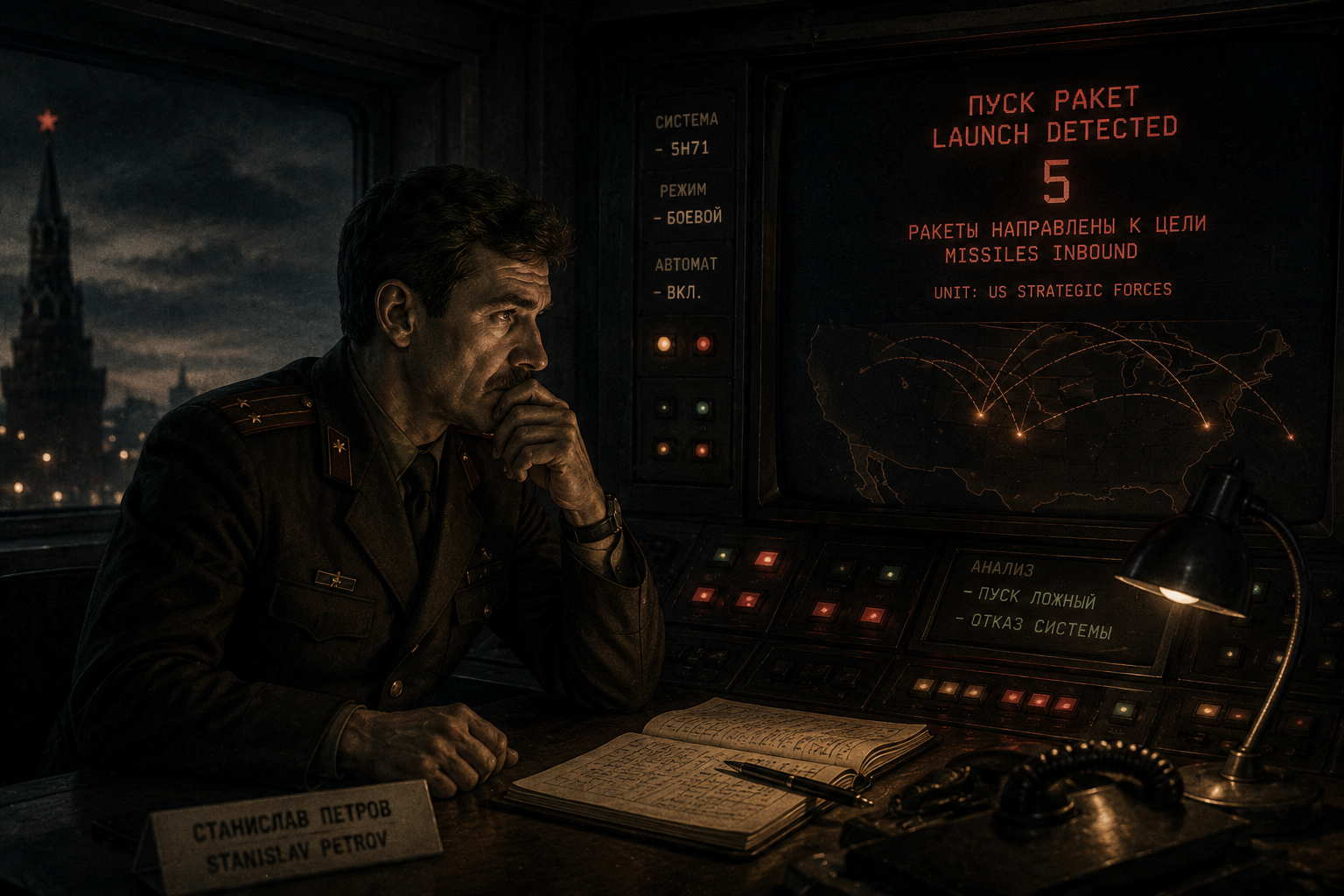
"The Soviet early-warning system lit up with alarms of incoming missiles. One man's instinct held the world's fate."
What Happened?
September 26, 1983, seemed destined to alter the course of history. In a tense Soviet command room, Lt. Colonel Stanislav Petrov faced a crisis: alarms blared, indicating an imminent American missile strike. With Cold War tensions at a peak, protocol demanded immediate retaliation. But Petrov's instincts questioned the technology's accuracy. Opting to classify the alert as a false alarm, his decision likely prevented an escalation to full-scale nuclear war. This single act of judgment reminds us how, even amidst advanced systems, human intuition remains crucial in averting catastrophes.
Takeaway
The lesson this story keeps teaching
“Even advanced systems can fail, and humanity's last safeguard against disaster is often the intuition of a single individual.”
Why People Are Talking About This
This moment in history shines a light on the intertwining of human intuition and advanced technology. In a world where complex systems aim to prevent catastrophes, Petrov's alertness defied the mechanical's reliability. His ability to trust his judgment amid data-driven chaos emphasizes the enduring necessity of human intervention in the governance of global peace. Alarms and technology alone couldn’t secure safety; it was courage and calm resolve that sculpted the way forward. Petrov wasn't just a Soviet officer that night; he was humanity's tether saving us from possible extinction.
Thread Map
4 entities · 3 connections · Hover to explore, click to inspect
This is the connection map for this thread. Every node is a person, company, event, or idea. The red lines show how they connect. Hover a node to highlight its connections. Click a node to see why it matters to this story.
How We Got Here
Korean Air Lines Flight Shot Down Ramp Up Tensions
Tensions soared as the Soviet military opened fire on Korean Air Lines Flight 007, thinking it an intruding enemy aircraft. It marked a grim turn in U.S.-Soviet relations, breeding deeper distrust.
Petrov Faces Nuclear False Alarm
Stanislav Petrov, while at the Soviet command center, assessed incoming missile alarms as a false threat, averting retaliatory nuclear strike. This pivotal decision perhaps saved millions from nuclear annihilation.
Petrov Honored by Association of World Citizens
Long after the incident, the Association of World Citizens recognized Petrov with a peace award for his actions that day, which prevented a devastating global conflict.
Documentary Chronicles Petrov's Heroic Decision
The documentary 'The Man Who Saved the World' was released, bringing global awareness to Petrov’s quiet heroism on that defining night in 1983.
Petrov Passes Away at Age 77
Stanislav Petrov passed away due to pneumonia, leaving behind a legacy nearly lost to obscurity, and the world mourned a figure few knew saved it.
United Nations Posthumously Awards Petrov
Petrov’s family received the Future of Life Award from the United Nations posthumously in his honor, which recognized his pivotal role in averting nuclear disaster.
Wait... Who Is This?
The backdrop of September 1983 was one charged by Cold War theatrics and heated geopolitical chess matches. Earlier that month, the Soviet downing of Korean Air Lines Flight 007, which veered into restricted airspace, left 269 people dead and sparked global debates. Relations between the United States and the Soviet Union plummeted even further, as the airliner, an innocent pawn, became a symbolic event illustrating how close the world danced on precipice. Amid this turbulent diplomatic climate, military leaders and government officials were stationed at constant high alert, each aware that a single misstep could spark global conflict. Within this cauldron, Stanislav Petrov’s life and career developed, shaped by the expectation to make every decision count. The early 1980s weren't a hospitable time for irrational risks, but Petrov would come to a moment where such a choice lay solely in his hands, proving singularly defining.
Receipts
Stanislav Petrov - Wikipedia
The Man Who Saved the World (2013) - IMDb
Stanislav Petrov: The Soviet Soldier Who Prevented Nuclear War | HistoryExtra
Stanislav Petrov | Nuclear War, Significance, Cold War, & Biography
Stanislav Petrov, the Man Who Saved the World, Has Died - Future of Life Institute
Same Pattern
Different story. Same lesson.

The Beatles Almost Never Happened
The Beatles were set to reunite, but catastrophe struck. A turn of events left fans with what could have been.
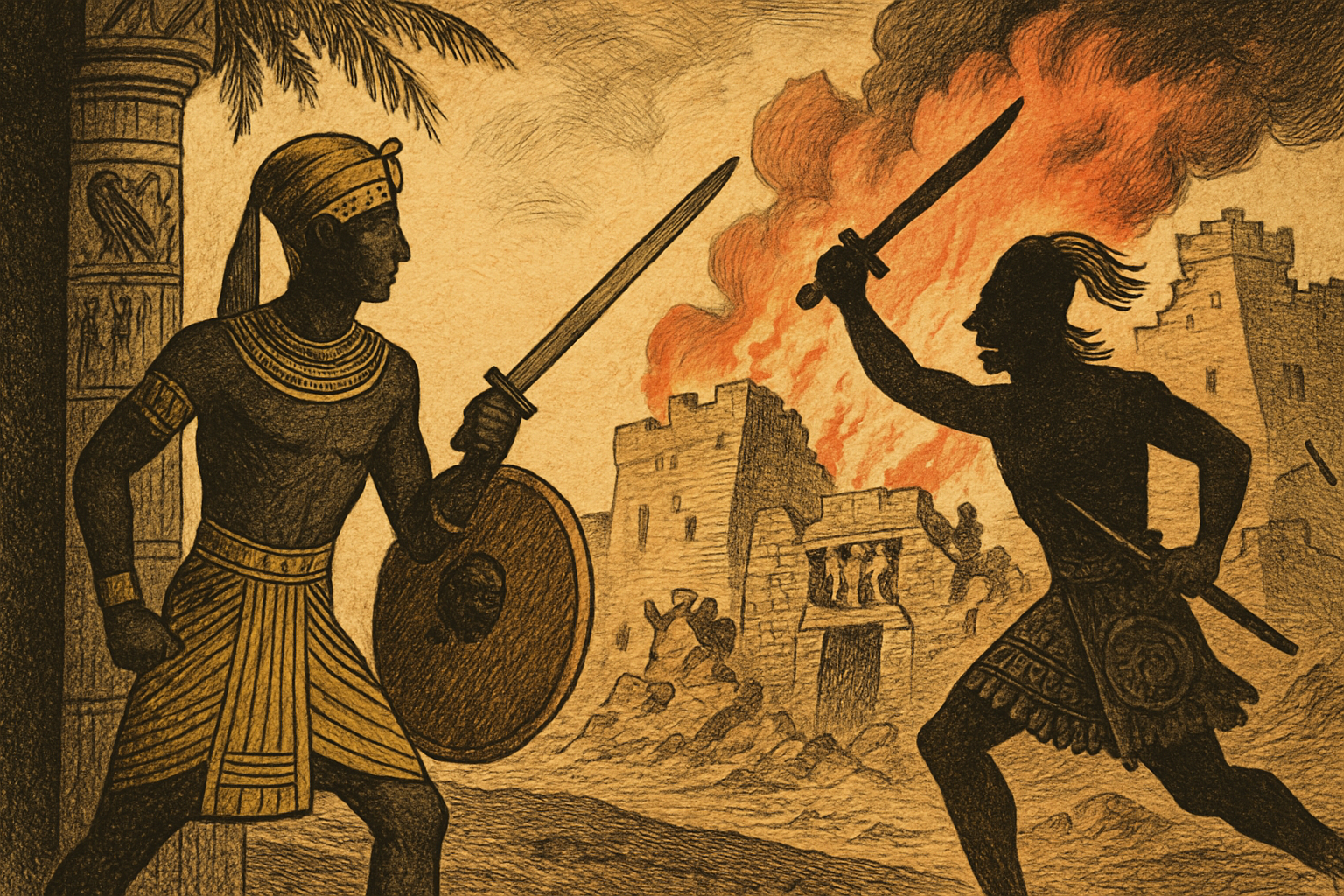
The Enigma of the Sea Peoples
In 1177 BCE, Ramses III faced an invasion that threatened to annihilate Egypt. These mysterious attackers, known only as the Sea Peoples, left a trail of destruction across the Mediterranean.
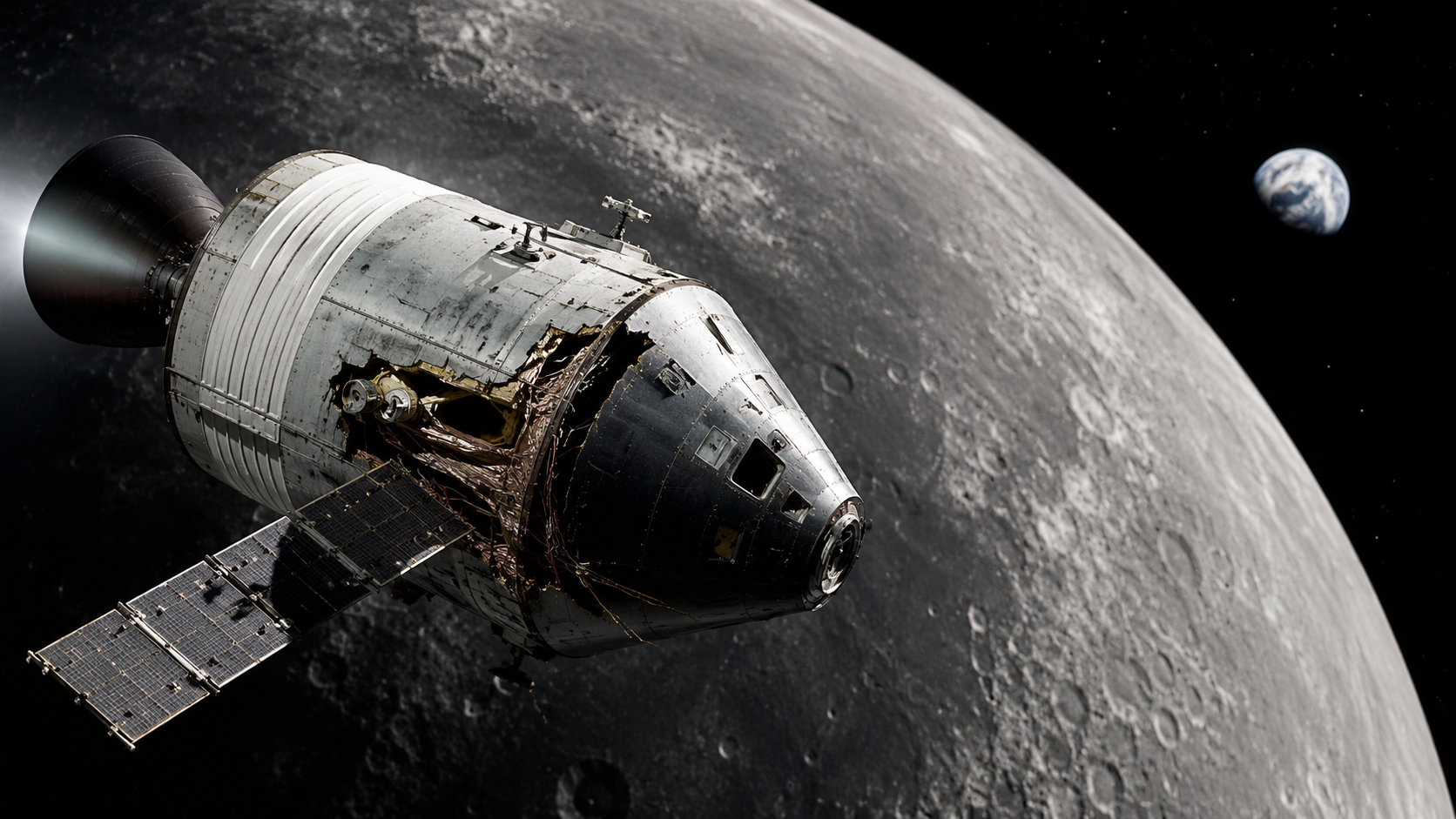
Apollo 13: The Survival Odyssey
Oxygen venting into space wasn’t just a minor hiccup; it was a potential death sentence. And somewhere in Houston, failure was simply not an option.

The Prediction That Changed Transactions
In 2024, 70% of Americans believed the U.S. was drifting towards a cashless society. But a storm was brewing that questioned this inevitability.
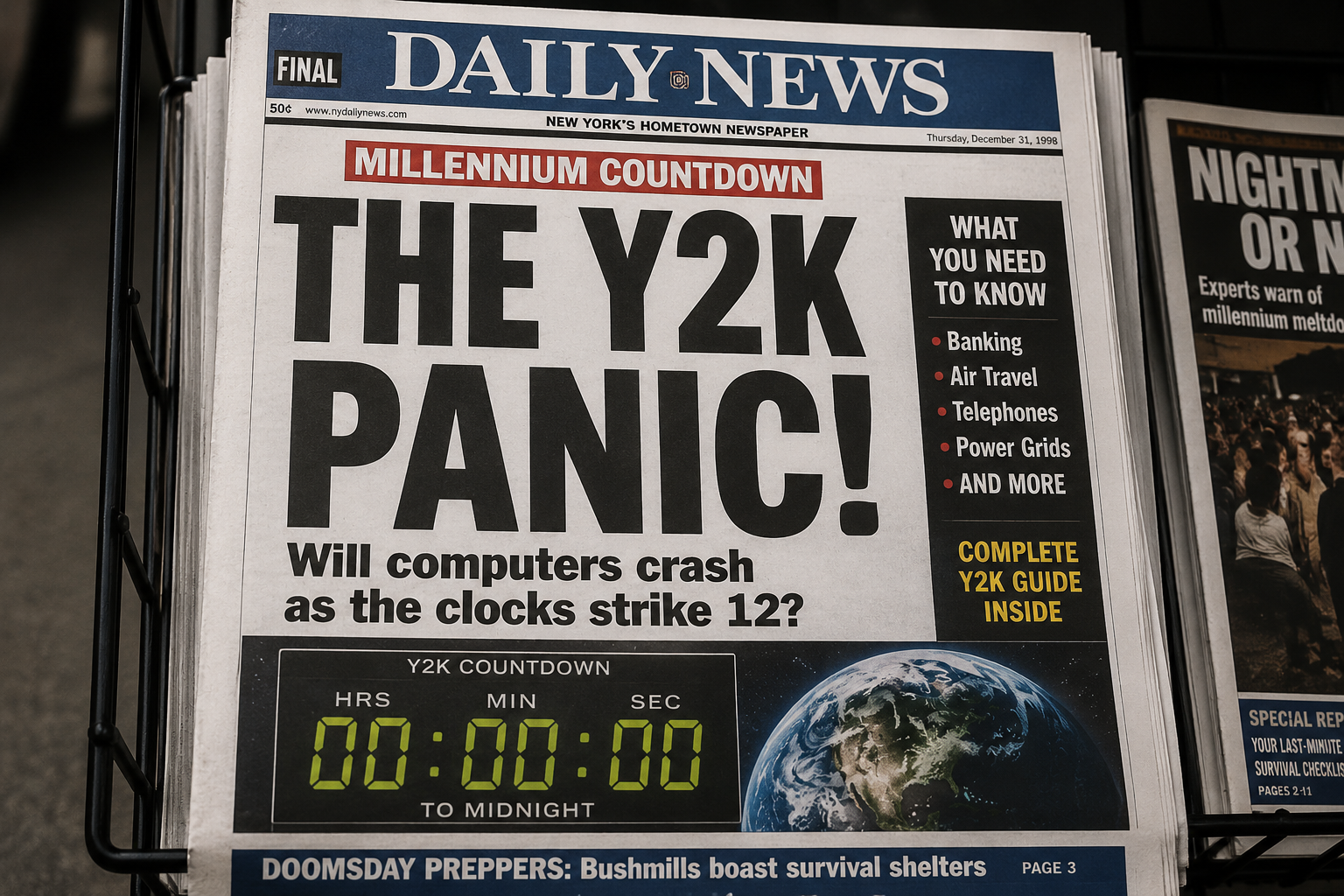
Dancing on the Edge of the Millennium
As midnight struck on January 1, 2000, billions held their breath. Would the digital clocks simply flick forward, or seize the world in Y2K chaos?
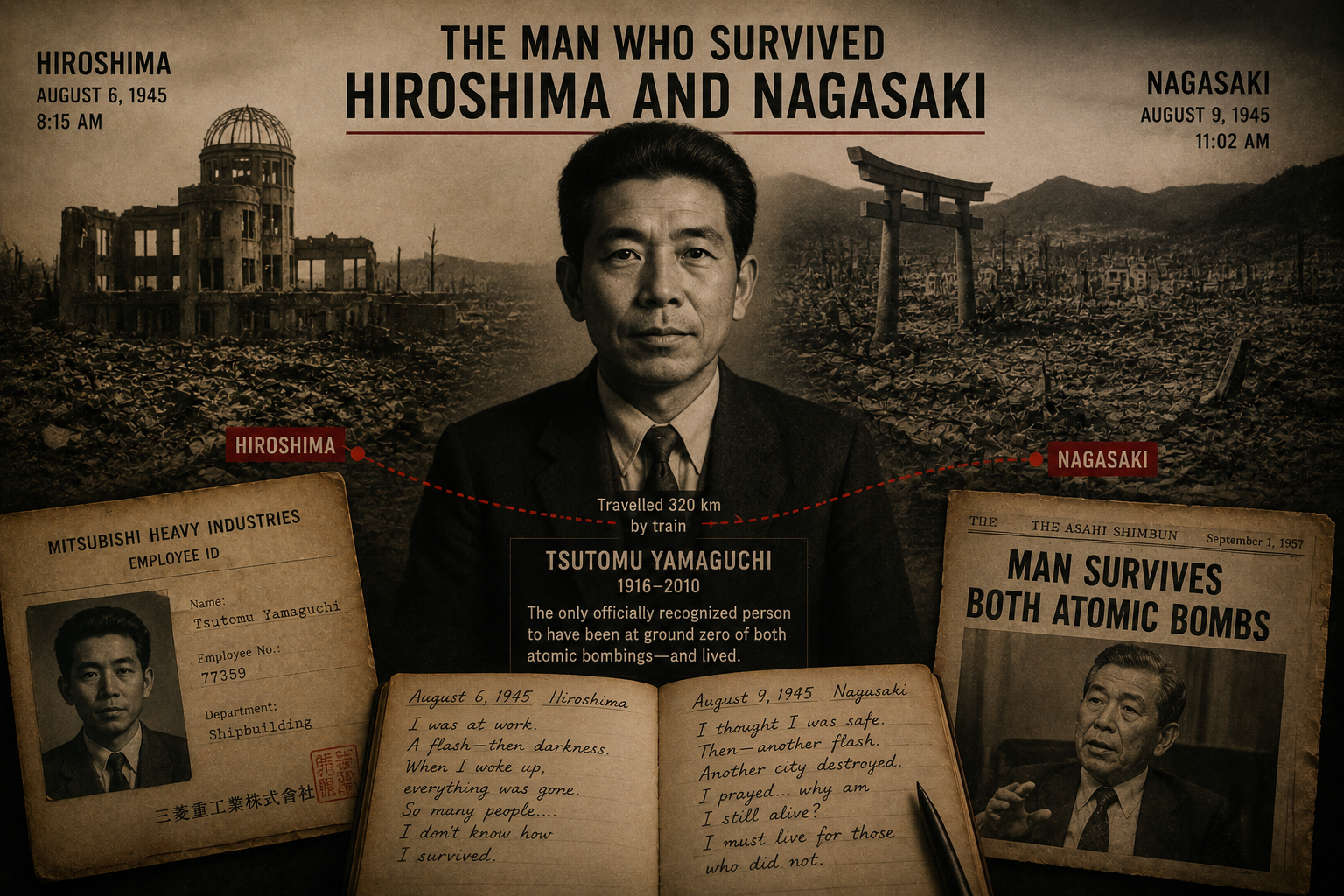
The Unbreakable Survivor: Yamaguchi's Atomic Escape
Tsutomu Yamaguchi's world imploded not once, but twice in the span of three days. Surviving both Hiroshima and Nagasaki, his story defies belief.
Continue the Rabbit Hole
Each story explores the same idea from a different angle. Follow the connections and discover where the thread leads.





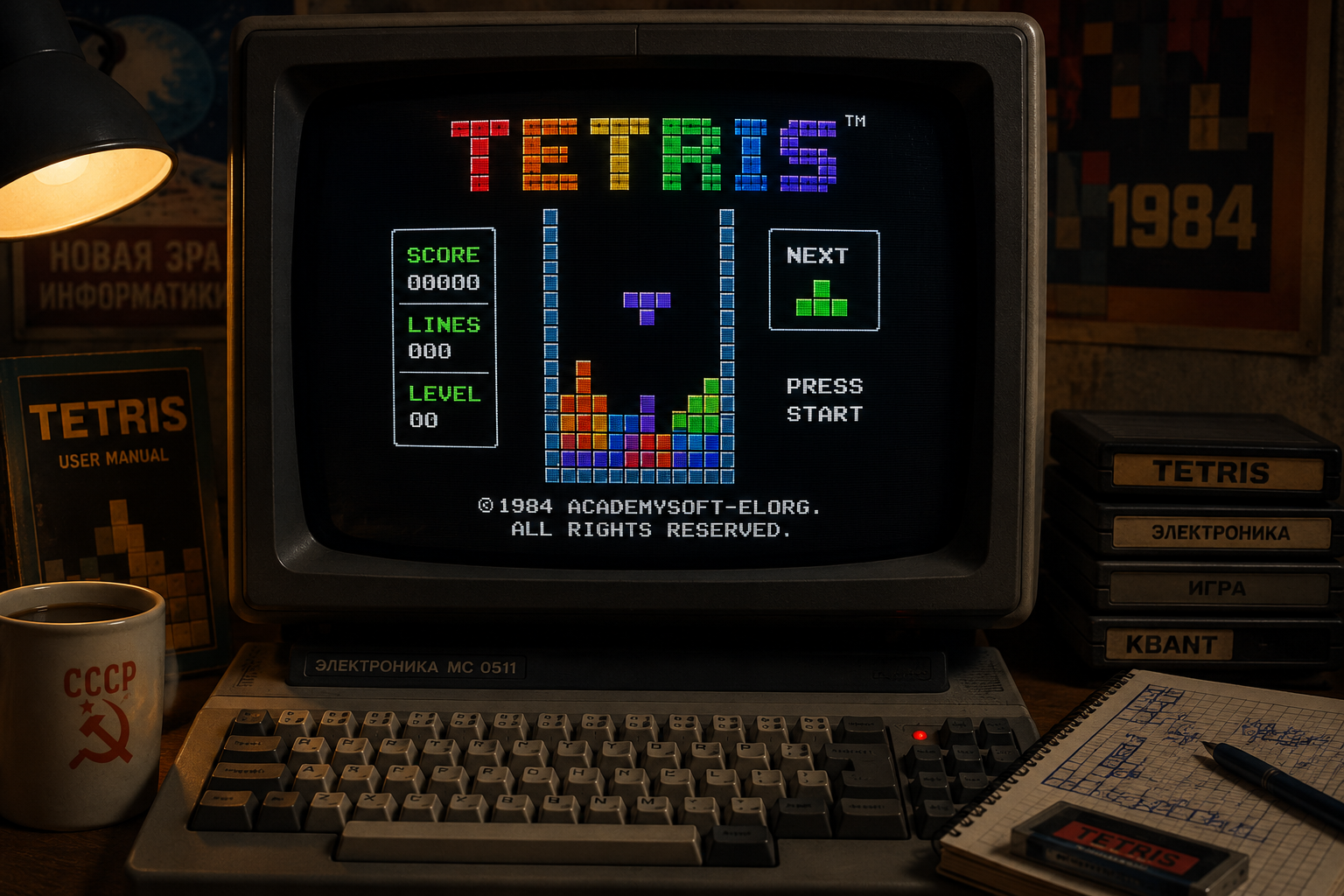

Fictional placeholder content