The Billion-Dollar Sports Gamble
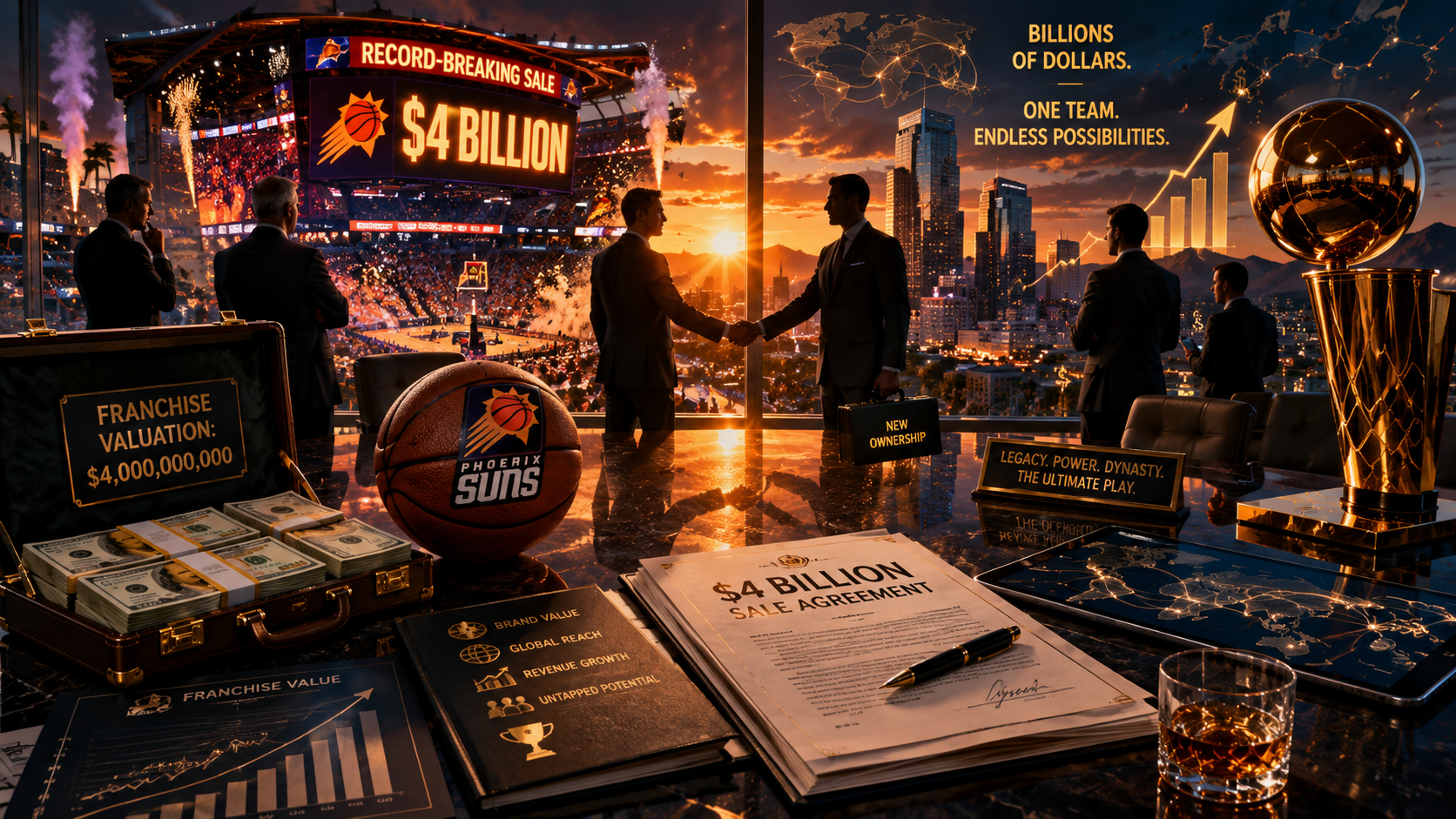
"Mat Ishbia's staggering $4 billion purchase of the Phoenix Suns left jaws dropping across boardrooms. What drives a man to place billions on something as capricious as a sports team?"
What Happened?
The sale of the Phoenix Suns for $4 billion to Mat Ishbia in 2023 shocked the sports world. This large-scale acquisition followed a burgeoning trend: sports teams as symbols of power and ambition. Yet behind these colossal price tags looms a complex landscape of negotiations, league regulations, and shifting liabilities. With few franchises available, the allure of owning a team is as much about personal legacy as it is about potential profit. The billionaire buyer isn’t just acquiring a team; they're buying into a cultural narrative that demands navigating a labyrinth of financial and reputational risks. The story of Ishbia’s purchase asks: how much is too much when passions and legacies are at stake?
Takeaway
The lesson this story keeps teaching
“When billionaires gamble on sports teams, they gamble on more than success; they risk legacies and trust, which can redefine entire industries.”
Why People Are Talking About This
The trend of billionaires buying sports teams reveals critical shifts in both cultural and economic power. These acquisitions are not mere transactions; they redefine communities and influence the future of sports as entertainment. Mat Ishbia's purchase of the Phoenix Suns exemplifies this phenomenon, highlighting how deep financial reserves and personal vision can reshape entire industries. By investing in cultural institutions, billionaires like Ishbia engage in a broader dialogue about identity, power, and legacy. As prices continue to escalate, these dynamics challenge traditional notions of ownership, creating a model where personal ambitions shape public experiences.
Thread Map
9 entities · 8 connections · Hover to explore, click to inspect
This is the connection map for this thread. Every node is a person, company, event, or idea. The red lines show how they connect. Hover a node to highlight its connections. Click a node to see why it matters to this story.
How We Got Here
Mat Ishbia Sends Shockwaves with Suns Acquisition
Mat Ishbia completed a jaw-dropping acquisition by purchasing the Phoenix Suns at a valuation of $4 billion. The move sent ripples through the sports industry, redefining what it means to invest in an NBA team.
Joe Tsai Takes Full Control of Brooklyn Nets
Joe Tsai accelerated his investment strategy, acquiring full ownership of the Brooklyn Nets for $2.35 billion. This decisive move positioned the Nets as a major asset in his portfolio, combining sports and cultural impact.
Donald Sterling's Controversial Exit from the Clippers
In a scandal that rocked the NBA, Donald Sterling was forced to sell the Los Angeles Clippers after making racist comments. The episode exemplified the precarious nature of holding an ownership in sports amid intense scrutiny.
Joe Tsai's Initial Stake in Brooklyn Nets
Joe Tsai acquired a 49% stake in the Brooklyn Nets, signaling his entrance into sports ownership. This initial investment laid the foundation for his future full takeover of the team.
Jerry Richardson's Sell-Off of the Carolina Panthers
Amid allegations of sexual misconduct, Jerry Richardson sold the Carolina Panthers. This pivotal moment highlighted the rapidly changing expectations and ethics surrounding sports team ownership.
Washington Commanders Command Record Sales Price
The Washington Commanders set a new record netting a sale of $6.05 billion. This eye-watering figure underscored the escalating value and allure of sports franchises.
Joe Tsai Further Invests in the Brooklyn Nets' Arena
Adding to his full acquisition of the Brooklyn Nets, Joe Tsai purchased the Barclays Center for approximately $1 billion, solidifying his commitment to the sports franchise.
Phoenix Suns Sale Begins with Glen Taylor
Glen Taylor initiated the sale of the Phoenix Suns, signaling the start of Mat Ishbia's interest and the start of an eventual record-breaking transaction for the NBA team.
Wait... Who Is This?
The evolution of sports team ownership began in the late 20th century, a moment of convergence where economic opportunity and globalized media breathed life into new business models. This paved the way for a modern marketplace where owning a team became synonymous with prestige and influence. Early proponents like Jerry Jones transformed franchises into profitable enterprises. With television rights emerging as lucrative revenue streams, team sales skyrocketed, fostering a field where owning a franchise elevated business elites to demi-god status. Yet the path to ownership remained fraught with regulatory hurdles and multifaceted market dynamics, often requiring a complex ballet of negotiations.
As the new millennium dawned, technology and media further skewed the dynamics. The transition redefined fan engagement with online platforms and digital streaming, creating another layer of complexity for potential buyers. The move from traditional to digital aimed to preserve the core of sports as a cultural institution while embracing new revenue outlets.
This narrative backdrop shaped owners' mindsets—sometimes aspiration-driven, sometimes mere fiscal strategy. Deals became more than monetary exchanges; they were bets on vision, calculated risks where success was never guaranteed. The stage was set for figures like Mat Ishbia to not only become owners but modern-day dynastic players.
Receipts
[PDF] Navigating The Purchase and Sale Of Sports Teams
So, You Want to Buy a Pro Sports Team? Here’s How | GQ
Sports Team Sales 2023: NFL, NBA, NWSL Set New Records
Lakers' $10 billion purchase tops record U.S. sports team sales - ESPN
ELI5: How can sports teams be bought and sold? - Reddit
Continue the Rabbit Hole
Each story explores the same idea from a different angle. Follow the connections and discover where the thread leads.






Fictional placeholder content