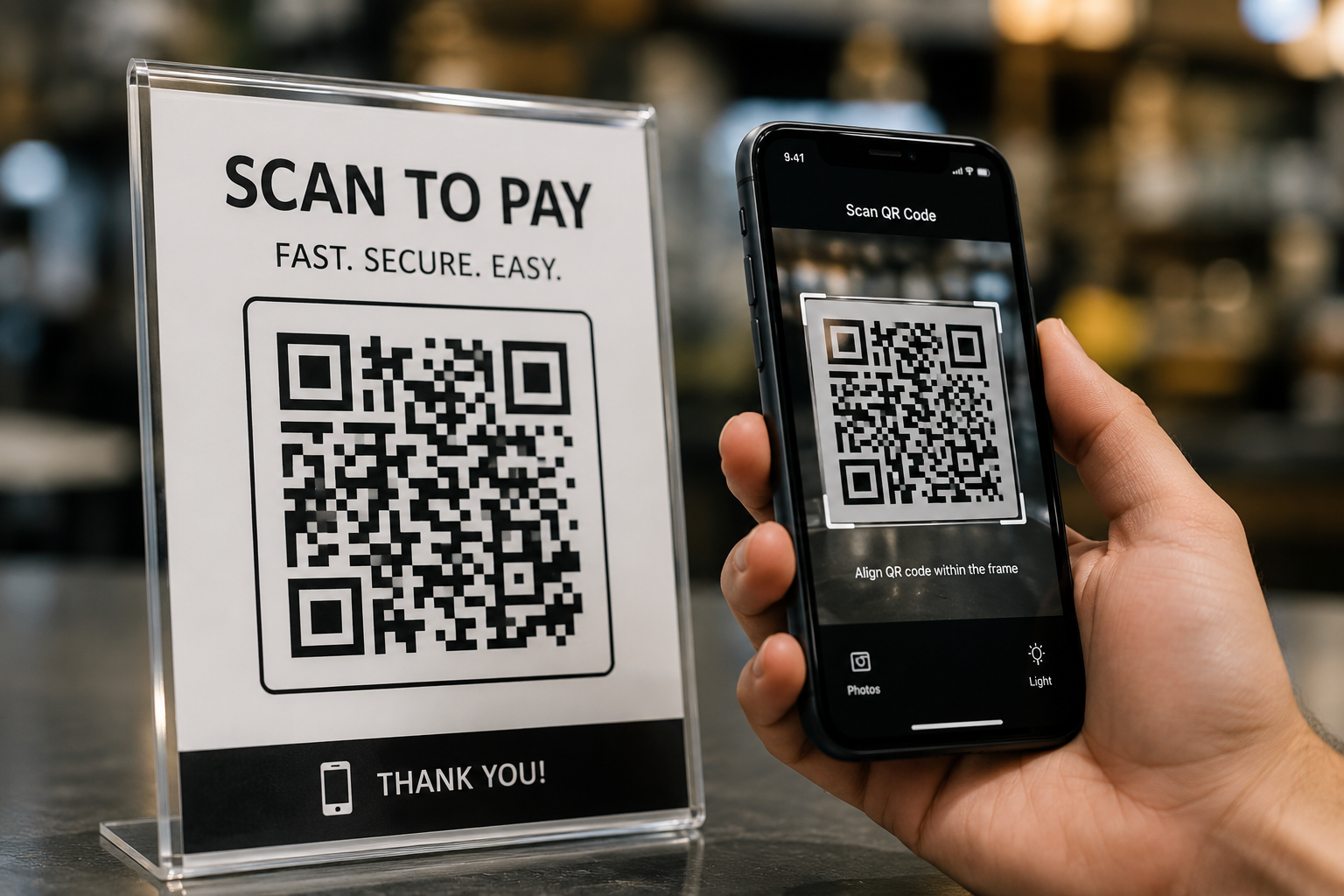
The QR Code Revolution
"In 1994, a Japanese engineer devised a simple square that would silently revolutionize communication. Today, that simple QR code is as essential as email."
What Happened?
It was the year 2017 when QR codes quietly slipped into mainstream acceptance with a simple tweak in technology. Two of the biggest players in the mobile industry, Apple and Google, had a revelation. Their iOS and Android systems integrated QR code scanning into their camera apps seamlessly. This wasn’t just a feature update. It was a paradigm shift that turned an often-overlooked technology on its head, unleashing it onto millions of devices worldwide.
The story began much earlier, though, in 1994, with Masahiro Hara working at Denso Wave. Hara and his team crafted the QR code from a necessity to track automobile parts more efficiently. The black-and-white squares, inspired by the strategic simplicity of a Go board, held promise far beyond factory floors. Yet, in a surprising twist, Denso Wave chose to make the QR code an open standard. Retaining the patent rights without enforcing them, they gifted the world a tool free from royalty constraints, inviting innovation and unfettered use.
As time marched on, the humble QR code found its way into unexpected niches. In the wake of a mad cow disease scare in 1996, British farmers adopted the technology for better traceability of produce, marking one of the first diverse uses outside Japan. Yet, it wasn’t until smartphones turned into portable scanners that the QR code truly saw global saturation. By 2024, China led the charge, with 67.4% of its population engaging in QR-driven transactions, reshaping the landscape of digital payments.
But every technological marvel bears its risks. The boom of QR codes brought along shadows—'Quishing' scams, where counterfeit codes deceive users into malware traps, emerged as a new frontier for cybercriminals. Despite these challenges, QR codes are everywhere, from restaurant menus to mobile payments, boundless and persistent in their reach.
Takeaway
The lesson this story keeps teaching
“A tiny invention became a global staple, showing that even small innovations can lead to drastic, unforeseen changes in daily life.”
Why People Are Talking About This
QR codes shifted from assembly line tools to critical touchpoints in our digital lives. Once implemented, businesses dropped once-essential barriers like menus or loyalty cards in favor of environmentally friendly, instantly updated digital interfaces. They illustrate how open, adaptable technology can redefine societal standards across mortgages, meals, and medicines.
These codes altered the landscape so fundamentally that not only did they change consumer behavior, but they sparked their own shadowy counterpart in the realm of cybersecurity, reshaping online safety narratives in the process.
Thread Map
10 entities · 9 connections · Hover to explore, click to inspect
This is the connection map for this thread. Every node is a person, company, event, or idea. The red lines show how they connect. Hover a node to highlight its connections. Click a node to see why it matters to this story.
How We Got Here
The QR Code is Born
Masahiro Hara creates the first QR code at Denso Wave to address data overwhelm in automotive manufacturing.
A Health Crisis Unveils Demand
The mad cow disease scare prompts a worldwide need for rapid data retrieval systems, setting the stage for QR's wider adoption.
Patent-Free Innovation
Denso Wave decides not to patent the QR code, encouraging global uptake without legal restriction.
Tech Giants Embrace the Code
Apple’s iOS 11 and Google’s Android 8.0 integrate QR code scanning natively, pushing the technology into mainstream usage.
Pandemic Reinforces Relevance
The COVID-19 pandemic drives a massive increase in QR code use for contactless services and payment systems.
China Dominates QR Code Usage
China becomes the global leader in QR code adoption, marking a peak in digital payment integration.
The Dark Side of Convenience
'Quishing' scams increase as hackers exploit the QR code's popularity for malicious purposes.
A Silent Revolution Complete
QR codes have become fully ingrained in global society, altering how humans interact with technology daily.
Wait... Who Is This?
In the early 1990s, Japan's industrial boom ushered in a demand for precision unlike anything ever seen. Factories hummed under the weight of new data demands, each line item requiring swift processing. The existing barcode standard, the UPC, was quickly reaching its limits.
Denso Wave, a subsidiary of Toyota, tasked themselves with confronting this challenge head-on. Embedded within it was Masahiro Hara, an engineer relentless in pursuit of a solution. He faced an industry seemingly fixated on linear codes, precisely limited in scope and size. Yet, this was not a man cornered by limitations but one who saw them as a canvas.
Hara devised a code—a series of black squares on a white background—designed to cradle information in a nest of pixels. What many might dismiss as a simple innovation soon intrigued industry eyes for its efficiency and elegance. Yet it would take decades and sudden global shifts for the QR code to escape the reaches of factory floors and ascend to stardom.
Little did Masahiro Hara know, his quiet contribution would irrevocably change how the world interacts, linking physical spaces with digital signals seamlessly.
Receipts
Same Pattern
Different story. Same lesson.
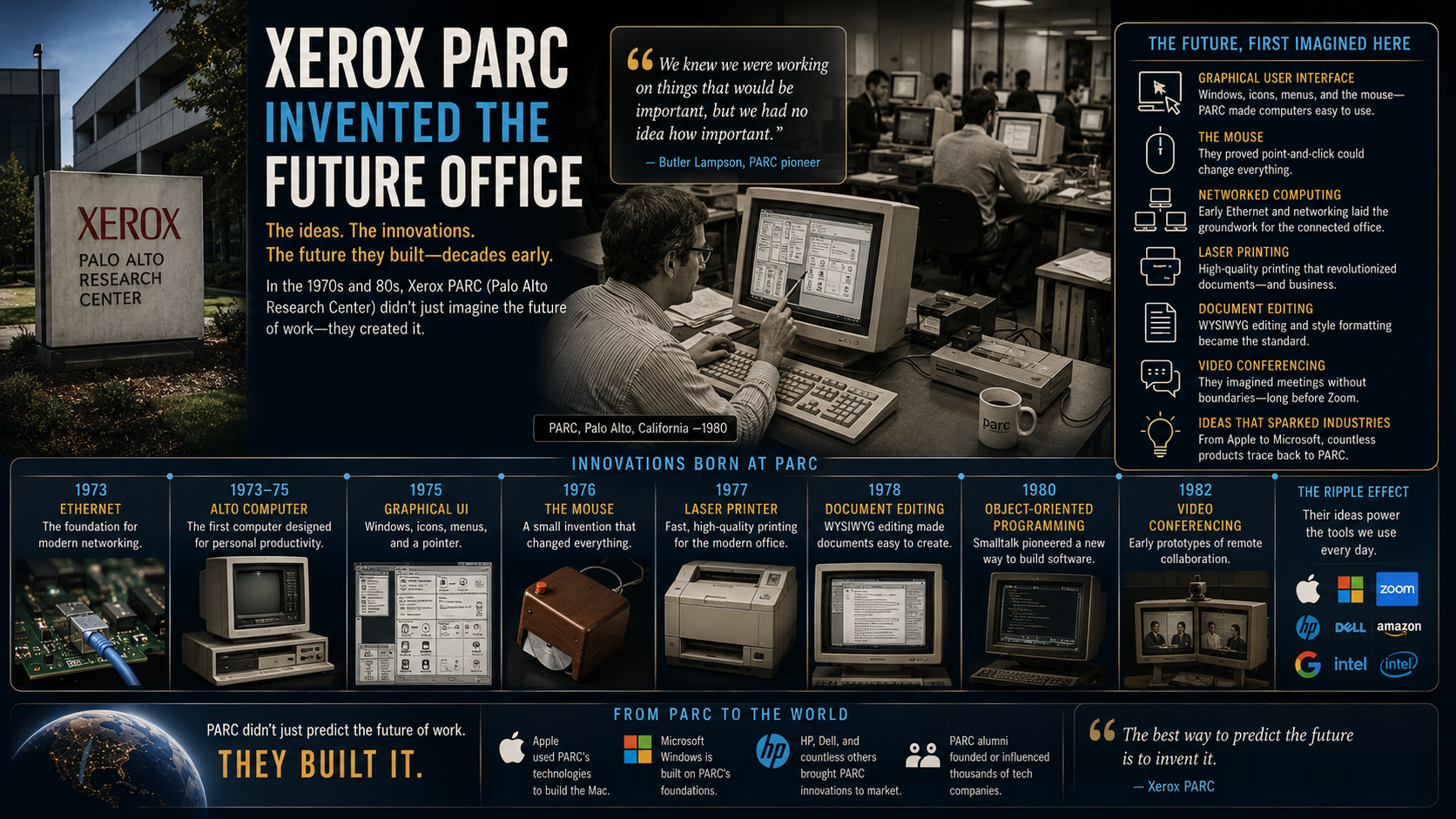
The Lab That Invented Tomorrow
In December 1979, Steve Jobs saw echoes of the future inside Xerox PARC's halls. There, in a secluded lab, lay the blueprint for the modern tech landscape.
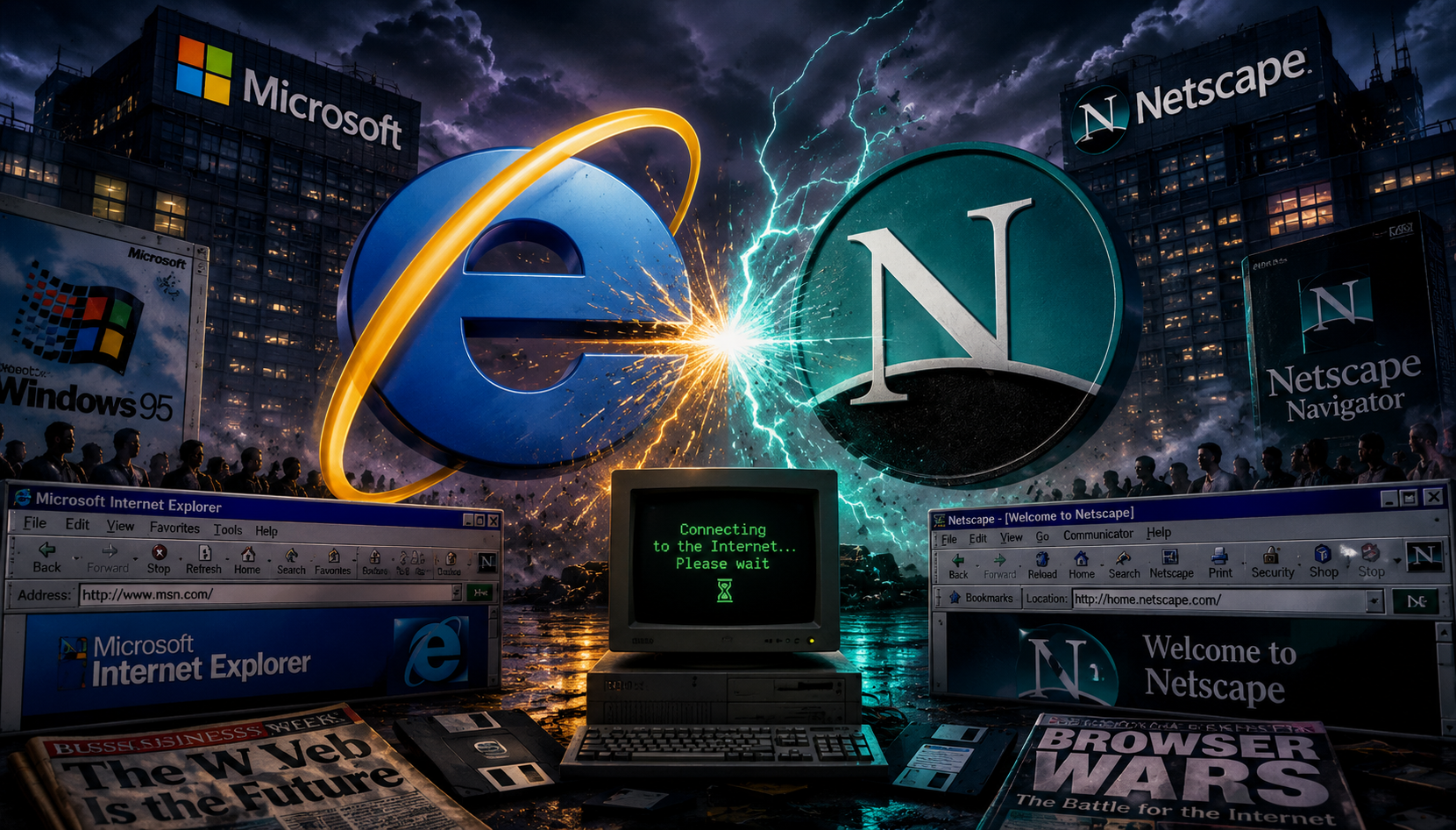
The Browser War That Built the Internet
In the mid-1990s, a software battle erupted that would shape how billions accessed information. Few could predict that the victor would soon face its own downfall.
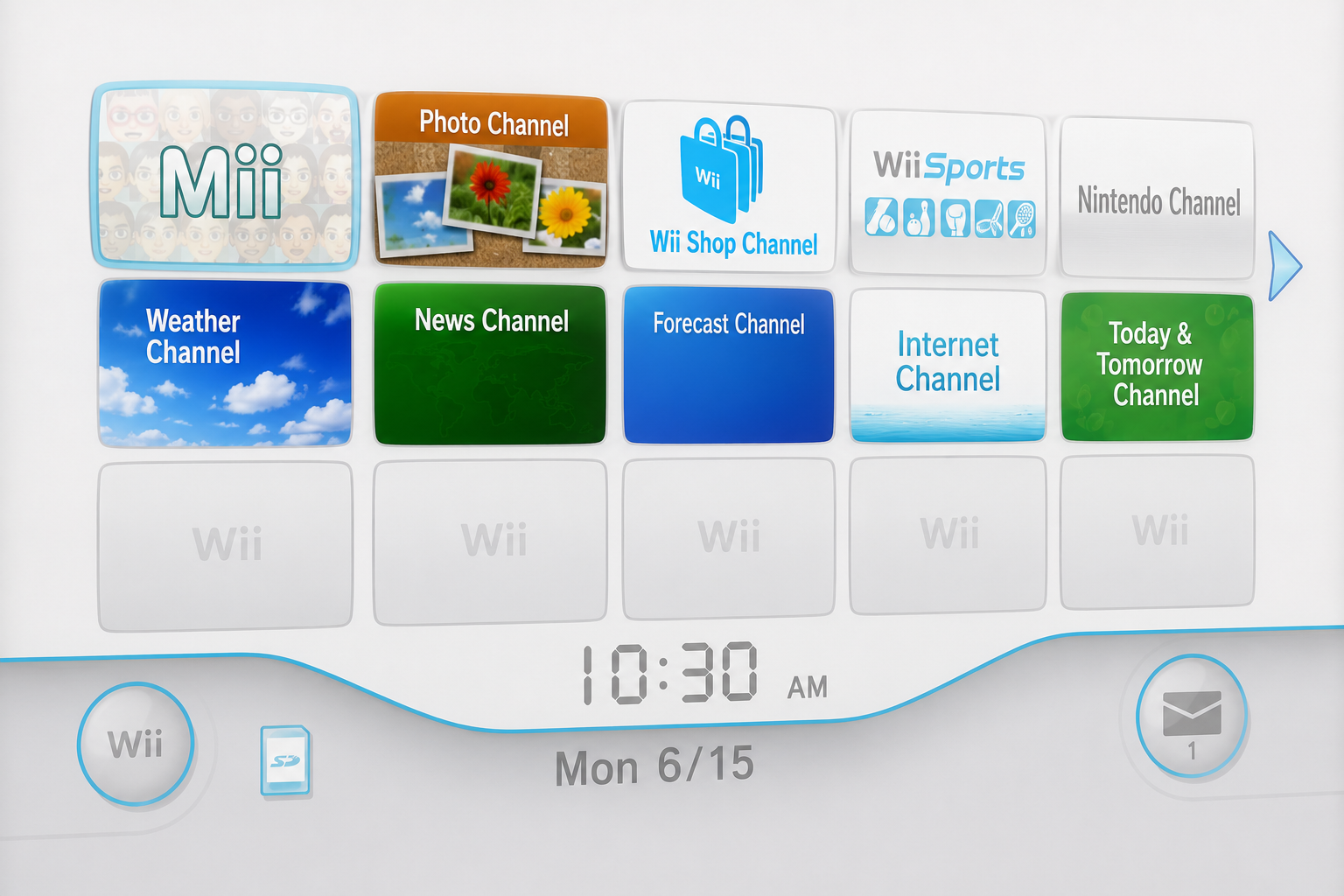
The Wii Gamble That Saved Nintendo
In a world obsessed with graphics and power, Nintendo bet on simplicity. The Wii was laughed at — until it wasn't.

The Chicken That Changed Retail
Costco's $4.99 rotisserie chicken isn't just a meal — it's a strategic masterpiece. The unexpected ripple effects changed retail forever.
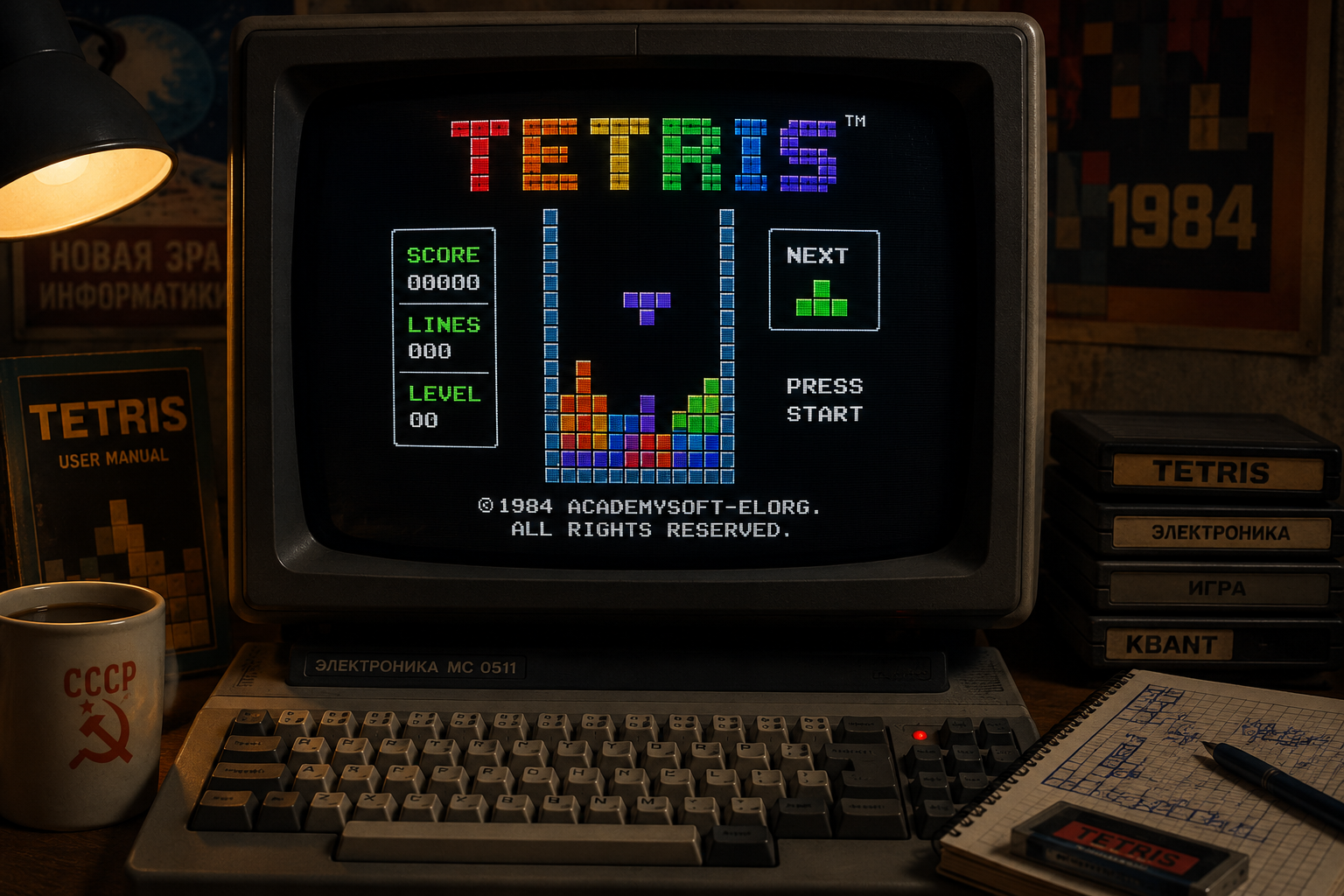
The Puzzle that Conquered the World
A Soviet engineer at his desk, unknowingly poised to create a legend. His creation? Tetris — a game that would break barriers and forever alter the gaming landscape.

Cracking the Cicada Code
In 2012, an enigmatic online puzzle appeared that promised enlightenment. But who was behind Cicada 3301?
Continue the Rabbit Hole
Each story explores the same idea from a different angle. Follow the connections and discover where the thread leads.


Fictional placeholder content