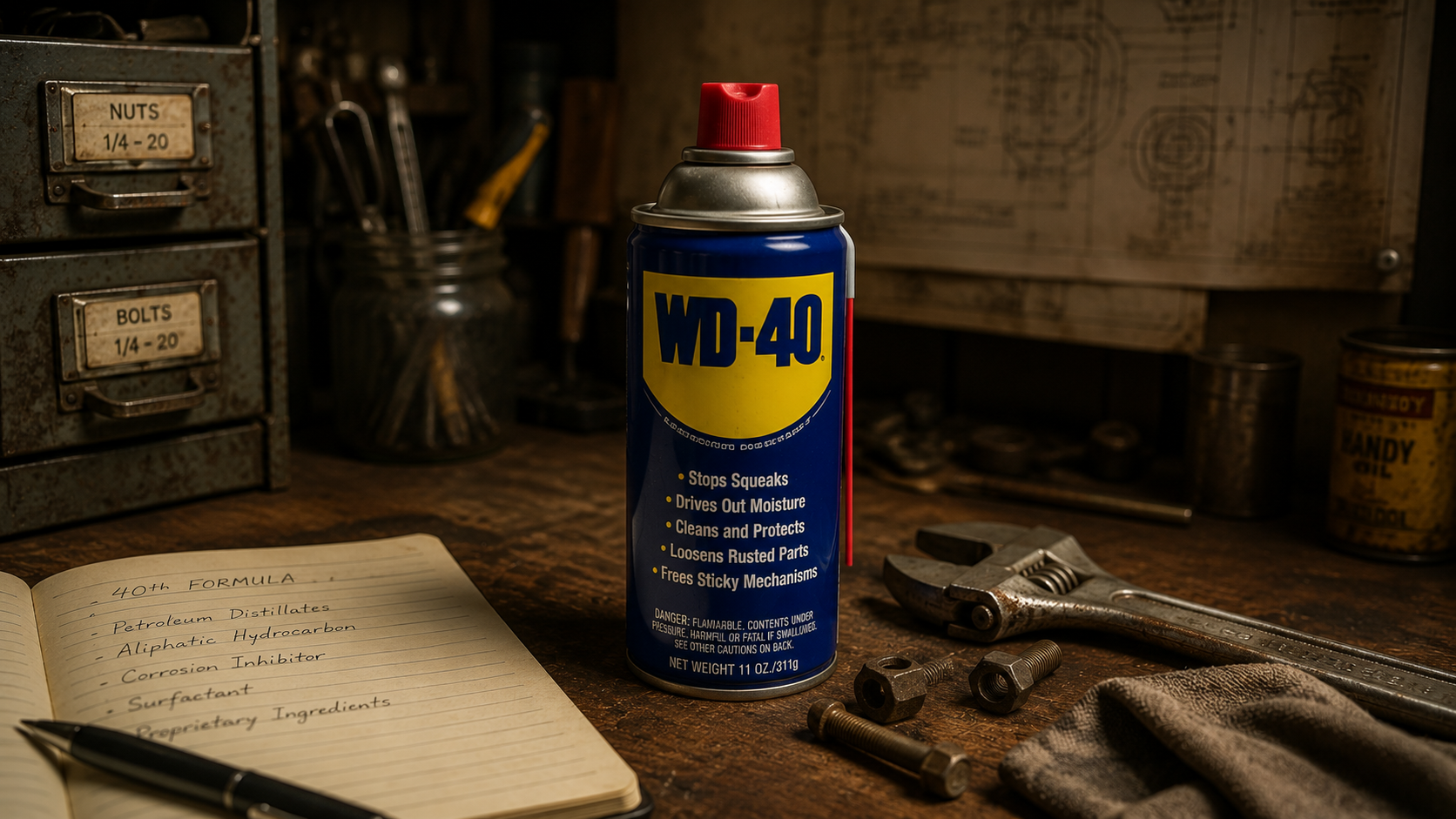
The Secret Formula Behind WD-40
"It's a mystery wrapped in tin-plated steel. For decades, people have speculated about WD-40's secret formula, rumored to be hidden in a bank vault."
What Happened?
The small lab in San Diego felt more like a battleground than a workplace in 1953. Three chemists huddled over their beakers, each attempt leaving them covered in frustration and the persistent smell of solvents. Their mission was deceptively simple: prevent rust on missile skins by displacing water. A task that seemed eternally elusive. Thirty-nine failures deep, their desperation manifested in improbable mixtures that only led to more failed experiments. The tension was palpable.
And then, attempt number forty happened. The mixture worked. WD-40 was born, the acronym standing for 'Water Displacement, 40th formula.' This formula achieved exactly what it promised, leaving behind a protective sheen, warding off rust on the missile's metal surface. The Rocket Chemical Company, unbeknownst to them then, had just forged a legend.
The formula's success was almost ironically kept secret by refusal. Rather than patenting it, which would have required public disclosure of its components, the company opted for secrecy. Storing the original formula copy in a secure San Diego vault, they protected it fiercely. For years, only one person knew each exact ingredient, a testament to its guarded nature.
What no one saw coming was WD-40's transformation from an aerospace utility to a household staple. In 1958, introduced in aerosol cans under Norman B. Larsen, its usability exploded. Suddenly, it was not just misfires and frozen bolts that needed it but squeaky doors and rusty bike chains. WD-40 became more than a product; it was a toolkit must-have. Its journey from science labs to households paints a vivid story, of innovation and persistent human pursuit, defining what it means to truly revolutionize by accident.
Takeaway
The lesson this story keeps teaching
“Secret recipes fiercely guarded can define a brand’s mystique and consumer fascination, often more compelling than the product itself.”
Why People Are Talking About This
WD-40's story remains a testament to the power of secrecy in branding. Its formula, guarded zealously, contributes to the company's enduring allure and consumer intrigue. Beyond practical use, it reveals how deeply we are drawn to the unknown, even in everyday products.
Thread Map
9 entities · 8 connections · Hover to explore, click to inspect
This is the connection map for this thread. Every node is a person, company, event, or idea. The red lines show how they connect. Hover a node to highlight its connections. Click a node to see why it matters to this story.
How We Got Here
Rocket Chemical Founded with a Mission
Rocket Chemical Company opened its doors, set on crafting cutting-edge solutions for aerospace challenges. It aimed to develop a water displacement formula, a task that would later culminate in WD-40.
The 40th Attempt Conquers Water Resistance
After 39 failed experiments, a breakthrough formula emerged to displace water, eventually known as WD-40, answering aerospace industry needs.
WD-40 Lands in Consumer Hands
Moving beyond aerospace, WD-40 debuted in aerosol cans, entering homes and hearts. It became indispensable to DIY enthusiasts and everyday users.
Leadership Expands Market Reach
Under Norman B. Larsen's vision, consumer markets blossomed as the product's non-industrial benefits garnered widespread attention.
Reborn as the WD-40 Company
In recognition of the product’s significance, Rocket Chemical Company rebranded to WD-40 Company, as its market supremacy grew.
Supporting Disaster Recovery Efforts
After the Space Shuttle Challenger disaster, WD-40 was utilized to preserve and protect artifacts, cementing its role in unexpected crises.
Hurricane Katrina’s Aftermath
WD-40 played a vital role in restoring water-damaged machinery post-Katrina, further testifying to its versatility.
Securing the Formula’s Future
The original WD-40 formula was secured in a San Diego bank vault, ensuring its secretive nature remains safeguarded for future generations.
Wait... Who Is This?
It was the early 1950s, a time defined by a spirit of innovation and fear of obsolescence. San Diego, amidst its bustling aerospace ventures, was home to Rocket Chemical Company, a small, ambitious company eager to make a mark. The company's path aligned perfectly with the post-war ambition of advancing technology, embarking on a task both daunting and promising.
Founded in 1953, they set out to solve a pressing problem faced by aerospace engineers: rust-proofing. It took 40 thorough trials to strike the perfect balance for a water displacement solution—hence the product's very name, WD-40.
Little did they know that this unassuming formula, developed for missile maintenance, would become a worldwide household name. But more than the product, it is the enigma surrounding its formulation that captivated minds. A consciously crafted shroud of mystery over its ingredients, elevated the brand into something both ordinary and extraordinary. This secret, locked away, soon fed into the public's insatiable curiosity, turning WD-40 from a practical tool into a cultural legend.
Receipts
WD-40 History | Learn the Stories Behind the WD-40 Brand
WD-40
How WD-40 Keeps Its Famous Secret Formula Protected
WD-40 History & Uses | What Is WD-40 and How It Works
7 Timeless Principles We Can Learn from WD-40
The Story Behind WD-40
Same Pattern
Different story. Same lesson.
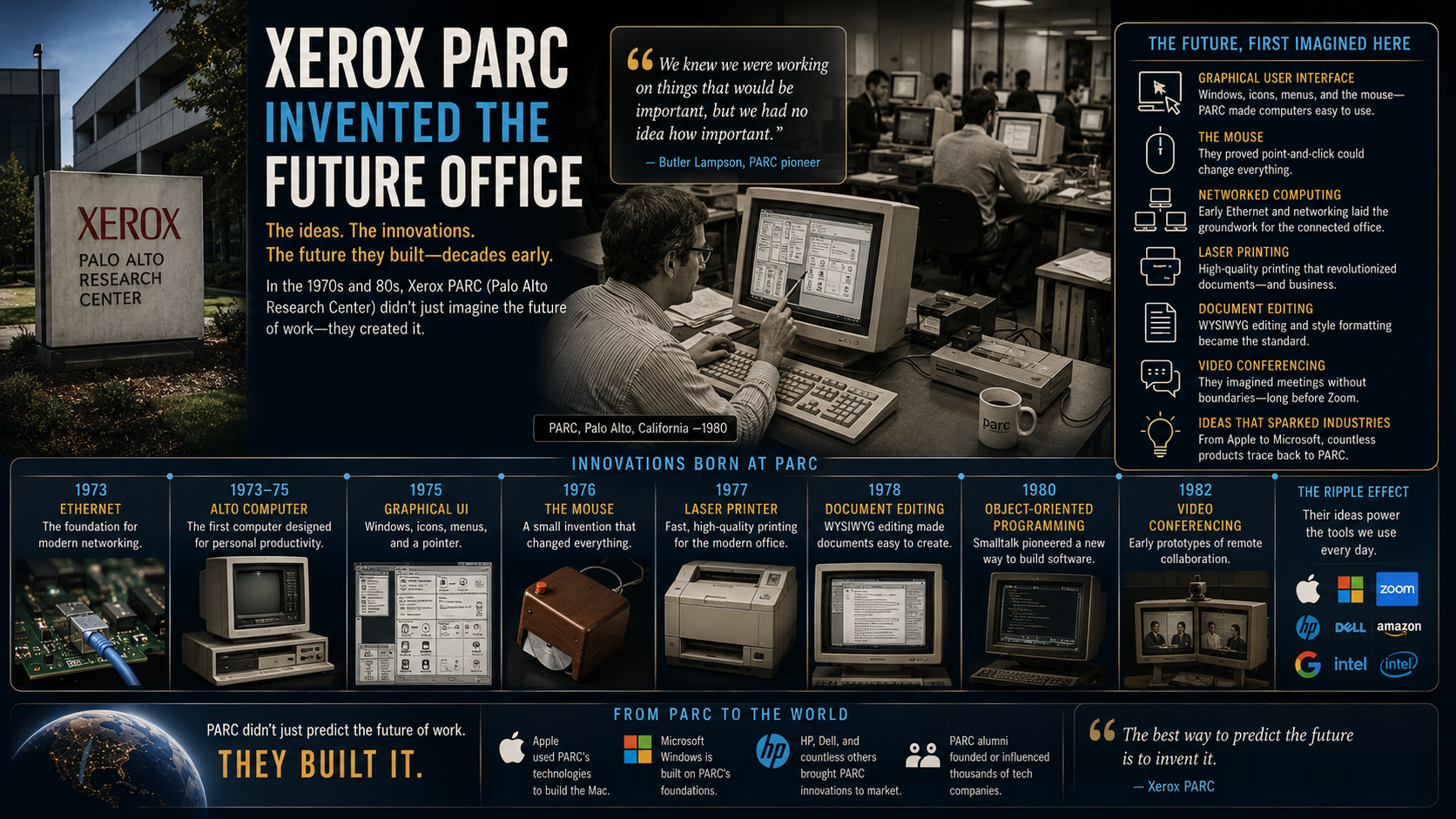
The Lab That Invented Tomorrow
In December 1979, Steve Jobs saw echoes of the future inside Xerox PARC's halls. There, in a secluded lab, lay the blueprint for the modern tech landscape.
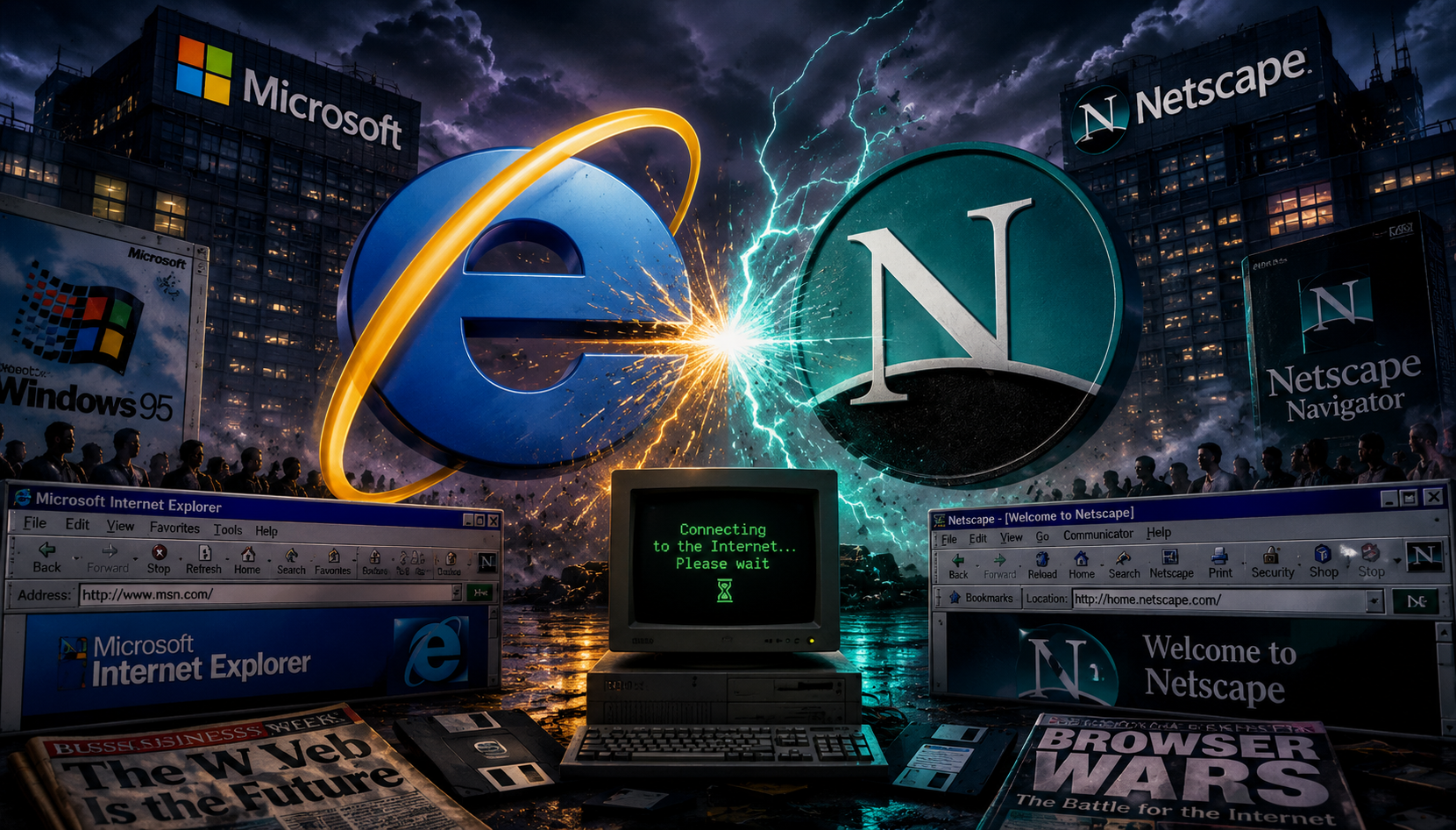
The Browser War That Built the Internet
In the mid-1990s, a software battle erupted that would shape how billions accessed information. Few could predict that the victor would soon face its own downfall.

The Wii Gamble That Saved Nintendo
In a world obsessed with graphics and power, Nintendo bet on simplicity. The Wii was laughed at — until it wasn't.
Pixar's Radical Feedback Loop
In a stark, unadorned room, some of the most powerful voices in animation face off with ruthless honesty. Their weapons? Brutal feedback that molds raw ideas into cinematic gold.

The Chicken That Changed Retail
Costco's $4.99 rotisserie chicken isn't just a meal — it's a strategic masterpiece. The unexpected ripple effects changed retail forever.

Minority Report's Prescient Touchscreen Reality
In 2002, Hollywood imagined a future of seamless touchscreen interfaces. Today, Steven Spielberg's vision feels eerily prescient as technology catches up.
Continue the Rabbit Hole
Each story explores the same idea from a different angle. Follow the connections and discover where the thread leads.

Fictional placeholder content