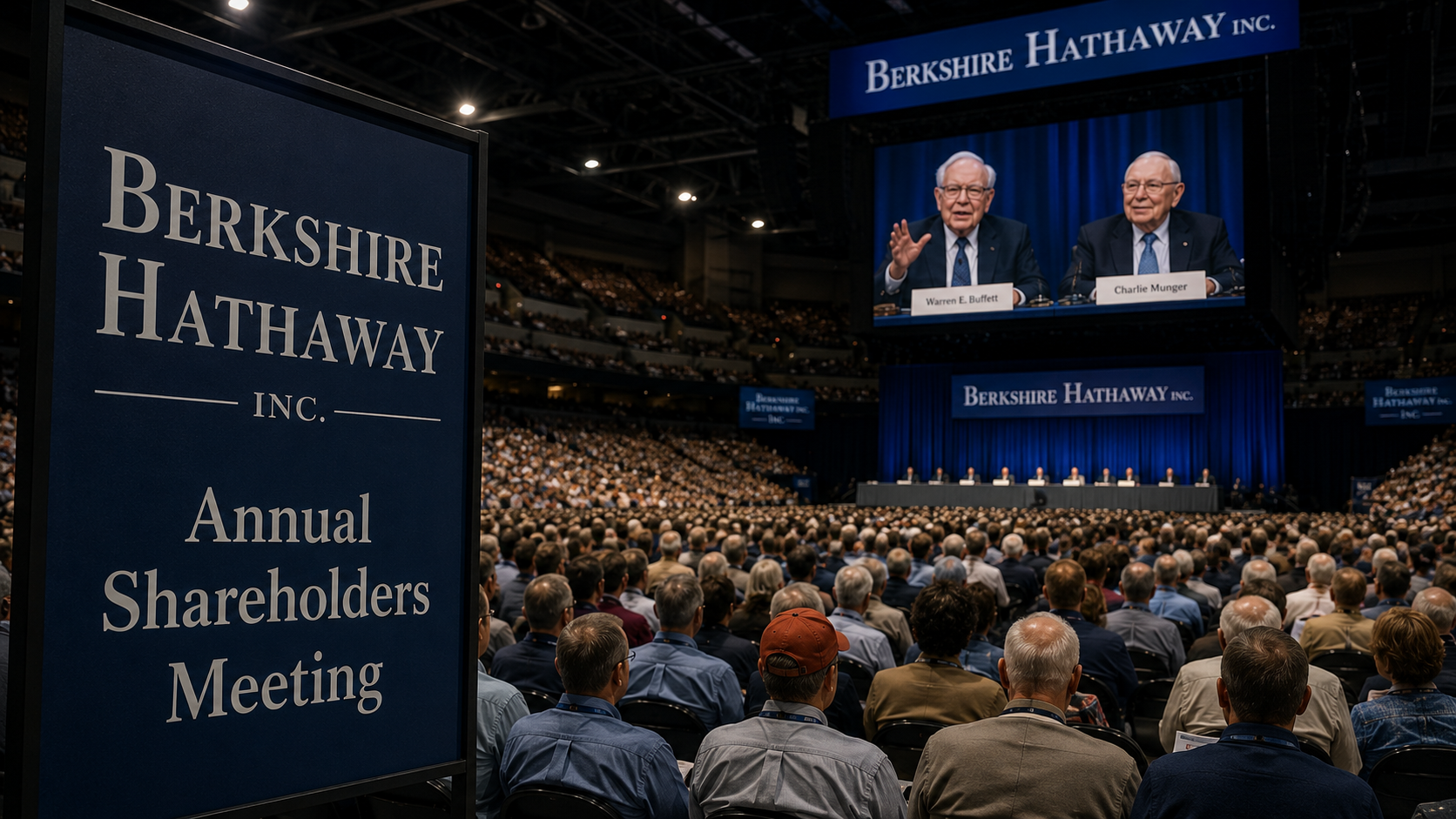
The Secret Spectacle of Berkshire Hathaway
"In a dimly lit break room of an insurance company, Warren Buffett held court over what would become a corporate spectacle. Would anyone have predicted the cultural rite it later became?"
What Happened?
The small room was stifling, filled with the scent of coffee and anticipation. Warren Buffett, a name not yet synonymous with financial wizardry, stood before a dozen or so attendees in 1965. It was the first Berkshire Hathaway annual meeting under his control, and the beginning of an era that would see this humble gathering grow into the “Woodstock for Capitalists,” drawing over 40,000 people worldwide to Omaha every year.
Originally convened in the employee break room of a Berkshire-owned insurance company, these meetings would traverse venues like the Red Lion Hotel and the Joslyn Art Museum before landing at the sprawling CHI Health Center. What started as a modest affair soon morphed into a phenomenon, with a five-hour question-and-answer session led by Buffett and his late partner, Charlie Munger, becoming the main attraction. Investors and fans alike clamored for seats, hanging onto every word as Buffett dispensed wisdom that transcended finance.
The annual pilgrimage to Omaha is not just about numbers or dividends but about the camaraderie of those who see more than just the bottom line. Here, value investing becomes almost a doctrine, and decisions made echo not only in balance sheets but in life philosophies. When Greg Abel took the reins as CEO in 2026, the shift felt seismic yet seamless—illustrating yet again the meticulous planning Buffett is known for.
The meeting isn’t just a showcase of financial success; it’s a testament to the allure of thoughtful, long-term investment. From a room in Omaha to arenas that could fit small cities, these meetings symbolize Buffett’s ethos: patience, pragmatism, and possibility. A corporate meeting that feels like a rock concert—who could have foreseen it back in 1965? But that's the magic of Buffett. He saw the world not just as it was but as it could be.
Takeaway
The lesson this story keeps teaching
“The public narrative can outgrow the reality, transforming even drab corporate events into cultural legends.”
Why People Are Talking About This
The Berkshire Hathaway meetings reveal how consumer perceptions can entirely reshape corporate events. Where once sat mere investor briefings, now thrives a spectacle shrouded in almost mystical devotion. This speaks volumes about the power of narrative in forging connections.
They illustrate the unyielding impact public storytelling has on personal and corporate legacies, reminding us that myths can drive more engagement than sheer data and profit. This phenomenon provides a prototype of how to maintain community ties in corporate cultures far beyond Omaha's borders.
Thread Map
9 entities · 8 connections · Hover to explore, click to inspect
This is the connection map for this thread. Every node is a person, company, event, or idea. The red lines show how they connect. Hover a node to highlight its connections. Click a node to see why it matters to this story.
How We Got Here
The First Gathering Takes Place
In an Omaha break room, Warren Buffett holds the first Berkshire Hathaway annual meeting. Few knew they were in the midst of what was to become a cultural phenomenon.
Berkshire Meetings Grow in Size
As interest burgeons around Warren Buffett, meetings move to an employee cafeteria to house expanding attendance. The shift marks the beginning of larger gatherings.
Red Lion Hotel Hosts the Meeting
Needing more space, the Berkshire meeting transitions to the Red Lion Hotel, accommodating increasing numbers of devoted followers.
A Venue Shift to Joslyn Art Museum
With attendance soaring, the meetings move to the Joslyn Art Museum, reflecting the gatherings' burgeoning cultural importance.
The Orpheum Theatre Stage
The iconic Orpheum Theatre becomes the new venue for the spectacle, illustrating the shift from a small gathering to a major cultural event.
David Sokol's Scandal Rocks Berkshire
David Sokol's involvement in an insider trading controversy concerning Lubrizol casts a shadow over the meetings, challenging Berkshire's reputation.
Buffett and Munger Take Center Stage
During the annual meeting, Buffett and Munger hold an extended Q&A session, captivating the crowd with their candid insights. Their interaction solidifies the allure of the event.
Greg Abel's Leadership Inaugurates a New Era
Greg Abel opens his first annual meeting as CEO, marking a significant transition in Berkshire's storied history, ensuring continuity while pointing to new directions.
Wait... Who Is This?
For years, Berkshire Hathaway was just another struggling textile company, until it caught the eye of Warren Buffett, an ambitious young investor who saw potential where others saw decay. Transforming it from a bygone industrial relic into a financial powerhouse, Warren Buffett, alongside Charlie Munger, revolutionized not just the company but the way the business world viewed shareholder meetings.
The pair tapped into a broader desire for understanding the secrets of financial success, where the elite mingled freely but shared insights openly. The aura of humility behind Buffett's humor belied an underlying shrewdness, attracting acolytes and investors. But what really ensnared them was the powerful story woven over decades—an annual pilgrimage where the ordinary became extraordinary.
These gatherings were more than fiscal updates; they became something altogether different. They morphed into a spectacle of community, wisdom-sharing, and myth-making, a reflection of an industry not just surviving but thriving on the back of storytelling as much as its balance sheets.
Receipts
Berkshire Hathaway Annual Meeting
The History Of The Berkshire Hathaway Annual Meeting - Forbes
Know the Berkshire Hathaway Annual Meeting Guide - Good Investing
You Are Not Alone: The Berkshire Hathaway Annual Meeting – Jason Zweig
Berkshire Hathaway shareholders fill an Omaha arena for annual meeting | AP News
Key Takeaways From Berkshire Hathaway's Annual Meeting - Forbes
Berkshire Hathaway accuses former executive prior to annual meeting | Nebraska Public Media
Same Pattern
Different story. Same lesson.
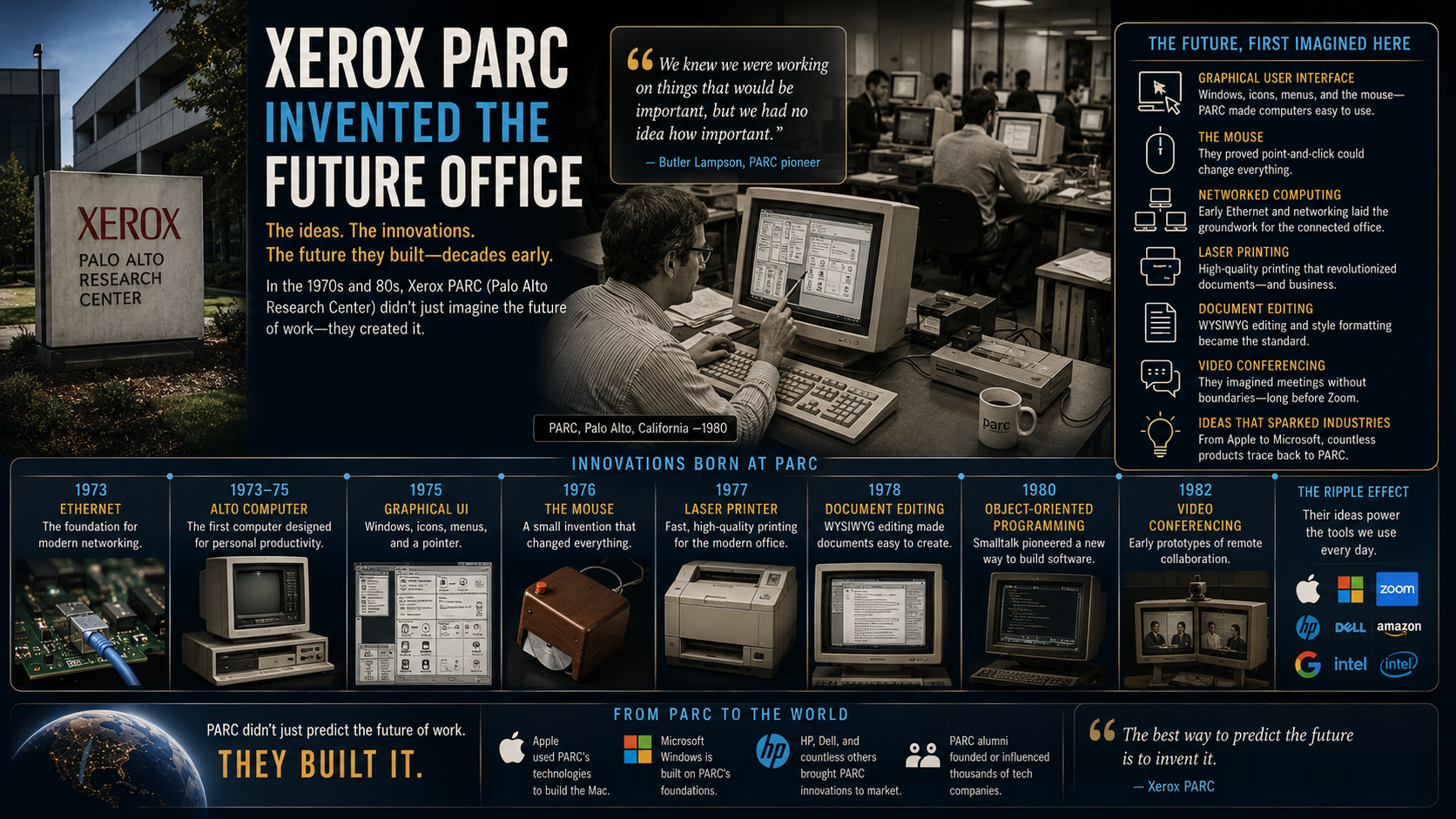
The Lab That Invented Tomorrow
In December 1979, Steve Jobs saw echoes of the future inside Xerox PARC's halls. There, in a secluded lab, lay the blueprint for the modern tech landscape.
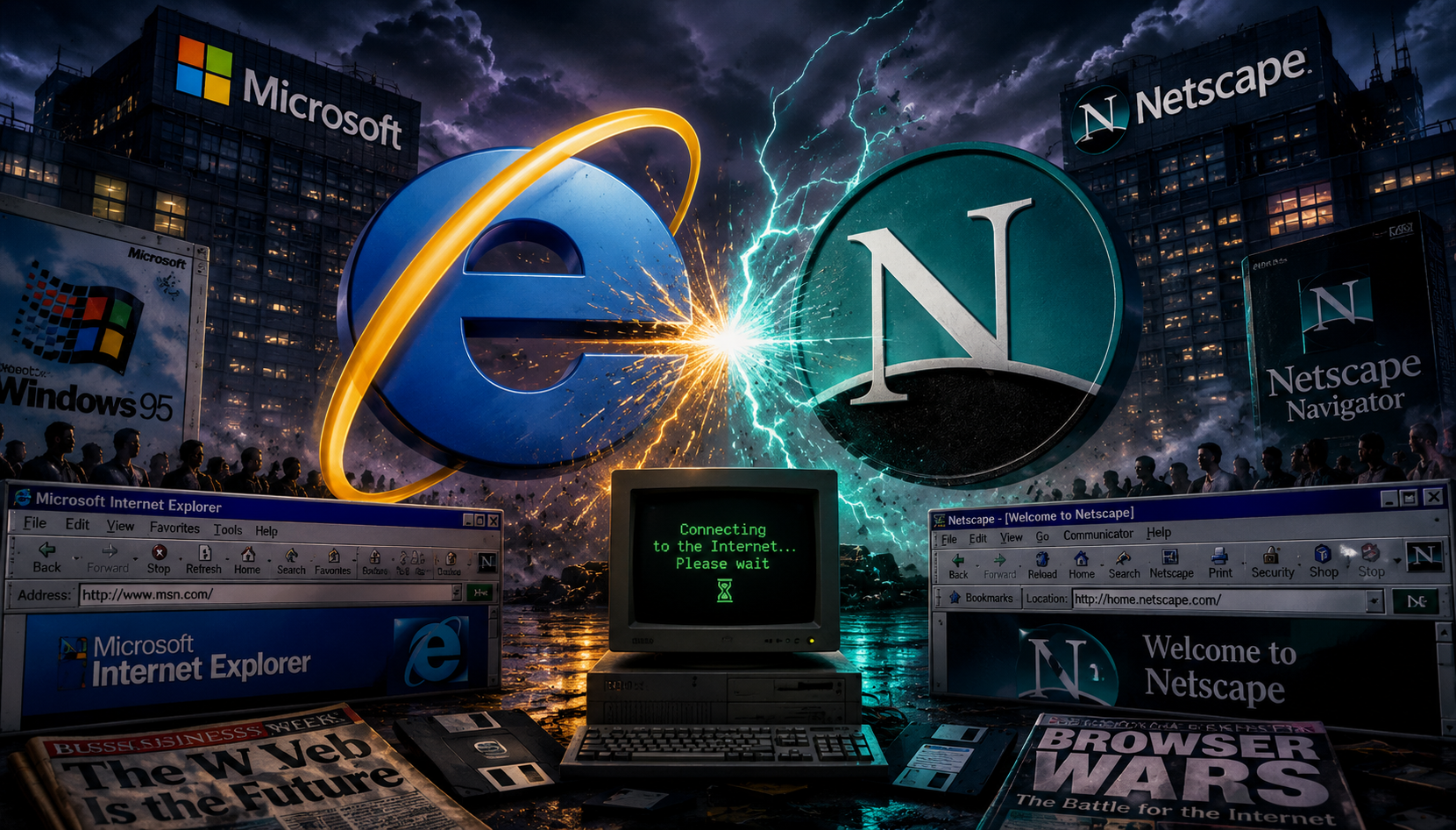
The Browser War That Built the Internet
In the mid-1990s, a software battle erupted that would shape how billions accessed information. Few could predict that the victor would soon face its own downfall.
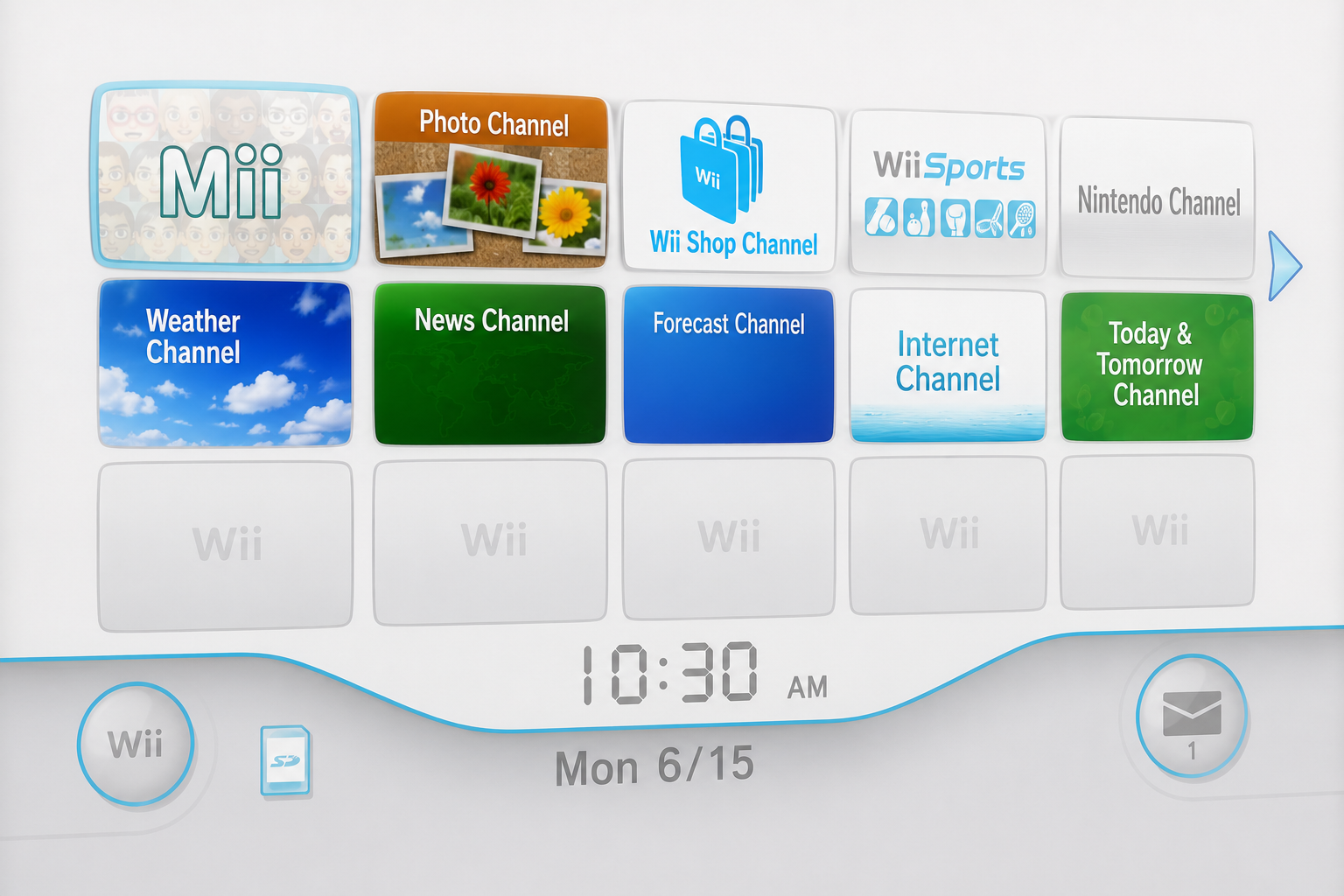
The Wii Gamble That Saved Nintendo
In a world obsessed with graphics and power, Nintendo bet on simplicity. The Wii was laughed at — until it wasn't.
Pixar's Radical Feedback Loop
In a stark, unadorned room, some of the most powerful voices in animation face off with ruthless honesty. Their weapons? Brutal feedback that molds raw ideas into cinematic gold.
The Chicken That Changed Retail
Costco's $4.99 rotisserie chicken isn't just a meal — it's a strategic masterpiece. The unexpected ripple effects changed retail forever.
Minority Report's Prescient Touchscreen Reality
In 2002, Hollywood imagined a future of seamless touchscreen interfaces. Today, Steven Spielberg's vision feels eerily prescient as technology catches up.
Continue the Rabbit Hole
Each story explores the same idea from a different angle. Follow the connections and discover where the thread leads.
Fictional placeholder content