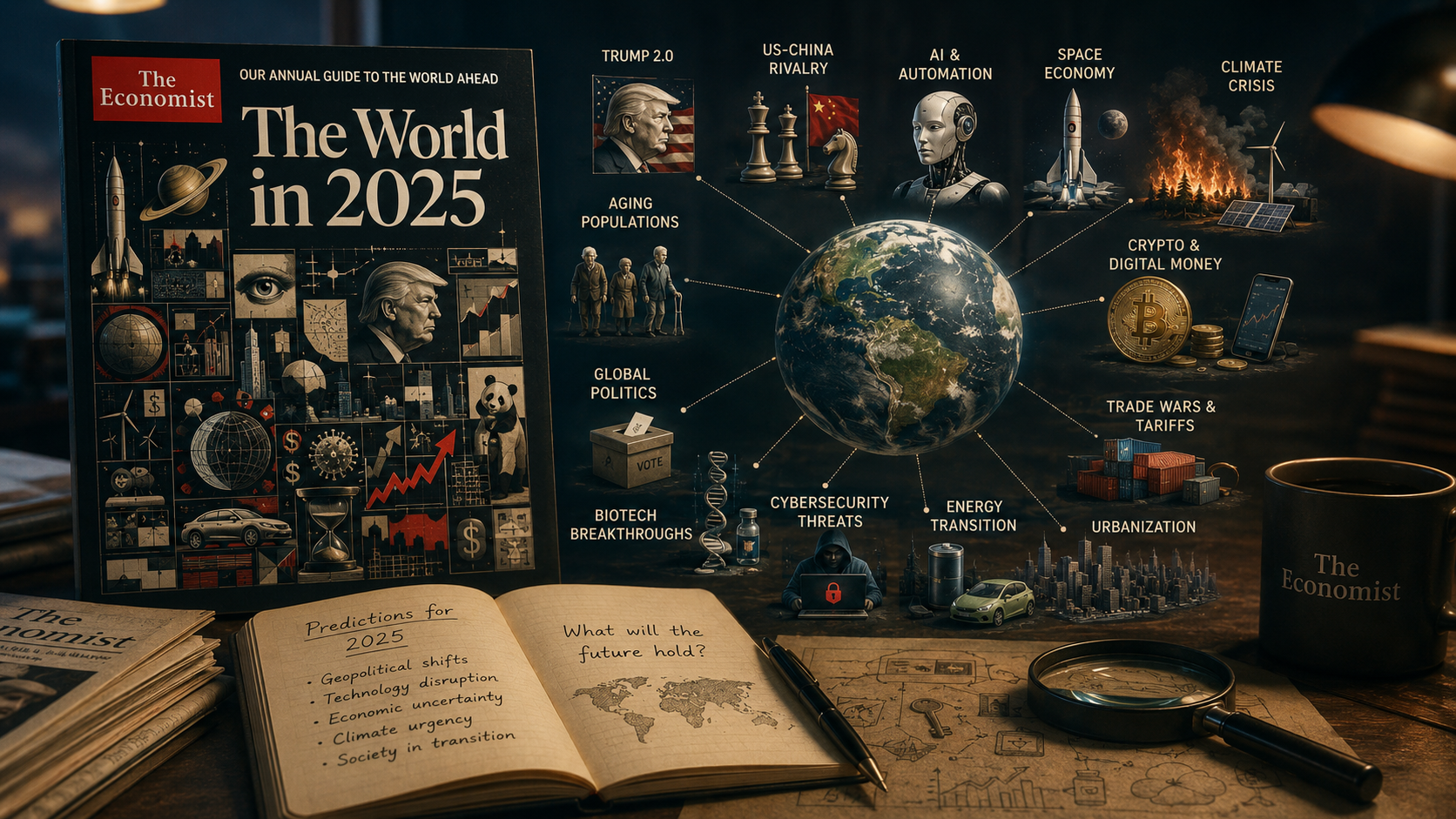
The Economist's Cover Curse
"When The Economist releases its annual 'The World Ahead' cover, it's not just a prediction—it's a prophecy that seems cursed. What happens when the narrative outpaces reality?"
What Happened?
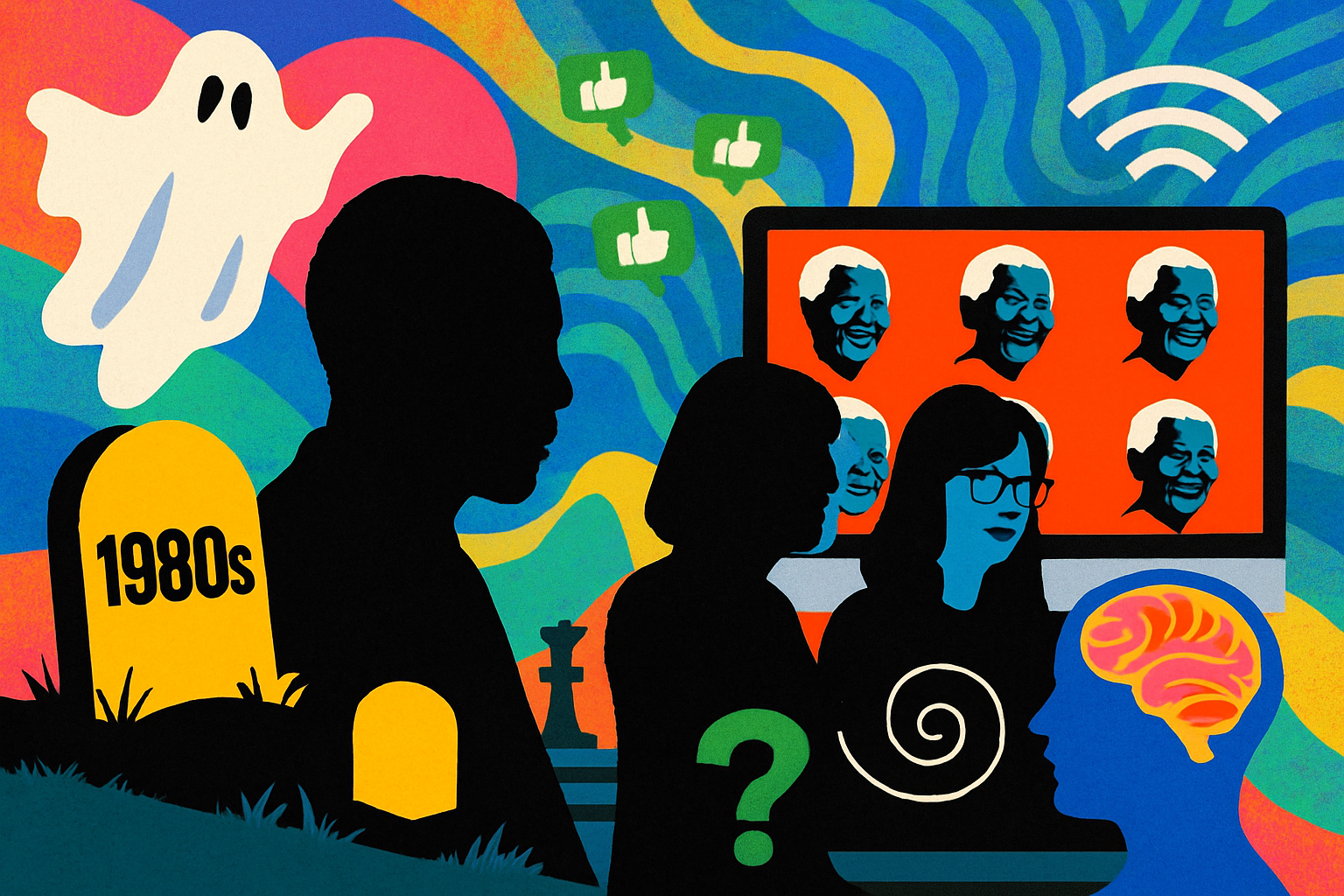
Amidst the swirl of colorful symbols and enigmatic images, the cover of The Economist’s “The World Ahead 2026” evokes both fascination and foreboding. This annual ritual, which began in 1986, has become a forecasting spectacle as much as a magazine cover. But this is not just about predicting the next twelve months; it’s a vivid tapestry depicting the collective anxieties and aspirations of the year to come.
The cover artwork is more than an artistic flourish; it is a coded map of geopolitical tremors and economic shifts. In 2026, readers find themselves deciphering iconography laden with warnings of unstable economies, the perils of technology, and shifting alliances. Rich countries, the cover suggests, may face new reckonings, eluding fiscal constraints no longer. The artwork points to debt becoming a central theme again—a visual reminder that markets are less forgiving than once hoped.
Andrew Rae, known for his thought-provoking illustrations, crafted this year's cover, while Elizabeth Delphin art-directed its intricate layers into something unexpectedly mesmerizing yet disturbingly real. Their work transforms abstract headlines into a narrative one can almost touch. This edition marks the 40th anniversary of the “World Ahead” series, yet each cover seems to bear more weight than its predecessors. It’s a peculiar dance between art and augury.
Through the years, the covers have sparked debates and conspiracy theories alike. Some see them as playful prophecy; others, as grim forecasts shaping the psyche of decision-makers worldwide. However, it is not just the enigmatic symbols that draw us in. It is what these covers leave unsaid that keeps us returning: the fears we project onto the future, and the futures we dare not imagine. This is not just a glimpse into tomorrow but a mirror reflecting today’s greatest challenges and ambitions.
Takeaway
The lesson this story keeps teaching
“The power of prediction lies in perception—and sometimes that perception reshapes reality.”
Why People Are Talking About This
The Economist's covers hold sway in the global narrative arena. They don't merely predict—they influence policy, economic outlooks, and market reactions, revealing the power of media in shaping public discourse. This peculiarity exposes the fallibility of foresight and the enduring allure and danger of grand narratives, forcing society to reckon with how much faith it invests in the stories it tells itself.
Thread Map
5 entities · 4 connections · Hover to explore, click to inspect
This is the connection map for this thread. Every node is a person, company, event, or idea. The red lines show how they connect. Hover a node to highlight its connections. Click a node to see why it matters to this story.
How We Got Here
A Visionary Begins
James Wilson, a Scottish economist, founds The Economist, advocating for free trade and reshaping political economy. Little did he know, his publication would influence economic thought globally.
The First Glimpse Ahead
The Economist publishes its first 'The World Ahead' edition, setting a precedent in future-gazing journalism. It establishes a tradition of yearly global predictions and discourse.
The Year of Global Contradiction
The Economist predicts a secure global economy just as nationalist and protectionist sentiments rise, causing a stark divergence between its forecast and unfolding realities.
The Artistic Future
Andrew Rae completes the artwork for 'The World Ahead 2026', adding another layer to The Economist's illustrious predictions—and, possibly, its next unforeseen curse.
The Future on Display
The World Ahead 2026 edition hits the stands, a collage of vivid illustrations predicting future events, under the direction of Elizabeth Delphin.
Wait... Who Is This?
Long before anyone recognized 'The Cover Curse', The Economist was already a legendary institution, shaping global economic discourse since its inception in 1843. Founding editor James Wilson saw it as a torchbearer for free trade and political economy. By 1986, The Economist expanded its reach with 'The World Ahead', an ambitious venture into futures journalism. But predictions, as enticing as they may be, seldom mirror reality. Take the 2017 issue, an illustration heralding flourishing globalization, which was soon upended by a wave of nationalism and protectionism. This contradiction instigated the lore of a 'curse'—a tongue-in-cheek nod to the magazine's boldness meeting the unpredictability of real-world dynamics. And it’s in this uncanny pattern of misses and close calls that the real story lies: how a magazine's assertive narratives can sometimes belied by the turbulent shifts of an uncontrollable world.
Receipts
The Economist - The World Ahead 2026 Magazine Cover ...
The Economist Group - The Economist launches The World Ahead 2025–forecasting a year of uncertainty and instability with Trump upending global trade, economics and geopolitics
Very pleased to have worked on the cover of The World ...
A look back over the first 40 years of The World Ahead
The World Ahead 2026 from The Economist
Same Pattern
Different story. Same lesson.
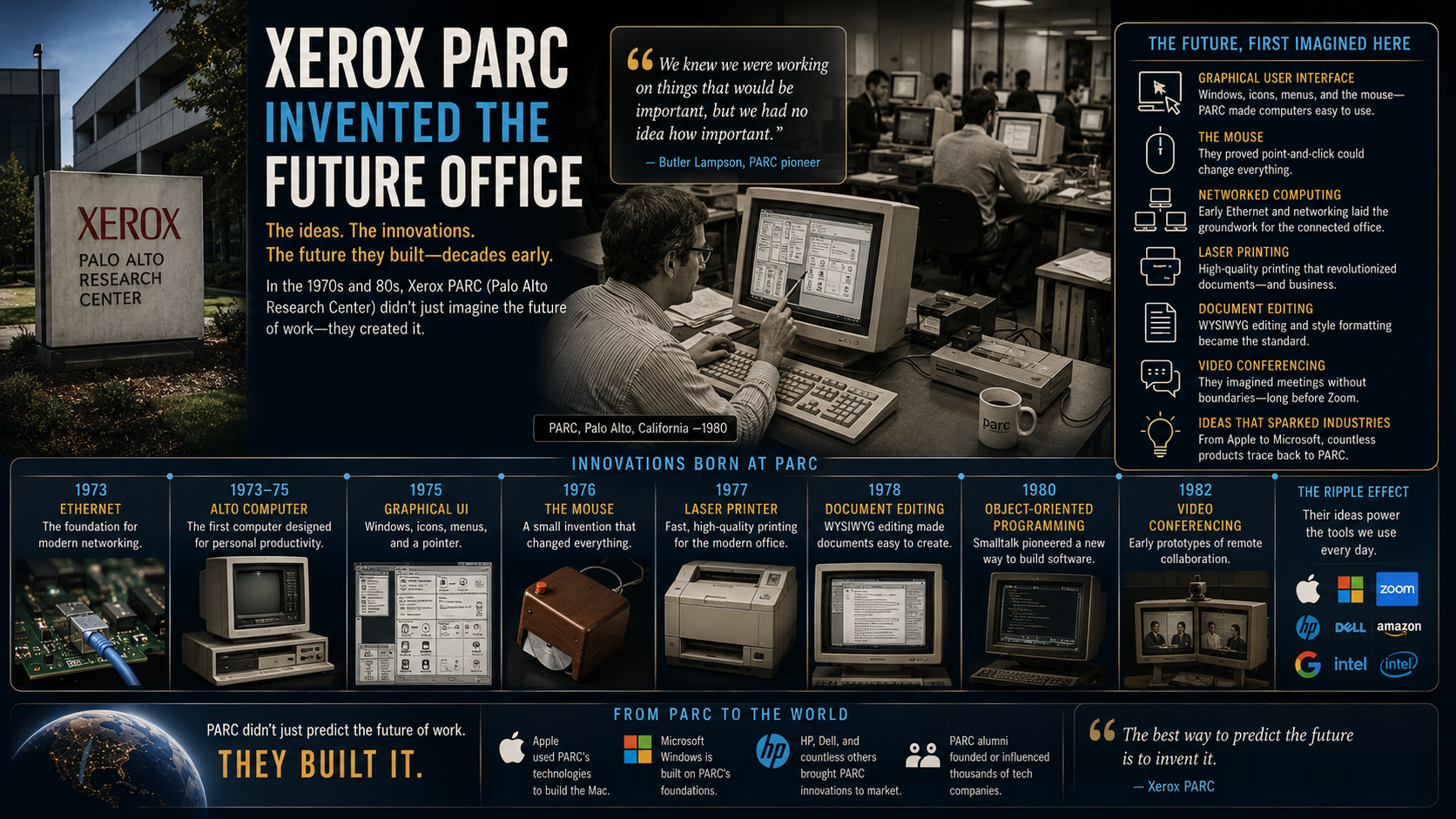
The Lab That Invented Tomorrow
In December 1979, Steve Jobs saw echoes of the future inside Xerox PARC's halls. There, in a secluded lab, lay the blueprint for the modern tech landscape.
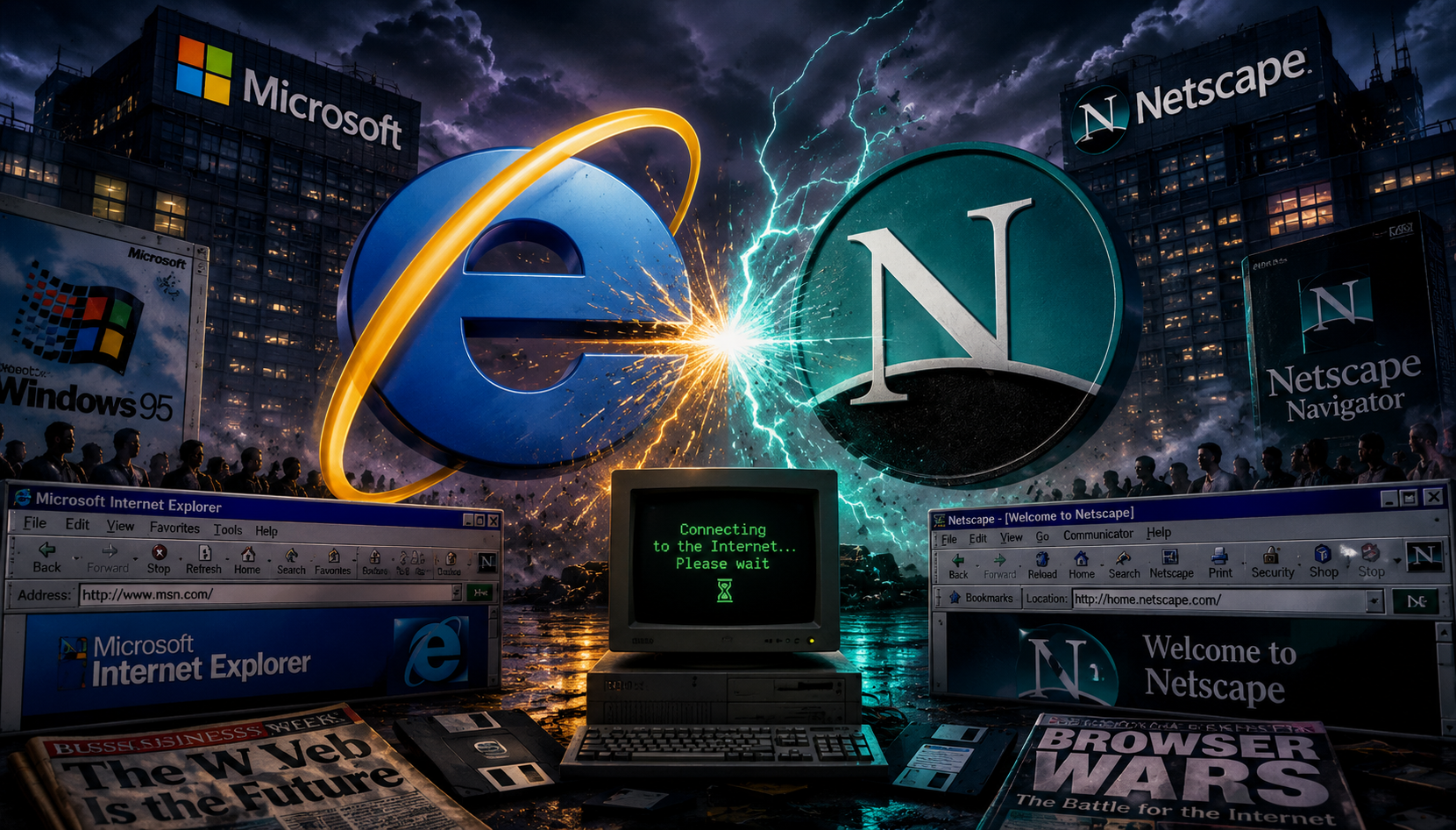
The Browser War That Built the Internet
In the mid-1990s, a software battle erupted that would shape how billions accessed information. Few could predict that the victor would soon face its own downfall.

The Wii Gamble That Saved Nintendo
In a world obsessed with graphics and power, Nintendo bet on simplicity. The Wii was laughed at — until it wasn't.

Pixar's Radical Feedback Loop
In a stark, unadorned room, some of the most powerful voices in animation face off with ruthless honesty. Their weapons? Brutal feedback that molds raw ideas into cinematic gold.

The Chicken That Changed Retail
Costco's $4.99 rotisserie chicken isn't just a meal — it's a strategic masterpiece. The unexpected ripple effects changed retail forever.
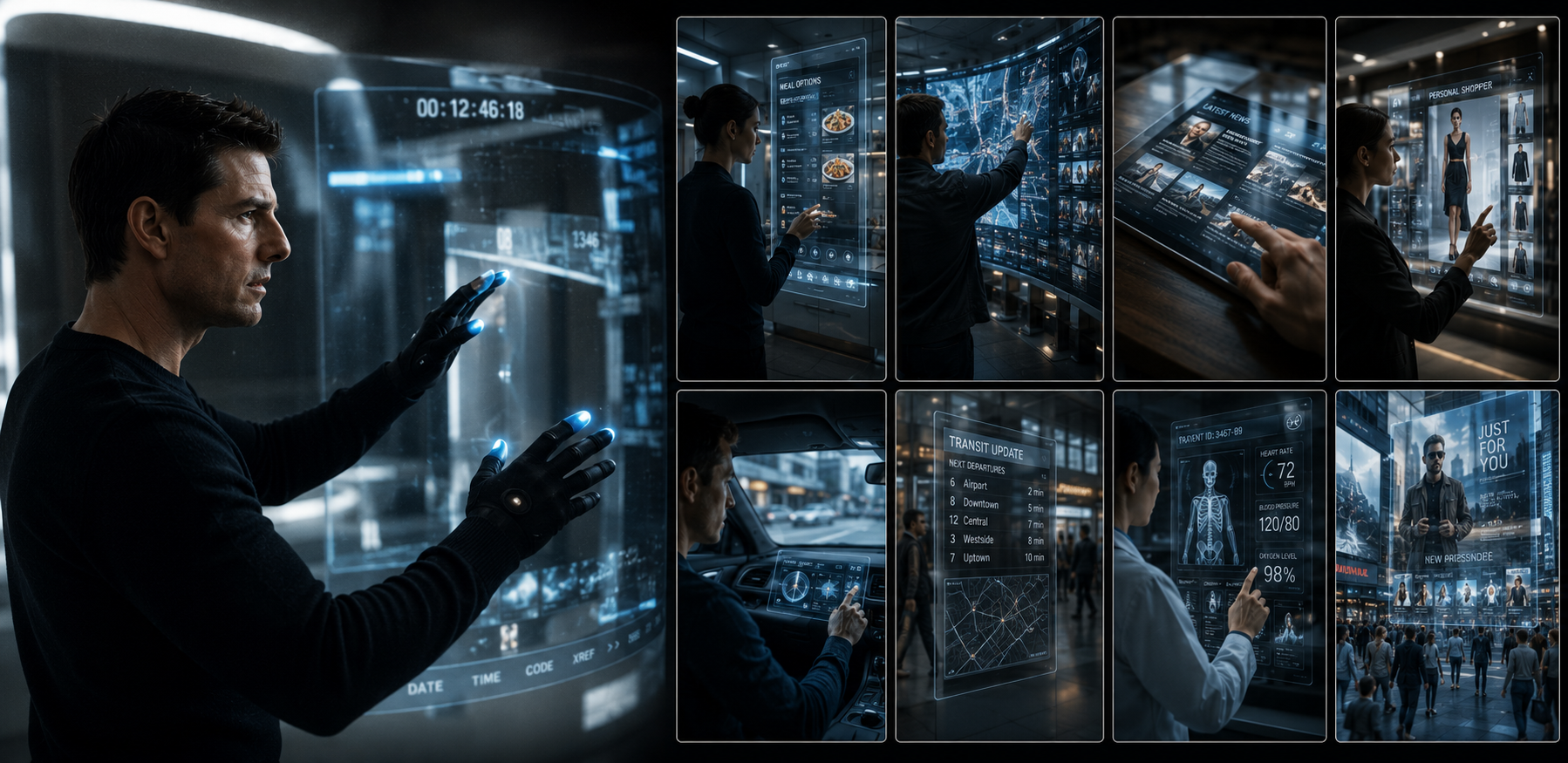
Minority Report's Prescient Touchscreen Reality
In 2002, Hollywood imagined a future of seamless touchscreen interfaces. Today, Steven Spielberg's vision feels eerily prescient as technology catches up.
Continue the Rabbit Hole
Each story explores the same idea from a different angle. Follow the connections and discover where the thread leads.
Fictional placeholder content