The First Website's Hidden Legacy
"On a quiet day in August 1991, Tim Berners-Lee pressed 'Enter,' and the world changed forever. That simple keystroke launched the first website, a digital frontier that nobody could fully fathom."
What Happened?
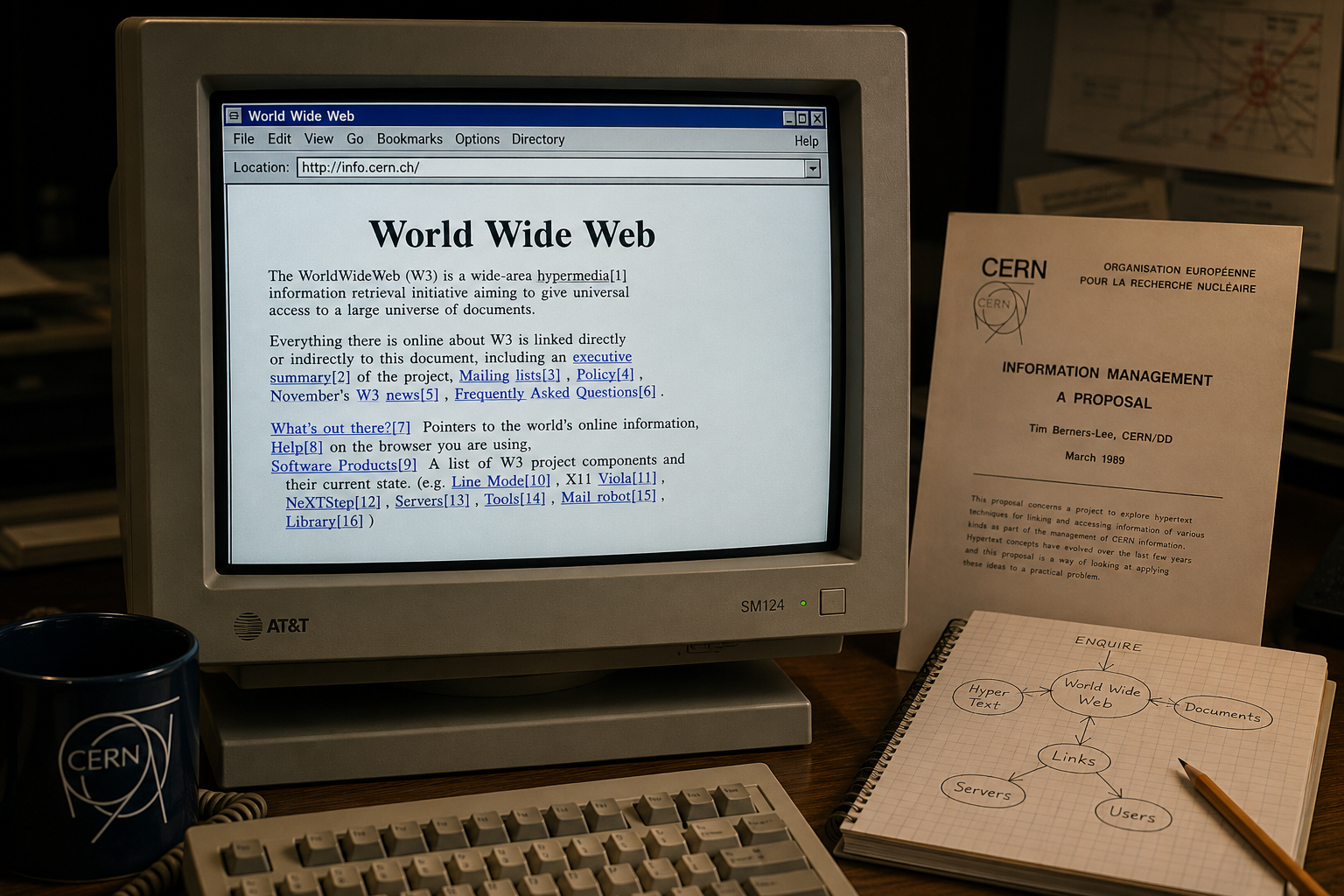
In a modest office at CERN, Tim Berners-Lee stared at the screen of his Steve Jobs-designed NeXT computer, finalizing a creation that would alter human communication forever. It was August 6, 1991, when Berners-Lee quietly published the first website. This page, almost unnoticeable by today’s flashy standards, was the revolutionary seed for a digital forest. It displayed plain text, blue links, and not a single image, housed under the unassuming address info.cern.ch. Yet, this sparse digital real estate did something extraordinary: it offered instructions on how users could create their own websites.
In the world before catchy interfaces and commercial dazzle, this first website embodied a radical new means of sharing information. Conceived in 1989 and brought to life through lines of code by late 1990, Berners-Lee's vision started as a modest project at CERN. This was not about selling products or entertaining the masses. It was a practical tool designed to facilitate information exchange amongst scientists.
Within a year, the landscape had started to shift. By mid-1992, the number of websites had grown to ten, quietly setting ablaze a slow but inevitable expansion. The initial concept—an informative network for researchers—soon unraveled into a vast, interconnected web of data that would eventually touch every corner of society.
Berners-Lee's creation went beyond its immediate purpose—the web wasn’t just a place; it was a door. By April 1993, releasing the software royalty-free was like handing everyone a key. And before long, the world would witness the unpredictable breadth of this once small page—its potential fully realized as websites expanded from simple documents to the vibrant and chaotic digital environments we navigate today.
Takeaway
The lesson this story keeps teaching
“When breakthrough ideas meet the right moment, the chain reactions ignite future revolutions in technology, culture, and human interaction.”
Why People Are Talking About This
The creation of the first website marks the genesis of the digital age, laying the groundwork for the communication infrastructure that defines the 21st century. It turned Tim Berners-Lee's idea into a ubiquitous reality, shaping how we interact, learn, and live.
This humble beginning, tethered by simple links and plain text, catalyzed a broader information age. It reflects how visionary thought — even when initially unacknowledged — can transform into a societal cornerstone, altering power dynamics and creating new economic paradigms.
Thread Map
9 entities · 8 connections · Hover to explore, click to inspect
This is the connection map for this thread. Every node is a person, company, event, or idea. The red lines show how they connect. Hover a node to highlight its connections. Click a node to see why it matters to this story.
How We Got Here
Berners-Lee Proposes the Web
Tim Berners-Lee penned a proposal for the World Wide Web as a system for information sharing among physicists. This solution was intended to unify disparate systems and streamline operations.
Web's First Server and Browser
By the end of 1990, Berners-Lee had the world's first web server and browser up and running at CERN, showcasing its capability.
First Website Goes Live
Tim Berners-Lee launched the first website, info.cern.ch, marking the public debut of the World Wide Web. The website outlined how to use the Web and build pages.
Websites Number Grows to Ten
The World Wide Web saw modest growth, reaching ten operational sites by June 1992. This marked an early expansion.
CERN Releases Software Freely
CERN allowed the Web software's free use and distribution, catalyzing exponential web growth and encouraging global participation.
First Online Sale by NetMarket
NetMarket conducted the first online transaction selling a Sting CD, pioneering e-commerce and demonstrating the Web's commercial potential.
Launch of Purple.com
Purple.com hit the Web, becoming one of the earliest single-serving sites, representing a growing trend in personal, creative web content.
Websites Reach the General Public
As websites became accessible to the general public, mainstream adoption spurred innovation and paved the way for today's ubiquitous web.
Wait... Who Is This?
Amid the sterile corridors of CERN's labyrinthine labs, Tim Berners-Lee envisioned a future few could imagine. In the 1980s, as scientists worked at the bleeding edge of physics, their collaborations faced a distinctly analog limitation — disconnected data silos.
Berners-Lee, equipped with theoretical insights and practical coding skills, saw beyond, crafting a proposal for interlinked documents. His 1989 memo, “Information Management: A Proposal,” was the seedling of a revolutionary tree. The roots within CERN's collaborative ethos provided the nutrients for growth during an era marked by mainframes and floppy disks.
As the world lumbered through nascent digital pathways, the launch of the first website marked not just a technological milestone but an epochal shift. Beneath its utilitarian appearance, the site whispered of a future dominated by interwoven text, images, and ideas.
Receipts
What Was The First Website Ever Created: The Story of the World's First Website
The World’s First Web Site | HISTORY
What Was the First Website Ever Made? You Can Still Visit It Today
Web History | Web at 30: Celebrating the 30th Anniversary of the Invention of the Web
Timeline - The History of the Web
Same Pattern
Different story. Same lesson.
The Lab That Invented Tomorrow
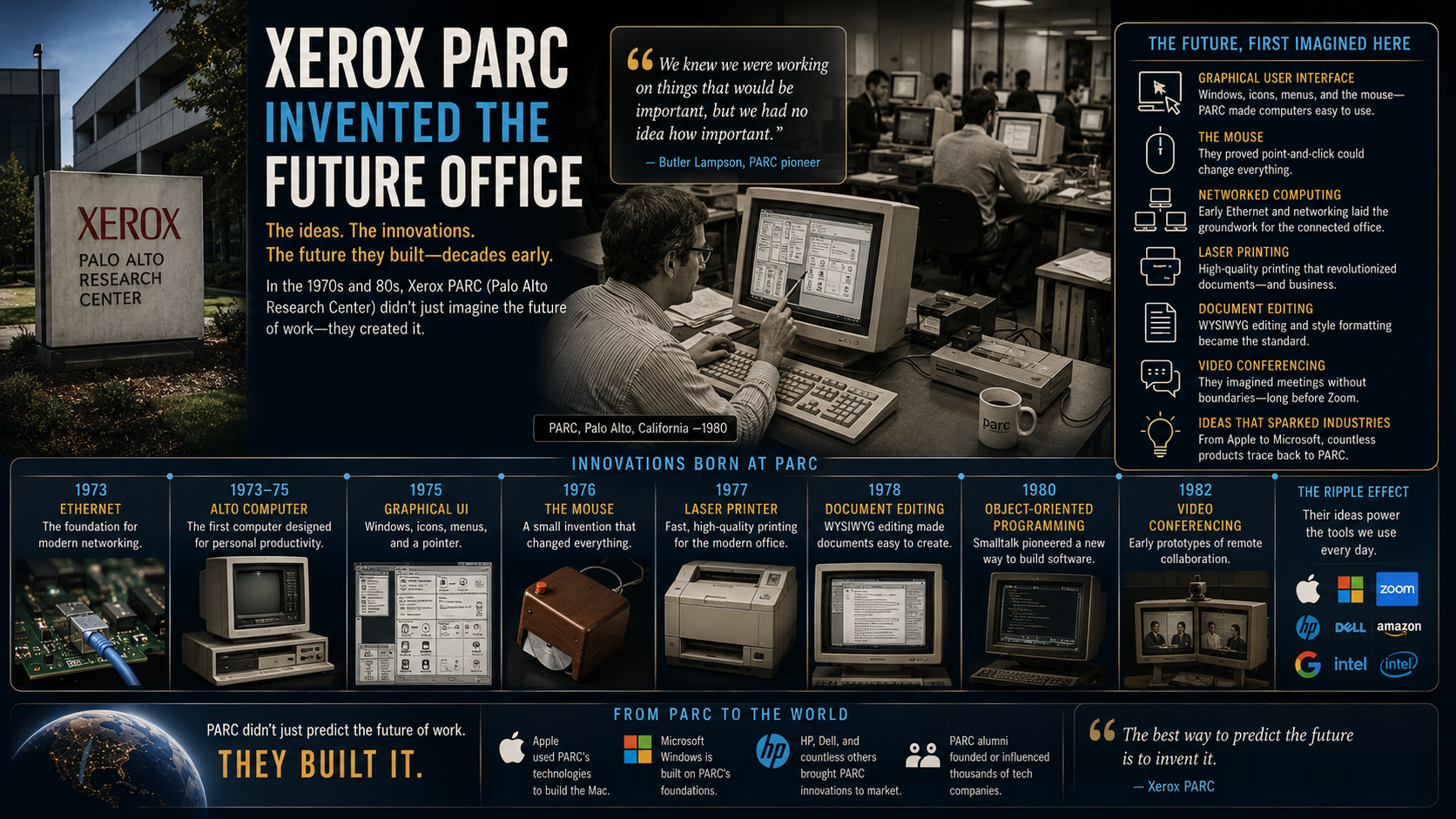
In December 1979, Steve Jobs saw echoes of the future inside Xerox PARC's halls. There, in a secluded lab, lay the blueprint for the modern tech landscape.
The Wii Gamble That Saved Nintendo
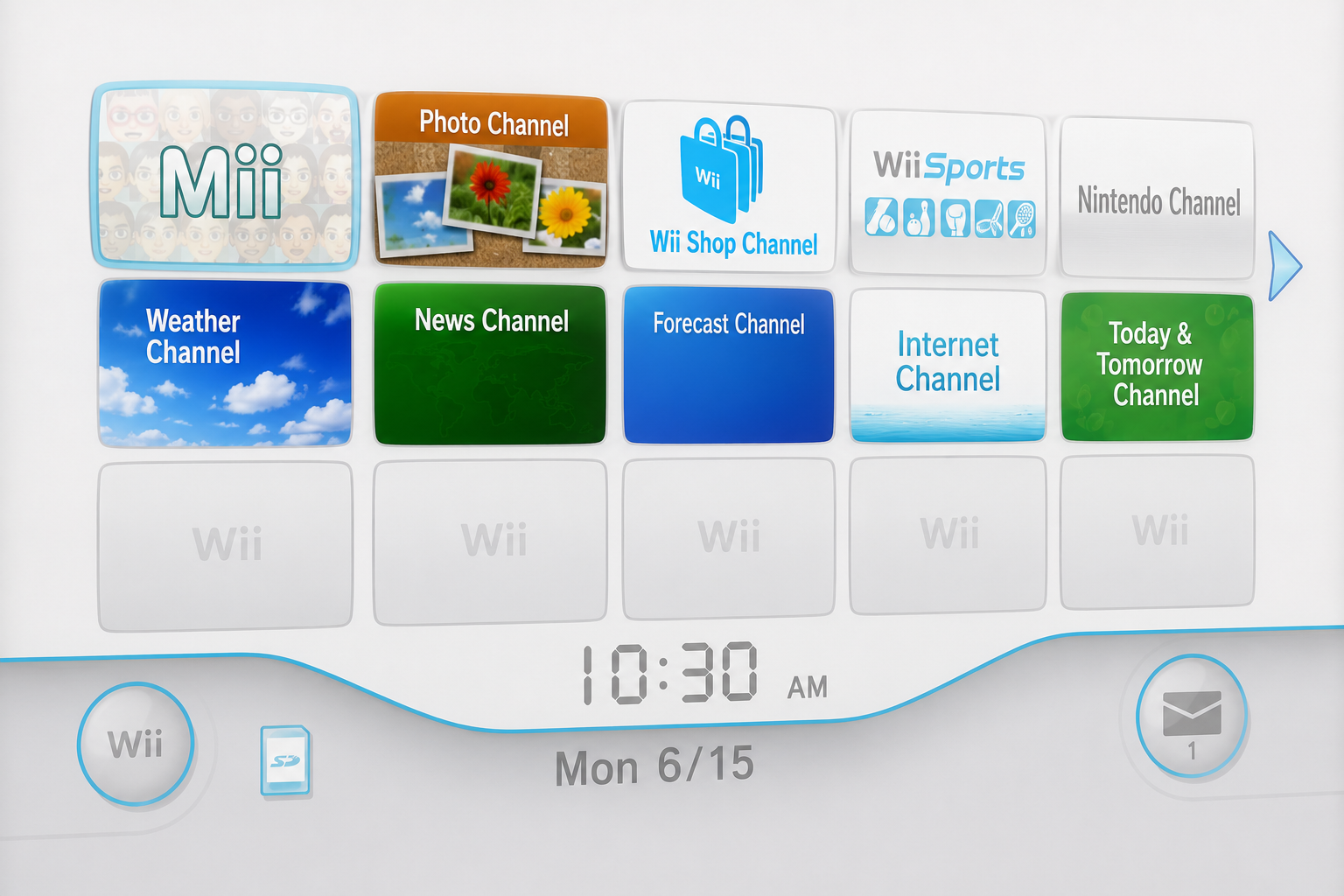
In a world obsessed with graphics and power, Nintendo bet on simplicity. The Wii was laughed at — until it wasn't.
The Browser War That Built the Internet
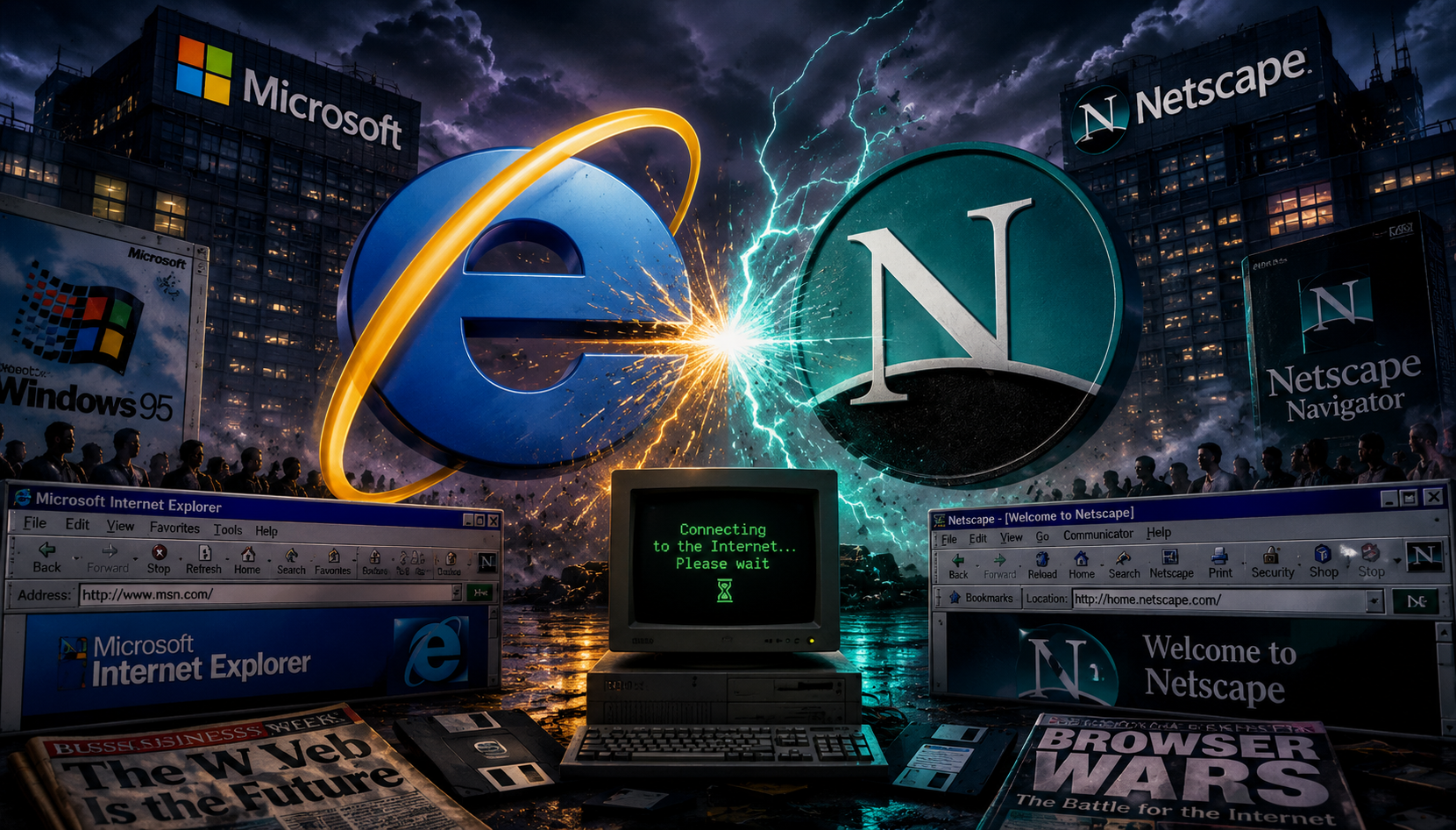
In the mid-1990s, a software battle erupted that would shape how billions accessed information. Few could predict that the victor would soon face its own downfall.

Pixar's Radical Feedback Loop
In a stark, unadorned room, some of the most powerful voices in animation face off with ruthless honesty. Their weapons? Brutal feedback that molds raw ideas into cinematic gold.

The Chicken That Changed Retail
Costco's $4.99 rotisserie chicken isn't just a meal — it's a strategic masterpiece. The unexpected ripple effects changed retail forever.
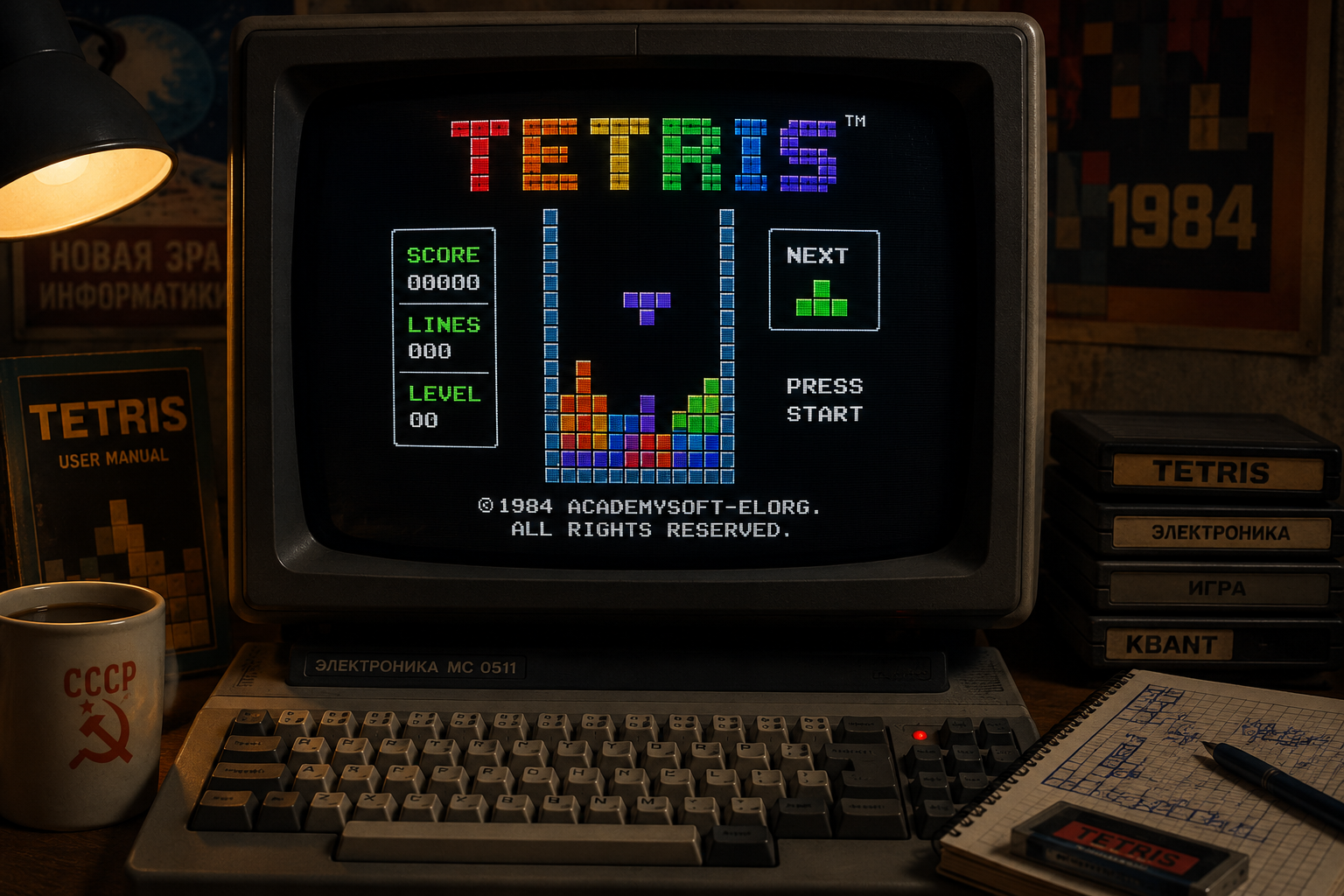
The Puzzle that Conquered the World
A Soviet engineer at his desk, unknowingly poised to create a legend. His creation? Tetris — a game that would break barriers and forever alter the gaming landscape.
Continue the Rabbit Hole
Each story explores the same idea from a different angle. Follow the connections and discover where the thread leads.


Fictional placeholder content