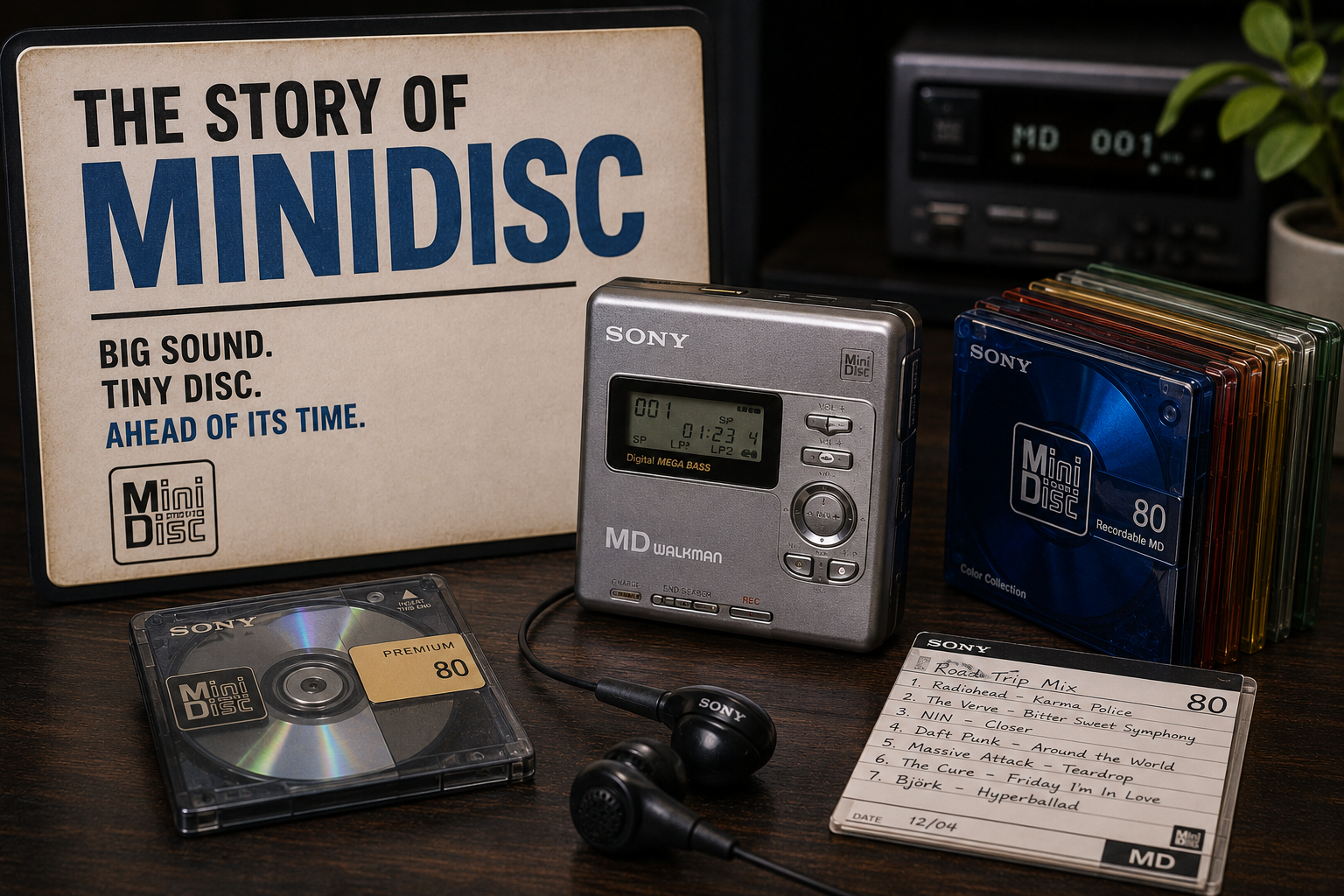
The Forgotten Rise of MiniDisc
"Sony once thought they were revolutionizing music with the MiniDisc. Instead, they created a curiosity that became a cult obsession."
What Happened?
It was supposed to be the next big thing. In September 1992, Sony launched the MiniDisc with high hopes, envisioning a future where teenagers would ditch their beloved cassettes for the cutting-edge format. Yet, at $750 a piece, the MZ-1 MiniDisc player wasn't exactly accessible for a teenager’s budget. Instead of flourishing, it faced hurdles right from the start.
Upon its debut, the MiniDisc was touted as a marvel—a compact, rewritable disc offering the sound quality of CDs. Sony designed it to replace cassettes, employing magneto-optical technology that allowed users to record, delete, and organize music effortlessly. Despite this, the high cost and competition from the CD-based systems hampered early sales. However, an unexpected niche market found it indispensable. Radio journalists, valuing its skip-resistance and clear audio quality, embraced MiniDiscs for field recording. As one journalist put it, the format worked "extremely well" for capturing voice and ambient sounds, even if it didn't boast the same clarity as the Digital Audio Tape.
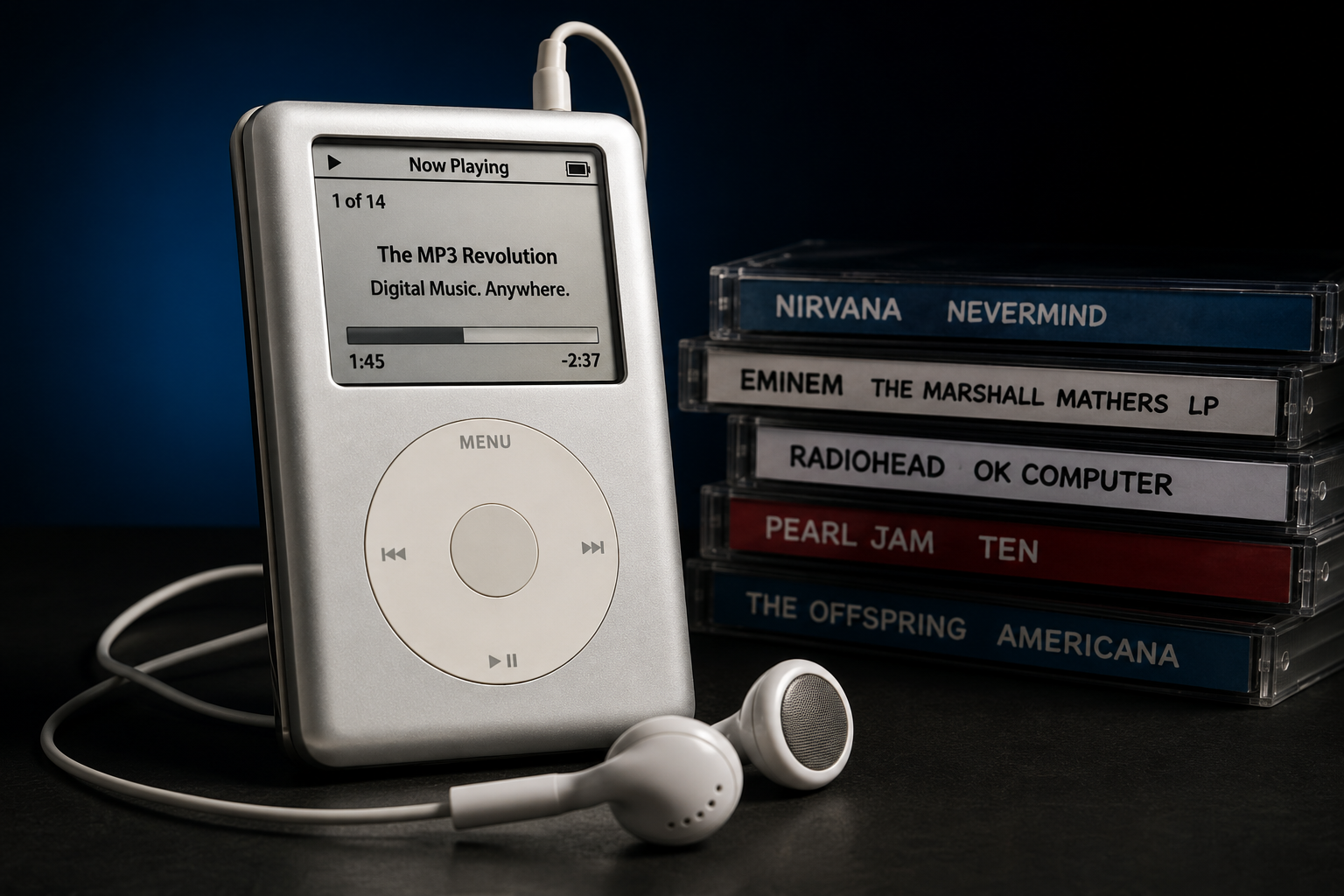
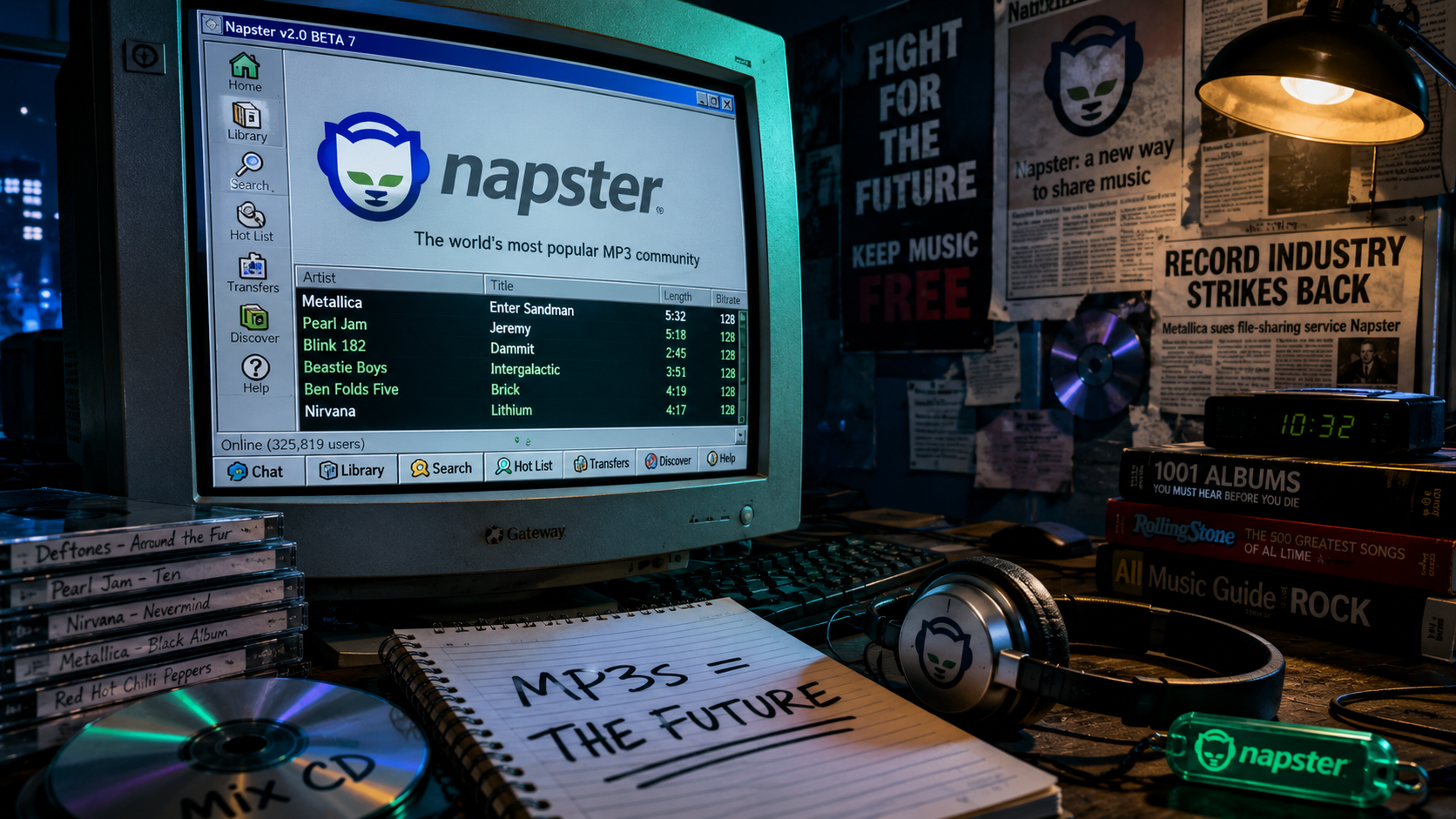
By 2000, Sony tried to breathe new life into the format with MDLP, allowing longer recordings, and in 2004, the introduction of Hi-MD promised greater storage. Yet, it wasn't enough. The rise of MP3 players and file-sharing platforms like Napster had shifted consumer interest. Most potential users never experienced the MiniDisc at its peak. By 2013, Sony ended production, and the MiniDisc quietly joined the ranks of obsolete technology.
Sony's attempt offers a lesson in innovation and timing. Like Betamax and LaserDiscs before it, the MiniDisc was technologically fascinating, but just outpaced by changing consumer needs and cheaper, more appealing technologies. The market didn't wait, and neither did the future. It’s a reminder of how even groundbreaking ideas can miss their moment when the world moves faster than the innovation does.
Takeaway
The lesson this story keeps teaching
“Innovative technologies can leave lasting impacts even when they fail commercially.”
Why People Are Talking About This
In a world dominated by digital downloads and streaming, the MiniDisc's story illustrates the complexities of technological adaptation.
Sony's pursuit revealed that sometimes innovation doesn't promise success but remains influential. It offered lessons in miscalculation and resilience, resonating across today's tech landscape where 'next big things' can pivot unexpectedly.
Thread Map
9 entities · 8 connections · Hover to explore, click to inspect
This is the connection map for this thread. Every node is a person, company, event, or idea. The red lines show how they connect. Hover a node to highlight its connections. Click a node to see why it matters to this story.
How We Got Here
The Birth of MiniDisc Development
Sony began developing the MiniDisc technology, envisioning a compact audio format that could challenge the existing CDs.
MiniDisc's Public Debut
Sony unveiled the MiniDisc format to the world, banking on its portability and digital robustness to capture the audio market.
MiniDisc Sales Begin in Japan
The MiniDisc made its commercial debut in Japan, leveraging the local music rental boom to anchor itself.
MDLP Introduced to Extend Longevity
MDLP technology was rolled out to allow longer recording times on MiniDisc media, an attempt to revitalize consumer interest.
The Launch of NetMD
Sony introduced NetMD, enabling USB transfers to MiniDiscs, quickening workflow and making the format more appealing to tech-savvy users.
Hi-MD Expansion and PCM Recording
By expanding capacity with Hi-MD, Sony sought to reposition MiniDiscs in the audio market, now enabling PCM recording for professional use.
The End of MiniDisc Production
After years of struggling in a market favouring CDs and digital formats, Sony decided to cease MiniDisc's manufacture.
MiniDisc's Cult Revival
MiniDisc saw a new age of collectors and niche users celebrating its retro charm, sharing tips and preserving a piece of tech nostalgia.
Wait... Who Is This?
Long before MP3s transformed music consumption into bytes and streams, a physical medium captivated imaginations anew. Enter Sony's MiniDisc: an audacious attempt to capture a music-listening experience as dynamic and immersive as ever envisioned without cumbersome formats. Its journey started when digital technology was in its nascent stage.
With Sony pioneering most-format recorders via Walkmans, the MiniDisc's creation in 1986 aimed to unify modern digital clarity and portability. The endeavor promised high fidelity, evident by roping in artists like Mariah Carey as brand face and champions.
Yet cracks were visible even before the format's inception. Compact Discs, despite larger size, held dominance with clarity and robustness. Consumers were accustomed, and cultures had shifted towards digital downloads marking MiniDisc's potential as ambitious yet ahead of its time.
Once launched, multiple iterations followed. Each advance showed innovation but failed to foresee the fast-approaching future of music.
The irony stood clear: yearned for timelessness, eventually achieving it within isolated reverberations across niches.
Receipts
HISTORY OF MINI DISC — The Apple Geek
MiniDiscs: The Forgotten Format - Is It Poised for a Comeback
MiniDisc - Wikipedia
Requiem for the MiniDisc - Shallow Rewards
How MiniDisc Worked - by ObsoleteSony
The MiniDisc: the failure of a forgotten format (2020) | Hacker News
Same Pattern
Different story. Same lesson.
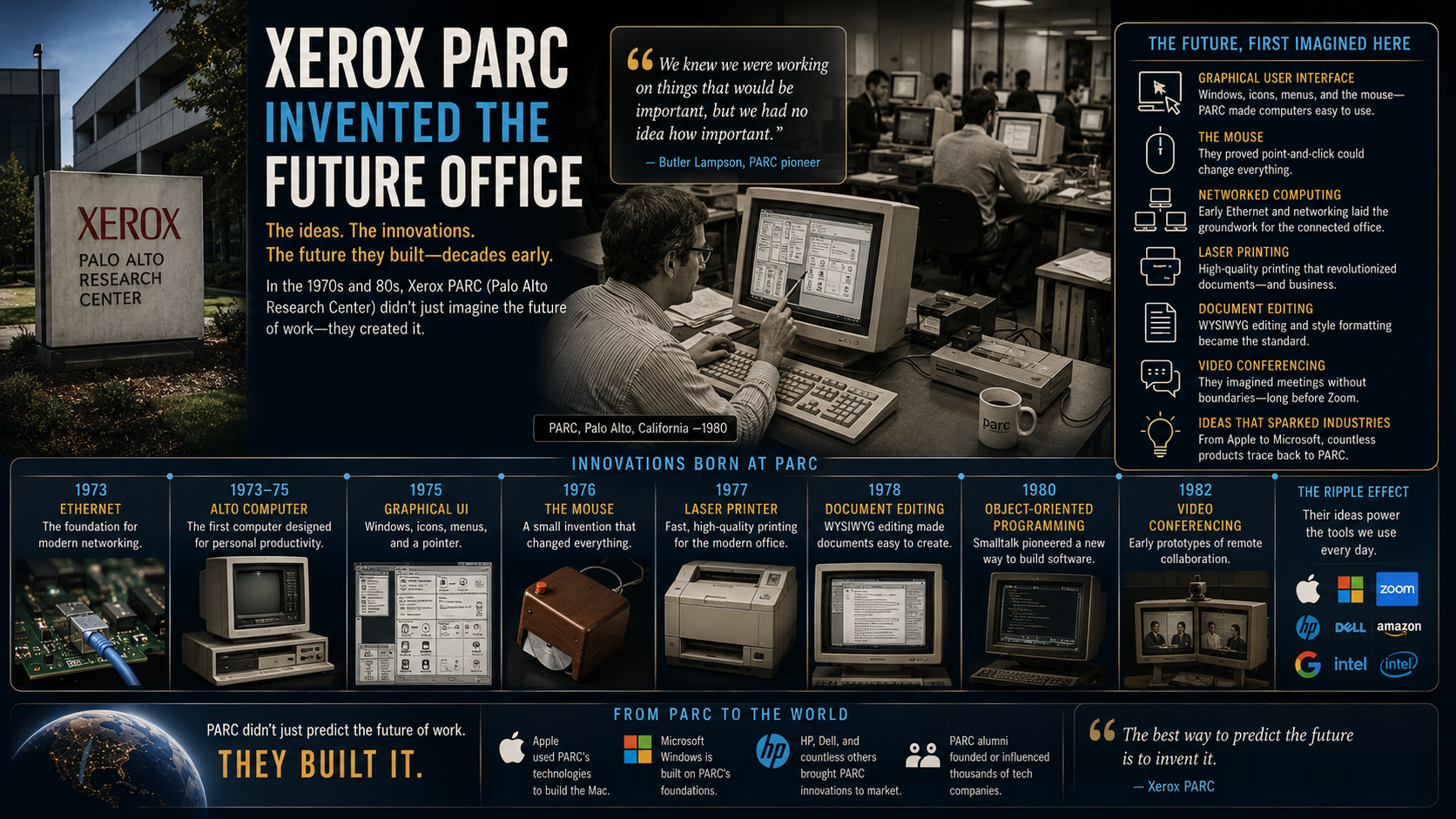
The Lab That Invented Tomorrow
In December 1979, Steve Jobs saw echoes of the future inside Xerox PARC's halls. There, in a secluded lab, lay the blueprint for the modern tech landscape.
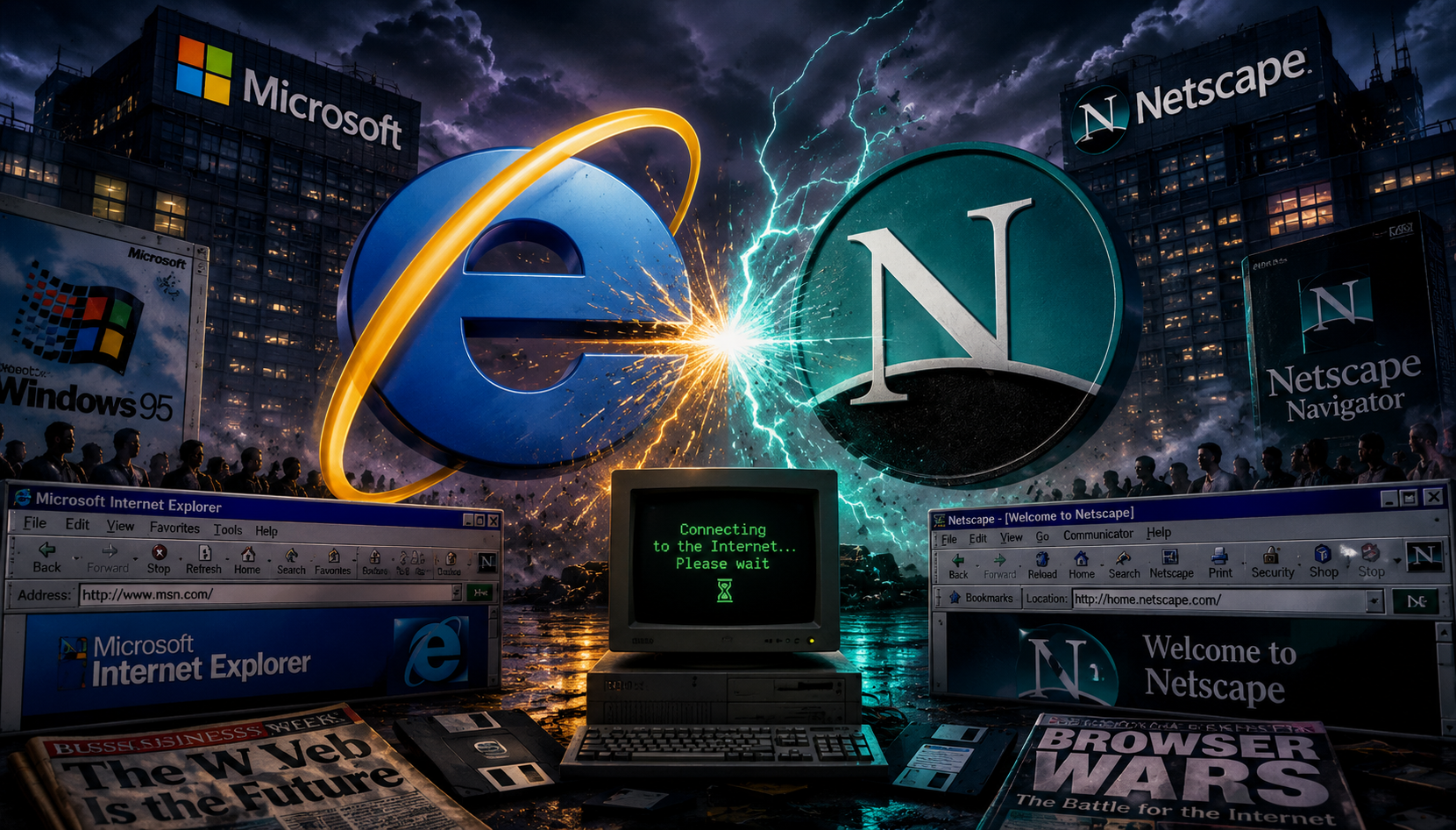
The Browser War That Built the Internet
In the mid-1990s, a software battle erupted that would shape how billions accessed information. Few could predict that the victor would soon face its own downfall.
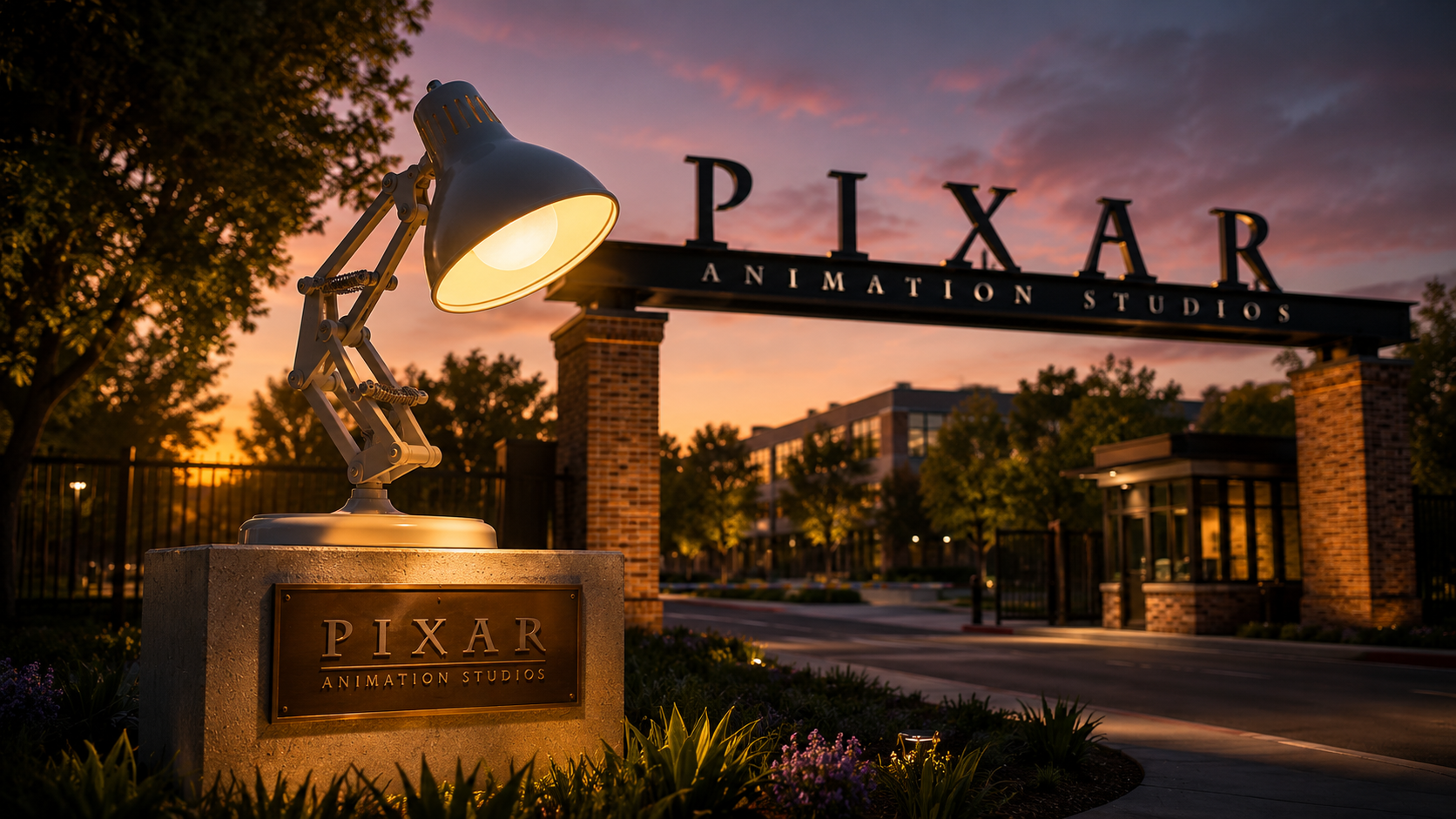
Pixar's Radical Feedback Loop
In a stark, unadorned room, some of the most powerful voices in animation face off with ruthless honesty. Their weapons? Brutal feedback that molds raw ideas into cinematic gold.

The Chicken That Changed Retail
Costco's $4.99 rotisserie chicken isn't just a meal — it's a strategic masterpiece. The unexpected ripple effects changed retail forever.

Minority Report's Prescient Touchscreen Reality
In 2002, Hollywood imagined a future of seamless touchscreen interfaces. Today, Steven Spielberg's vision feels eerily prescient as technology catches up.

The Mandela Effect’s Mind-Bending Mystique
Millions remember Nelson Mandela dying in the 1980s, yet he passed in 2013. What caused this shared illusion?
Continue the Rabbit Hole
Each story explores the same idea from a different angle. Follow the connections and discover where the thread leads.

Fictional placeholder content