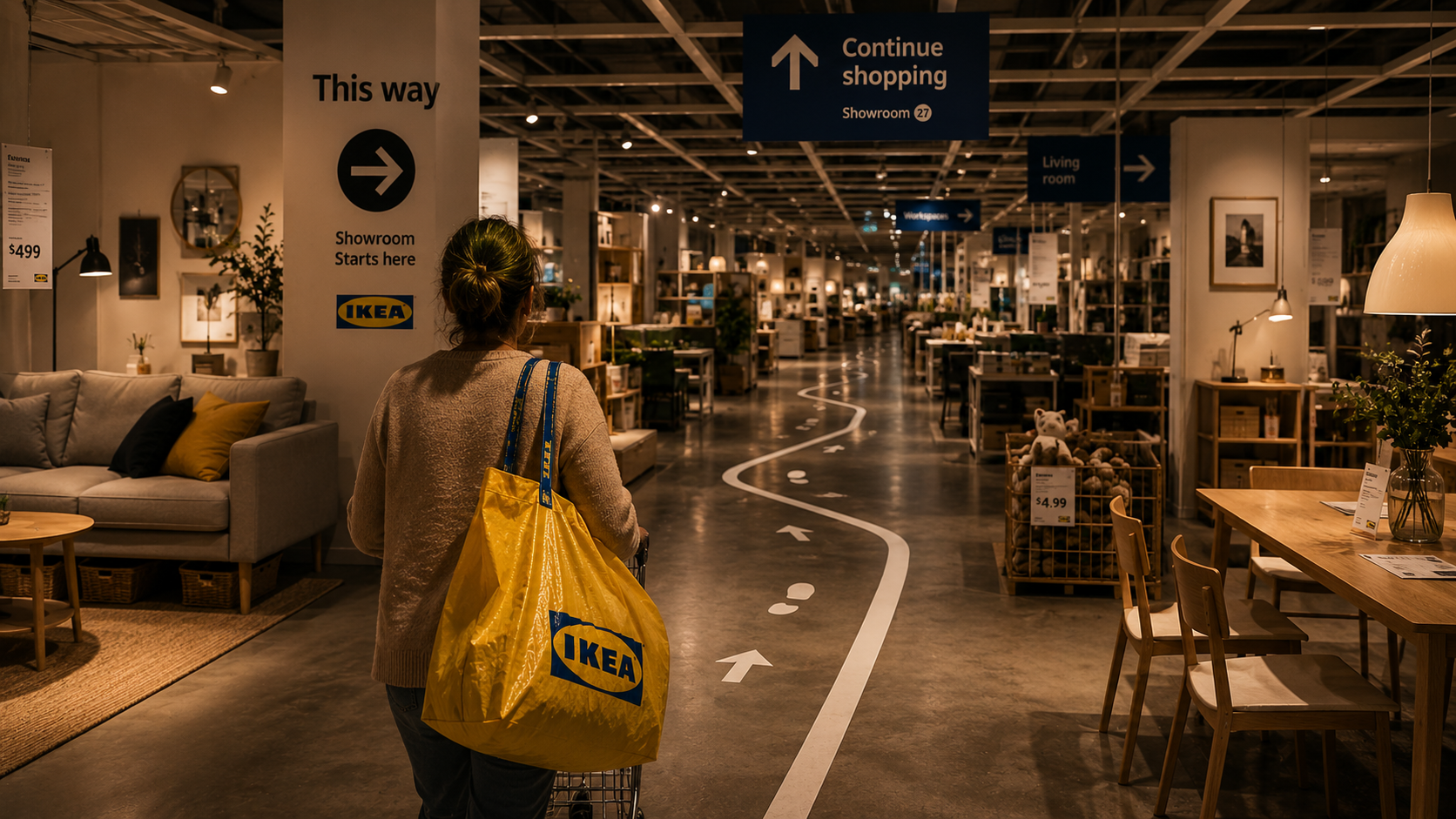
The Invisible Maze of IKEA
"Every visit to IKEA begins innocently enough: a pursuit of Swedish design simplicity. But soon, you're trapped in a labyrinth where every turn is planned."
What Happened?
The first time Steve wandered through IKEA's labyrinthine aisles, he intended to buy a single lamp. But soon he was lugging a cart brimming with trinkets and furnishings he hadn't planned on. It wasn't his fault. IKEA's store design is a masterclass in consumer psychology, where everything is set up to make the casual browser transform into a spree spender.
What's the secret behind this unexpected spending spree? It's a mix of strategic disorientation and subtle suggestion. IKEA's
Takeaway
The lesson this story keeps teaching
“IKEA transforms shopping into an orchestrated psychological journey where intent and outcome rarely align.”
Why People Are Talking About This
IKEA masterfully redefined shopping as an immersive experience, making fundamental changes to consumer psychology, retail design, and brand loyalty. Other industries have borrowed its physical layouts and emotional manipulation strategies, embedding them into e-commerce algorithms and user interfaces.
Their model highlights the delicate balance between consumer autonomy and corporate influence, prompting ongoing discussions about the ethics of such influence. IKEA prompts us to question what we value more: the products we purchase, or the experiences they promise.
Thread Map
4 entities · 3 connections · Hover to explore, click to inspect
This is the connection map for this thread. Every node is a person, company, event, or idea. The red lines show how they connect. Hover a node to highlight its connections. Click a node to see why it matters to this story.
How We Got Here
A Vision Shapes a Store
Ingvar Kamprad opens the first IKEA store, aiming to revolutionize consumer shopping experiences with affordable and stylish self-assembled furniture.
The Maze Strategy is Born
IKEA implements its iconic maze-like store layout, strategically designed to increase customer exposure to products, enhancing their shopping experience.
IKEA's Global Expansion
With stores opening across continents, Kamprad solidifies IKEA's market presence, spreading its immersive shopping experience worldwide.
Pervading Cultural Identity
IKEA becomes a cultural icon, with its catalog ubiquitous and its presence seen as a staple of modern decor across Europe and North America.
A Tactic Debunked
Publications begin to analyze and publicize IKEA's retail strategies, detailing the psychological tactics responsible for causing impulse buying.
Cognitive Bias Identified
The IKEA Effect is formally identified by researchers who reveal how manual labor increases the perceived value of products.
Bringing Virtual into the Fold
IKEA embraces technology by introducing virtual catalog apps, integrating augmented reality to allow customers to visualize products in their home.
The Digital Reinvention
IKEA continues to adapt, with new online services offering interactive shopping experiences, expanding its immersive model into the digital realm.
Wait... Who Is This?
A visit to IKEA is unlike any traditional shopping experience. Born from Ingvar Kamprad's ingenuity in rural Sweden, IKEA didn't just introduce flat-packed furniture to the masses but transformed shopping from a mundane errand into a theatrical event. The roots of this transformation find purchase in the middle of the 20th century. Consumers once shopped with lists, with a straightforward mission: procure, pay, depart. However, as global trade blossomed post-World War II, shopping began its shift to a more immersive, leisure-driven activity.
Kamprad tapped into this evolution with a mix of Scandinavian utility and marketing savvy. His innovation was an all-encompassing approach, where each visit to IKEA transcended the simple quest for furniture. Shoppers would enter a maze, deliberately crafted to elongate the journey, where the path from chair to checkout was never a straight line. Driven by curiosity and exposure to IKEA's universe of practical yet aesthetically pleasing products, something else came into play — the Gruen Effect, a phenomenon tapping into unplanned purchasing.
This experience was revolutionary not just because of the physical products, but because it changed consumer psychology. Kamprad didn’t just want to sell furniture; he intended to imprint a lifestyle. Over decades, stores across the globe adapted this model, each pushing the boundaries of consumer engagement. From Japan to the United States, IKEA stores became more than a place to buy — they were cultural icons.
Receipts
Timeline: History of IKEA | Timetoast
IKEA's approach to marketing: Then and now
How Ikea tricks you into buying more stuff
The IKEA Effect: Why You Always Buy More Than Planned at IKEA
IKEA advertising through the ages - IKEA Museum
Inside IKEA: The Brilliant Trick That Makes You Buy More
Same Pattern
Different story. Same lesson.
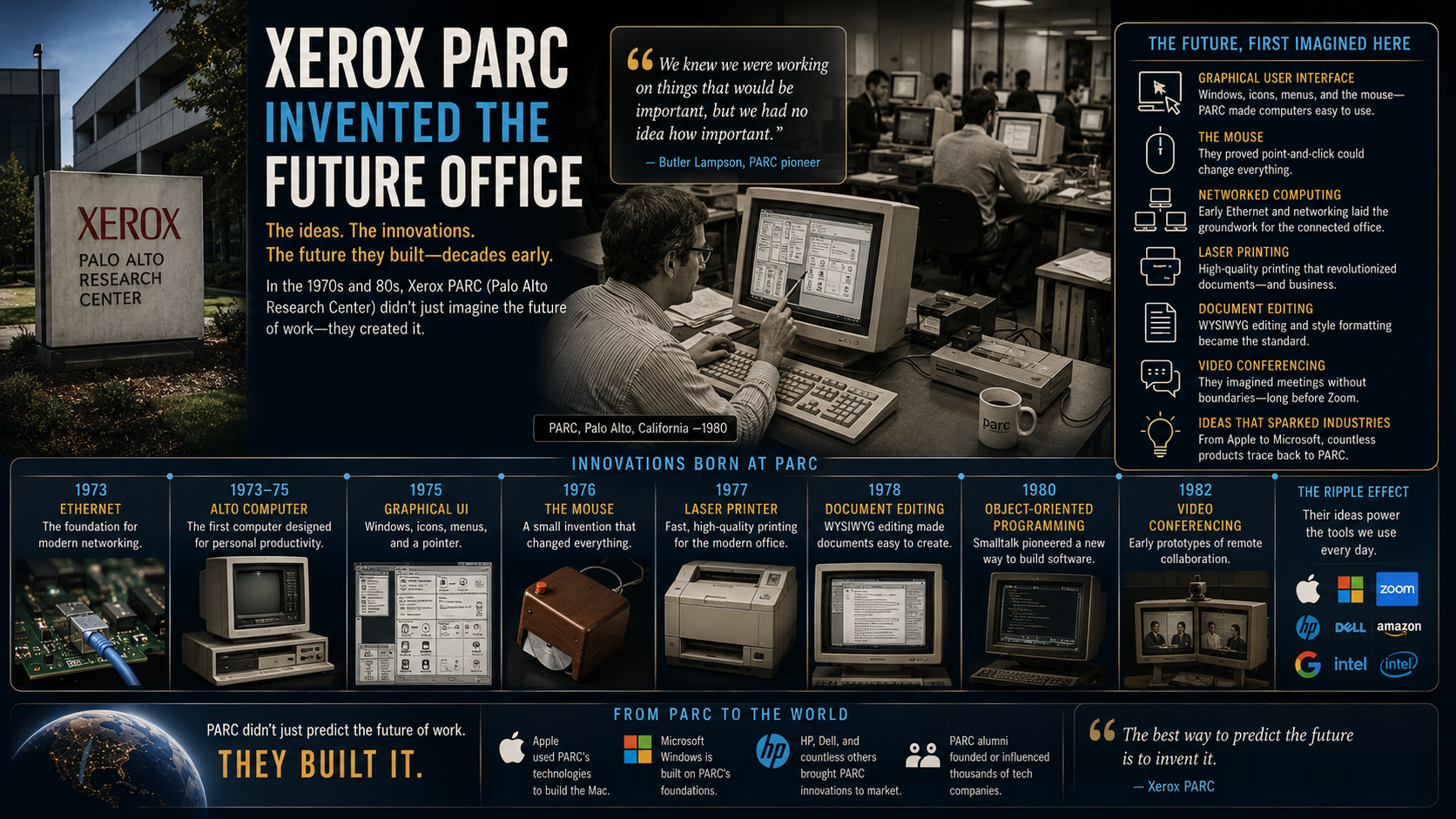
The Lab That Invented Tomorrow
In December 1979, Steve Jobs saw echoes of the future inside Xerox PARC's halls. There, in a secluded lab, lay the blueprint for the modern tech landscape.

The Browser War That Built the Internet
In the mid-1990s, a software battle erupted that would shape how billions accessed information. Few could predict that the victor would soon face its own downfall.
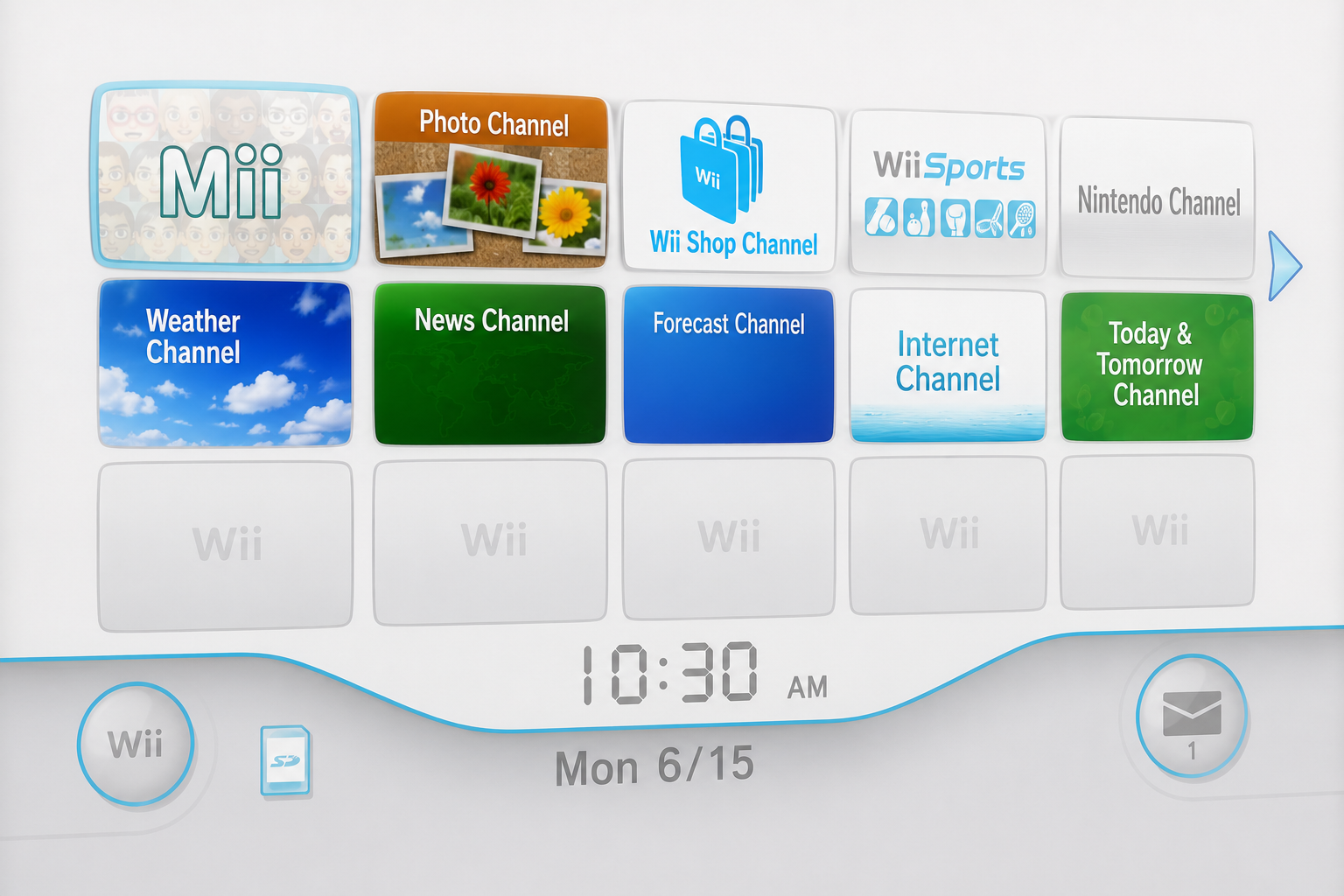
The Wii Gamble That Saved Nintendo
In a world obsessed with graphics and power, Nintendo bet on simplicity. The Wii was laughed at — until it wasn't.

Pixar's Radical Feedback Loop
In a stark, unadorned room, some of the most powerful voices in animation face off with ruthless honesty. Their weapons? Brutal feedback that molds raw ideas into cinematic gold.

The Chicken That Changed Retail
Costco's $4.99 rotisserie chicken isn't just a meal — it's a strategic masterpiece. The unexpected ripple effects changed retail forever.
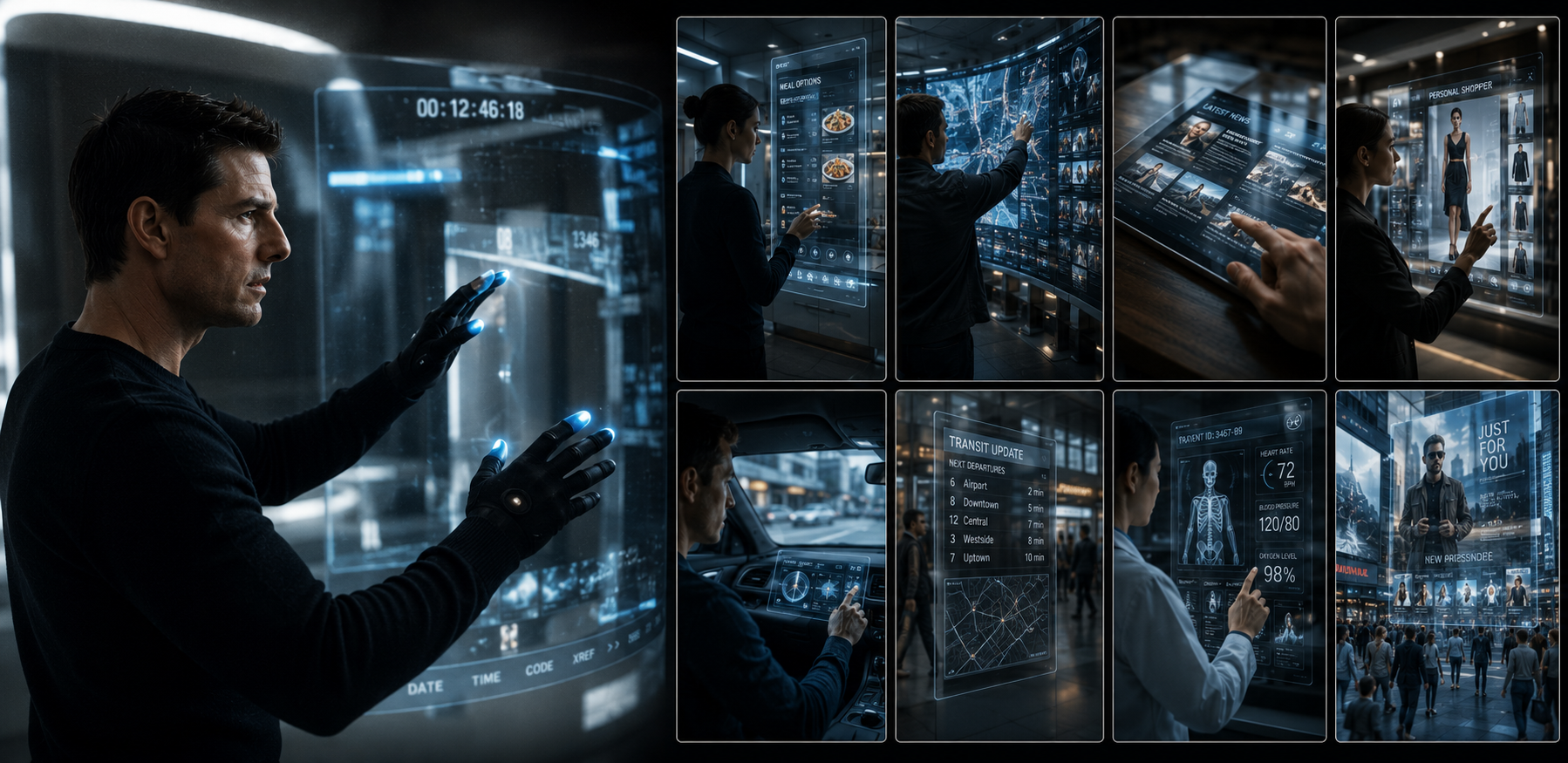
Minority Report's Prescient Touchscreen Reality
In 2002, Hollywood imagined a future of seamless touchscreen interfaces. Today, Steven Spielberg's vision feels eerily prescient as technology catches up.
Continue the Rabbit Hole
Each story explores the same idea from a different angle. Follow the connections and discover where the thread leads.

Fictional placeholder content