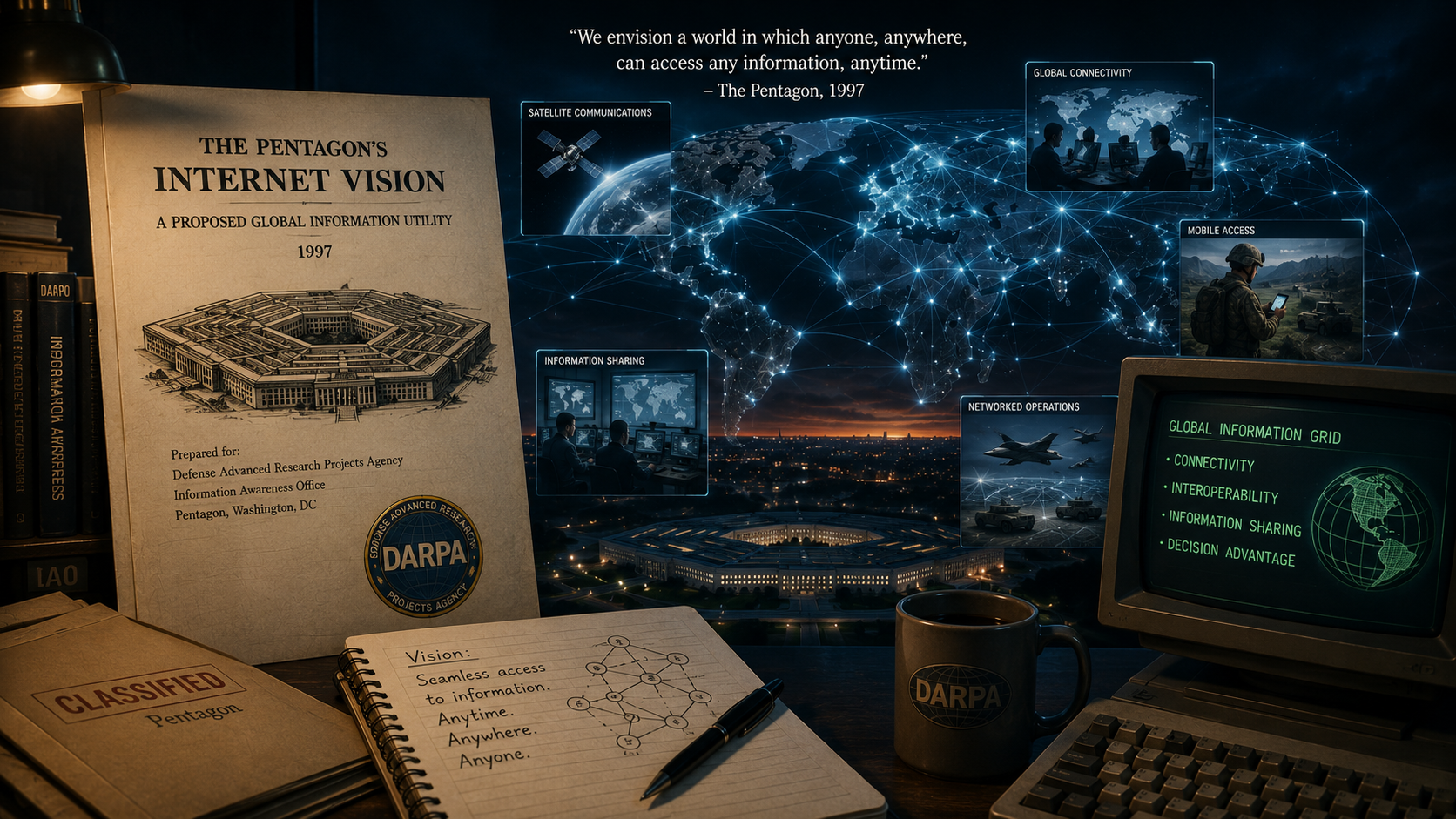
When the Military Invented the Internet
"In 1969, a humble connection between two computers at UCLA and Stanford marked the dawn of the internet. What seemed like a military communication tool would soon revolutionize global interaction."
What Happened?
In a nondescript room at UCLA in 1969, two computers found each other across the nascent ARPANET, marking a turning point few could have predicted. This network, born from Cold War anxieties, aimed to connect scattered defense sites to withstand potential Soviet attacks. Researchers like J.C.R. Licklider envisioned a future where global computers could share information seamlessly. Their early dream, constrained by modems and clunky terminals, held the seed of today's vast digital ecosystem.
Packet switching was the breakthrough. Unlike traditional communication that relied on a direct line, this allowed data to be sent in small packets, traveling independently across nodes and reassembling at the destination. The concept was championed by visionaries such as Paul Baran and Donald Davies, transforming military communication into a decentralized marvel. By 1973, Vint Cerf and Bob Kahn were working on TCP/IP, a protocol critical for data to navigate between diverse networks - a major leap towards what would eventually be known as the Internet.
Yet, what unfolded was beyond earlier imaginings. Email, predicted by Larry Roberts and others, became a mundane reality, while concepts like cloud computing and online collaboration have reshaped how we work. The unexpected twist? Social media's emergence and the cyberfront's new battlefields, unforeseen consequences of expanding connectivity.
As the military's vision morphed into an open network, the implications spiraled. Predictions of universal access materialized, empowering remote work and instant global sharing. But it also spawned misinformation and digital warfare. Still, the Pentagon's visionaries laid a foundation illustrating that technology's path is as unpredictable as it is transformative.
Takeaway
The lesson this story keeps teaching
“Technologies often outgrow their original purposes, reshaping society in ways their creators never intended.”
Why People Are Talking About This
This story reminds us that behind every great technological leap is a foundation often borne from necessities far removed from its eventual impact on society. The creation of ARPANET was fueled by military needs but created a digital fabric central to modern life. It's a tale of transformation where defense imperatives led to the rise of computer networking, forming the backbone of our global digital ecosystem.
The internet has shaped economies, communication, and information sharing, often bringing into question balances between privacy and connectivity. ARPANET wasn't just a technological triumph—it was a metamorphosis that taught an unsuspecting world to embrace perpetual innovation and necessity's unpredictable offspring.
Thread Map
9 entities · 8 connections · Hover to explore, click to inspect
This is the connection map for this thread. Every node is a person, company, event, or idea. The red lines show how they connect. Hover a node to highlight its connections. Click a node to see why it matters to this story.
How We Got Here
The First ARPANET Connection
In a pivotal moment for computer science, UCLA and Stanford computers exchanged data over ARPANET. What started as a military project planted seeds for the future internet.
Packet Switching Revolutionizes Communication
Embracing packet switching over traditional telephone lines, messages were divided and recombined, boosting speed and reliability, pivotal for ARPANET's architecture.
TCP/IP Protocol Defined
Vint Cerf and Bob Kahn developed TCP/IP, allowing various networks to communicate. This protocol became ARPANET's backbone and a standard for the internet.
Transition to TCP/IP
All ARPANET hosts officially converted to TCP/IP on January 1, completing internet protocol standardization, transmuting military precision into public innovation.
ARPANET Officially Ends
ARPANET dissolves as civilian networks expand, marking a transition from military origin to public domain, making way for ARPANET's true successor: the Internet.
Emergence of the World Wide Web
With civilian networks now dominant, Tim Berners-Lee's World Wide Web evolves, utilizing ARPANET's backbone to deliver a graphical user interface for internet navigation.
Advent of Social Media
Platforms flourished on internet infrastructure, blending social interaction with digital realms. However, they opened up avenues for misinformation and digital divide.
Cyber Warfare and Security Realities
Cyber warfare and AI face off, showcasing the dual nature of ARPANET's legacy—innovation paired with new vulnerabilities and global digital conflict.
Wait... Who Is This?
It was the 1960s, and the world teetered on the edge of nuclear conflict. In the shadow of this global uncertainty, the U.S. Department of Defense was busy crafting a military strategy that wouldn’t revolve around new weapons but rather communication systems that could survive them. Armed with visionaries like J.C.R. Licklider and Larry Roberts, the Advanced Research Projects Agency (ARPA) embarked on a secretive project: ARPANET.
Known today as the world's first functional prototype of the Internet, ARPANET’s initial goal was pragmatic: ensure military command could continue even if the unthinkable happened. Researchers moved beyond traditional communication paths, envisioning a decentralized network. This new architecture aimed to prevent total communication blackout, utilizing groundbreaking concepts like packet switching, developed with help from engineers like Paul Baran and Donald Davies.
As ARPANET unfurled, it didn’t just alter communication methodologies; it set into motion the nascent threads of a global revolution. By the late 1960s, two computers at UCLA and Stanford exchanged data for the first time, a simple act symbolizing a future unwittingly redefining existence.
Receipts
Same Pattern
Different story. Same lesson.

The Chicken That Changed Retail
Costco's $4.99 rotisserie chicken isn't just a meal — it's a strategic masterpiece. The unexpected ripple effects changed retail forever.
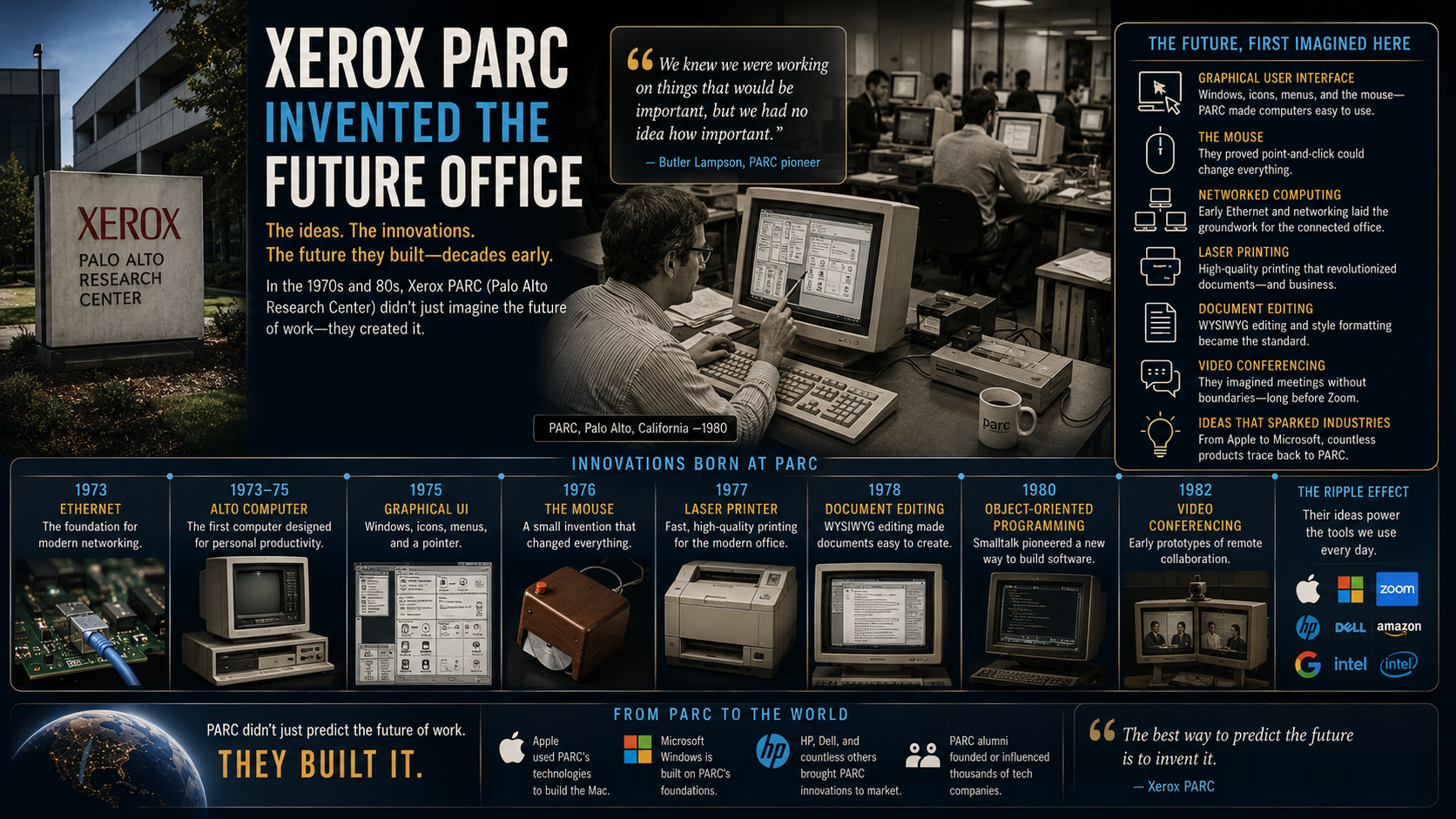
The Lab That Invented Tomorrow
In December 1979, Steve Jobs saw echoes of the future inside Xerox PARC's halls. There, in a secluded lab, lay the blueprint for the modern tech landscape.
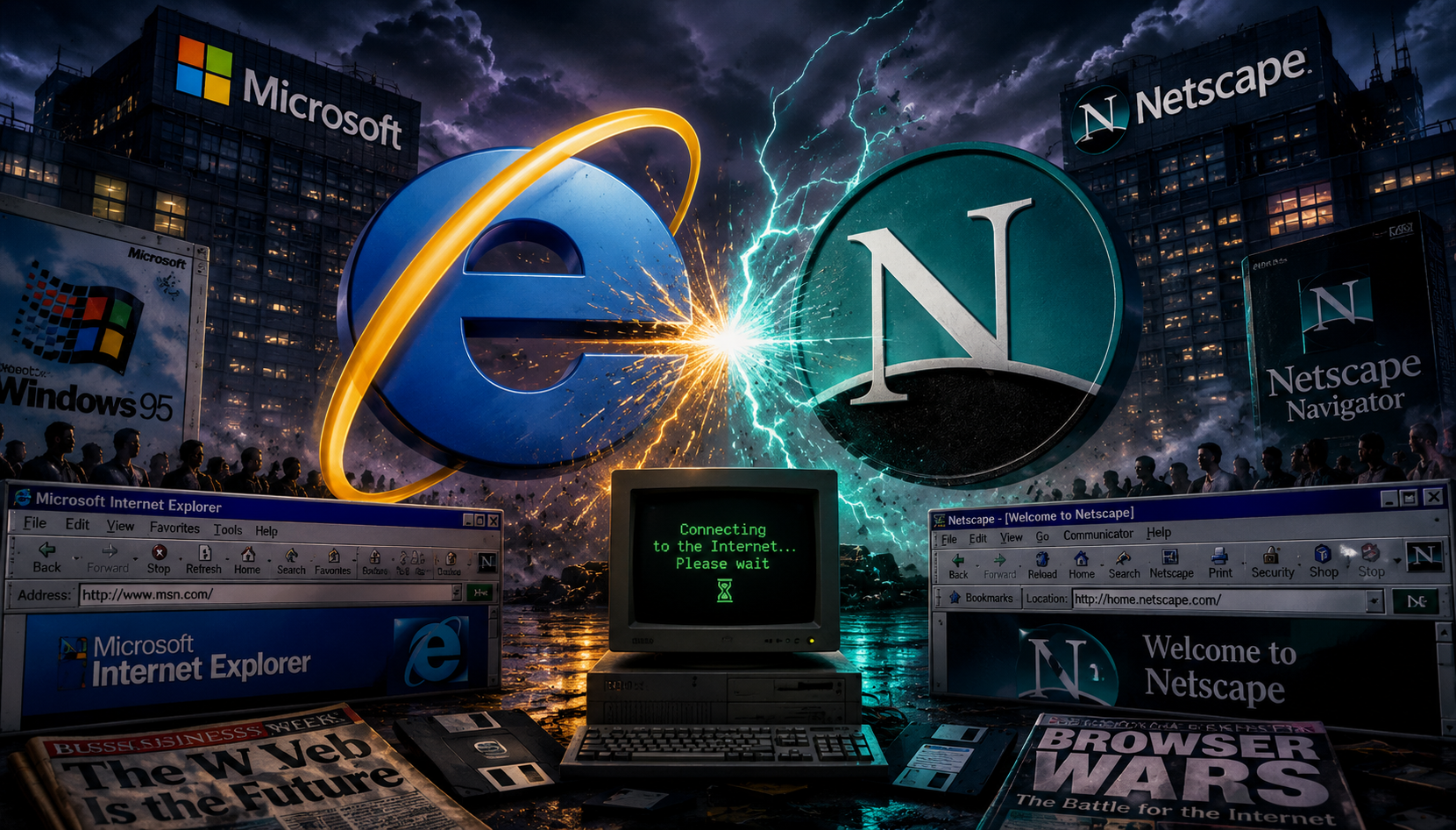
The Browser War That Built the Internet
In the mid-1990s, a software battle erupted that would shape how billions accessed information. Few could predict that the victor would soon face its own downfall.

Pixar's Radical Feedback Loop
In a stark, unadorned room, some of the most powerful voices in animation face off with ruthless honesty. Their weapons? Brutal feedback that molds raw ideas into cinematic gold.
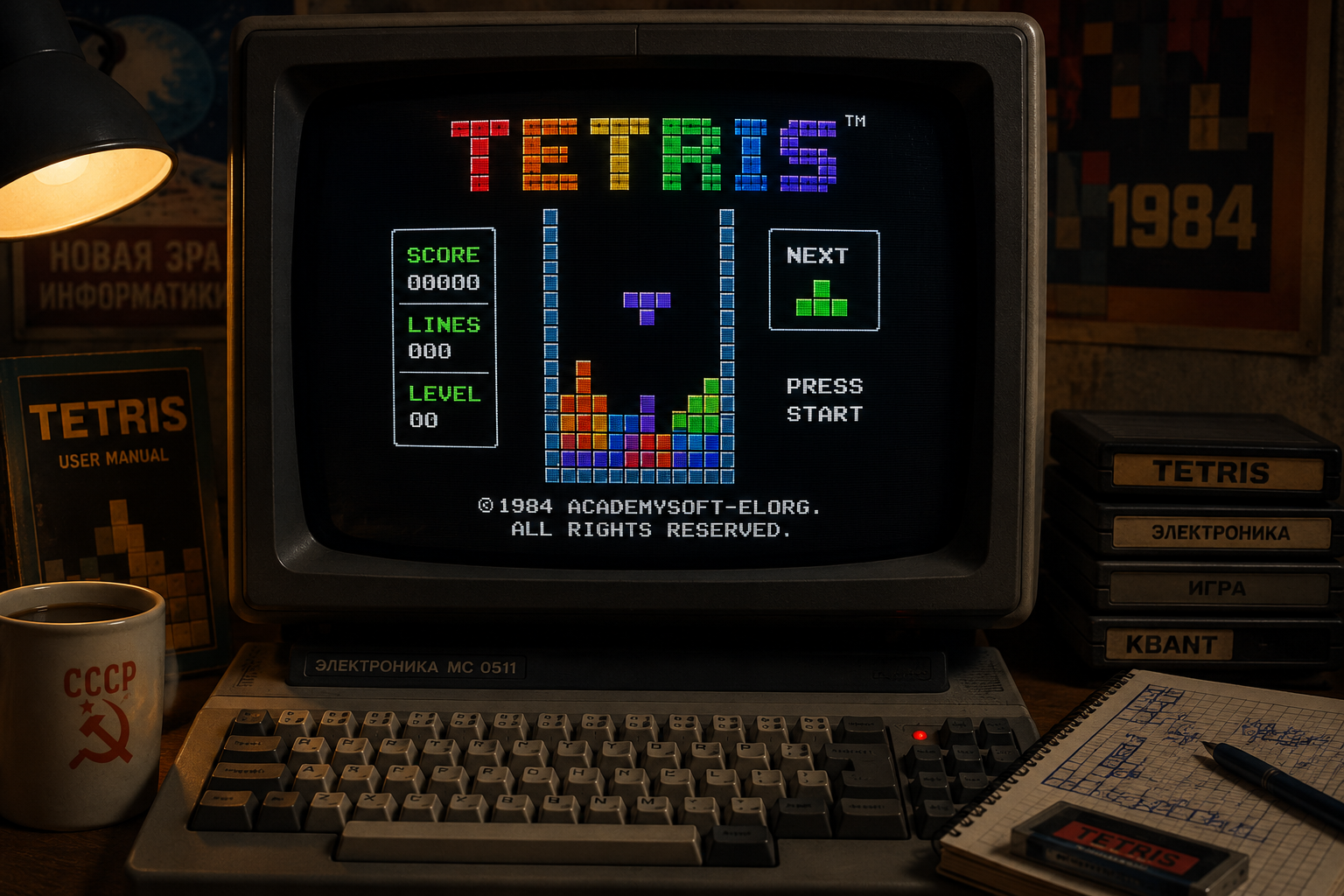
The Puzzle that Conquered the World
A Soviet engineer at his desk, unknowingly poised to create a legend. His creation? Tetris — a game that would break barriers and forever alter the gaming landscape.

Minority Report's Prescient Touchscreen Reality
In 2002, Hollywood imagined a future of seamless touchscreen interfaces. Today, Steven Spielberg's vision feels eerily prescient as technology catches up.
Continue the Rabbit Hole
Each story explores the same idea from a different angle. Follow the connections and discover where the thread leads.





Fictional placeholder content