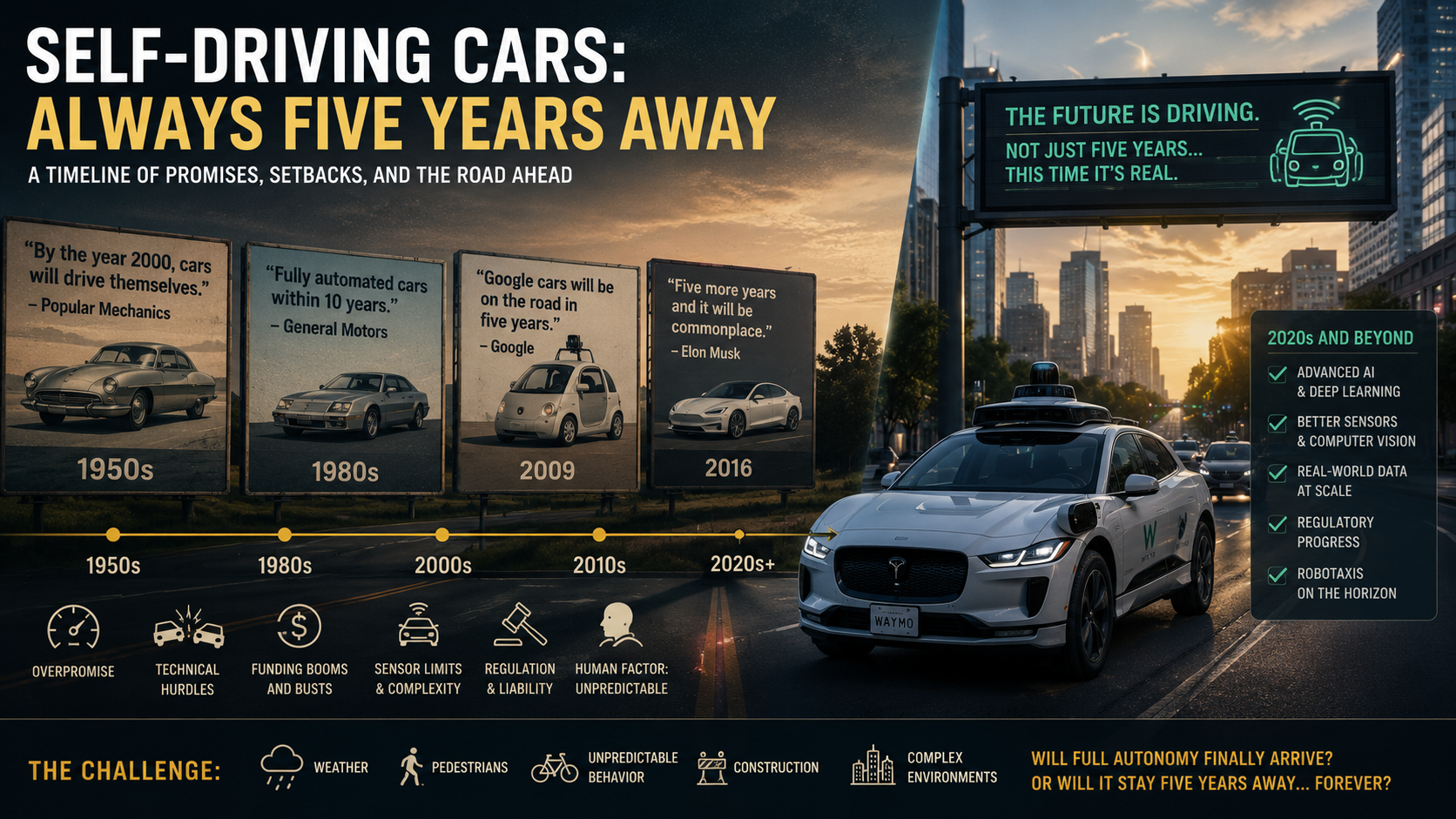
Self-Driving Cars: The Endless Wait
"In 2012, Sergey Brin made a bold prediction: fully autonomous cars would be mainstream in five years. Yet today, the dream remains just that—a dream."
What Happened?
In 2012, Sergey Brin confidently predicted that self-driving cars would be common on the roads within five years. It was a vision filled with optimism—a world where human error no longer dictated traffic fatalities, and time spent commuting could be reclaimed. Yet here we are, more than a decade later, and the driverless future still seems just beyond the horizon, perpetually "five years away." The promise fades into a spectacle of missed deadlines and shifting timelines.
The allure of autonomous vehicles is irresistible, often viewed as the holy grail of modern transportation. Companies from Tesla to Waymo have poured billions into their development. But the path has not been a smooth ride. The DARPA Grand Challenge in 2004 set the ball rolling with palpable excitement, yet every milestone reached is met with equally daunting regulatory hurdles and technical challenges. The road to autonomy is littered with the remnants of once-bold claims.
While driverless cars do exist in controlled settings, such as Waymo's operations in select cities, true Level 5 autonomy—the kind that allows a car to drive anywhere at any time without human intervention—remains elusive. Part of the challenge lies in the complexity of real-world environments, where unpredictable human behaviors still confound even the smartest algorithms.
The tantalizing allure of self-driving cars continues to captivate, promising less traffic congestion, improved fuel efficiency, and the revitalization of city landscapes. However, the path is strewn with obstacles. The industry grapples with potential job losses among drivers, the collapse of traditional auto insurance sectors, and questions about liability. And then there are the ethical dilemmas—who bears responsibility if a self-driving car makes a wrong decision?
As the timelines extend and predictions recalibrate, one thing remains steadfast: the dream drives on, always just around the corner, always five years away. Yet, in this perpetual anticipation, we are reminded that the future, no matter how anticipated, often takes its own time.
Takeaway
The lesson this story keeps teaching
“The chasm between technological optimism and practical implementation keeps growing, highlighting the limits of even the most visionary promises.”
Why People Are Talking About This
The pursuit of self-driving cars underscores the tension between rapid innovation and implementation reality. Though these vehicles promised reduced accidents and traffic, they now force us to confront adaptability challenges, ethical dilemmas, and societal shifts.
This technology's incomplete journey reflects broader themes of ambition clashing with practicality—a reminder that compelling narratives require more than technological prowess; they demand foresight and flexibility. As industries forge ahead, understanding these dynamics is crucial for future transformative efforts and regulatory adaptations.
Thread Map
7 entities · 6 connections · Hover to explore, click to inspect
This is the connection map for this thread. Every node is a person, company, event, or idea. The red lines show how they connect. Hover a node to highlight its connections. Click a node to see why it matters to this story.
How We Got Here
Sergey Brin's Bold Prediction: Driverless Cars by 2017
In 2012, Sergey Brin confidently announced that autonomous vehicles would become mainstream within five years. This bold proclamation set high expectations for the future of transport technology.
Tesla Ramps Up Autonomous Efforts
Under the leadership of Elon Musk, Tesla began serious exploration into autonomous driving technology, pushing auto-pilot systems as the first step towards full autonomy.
Google Launches Waymo to Lead Autonomous Innovation
Google officially launched its subsidiary, Waymo, to pioneer advancements in autonomous vehicle technology. Brimming with Silicon Valley's promise, this move solidified Google's intention to transform transportation.
Partnership Announced: BMW, Intel, and Mobileye Join Forces
In a significant collaboration, BMW Group, Intel, and Mobileye announced their partnership aiming to bring fully autonomous vehicles to market, highlighting an industry move towards pooling resources.
Waymo's Urban Trials Face Unforeseen Obstacles
During urban trials, Waymo faced unanticipated challenges with AI systems struggling to interpret complex urban environments and human-driven behavior, casting doubt on earlier projections.
Tesla Autopilot Captures Public's Imagination
Tesla’s autopilot technology integrated into its vehicles captures public attention, pushing the envelope of what consumer-level semi-autonomous technology can achieve.
Driverless Cars Miss Brin's Predicted Milestone
In 2017, while advancements in autonomous technology continued, the vision of fully driverless cars widely available on roads did not materialize as forecasted by Sergey Brin’s earlier predictions.
Legislative and Public Scrutiny Intensifies
By 2021, increasing public scrutiny and legislative examinations began focusing on accountability and safety in autonomous vehicle technology, challenging ongoing deployment momentum.
Self-Driving Technology Continues but Broad Adoption Remains Elusive
Into 2023, while autonomous technology has made strides, commercial success and broad adoption for everyday commuting continue to remain elusive, signaling ongoing industry challenges.
Wait... Who Is This?
In the shimmering world of Silicon Valley, promises of driverless technology seemed both inevitable and imminent. Behind closed doors, the pioneers, including innovative juggernauts at Google, Tesla, and various start-ups, were meticulously developing algorithms poised to navigate cars through intricate urban grids without human intervention.
This dream felt tangible in 2012 when then Google-co-founder Sergey Brin articulated a bold prediction—envisioning a world where autonomous vehicles rule the road by 2017. Brin's lofty prognostication wasn't based on fantasy alone. Numerous technological strides, from AI advancements to sensor improvements, bolstered the feasibility of such an ambition.
However, the evolution of automotive autonomy largely took place out of public view. During a time when tech companies were celebrated for their disruptive potential, the public was willing to dream of a world where artificial intelligence seamlessly interacted with real-world chaos, ushering in unprecedented mobility convenience. Yet unyielding challenges lay on the horizon, threatening to overshadow the initial optimism.
The thrill of what's technologically possible gripped industry leaders, stimulating investment and fostering a climate buzzing with inventive energy. But behind the enthusiasm lay an intricate web of regulatory challenges, ethical considerations, and an increasing awareness of implementation complexity.
Receipts
The history of autonomous driving - Centre of Advanced Power and Autonomous Systems (APAS)
The History of Tesla Full Self Driving - The Dawn Project
Waymo - Wikipedia
Impact of self-driving cars - Wikipedia
The Unintended Consequences of Self-Driving Cars
Future Of Autonomous Vehicles: Self-Driving Cars Explained - Forbes
Same Pattern
Different story. Same lesson.
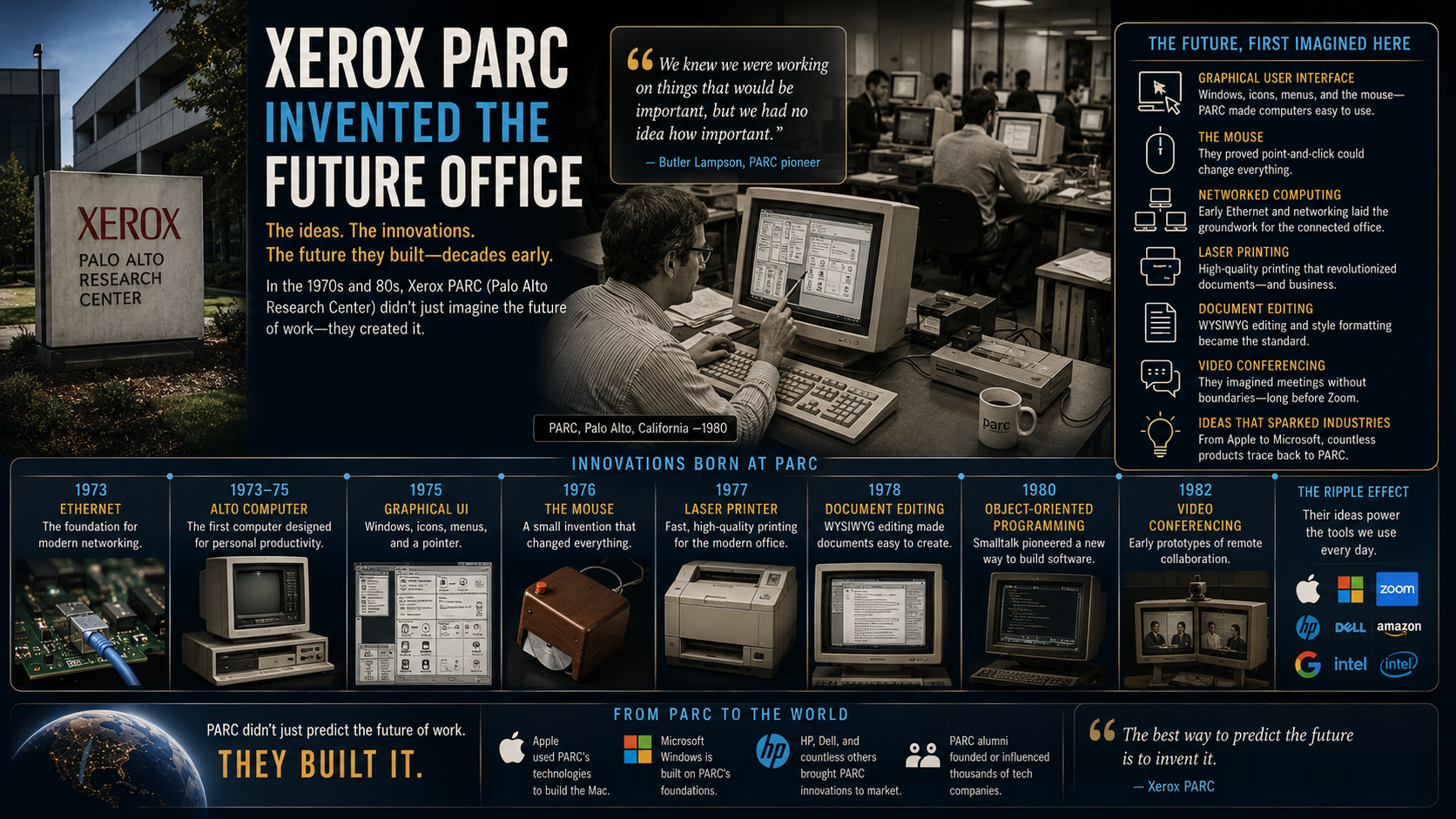
The Lab That Invented Tomorrow
In December 1979, Steve Jobs saw echoes of the future inside Xerox PARC's halls. There, in a secluded lab, lay the blueprint for the modern tech landscape.
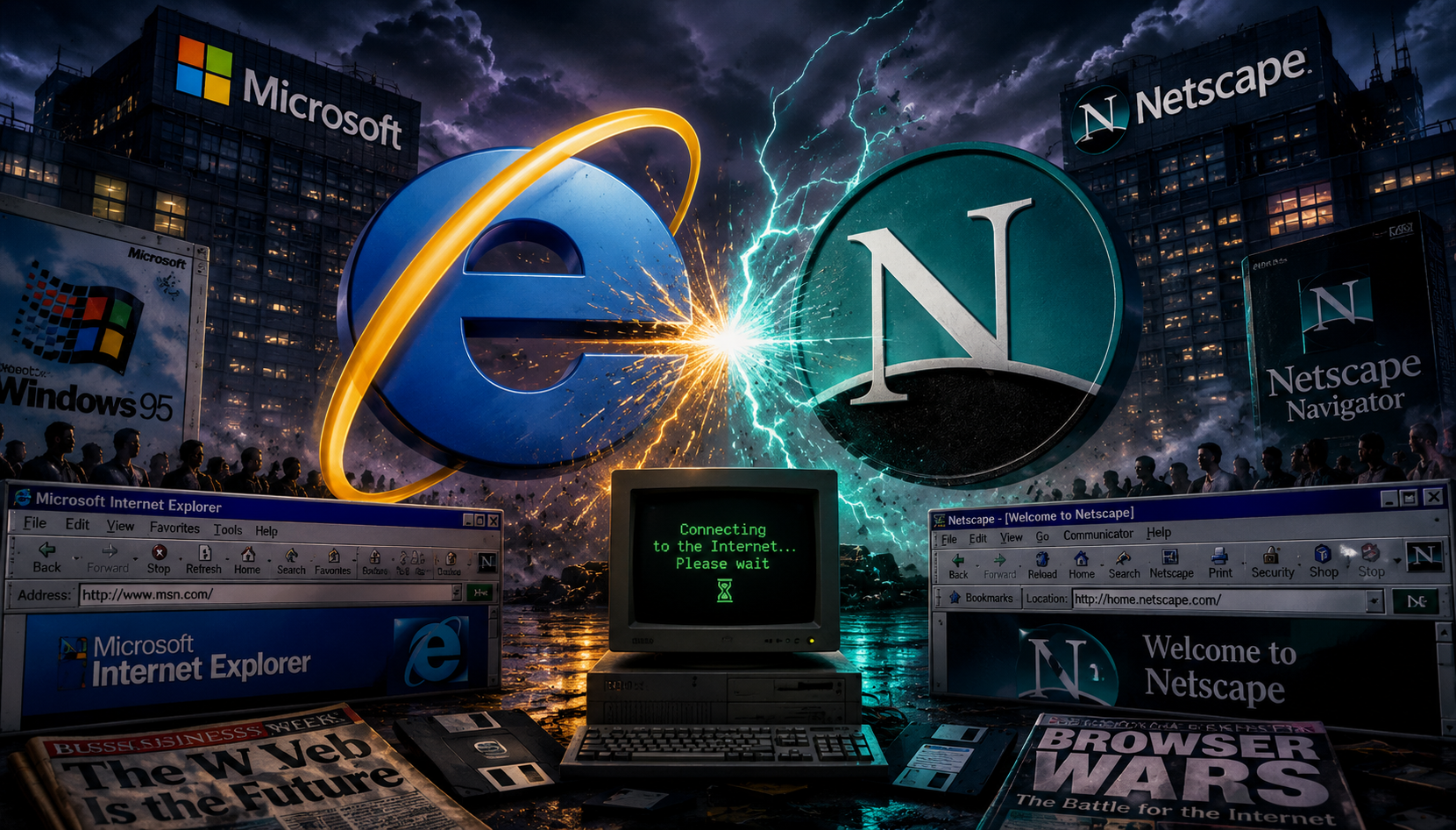
The Browser War That Built the Internet
In the mid-1990s, a software battle erupted that would shape how billions accessed information. Few could predict that the victor would soon face its own downfall.
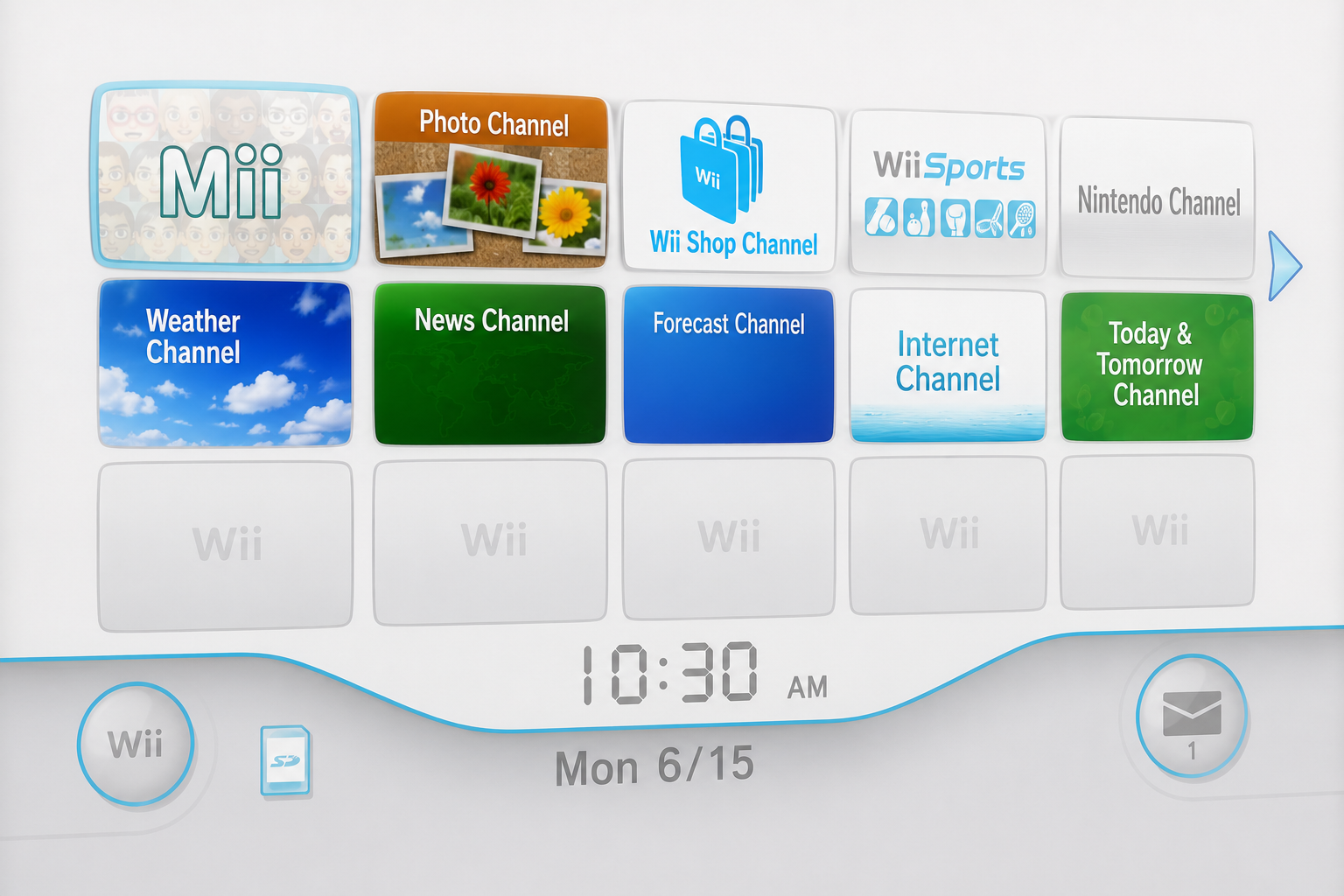
The Wii Gamble That Saved Nintendo
In a world obsessed with graphics and power, Nintendo bet on simplicity. The Wii was laughed at — until it wasn't.
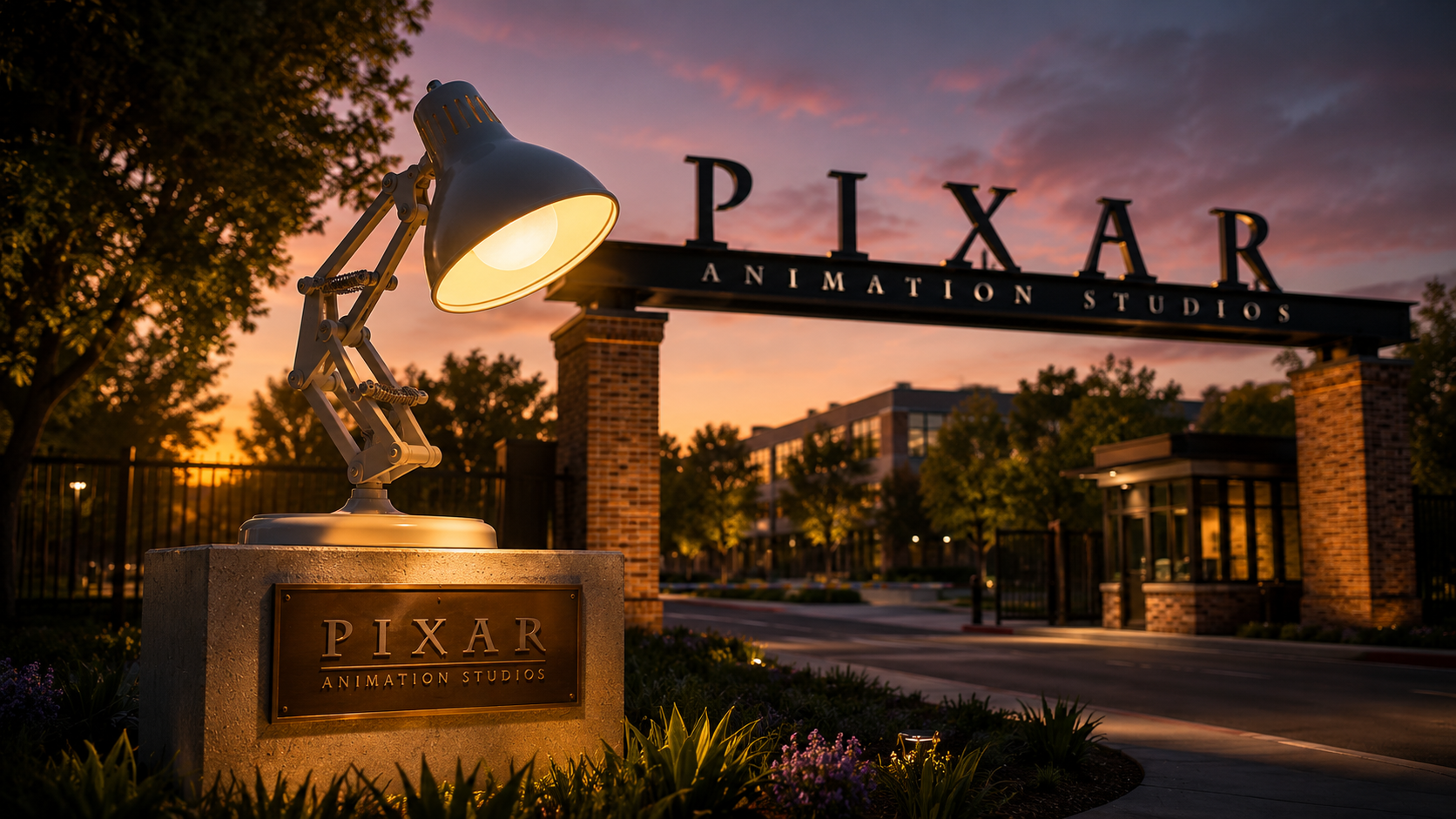
Pixar's Radical Feedback Loop
In a stark, unadorned room, some of the most powerful voices in animation face off with ruthless honesty. Their weapons? Brutal feedback that molds raw ideas into cinematic gold.
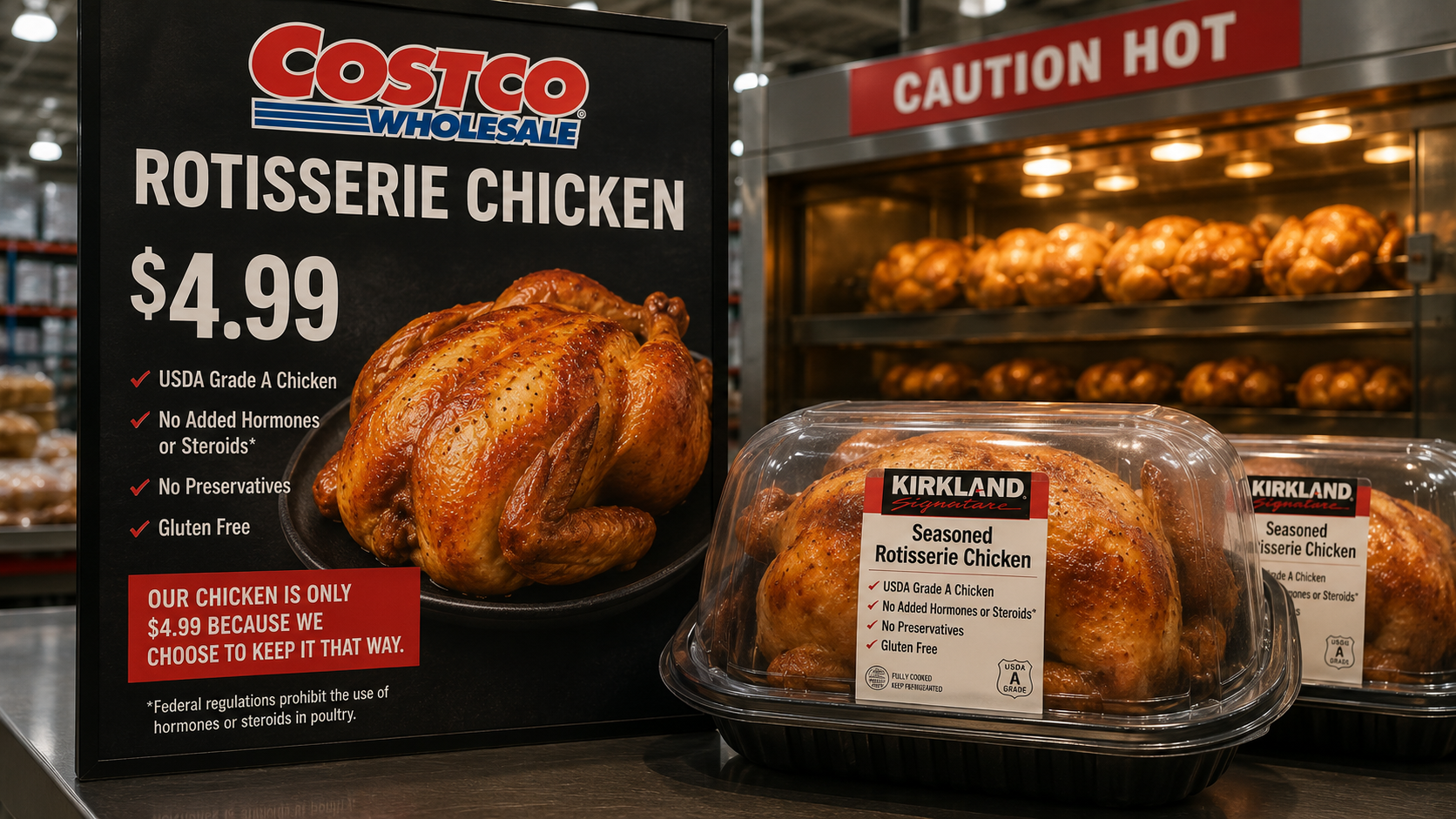
The Chicken That Changed Retail
Costco's $4.99 rotisserie chicken isn't just a meal — it's a strategic masterpiece. The unexpected ripple effects changed retail forever.
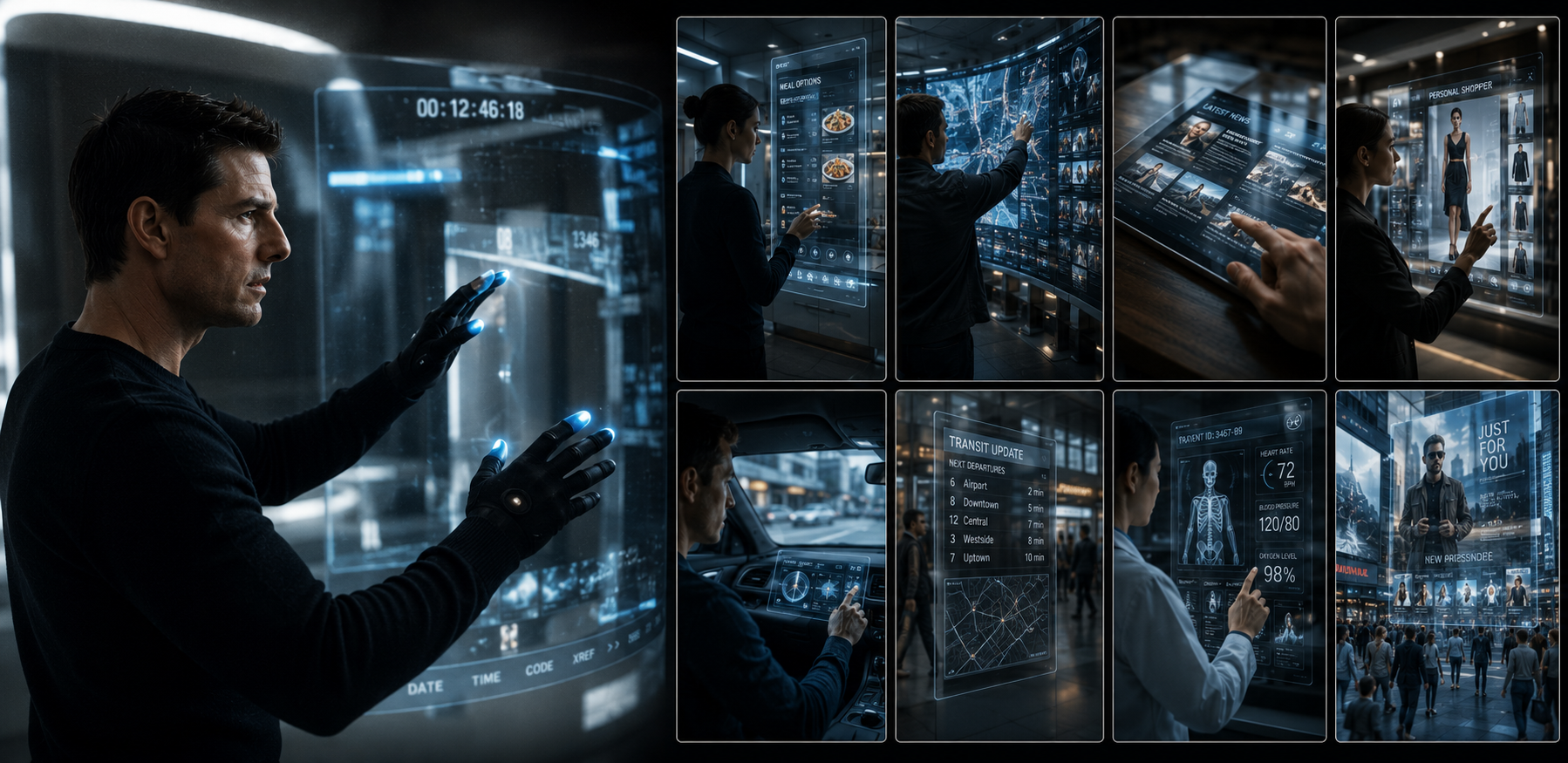
Minority Report's Prescient Touchscreen Reality
In 2002, Hollywood imagined a future of seamless touchscreen interfaces. Today, Steven Spielberg's vision feels eerily prescient as technology catches up.
Continue the Rabbit Hole
Each story explores the same idea from a different angle. Follow the connections and discover where the thread leads.
Fictional placeholder content