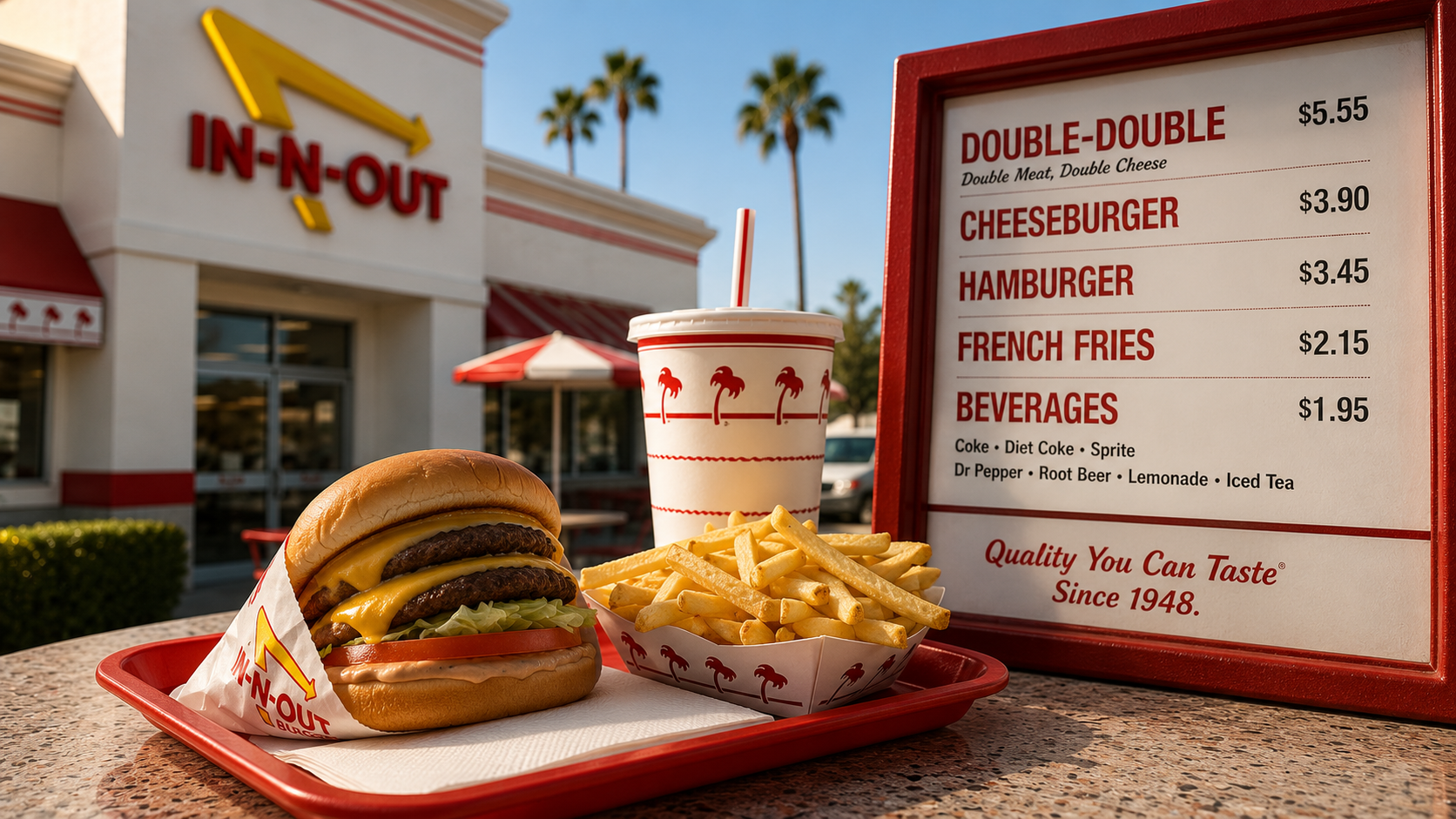
The Simplicity Gamble That Made In-N-Out
"The secret behind In-N-Out's success is a menu with just four items. Yet, those choices are a billion-dollar strategy."
What Happened?
Harry Snyder had just opened the doors of California’s first drive-thru burger stand in 1948, and already he knew one thing: simplicity was power. With just a few ingredients in his arsenal, he crafted a menu that would become legendary for its minimalistic approach. Burgers, fries, and shakes—all components executed with meticulous attention to quality. Yet this wasn’t just about keeping things easy. It was about creating a brand that stood apart, a beacon of consistency in a world drowning in choices.
The simple menu wasn't a reflection of indifference but a strategic decision that turned In-N-Out into a culinary phenomenon. Long before others caught on, Snyder realized that too many choices overwhelmed the customer. This was the Paradox of Choice brought to life. Fewer options meant quicker service and a streamlined operation that guaranteed consistency across all locations. By owning each establishment, the Snyder family ensured quality control that competitors struggled to match.
As the years passed, the menu remained largely unchanged, contrasting dramatically with the ever-expanding menus of other chains. Even when Rich Snyder expanded the company to nearly a hundred locations before his tragic passing in 1993, the menu held firm. This disciplined simplicity became In-N-Out’s competitive moat, fostering a fiercely loyal customer base and turning simplicity into sophistication.
With secret menu items like the Flying Dutchman and Animal Style, the brand added a layer of depth and mystique. Loyalists reveled in these hidden gems, proving that even within the confines of simplicity, there was room for innovation. Today, despite expanding to over 300 locations while maintaining a menu with just three core items, In-N-Out generates billions annually. Simplicity, it seems, isn't just a choice. It’s a legacy.
Takeaway
The lesson this story keeps teaching
“Simplicity cuts through clutter, creating trust and a loyal consumer base even when every instinct says to expand.”
Why People Are Talking About This
In-N-Out's story is pivotal because it challenges entrenched assumptions about consumer behavior—namely, that more options equate to greater success. Their less-is-more strategy shows the potential of simplicity to build brands.
This simplicity isn't just about fewer menu items; it's a broader philosophy impacting staff training, supply chains, and customer interactions. It reveals dynamics in business that remain relevant amid today's focus on sustainable practices.
Thread Map
7 entities · 6 connections · Hover to explore, click to inspect
This is the connection map for this thread. Every node is a person, company, event, or idea. The red lines show how they connect. Hover a node to highlight its connections. Click a node to see why it matters to this story.
How We Got Here
First In-N-Out Opened in Baldwin Park
Harry and Esther Snyder create the state's first drive-thru burger stand that would influence fast-food innovation. They pledged loyalty to simplicity, launching a menu that included only burgers, fries, and drinks.
Introduction of the 'Animal Style'
In-N-Out adds 'Animal Style' burgers, which feature mustard cooked into the patty, adding to its exclusive 'secret menu'. This further acts to deepen consumer engagement through word-of-mouth.
Double-Double Hits the Menu
The introduction of the Double-Double burger marks a significant moment by maintaining menu simplicity but enhancing choice quality. It affirms In-N-Out's commitment to high-quality offerings within a minimal menu.
Rich Snyder's Tragic Death
Rich Snyder dies in a plane crash shortly after opening the 93rd In-N-Out location. His death impacts leadership dynamics profoundly, but the company's operational principles remain unchanged.
Passing of Guy Snyder
Guy Snyder passes away, but the company remains firmly entrenched in its guiding principles. The leadership mantle would pass, but the Snyder family's vision persisted.
Expansion Into Arizona
In-N-Out successfully expands its footprint to Arizona, marking a new phase in growth that remains faithful to its operational simplicity. The move signals a precise strategy of regional expansion.
Passing of Esther Snyder
Esther Snyder passes away, but her legacy continues to guide the company's operations and ethos, emphasizing simplicity and quality.
75th Anniversary Celebration
In-N-Out celebrates its 75th anniversary, marking a cornerstone of resilience, quality, and loyalty within the fast-food industry. The milestone echoes a steadfast commitment to the founding principles.
Wait... Who Is This?
Harry and Esther Snyder opened the first In-N-Out Burger in 1948 at Baldwin Park, California, setting a template that would defy fast-food norms for decades. The simple menu, featuring just burgers, fries, and drinks, was revolutionary in its restraint during a time when everyone else was magnifying their menus. Harry's motto, 'do one thing, and do it well', would guide the family-run business over generations.
Rich Snyder's leadership through the '80s expanded the brand methodically, ignoring the frenzy to grow sprawlingly across the nation. Instead, he chose quality and strategic geographic growth, a direction sustained by his mother, Esther. The heartbreaking loss of Rich in a plane crash did not deviate the company's trajectory. While fast-food competitors raced to introduce new menu items, In-N-Out remained steadfast, unyielding in its philosophy, and the loyalty it has inspired is testament to Harry and Esther's vision.
In-N-Out has become more than just a burger stop; it embodies the paradox of offering less to achieve more.
Receipts
case study: IN-N-OUT - Mr. Dachpian's MYP Humanities, DP Economics & DP Business Management page
75 years of In-N-Out Burger history, year by year – Orange County Register
In-N-Out Burger Secret Menu Guide
How In-N-Out Turned 4 Menu Items Into $2.1 Billion a Year
In-N-Out Burger: “Simplicity is the ultimate sophistication” - Technology and Operations Management
How In-N-Out Turned A $4 Burger Into $2 Billion A Year
Same Pattern
Different story. Same lesson.
The Wii Gamble That Saved Nintendo
In a world obsessed with graphics and power, Nintendo bet on simplicity. The Wii was laughed at — until it wasn't.

The iPhone That Disrupted the World
In January 2007, Steve Jobs stepped onto the stage and introduced a device that would redefine the entire world: the iPhone. What seemed like just another gadget launch was, in fact, the dawn of a new era.
The Enigma of Oak Island
Beneath Oak Island lies a pit of promises, holding legends of buried treasure yet never yielding its secrets.
The Broadcast That Terrified America
On the night of October 30, 1938, chaos reigned as Americans believed Martians were invading. It was all fiction.
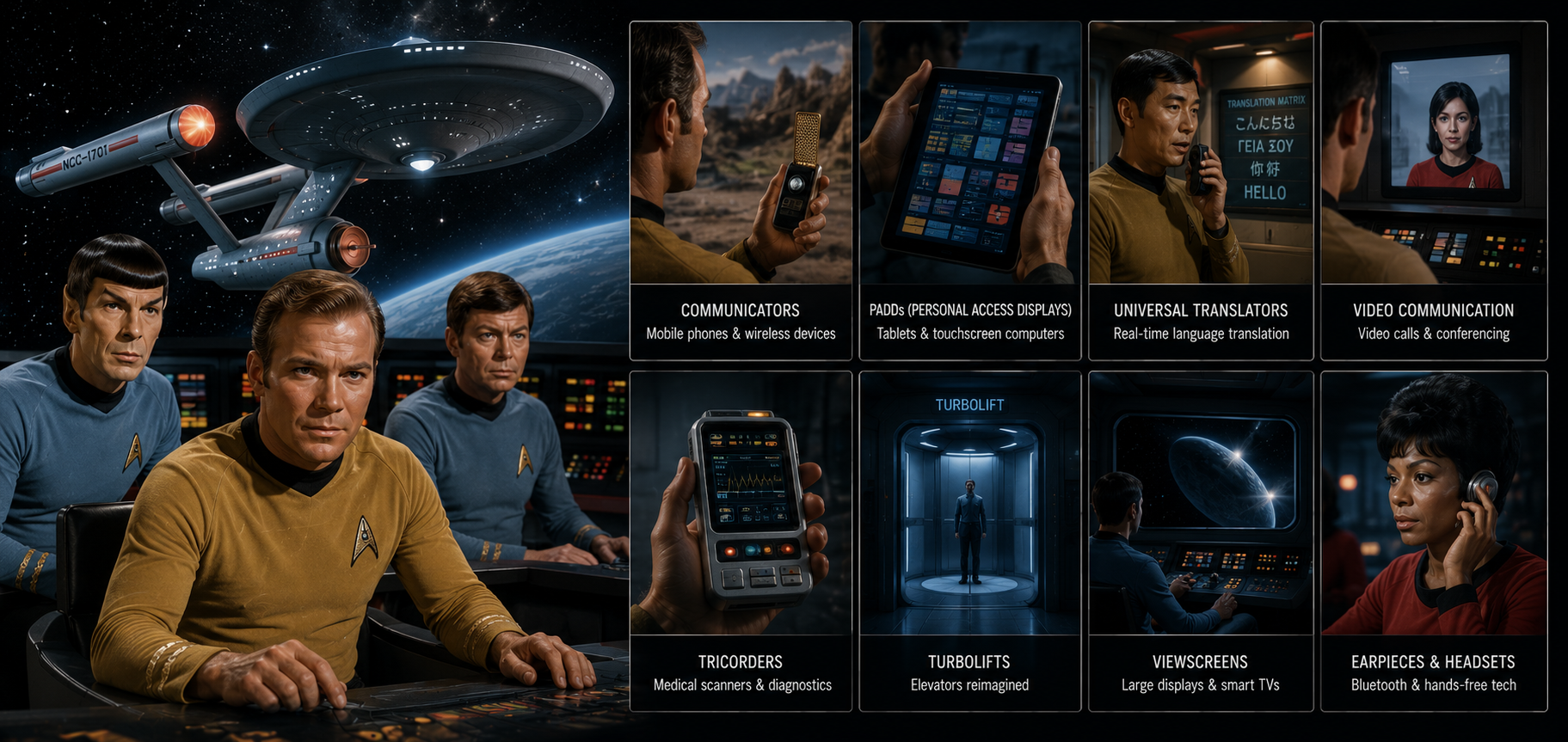
Star Trek's Blueprint for the Future
One TV series changed how we envision the future. But the even stranger twist? Its fictional tech became real.
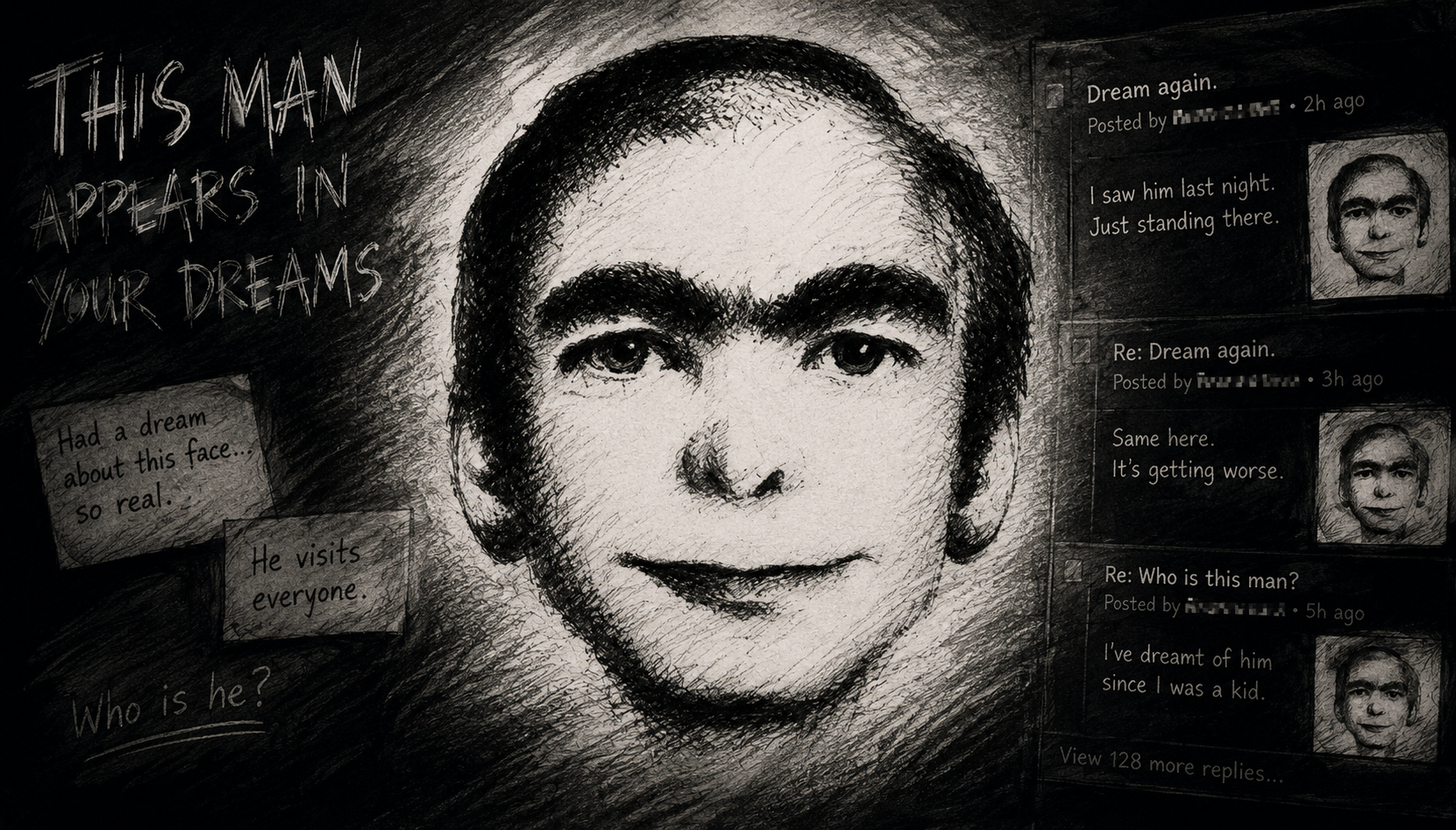
The Man in Everyone's Dreams
In the murky digital realm, a man nobody knew became the face everyone dreamed of. And the reality was even stranger.
Continue the Rabbit Hole
Each story explores the same idea from a different angle. Follow the connections and discover where the thread leads.

Fictional placeholder content