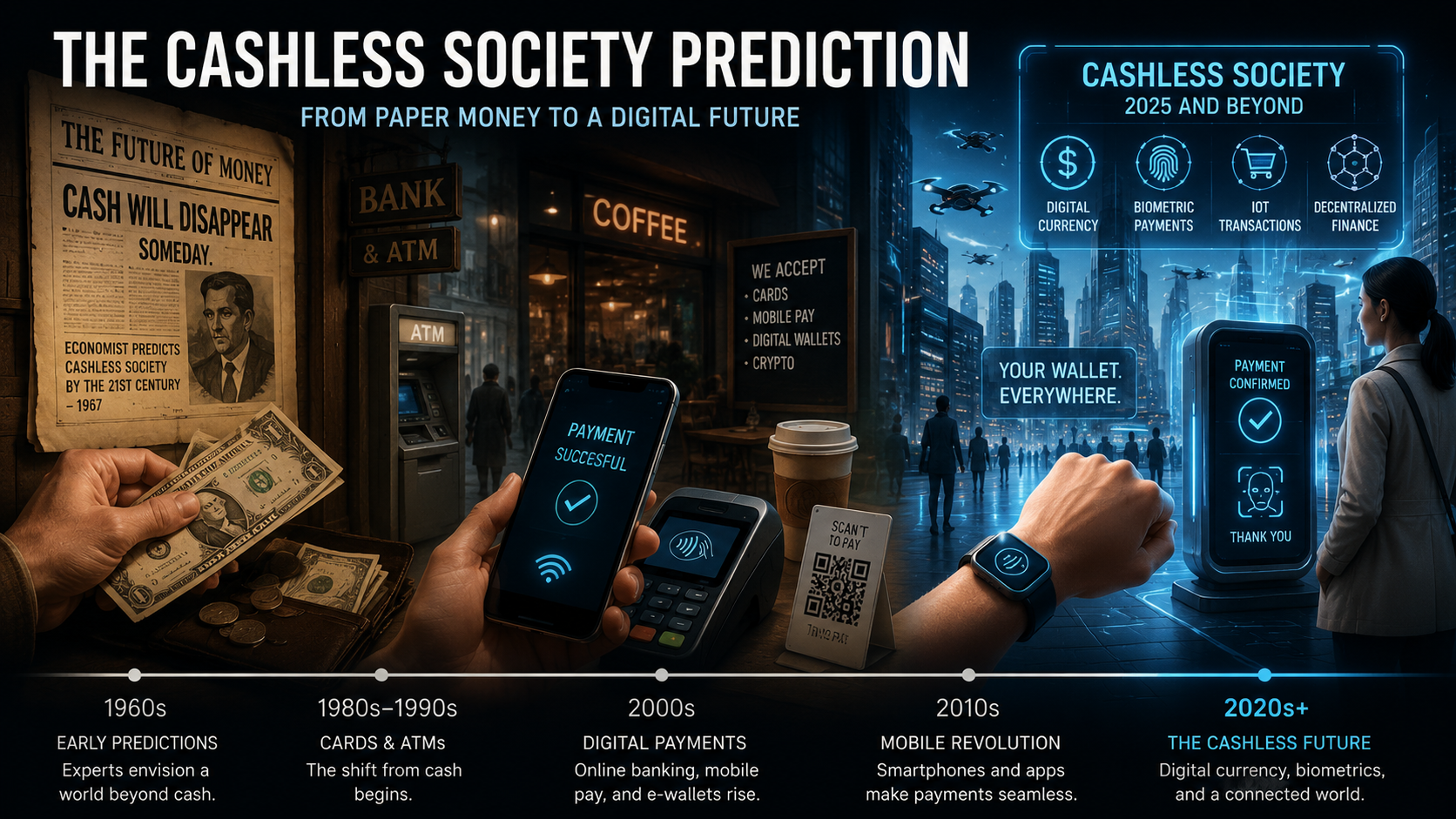
The Prediction That Changed Transactions
"In 2024, 70% of Americans believed the U.S. was drifting towards a cashless society. But a storm was brewing that questioned this inevitability."
What Happened?
The chaos in Belet Hawo, Somalia, began when digital commerce halted abruptly during battles in July 2025. Connection failures exposed the fragility of the infrastructure that supports a cashless society. Modern economies, deeply reliant on digital transactions, are increasingly vulnerable to disruptions. Yet, the momentum toward cashlessness seems unstoppable. Norway, with 98% debit card ownership, is just one example of a society nearly devoid of cash. By August 2023, Jamaica, the Bahamas, and Nigeria had launched Central Bank Digital Currency projects, showing that cash is slowly becoming an artifact of the past.
But not everyone finds this transition seamless. A 'Access to Cash' review warned of potential handicaps for disadvantaged groups as digital payments become the norm. In Scotland, 35% of people over 60 do not use the internet, and many depend on cash for budgeting, underscoring the potential risks of exclusion in a cashless world. Institutions like the Commonwealth Bank predict an Australian cashless transition by 2026, pushing the idea that this shift is imminent and inevitable.
Despite the convenience and efficiency digital transactions promise, questions linger. How will societies balance technological growth with privacy and security? The very tools that propel economic and social exchange could exacerbate financial exclusion and cyber threats. These dual-edged blades require careful navigation by policymakers. The future is cashless, but it remains unclear if everyone will share equally in its benefits. The Belet Hawo incident serves as a reminder: when infrastructure fails, the high-tech promise can collapse into a very tangible problem.
Takeaway
The lesson this story keeps teaching
“The narrative of a cashless society reveals how technology projections can shape human behavior before becoming reality.”
Why People Are Talking About This
The prediction of a cashless society isn't just about digital convenience; it exposes the cracks in our societal foundation when technology races ahead of cultural readiness. As cash shrinks, the risk of disenfranchisement grows, challenging accessibility and privacy. Witnessing this narrative unfold warns of pitfalls as the world grapples with digital evolution.
Thread Map
4 entities · 3 connections · Hover to explore, click to inspect
This is the connection map for this thread. Every node is a person, company, event, or idea. The red lines show how they connect. Hover a node to highlight its connections. Click a node to see why it matters to this story.
How We Got Here
UK's Debit Cards Eclipse Cash
In a symbolic shift, debit card transactions surpass cash payments in the UK, marking the beginning of a broader move towards digital transactions.
Global CBDC Projects Progress
By August 2023, several countries, including Jamaica and Nigeria, have launched CBDC projects, illustrating the growing trend towards national digital currencies.
Americans Anticipate Cashless Future
Card Rates survey reveals that 70% of Americans believe the US is heading towards a cashless economy, signifying a substantial shift in public expectation and acceptance.
Somalia's Digital Commerce Halt
Digital commerce in Belet Hawo, Somalia grinds to a halt due to battles disrupting telecommunications, demonstrating the vulnerabilities of digital-dependent economies.
Sweden's Cashless Milestone
Sweden emerges as a frontrunner in the cashless race, rapidly adopting digital payments and moving towards a drastically reduced cash dependency.
Australia Predicts Cashless Nation
The Commonwealth Bank forecasts an entirely cashless Australia by 2026, pushing the envelope of digital payment adoption Down Under.
China's Digital Yuan and Surveillance
China intensifies deployment of its digital yuan, stirring debates around privacy as digital currencies bring increased governmental control over financial transactions.
Critics Raise Alarm on Privacy
Voices like the UK's Access to Cash Review caution that a cashless world could erode privacy, spark financial disparities, and exclude vulnerable populations.
Wait... Who Is This?
For decades, the allure of a cashless society has been an underestimated undercurrent in the societal consciousness. When debit cards first overtook cash in the UK in 2017, it wasn't seen as a revolution but rather a convenience upgrade. Yet, as technology rapidly advanced, propelled by companies like Apple and Google pushing digital wallets, the gears of change accelerated, predicted by many futurists long before governments could fully grasp the ramifications. The narrative promised more than just consumer convenience. Experts envisioned economic benefits, clarity in financial transactions, and even environmental gains from reducing physical currency production. Little was the general public prepared for the speed with which digitalization would become less of an option and more of a foreseeable norm, with leaders in global financial systems starting to invest in robust infrastructures to support it.
Receipts
Same Pattern
Different story. Same lesson.
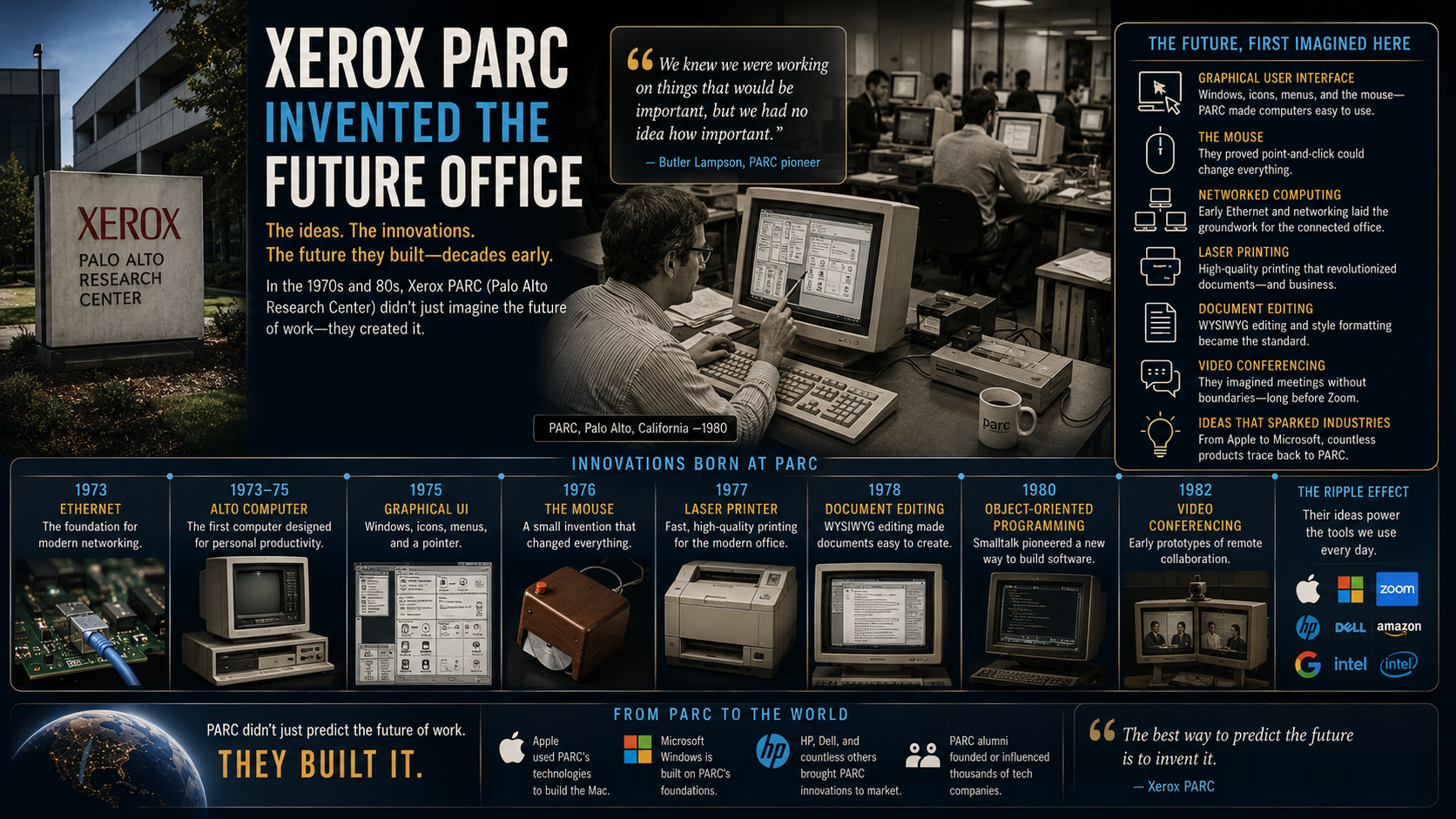
The Lab That Invented Tomorrow
In December 1979, Steve Jobs saw echoes of the future inside Xerox PARC's halls. There, in a secluded lab, lay the blueprint for the modern tech landscape.

Pixar's Radical Feedback Loop
In a stark, unadorned room, some of the most powerful voices in animation face off with ruthless honesty. Their weapons? Brutal feedback that molds raw ideas into cinematic gold.

The Browser War That Built the Internet
In the mid-1990s, a software battle erupted that would shape how billions accessed information. Few could predict that the victor would soon face its own downfall.

The Wii Gamble That Saved Nintendo
In a world obsessed with graphics and power, Nintendo bet on simplicity. The Wii was laughed at — until it wasn't.

The Chicken That Changed Retail
Costco's $4.99 rotisserie chicken isn't just a meal — it's a strategic masterpiece. The unexpected ripple effects changed retail forever.
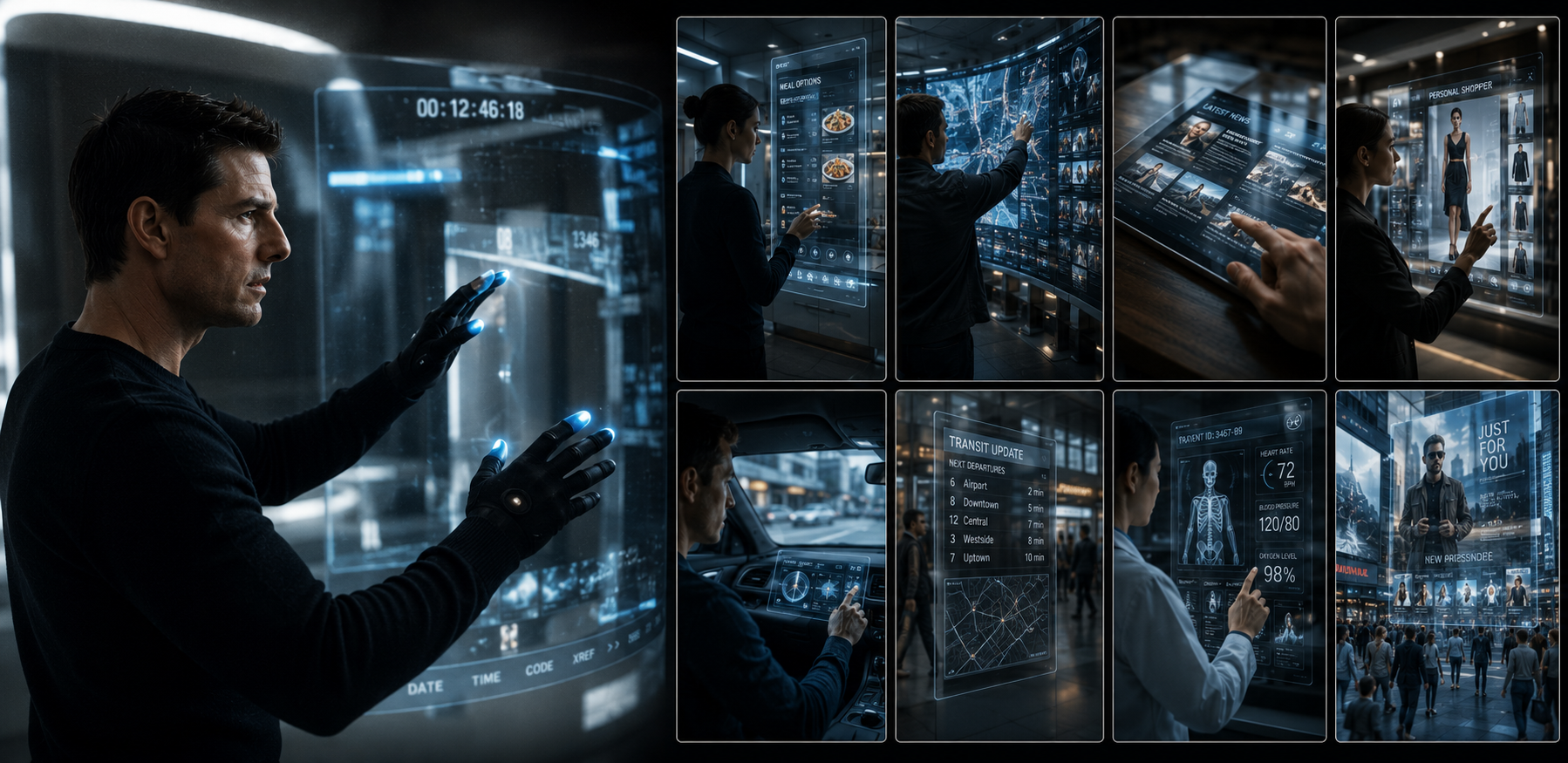
Minority Report's Prescient Touchscreen Reality
In 2002, Hollywood imagined a future of seamless touchscreen interfaces. Today, Steven Spielberg's vision feels eerily prescient as technology catches up.
Continue the Rabbit Hole
Each story explores the same idea from a different angle. Follow the connections and discover where the thread leads.


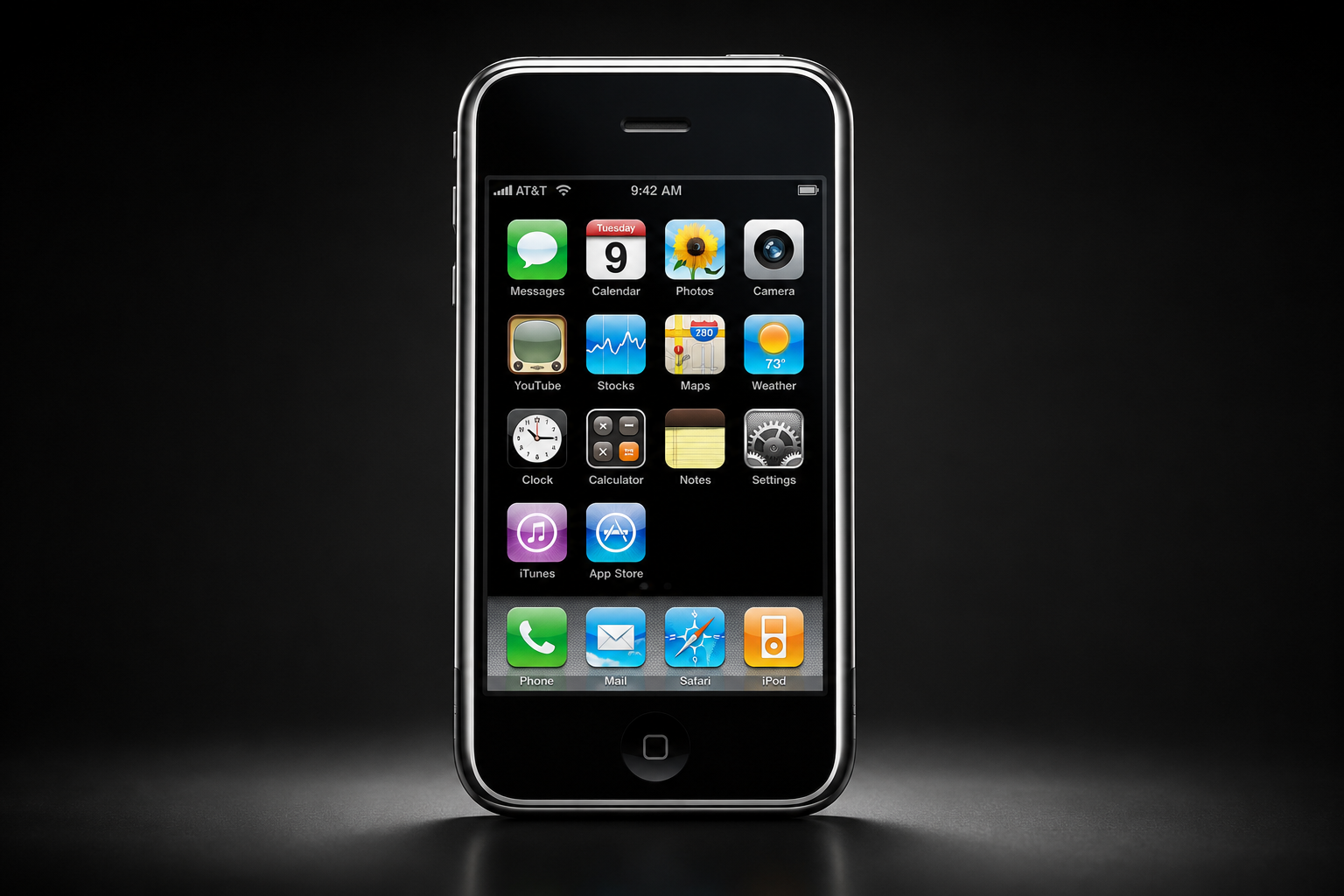


Fictional placeholder content