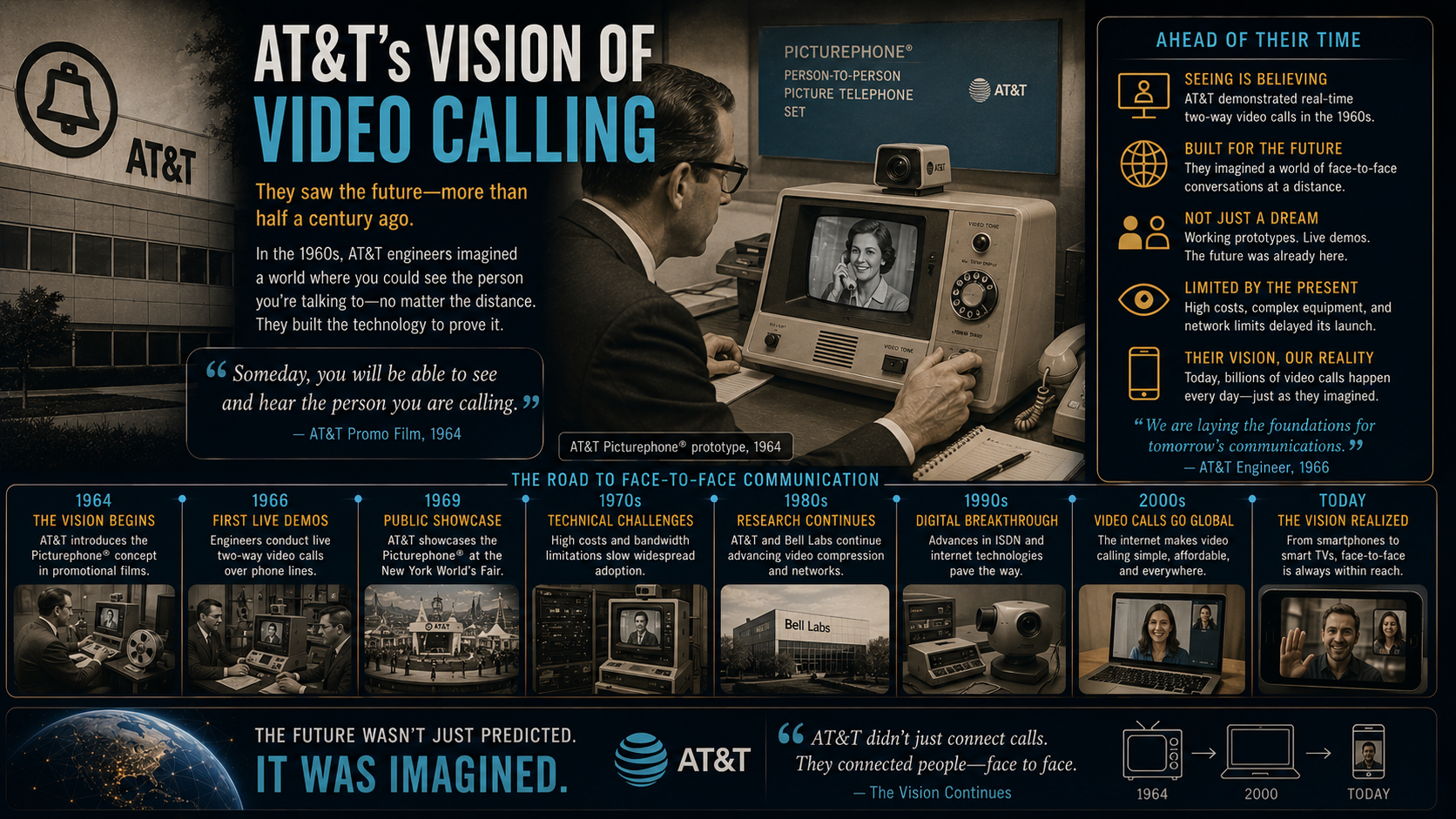
AT&T's Video Call Gamble
"In 1964, AT&T unveiled a technology that promised to bring the future into the present: the Picturephone. But the world wasn't ready for what came next."
What Happened?
The vision was ambitious—a device that could allow a two-way visual conversation across a continent. On April 20, 1964, at the New York World's Fair, AT&T presented the Picturephone Mod I, a device that promised to transform how people communicate. It was the stuff of science fiction brought to life, showcased before a fascinated audience who could scarcely believe their eyes. Yet, the Picturephone was besieged by a problem—it struggled to gain traction.
By 1969, AT&T introduced the Picturephone Mod II as an office solution capable of transmitting 30 frames per second. The company initiated plans for a national network, but public interest remained tepid. The devices were expensive, costing around $160 per month in 1970, and the initial enthusiasm started wearing thin. What seemed futuristic was beaten down by economic realities.
Despite substantial investment, the Picturephone's commercial rollout floundered. Only a few dozen sets were ever sold as individuals opted for simpler, more affordable telephone calls. The ambition that spurred AT&T's innovation found itself constrained by the limitations of its time: high costs, complex technology, and an unready market.
Yet, this wasn't merely a story of failure. The endeavor set a precedent—it opened doors to a future captured three decades later by full-color video phones in 1992, although still ahead of their time. The narrative sparked imaginations in ways companies like Zoom would eventually realize fully.
AT&T's bold venture, with its grand promises and eventual stumbles, reflects a recurring theme in technology—a precursor of how visions transform reality, even if their moment of glory arrives later than expected.
Takeaway
The lesson this story keeps teaching
“Technological innovation requires not just invention, but also the right cultural moment for adoption.”
Why People Are Talking About This
Video calling, now ubiquitous, began with a shaky debut that foreshadowed the intersection of invention and consumer readiness. It highlights how society often needs time to catch up with the most futuristic ideas. AT&T's misstep with the Picturephone shows how breakthroughs must navigate not just technological hurdles, but cultural and economic ones as well.
Thread Map
9 entities · 8 connections · Hover to explore, click to inspect
This is the connection map for this thread. Every node is a person, company, event, or idea. The red lines show how they connect. Hover a node to highlight its connections. Click a node to see why it matters to this story.
How We Got Here
AT&T Unveils the Picturephone
Amid much fanfare, AT&T presented the Picturephone at the New York World's Fair. It was meant to usher in an era of visual communication, yet its high cost and functional limitations soon became glaring.
Picturephone Mod II Makes a Debut
AT&T launched the Picturephone Mod II, enhanced with better frame rates yet still hobbled by poor market reception. Its commercial viability remained elusive.
Compression Labs Launches CLI T1
Compression Labs introduced the CLI T1, the first commercial group video conferencing system. Competition heated up as rivals moved past AT&T's early stumbles.
AT&T's Full-Color Video Phone Launch
Determined to correct past missteps, AT&T revealed a full-color video phone. Yet again, it faced market hurdles as adoption failed to mirror expectations.
AT&T's Vision of the Future
In 1993, a promotional campaign by AT&T nostalgically revisited video calling, rejuvenating public interest. The messages forecasted technology’s ultimate ubiquity.
Firing of Aaron Slator
Amid a controversy that engulfed AT&T’s executive ranks, Aaron Slator was fired, affecting the company’s internal stability and raising questions about its leadership.
Video Calling Hits Mainstream
As technology advanced, video calling finally took off globally through platforms like Zoom and Skype, eclipsing the Picturephone’s legacy yet realizing its original vision.
Pandemic Accelerates Video Calling
The COVID-19 pandemic forced a global conversion to digital communication, with video calls burgeoning as essentials amid an unprecedented shift to remote interaction.
Wait... Who Is This?
In 1964, the New York World's Fair buzzed with excitement as innovations on display promised to redefine the future. Amid the futuristic pavilions was a peculiar sight — AT&T's Picturephone. This wasn't just a phone; it was a window to a new kind of connected reality where seeing someone meant dialing them. Yet, as much as this innovation dazzled, its conception was fraught with challenges. The Picturephone emerged from decades of AT&T's dreams. Bell Labs nurtured this technology to revolutionize communication. However, the fair's buzz wouldn't translate into consumer frenzy. The Picturephone was expensive and restricted in use, hamstrung by infrastructure limitations and societal readiness. Meanwhile, cultural icons like
Receipts
50th Anniversary of Video Calling
AT&T's vision of the future, circa 1993 - AT&T Archives - YouTube
The Long History of Video Chats—Before Coronavirus and Zoom
AT&T Picturephone Helped Usher in the Video Conference Era | BizTech Magazine
The History and Evolution of Video Conferencing
Same Pattern
Different story. Same lesson.

The Wii Gamble That Saved Nintendo
In a world obsessed with graphics and power, Nintendo bet on simplicity. The Wii was laughed at — until it wasn't.
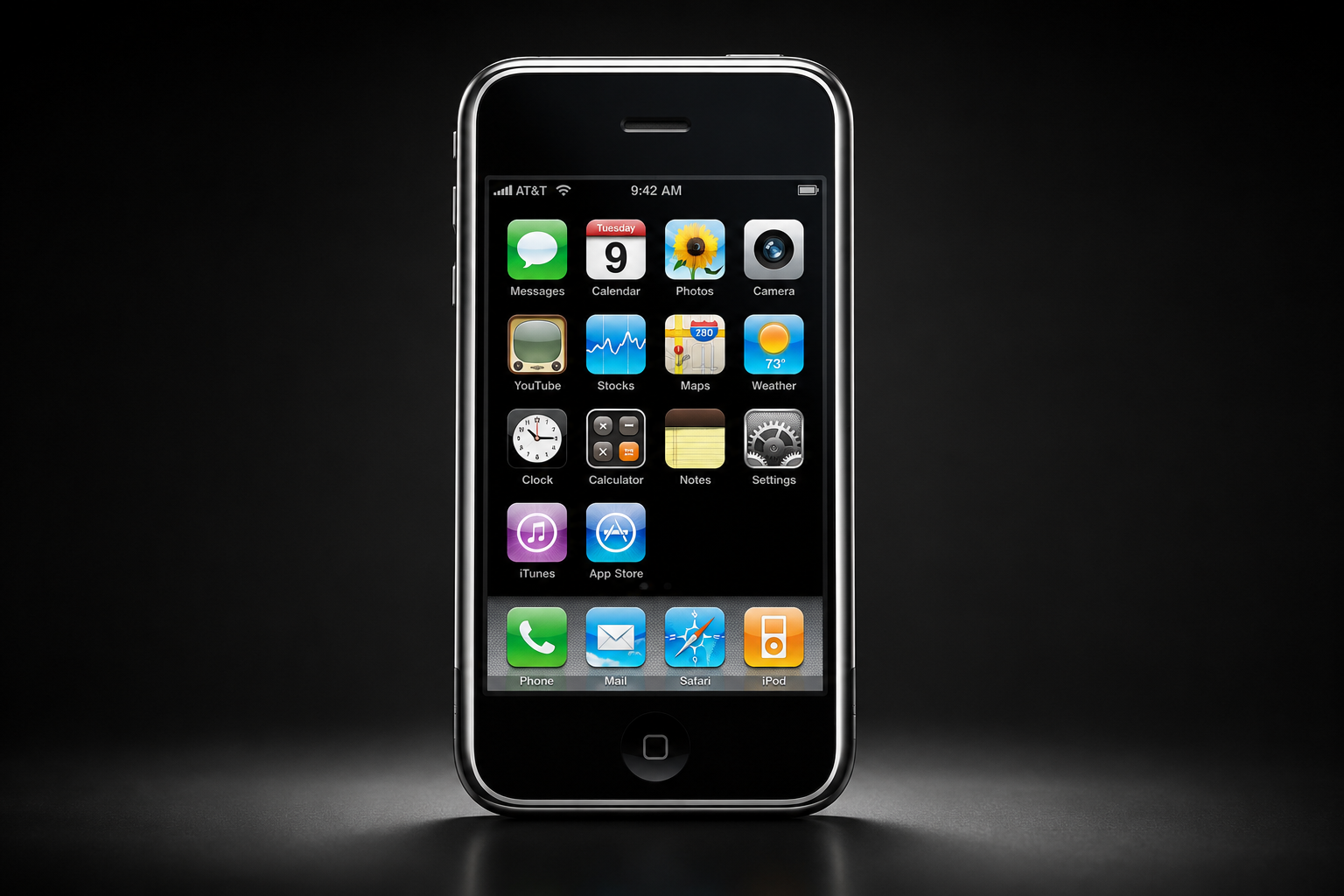
The iPhone That Disrupted the World
In January 2007, Steve Jobs stepped onto the stage and introduced a device that would redefine the entire world: the iPhone. What seemed like just another gadget launch was, in fact, the dawn of a new era.
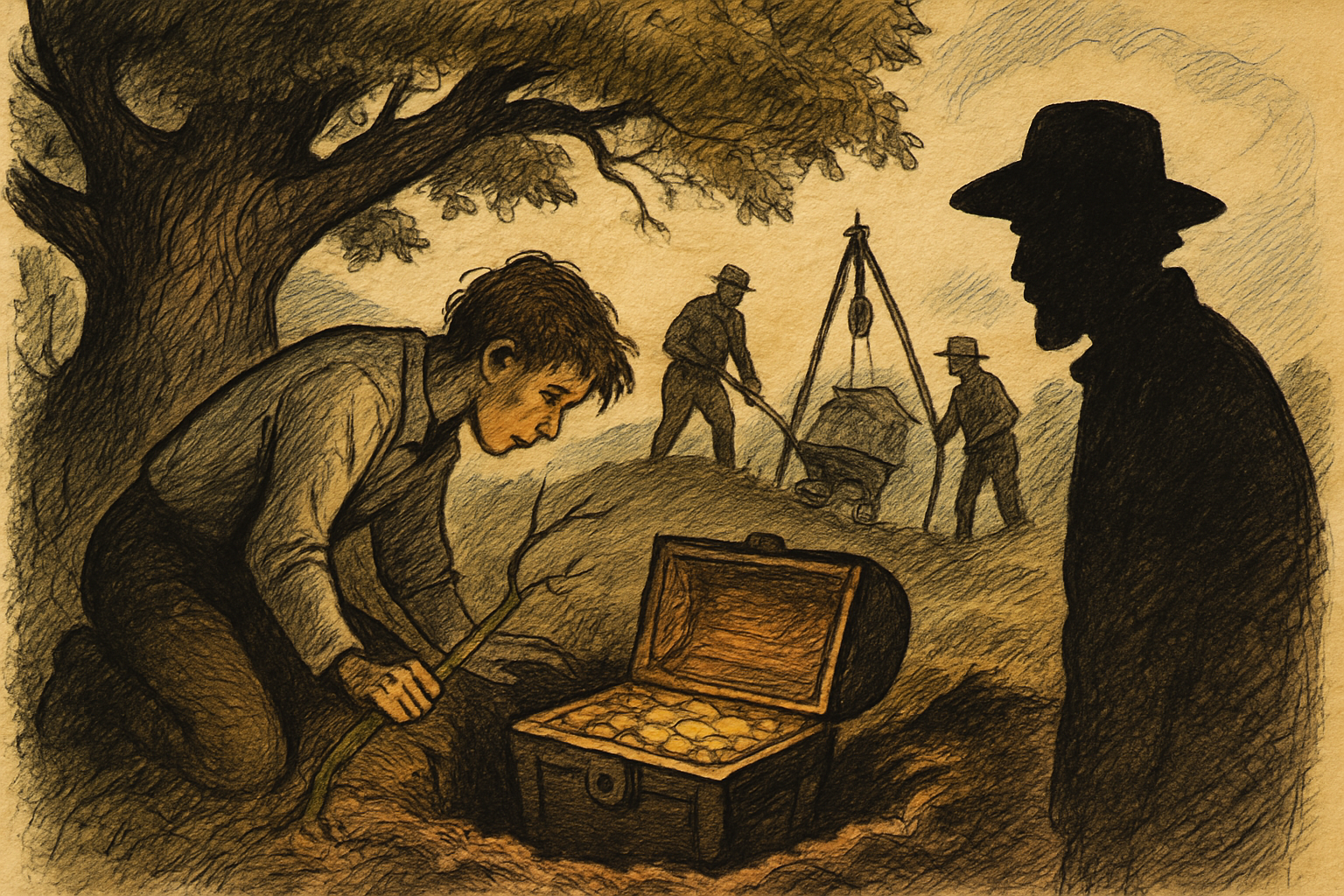
The Enigma of Oak Island
Beneath Oak Island lies a pit of promises, holding legends of buried treasure yet never yielding its secrets.
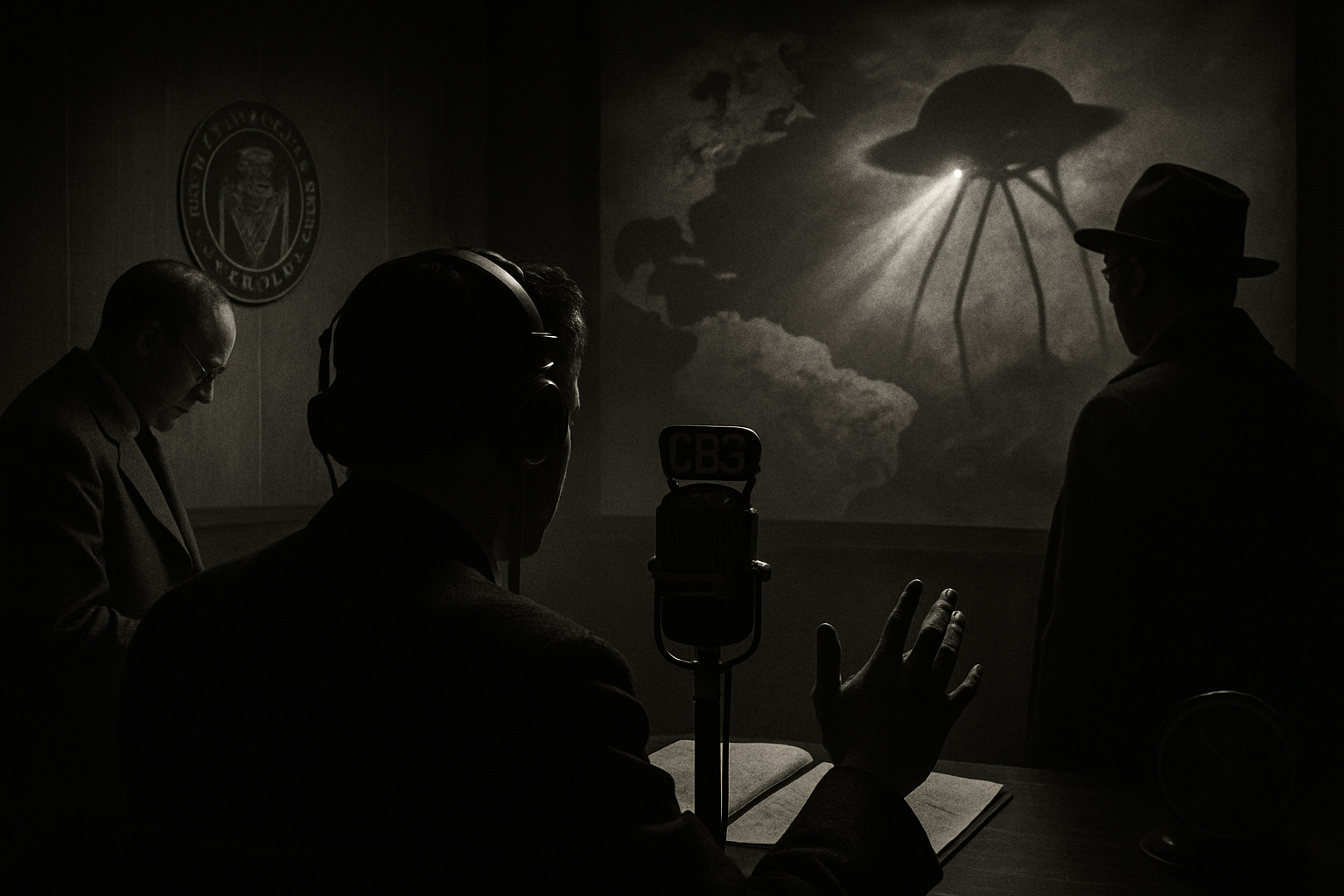
The Broadcast That Terrified America
On the night of October 30, 1938, chaos reigned as Americans believed Martians were invading. It was all fiction.
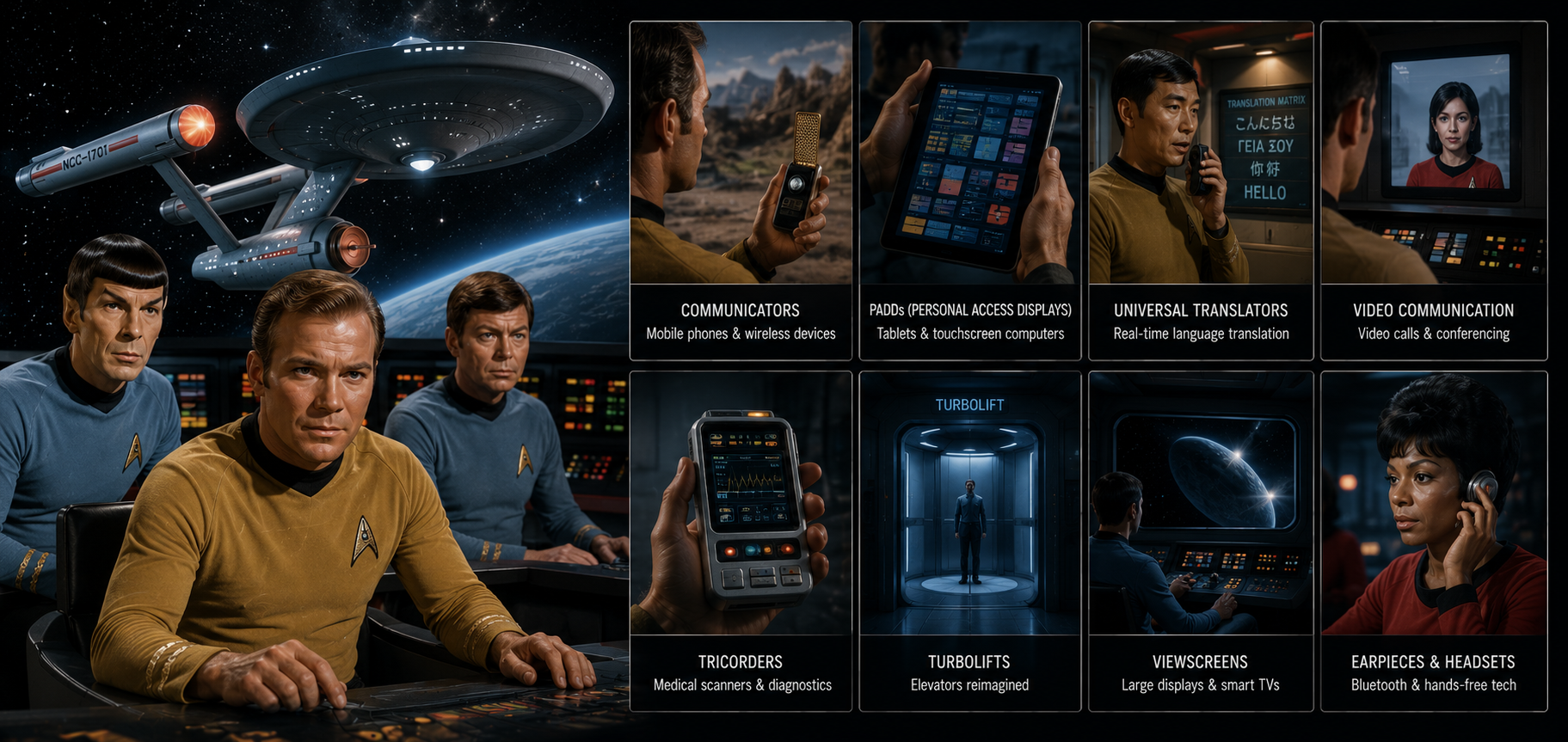
Star Trek's Blueprint for the Future
One TV series changed how we envision the future. But the even stranger twist? Its fictional tech became real.
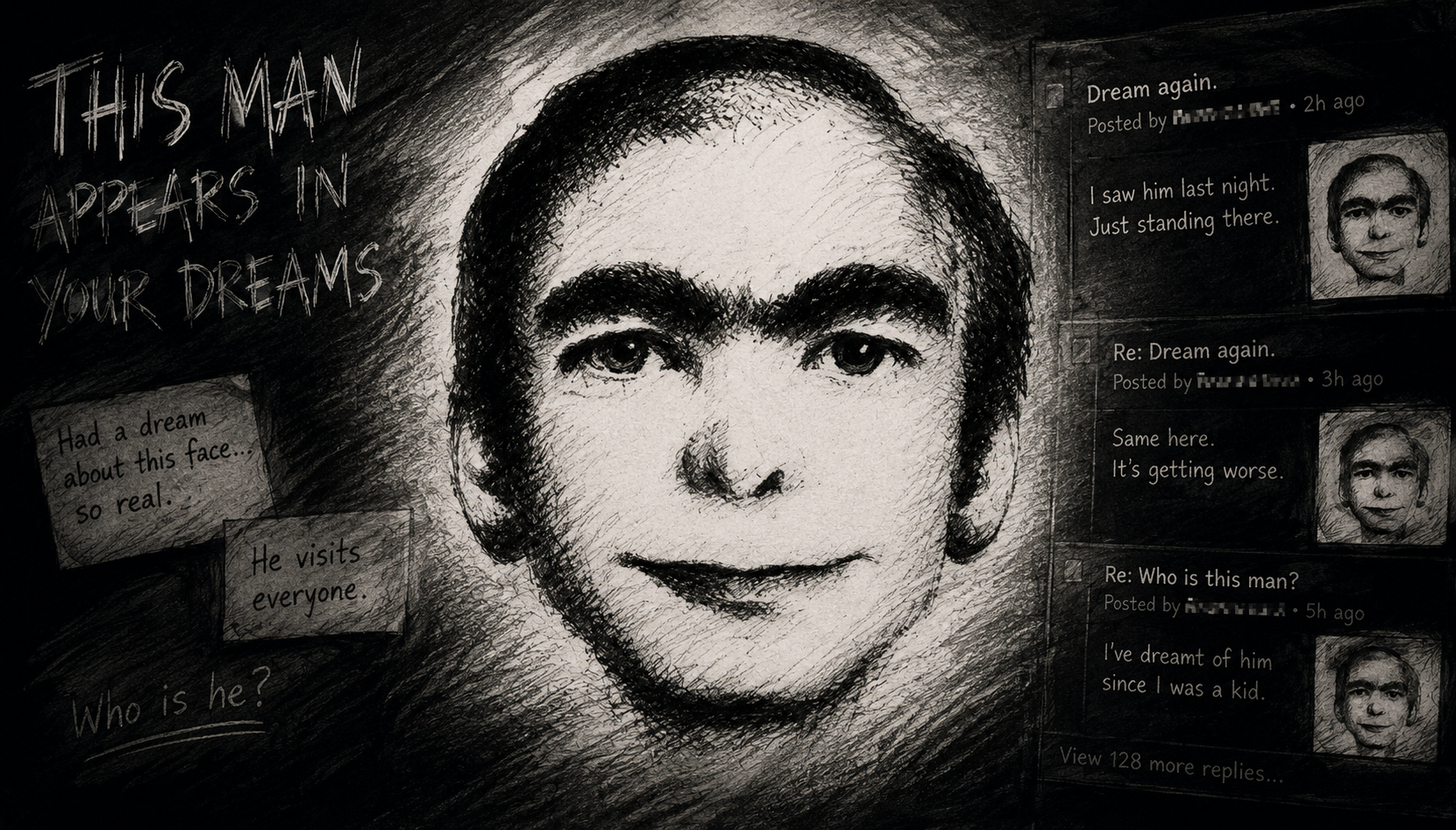
The Man in Everyone's Dreams
In the murky digital realm, a man nobody knew became the face everyone dreamed of. And the reality was even stranger.
Continue the Rabbit Hole
Each story explores the same idea from a different angle. Follow the connections and discover where the thread leads.



Fictional placeholder content