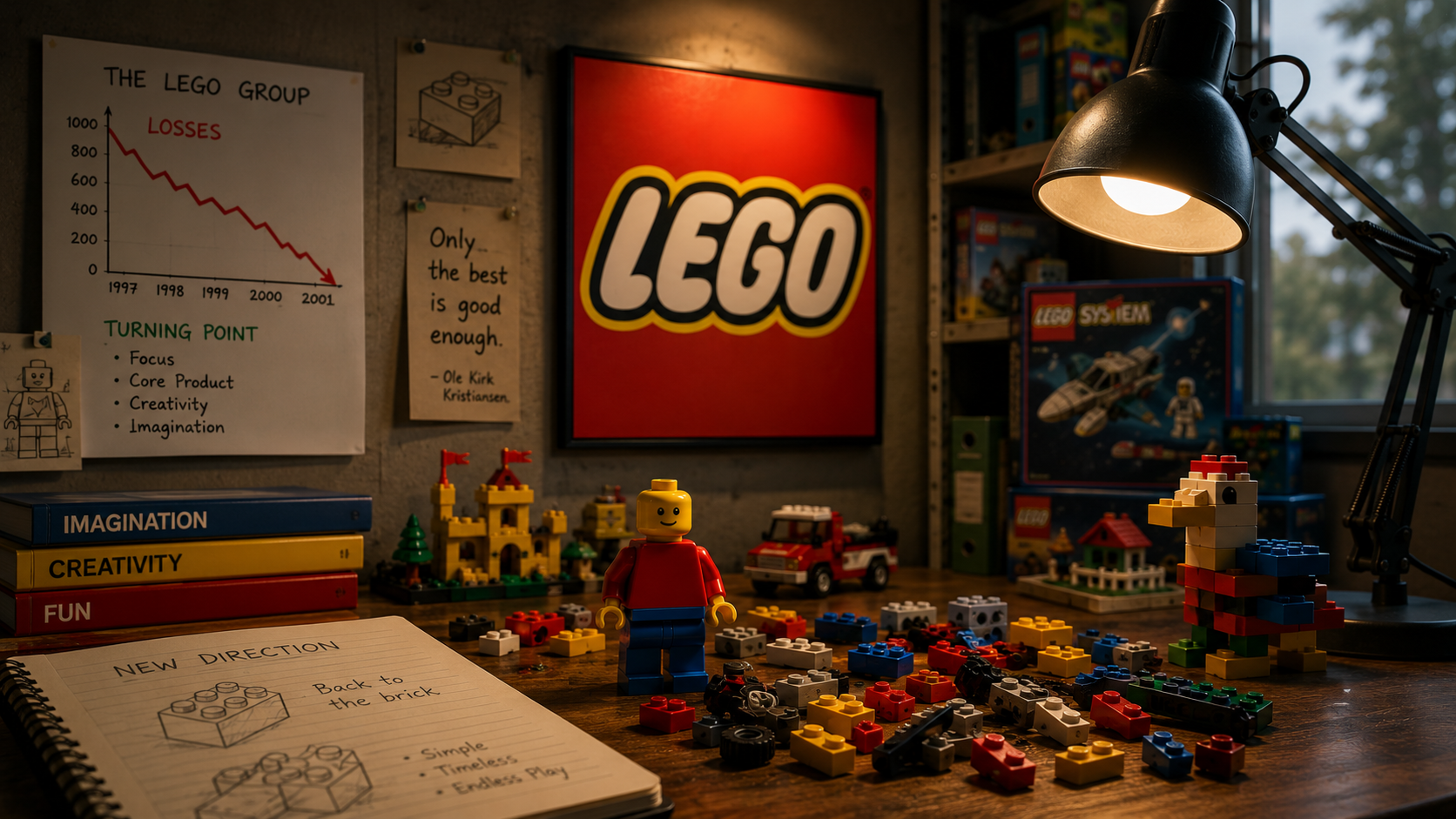
How LEGO Nearly Lost It All — And Bounced Back
"In the early 2000s, LEGO stood on the brink of disaster, a billion-dollar loss threatening its legacy. But in a surprising twist, a new leader's radical strategy brought the iconic brand back to life."
What Happened?
In 2004, the vibrant world of LEGO was crumbling under the glare of its own innovations. The Danish company, once hailed as the 'Toy of the Century,' staggered on the brink of bankruptcy, with losses mounting to a staggering £174 million that year. Mads Nipper, the Executive Vice-President of Marketing, later reflected on their overexpansion and relentless pursuit of digital transformation, noting, "We failed to realize that we were on a slippery path." It was a classic case of a brand that had outrun itself in the pursuit of new horizons.
At the center of this crisis was Jørgen Vig Knudstorp, who stepped into the role of CEO with a plan rooted not in more expansion, but in contraction. Knudstorp’s radical approach didn’t add complexity; it stripped it away. He abandoned theme parks, digital ventures, and endless product lines, focusing instead on the core product that had made LEGO famous—simple, interlocking bricks. By late 2005, LEGO had divested itself of distractions, narrowing its focus to its original creative ethos.
Yet, the turnaround was not immediate. It required strategic patience and faith in a vision that seemed counterintuitive at a time when every market demand screamed otherwise. The gamble eventually paid off. LEGO’s return to its roots saw it reemerge not only stable but triumphant, successfully launching products like The LEGO Movie, which raked in $69 million on its opening weekend in 2014, anchoring its renewed brand identity.
LEGO’s saga is a testament to the dangers of losing sight of what makes a brand valuable. In chasing the new, the timeless nearly disappeared, but it was pulled back by a decision to honor its origins. This decision, often shared in boardrooms as a cautionary tale, is a reminder that sometimes, doing less is the most innovative step of all.
Takeaway
The lesson this story keeps teaching
“Success often emerges from the ashes of failure when innovation meets necessity.”
Why People Are Talking About This
LEGO's story isn't just about colorful bricks. It's about corporate vigilance and how easily a brand can falter if it loses sight of its core vision.
In a rapidly changing market landscape, LEGO's resurgence provides a roadmap on navigating turbulence while remaining vital. Look to LEGO as a symbol of how reinvention isn't a betrayal of origin but a celebration of it.
Thread Map
6 entities · 5 connections · Hover to explore, click to inspect
This is the connection map for this thread. Every node is a person, company, event, or idea. The red lines show how they connect. Hover a node to highlight its connections. Click a node to see why it matters to this story.
How We Got Here
LEGO Faces Its Worst Fiscal Year
LEGO reported close to a billion dollars in losses, prompting existential questions about its future. The crisis sparked wide concern both internally and across the toy industry.
Jørgen Vig Knudstorp Becomes CEO
Jørgen Vig Knudstorp is appointed as LEGO's new CEO, charged with turning the company around amidst its deepening financial crisis. His leadership marked the start of radical changes.
LEGO Sells LEGOland Parks
To refocus resources, LEGO divested its stake in its theme parks, a move instrumental in cutting costs and refocusing on core product lines.
Rethinking Product Lines
Under Knudstorp, LEGO trimmed its product line by nearly 40%, focusing more on its key products. This refocusing proved crucial in stabilizing finances.
First Profitable Year Since Crisis
LEGO records its first substantial profit since the early 2000s crisis, signaling the effectiveness of its new strategic direction.
The LEGO Movie Premieres
A cultural phenomenon, 'The Lego Movie' grossed $69 million on opening weekend and reignited public interest in LEGO products.
LEGO Becomes World’s Largest Toy Manufacturer
Officially surpassing Mattel, LEGO claimed the title of the world's largest toy manufacturer, marking the peak of its remarkable recovery.
Continued Commitment to Core Products
As a strategy that continues to this day, LEGO maintains its emphasis on core products, with a consistent focus on innovation aligned with its original values.
Wait... Who Is This?
What drives a juggernaut like LEGO to the brink of collapse? It begins with unchecked ambition. By the late 1990s, LEGO saturated markets with innovations and brands that bore only a glancing relation to the core product. Theme parks and video games diluted focus. Meanwhile, competitors nimbler and leaner made incursions into LEGO's territory, but the leadership seemed blind to these threats. Then you have a change in generation — young managers full of ideas not modeled on the company's traditional strengths. Amidst this turmoil, LEGO's leadership underestimated the oncoming wave of digital disruption.
As executives sat through meetings on how to divest theme parks and cut costs, LEGO fans pondered an impending loss. Would the brand that inspired play and imagination live another day, or would it join defunct giants as a relic of past glory? The 2000s found LEGO at a crossroads. Emblematic of a broader shift in global commerce, LEGO's challenges were mirrored across industries where legacy giants grappled to render the old new and the simple desirable again.
Receipts
How the LEGO Company Almost Went Bankrupt: A History
The rise and fall of LEGO: From near bankruptcy to the world's ...
How Lego Made a Huge Turnaround - Business Insider
Lessons from The LEGO Turnaround
LEGO: Strategic Turnaround Through Innovation and Focus
Innovation Almost Bankrupted LEGO - Until It Rebuilt with a ...
Same Pattern
Different story. Same lesson.
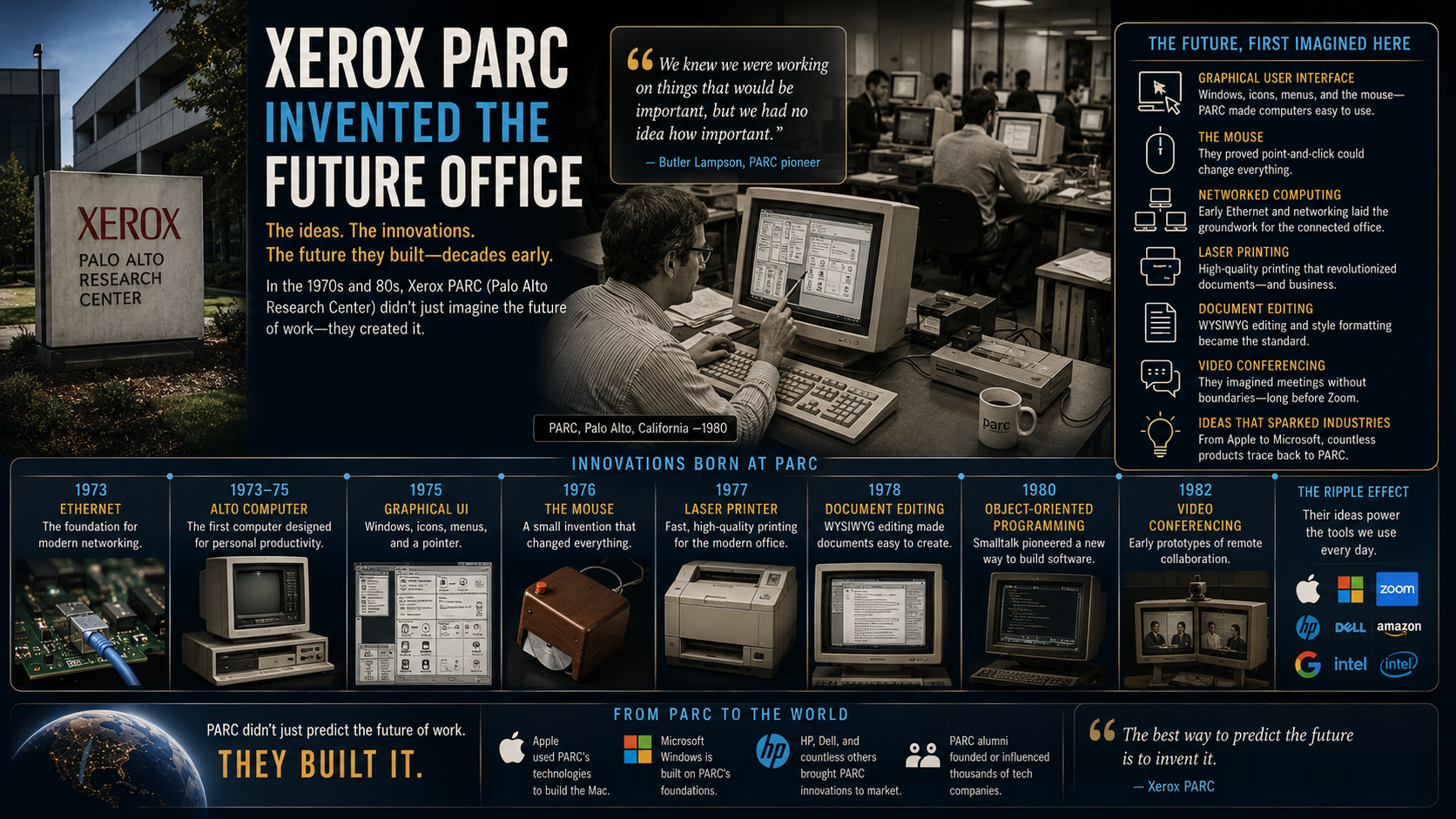
The Lab That Invented Tomorrow
In December 1979, Steve Jobs saw echoes of the future inside Xerox PARC's halls. There, in a secluded lab, lay the blueprint for the modern tech landscape.
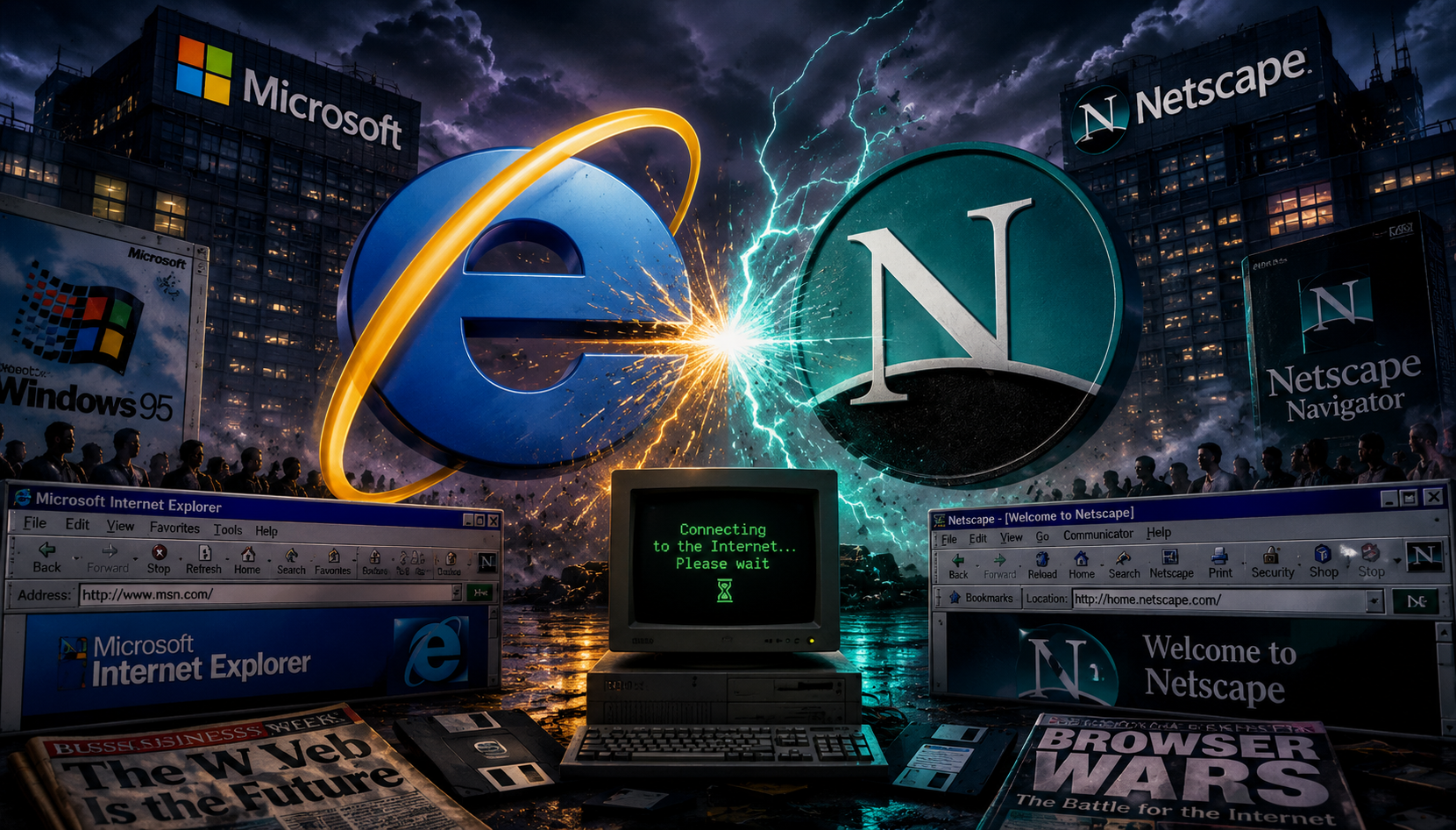
The Browser War That Built the Internet
In the mid-1990s, a software battle erupted that would shape how billions accessed information. Few could predict that the victor would soon face its own downfall.
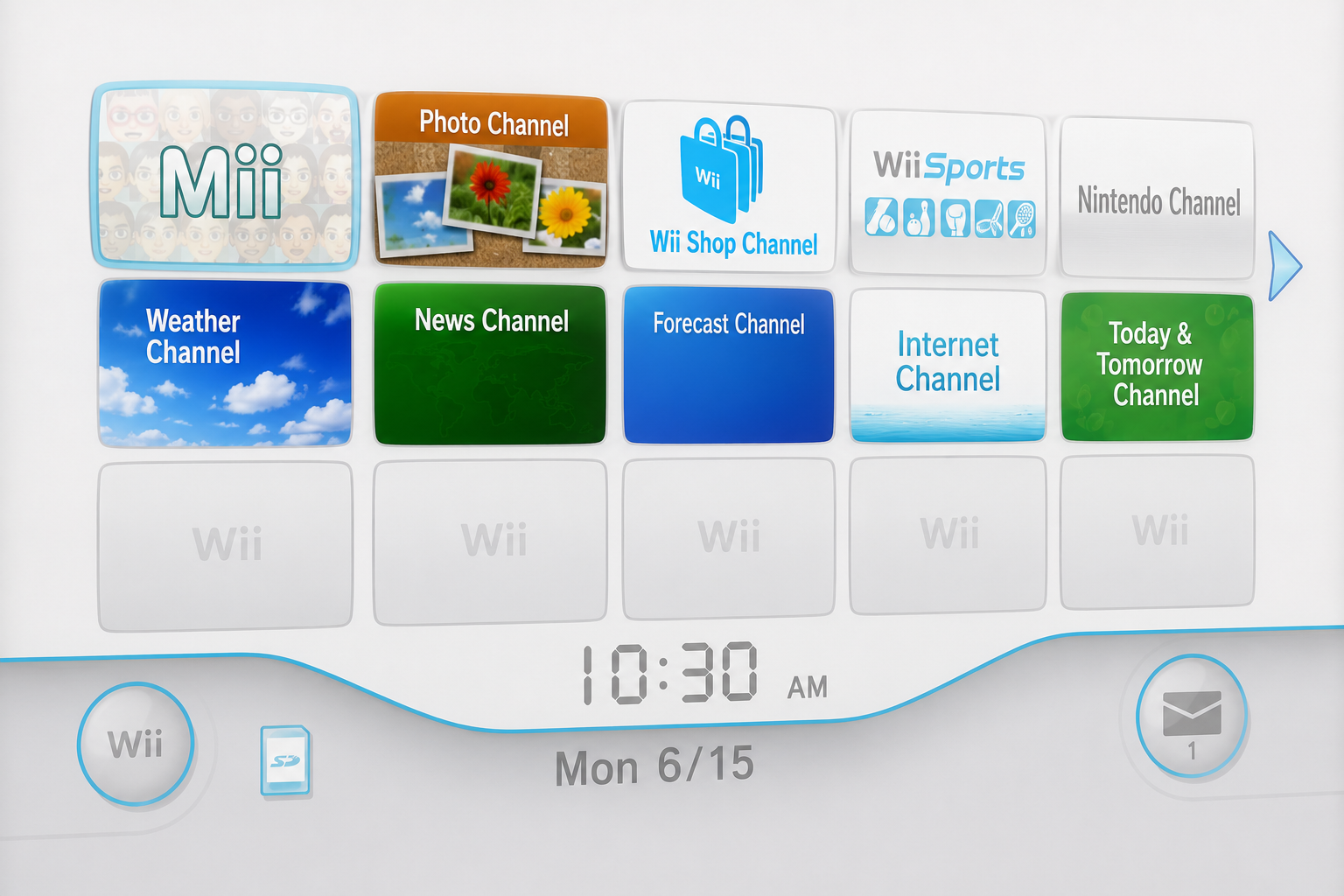
The Wii Gamble That Saved Nintendo
In a world obsessed with graphics and power, Nintendo bet on simplicity. The Wii was laughed at — until it wasn't.

The Chicken That Changed Retail
Costco's $4.99 rotisserie chicken isn't just a meal — it's a strategic masterpiece. The unexpected ripple effects changed retail forever.
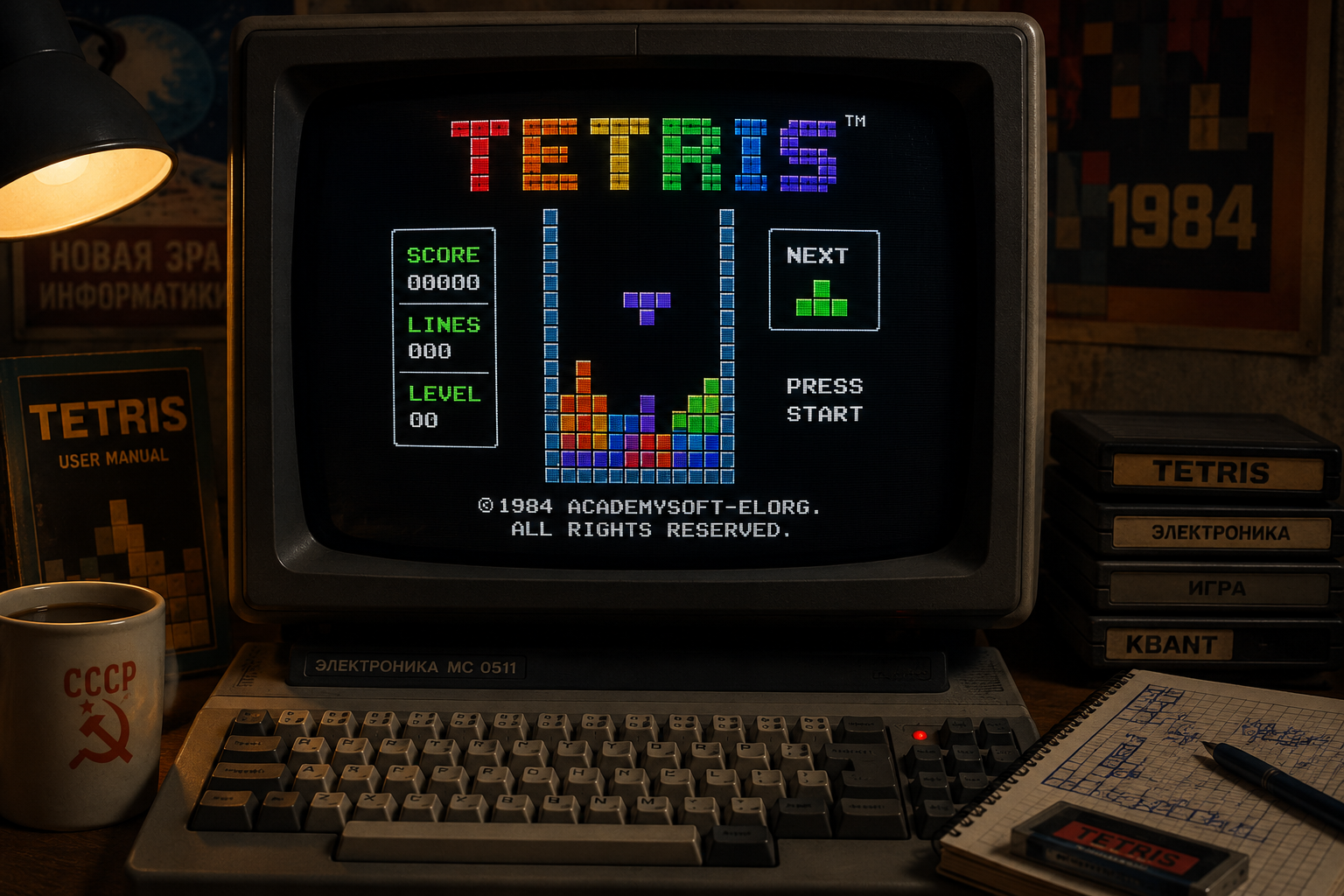
The Puzzle that Conquered the World
A Soviet engineer at his desk, unknowingly poised to create a legend. His creation? Tetris — a game that would break barriers and forever alter the gaming landscape.

Cracking the Cicada Code
In 2012, an enigmatic online puzzle appeared that promised enlightenment. But who was behind Cicada 3301?
Continue the Rabbit Hole
Each story explores the same idea from a different angle. Follow the connections and discover where the thread leads.

Fictional placeholder content