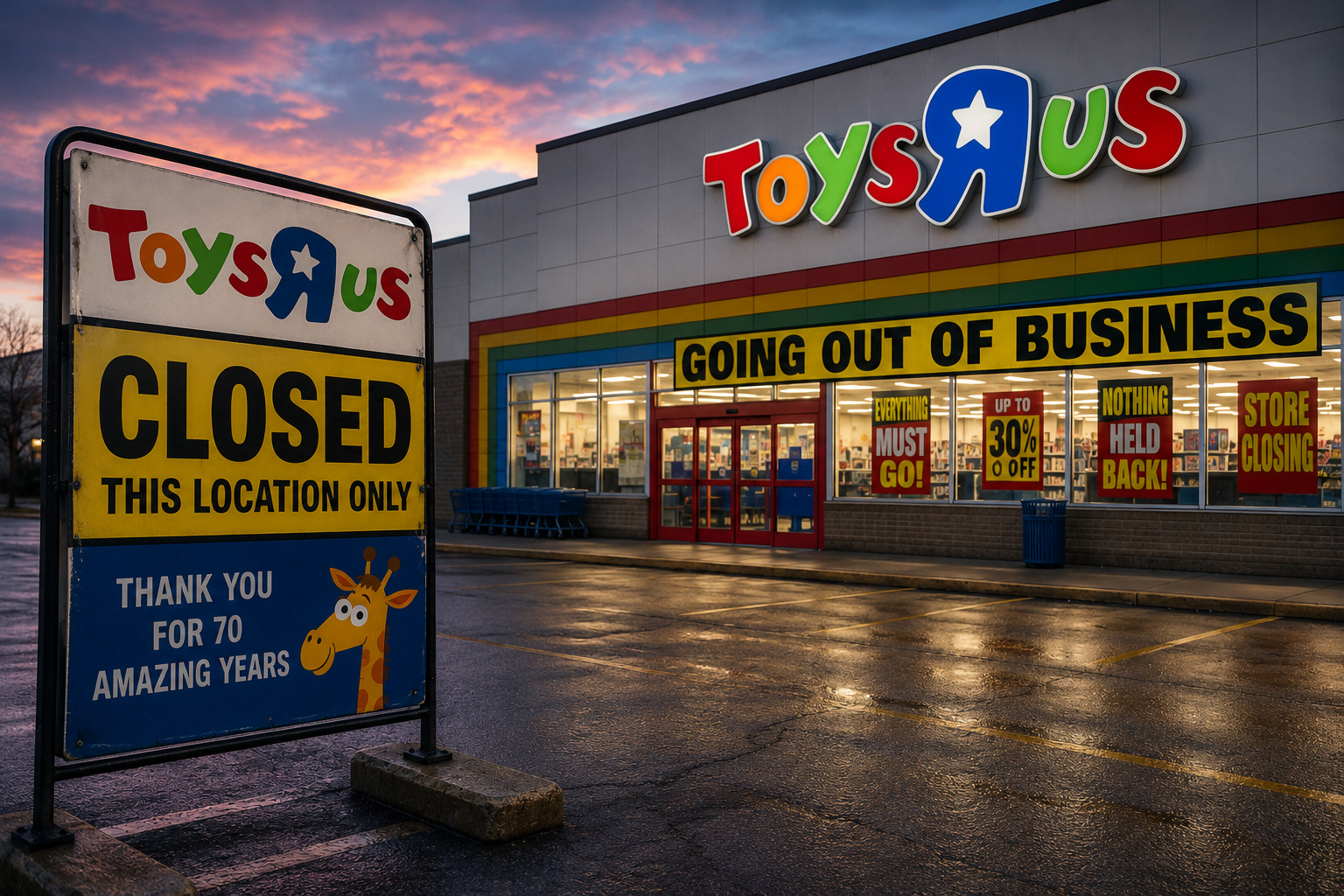
The Unlikely Return of Toys "R" Us
"In a shopping mall in 2025, amidst the echoes of childhood memories, a Toys "R" Us pop-up store opened its doors. It was as much a resurrection as it was a time machine."
What Happened?
The scene was surreal. Where once stood aisles brimming with toys, there was now a haunting emptiness across the U.S. As of March 2018, Toys 'R' Us, the beloved retail giant, shuttered its doors, leaving 33,000 workers unemployed and countless childhood memories adrift. The company, whose halls once echoed with laughter and the sound of tiny feet, had succumbed to a tidal wave of debt amounting to $4.9 billion, a legacy of the 2005 leveraged buyout by Bain Capital, KKR, and Vornado.
For the nostalgists and toy enthusiasts, this was a heartbreak that came with a sliver of defiance—a belief that the brand might yet reclaim its former glory. And a glimmer of hope emerged. In December 2025, as part of a resurgence effort led by WHP Global, Toys 'R' Us reappeared, not as sprawling stores but as vibrant pop-up shops within malls, seducing holiday shoppers with glimpses of the past.
This revival wasn't just about selling toys; it was a strategic maneuver to reconnect with a generation that still fondly remembers the iconic backwards ‘R’ and Geoffrey the giraffe. But beneath this fresh veneer lay a complex web of challenges: the unstoppable rise of e-commerce, the fierce competitiveness of the market, and the need to reinvent a brand that many had left for dead.
Yet the very essence of Toys 'R' Us—its ability to tap into nostalgia while adapting to change—is what makes its story compelling. The revival is more than just a commercial endeavor; it's a testament to the enduring power of memories, the resilience of brands, and the idea that some childhood dreams never truly die. This rebirth asks us: What does it mean for a brand to come back from the brink? The answer unfolds with every holiday pop-up, and Toys 'R' Us is once again part of that ongoing story.
Takeaway
The lesson this story keeps teaching
“Resilience is about finding the balance between nostalgia and innovation — and writing new chapters in familiar stories.”
Why People Are Talking About This
Toys "R" Us mattered beyond being a store; it was an emotional carriage carrying generations through enchanted explorations. This story explores resilience and innovation where past glory fuels newer pursuits.
By returning as a player, Toys "R" Us reveals interceptive models highlighting the nostalgia effect amidst competitive digital landscapes. Once more, it prompts businesses globally to pivot heartbreak into discoveries by anchoring in delayed triumphs, adapting history into flourishing relevance.
Thread Map
8 entities · 7 connections · Hover to explore, click to inspect
This is the connection map for this thread. Every node is a person, company, event, or idea. The red lines show how they connect. Hover a node to highlight its connections. Click a node to see why it matters to this story.
How We Got Here
Charles Lazarus Starts a Baby Furniture Store
Post-World War II, Charles Lazarus opens Children's Supermart in Washington, D.C., selling baby furniture. It's a small beginning, but it lays the foundation for what becomes Toys "R" Us.
Birth of Toys "R" Us
Lazarus opens the first Toys "R" Us dedicated solely to toys, marking a significant pivot from his initial baby furniture store concept, setting the stage for a global toy empire.
Leveraged Buyout by KKR, Bain, and Vornado
KKR, Bain Capital, and Vornado acquire Toys "R" Us through a $6.6 billion leveraged buyout, increasing its debt burden significantly, a move that later impacts its financial stability.
Toys "R" Us Files for Bankruptcy
Facing $4.9 billion in debt, Toys "R" Us files for Chapter 11 bankruptcy protection. This moment marks the beginning of the end for the company's traditional retail model.
Liquidation and Closure Announced
Toys "R" Us announces plans to close all 700 of its U.S. stores, liquidating its assets and putting an end to 70 years of business. 33,000 employees face layoffs.
Charles Lazarus Passes Away
A poignant day follows the company's collapse when Charles Lazarus, the founder, passes away just one week after Toys "R" Us announces its liquidation.
Pop-up Stores Signal Rebirth
WHP Global and Go! Retail Group launch a series of Toys "R" Us pop-up stores across U.S. malls, marking the company's return to the retail scene with a nostalgic yet strategic twist.
Modern Retail Strategy and Expansion
The strategic placement of pop-up stores proves fruitful as Toys "R" Us, under WHP Global, begins planning further expansions, finding resonance with both nostalgia-driven older customers and new generations.
Wait... Who Is This?
The name Toys "R" Us, echoed through decibels of youthful thrills for decades. Emerging iconic, it instilled joyous anticipation in consumers long after its small beginnings as Children's Supermart in 1948. Charles Lazarus envisioned a vibrant place where children’s dreams ran free amidst aisles of excitement.
The company's commercial journey was ablaze — from its ambitious purchase of FAO Schwarz in 2007 to adventures into the electronic gaming frontier during the late 20th century, captivating generations with retail wonders.
Operating over 700 U.S. stores at its celebration peak, it boasted famed holiday frenzies orbiting global phenomena. Alas, shifts in digital commerce transitioned retail tides in competitive waves.
Rapid technological advances seemed incompatible with its large, store-centric model, casting shadows over anchored pathways. 2017’s bankruptcy called halt as new strategies failed. Yet whispers gently sifted along the shattered chain of those who longed for that colorful kingdom's legendary return.
Receipts
Inside the Rise, Fall, and Resurrection of Toys R Us - Business Insider
I Visited a Toys R Us Holiday Pop-up Amid Its Bankruptcy Comeback - Business Insider
TIMELINE: Toys "R" Us through the years
Toys ‘R’ Us has closed all its stores – again | CNN Business
Toys R Us built a kingdom and the world's biggest toy store. Then, they lost it.
Toys 'R' Us closing will have massive impact
How Toys 'R' Us Went Bankrupt | WSJ
Same Pattern
Different story. Same lesson.
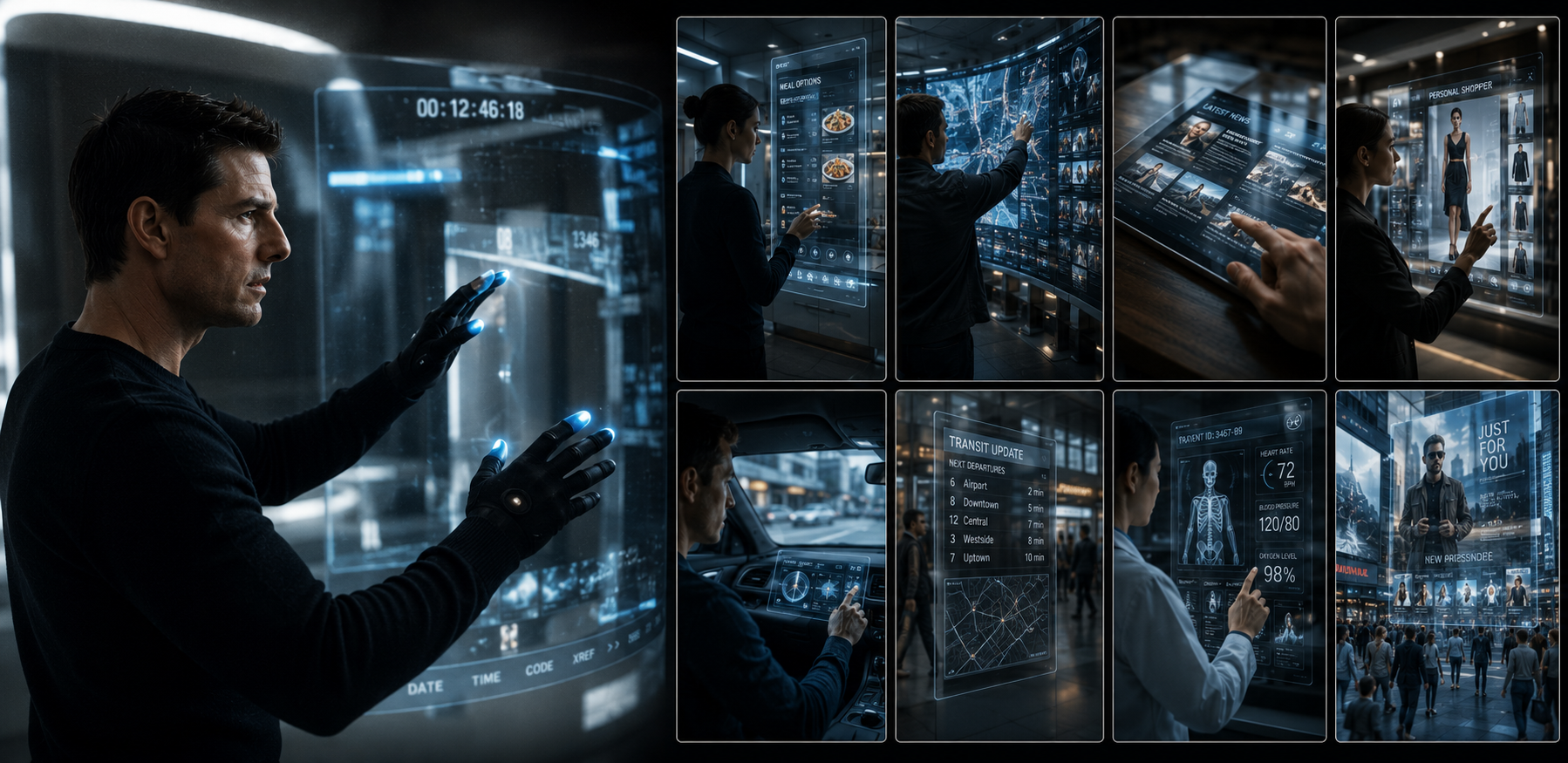
Minority Report's Prescient Touchscreen Reality
In 2002, Hollywood imagined a future of seamless touchscreen interfaces. Today, Steven Spielberg's vision feels eerily prescient as technology catches up.
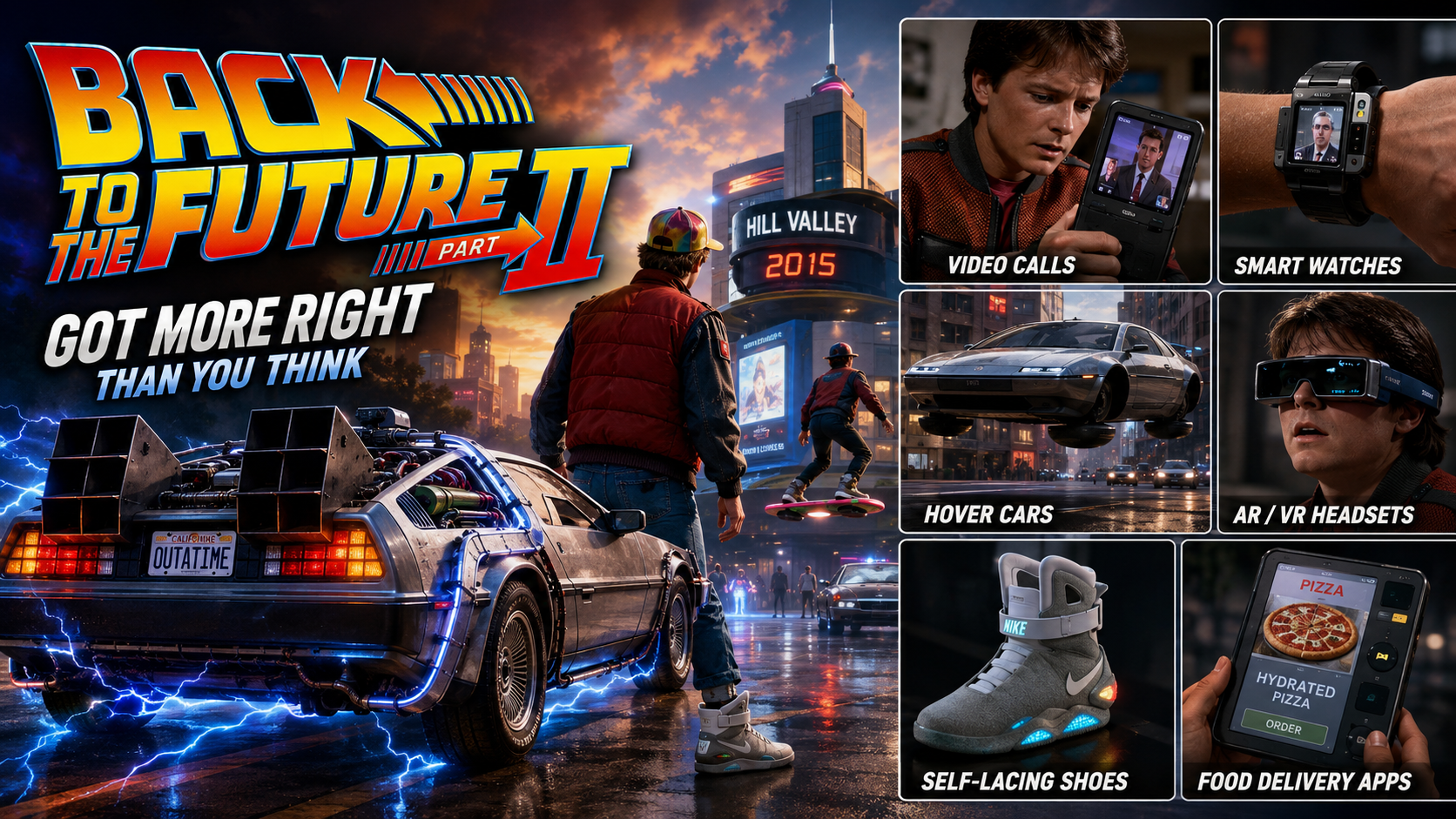
Back to the Future II Unveiled Tomorrow
Hoverboards, video calls, and wearable tech were once dreams. Somehow, a 1989 film saw them coming.
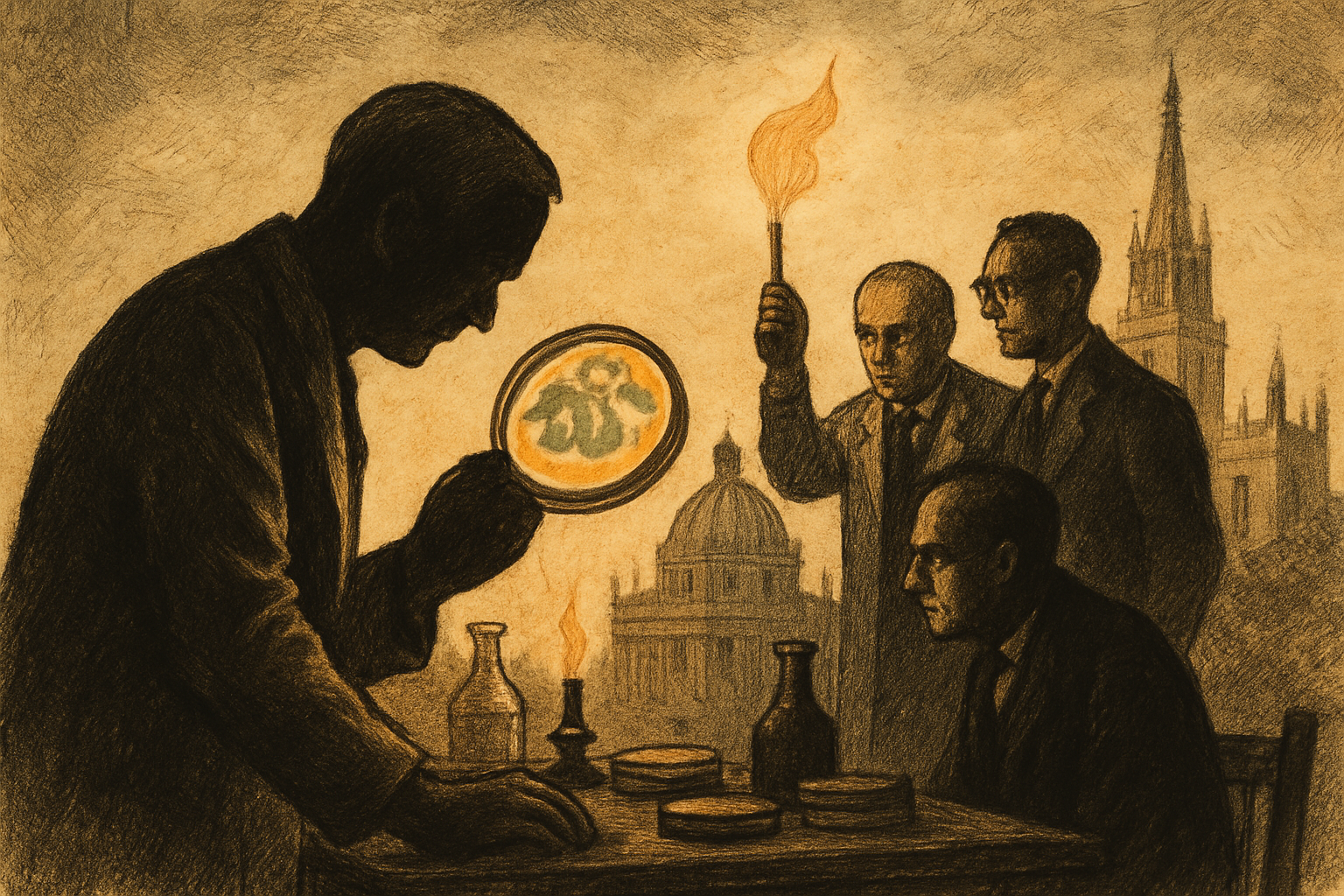
The Mold that Changed Medicine
On a forgotten Petri dish, a thin layer of mold was destroying bacteria in Fleming's lab. What he didn't know yet was that this simple mold would change the world.
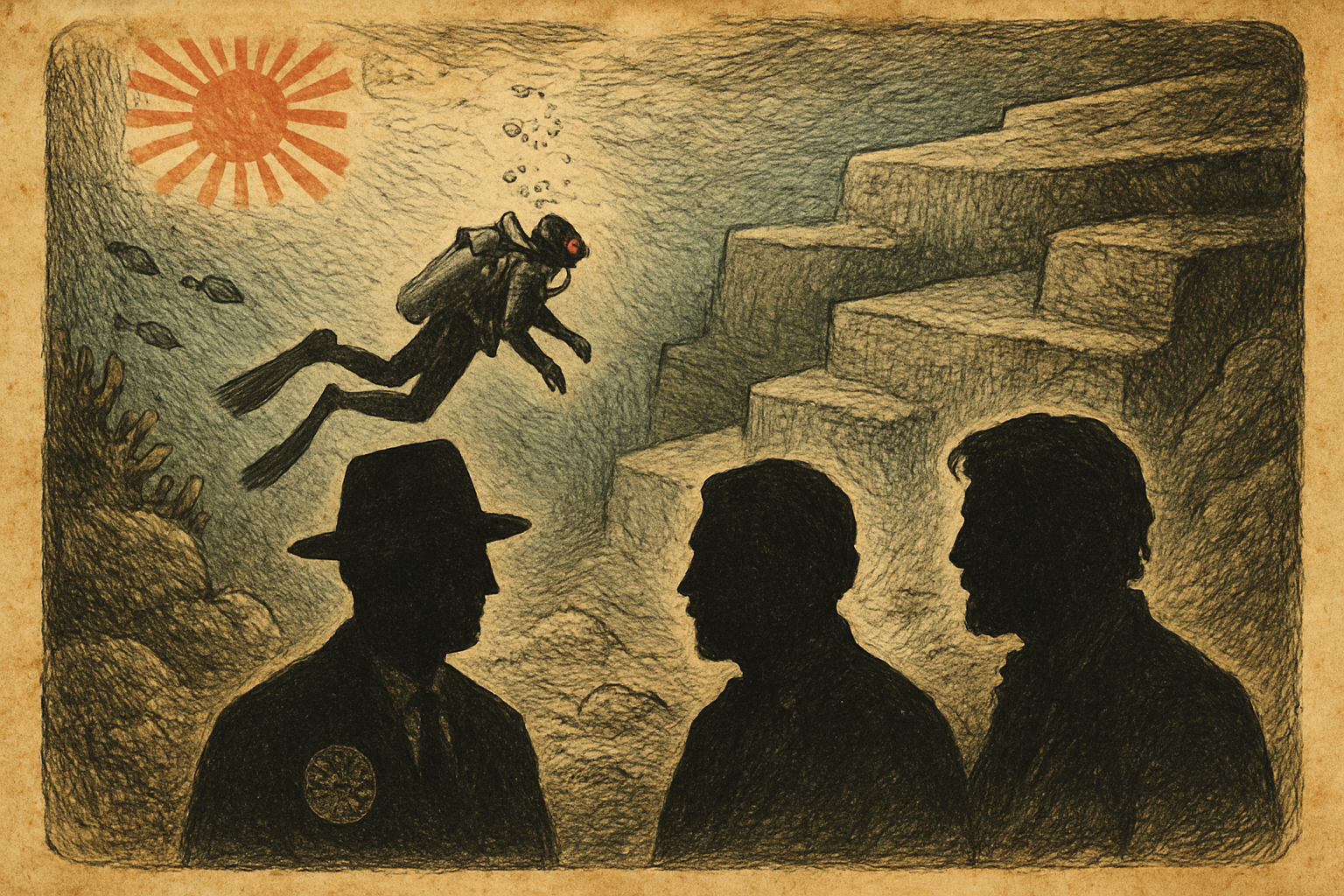
The Mystery Beneath the Waves
In 1986, off the coast of Yonaguni Island, diver Kihachiro Aratake stumbled upon massive underwater structures that challenged our understanding of history. What lies beneath the surface are formations either carved by nature's hand or shaped by ancient humans.
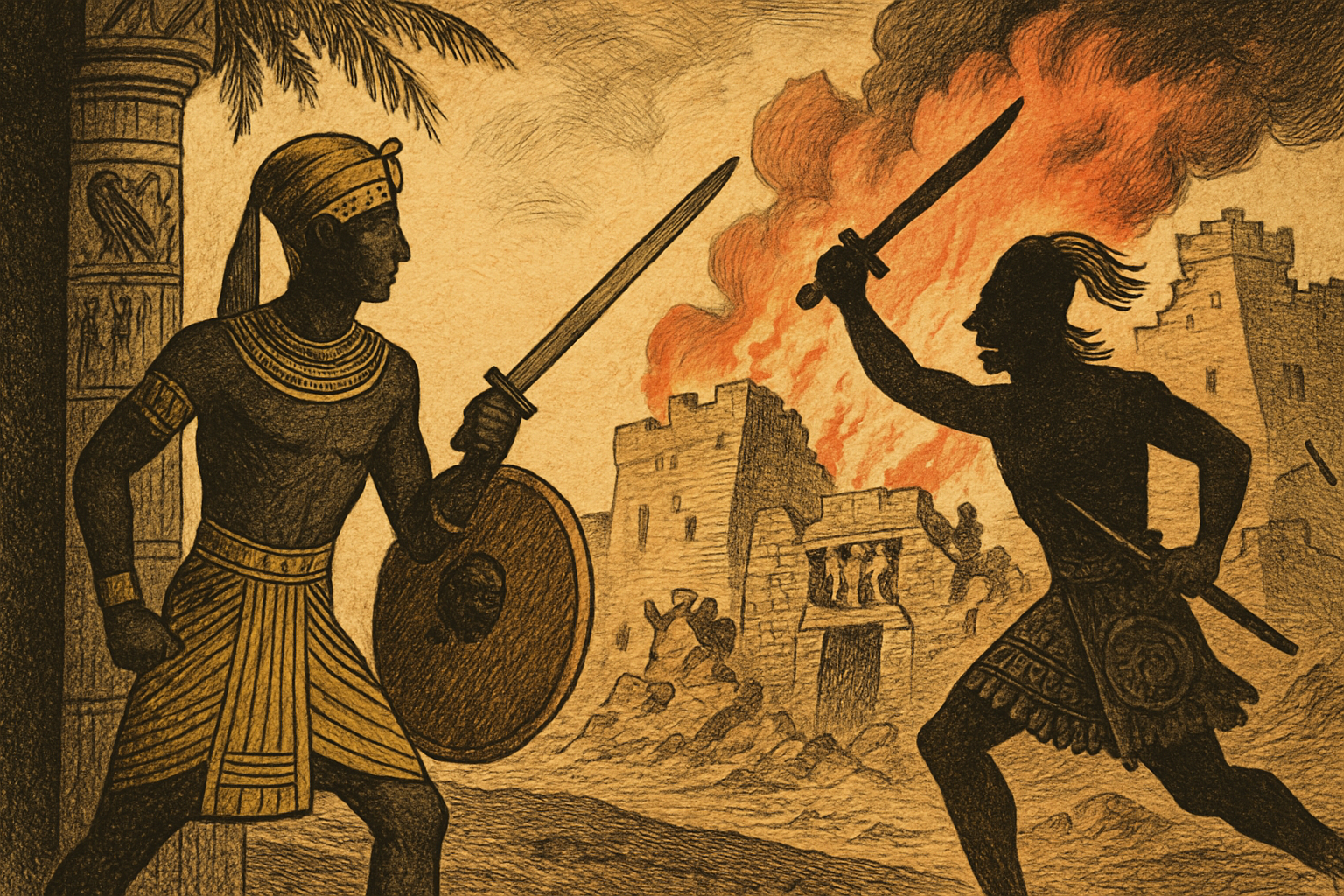
The Enigma of the Sea Peoples
In 1177 BCE, Ramses III faced an invasion that threatened to annihilate Egypt. These mysterious attackers, known only as the Sea Peoples, left a trail of destruction across the Mediterranean.
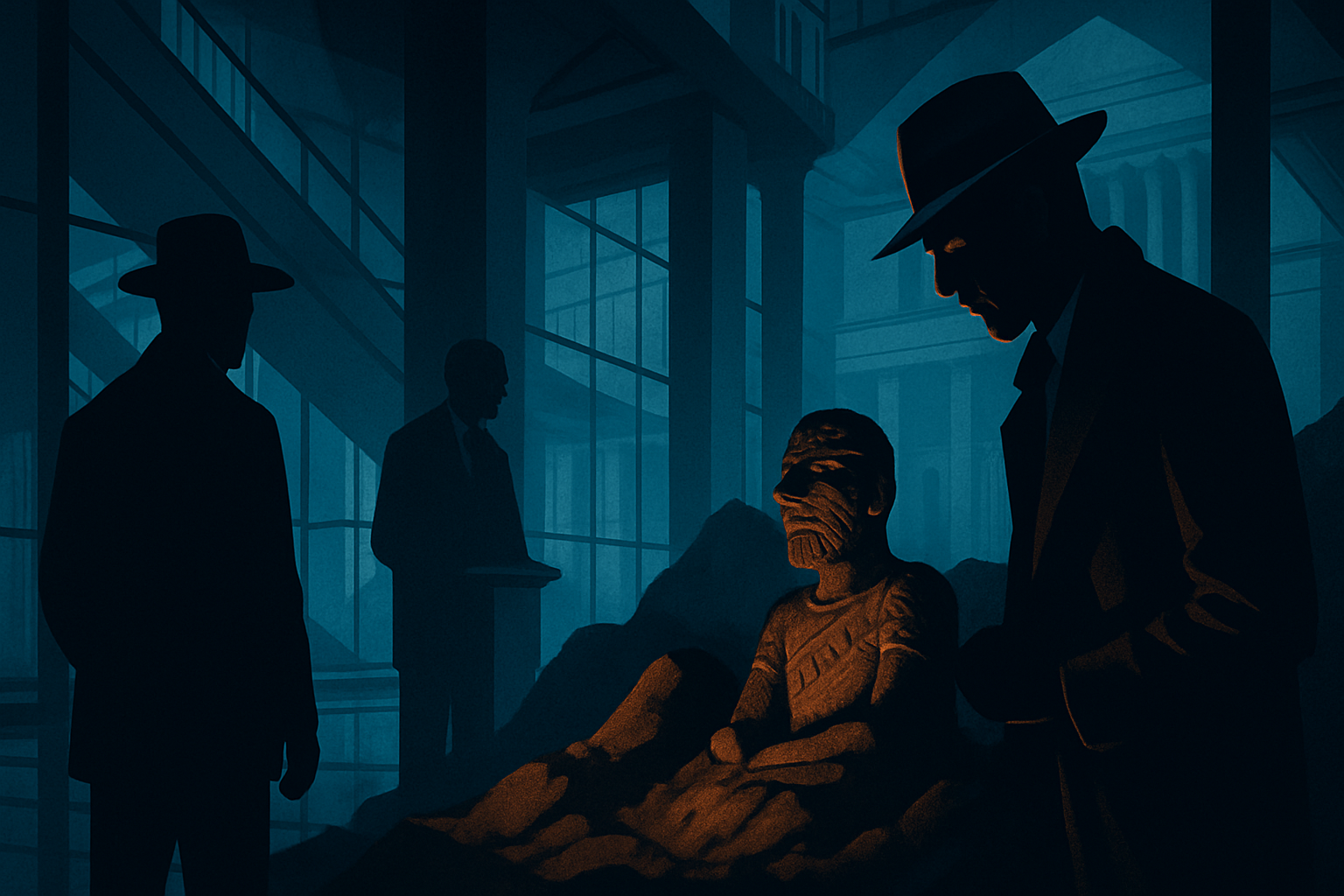
The Lost Civilization of Indus Valley
In 1829, Harappa was discovered, sparking an insatiable curiosity about the vanished civilization. What secrets had been buried for millennia?
Continue the Rabbit Hole
Each story explores the same idea from a different angle. Follow the connections and discover where the thread leads.
Fictional placeholder content