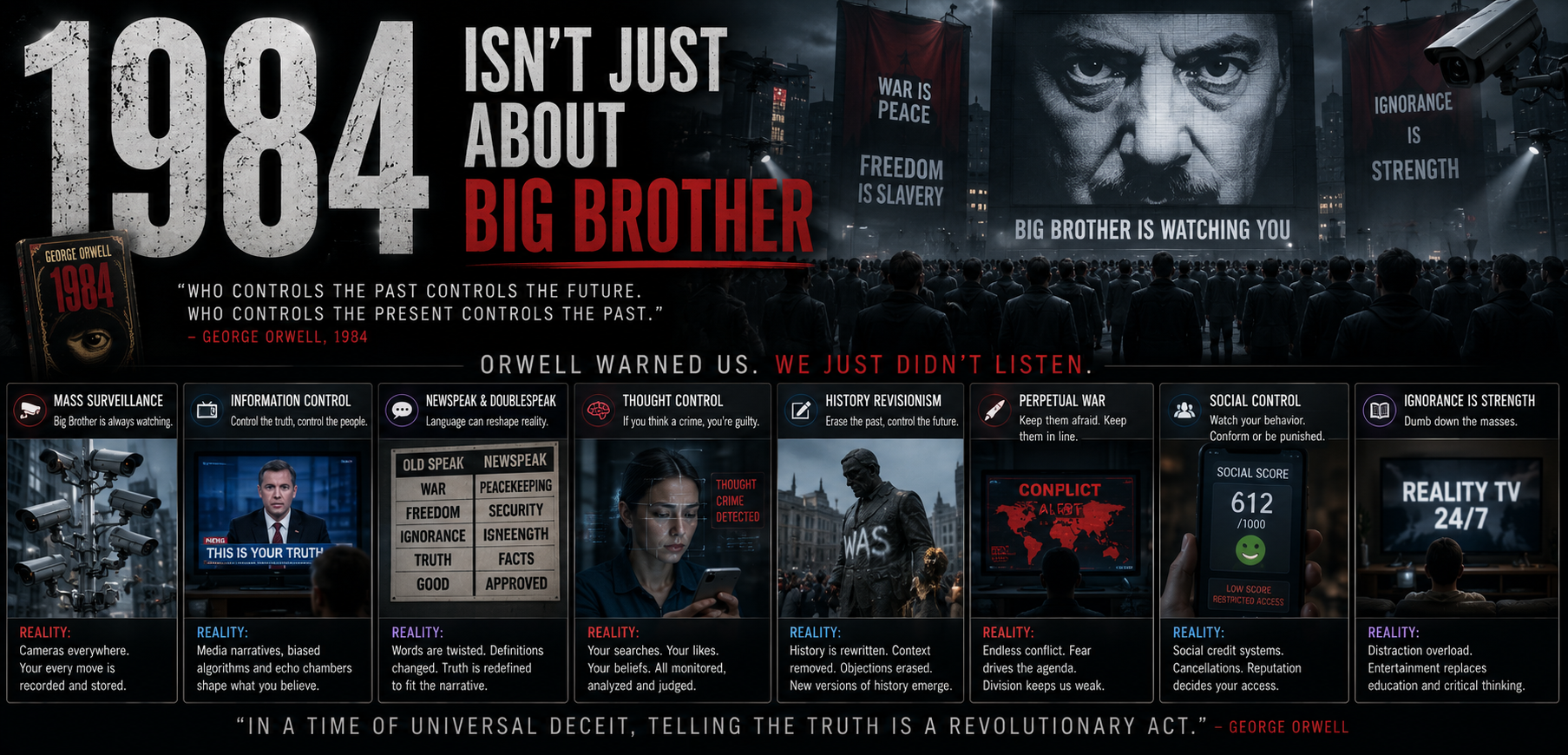
Beyond Big Brother
"In a world where reality is crafted by lies, George Orwell's '1984' warns us of a future governed by surveillance."
What Happened?
Big Brother's looming presence is often seen as the most chilling aspect of George Orwell's '1984'. Yet, upon a deeper dive, the true terror surfaces from a place even darker: the erasure of truth itself. This dystopian nightmare unfolds in a world governed by propaganda, where Winston Smith, a seemingly ordinary citizen of Oceania, battles with the oppressive might of the Party. His job at the Ministry of Truth requires altering historical records, showcasing how lies are woven into the very fabric of reality, making the past malleable at the Party’s whims. In Room 101, rebellion finds its price.
The narrative of '1984' stretches far beyond the reach of Orwell’s fictional tyrannies. It inspired a cultural zeitgeist that found itself echoed years later in the realm of technology. In 1984, during the Super Bowl, Apple's infamous commercial promised that ‘1984 won’t be like 1984’, a bold statement against the stifling conformity of its time, symbolized by IBM. Directed by Ridley Scott, the advertisement presented the Macintosh as a rebel smashing Big Brother’s screen—a vision of liberation through innovation.
While Orwell’s bleak vision of a future buried under layers of surveillance and control paints a terrifying picture of what unchecked power can lead to, the narrative echoes eerily in today’s society. As our digital age increasingly blurs boundaries between privacy and intrusion, the story of '1984' reminds us of the fragile line between governance and oppression. Each alteration of reality in records points to the danger that exists when history is rewritten—not merely by technology, but by the narratives that dominate its discourse.
Takeaway
The lesson this story keeps teaching
“The narrative is everything in a world where truth is negotiable. Stories, not facts, steer society.”
Why People Are Talking About This
Orwell's '1984' endures because it straddles the line between prophetic warning and critique. In an era of rapid technological advancement and data ubiquity, Orwell's vision feels eerily prescient.
The novel doesn't merely serve as a historical document but forces readers to continuously assess the evolution of surveillance and the narratives pushed by those in control. '1984' isn't just a static reflection; it's a live conversation challenging how societies can teeter on the brink of Orwell's dark prophecy.
Thread Map
9 entities · 8 connections · Hover to explore, click to inspect
This is the connection map for this thread. Every node is a person, company, event, or idea. The red lines show how they connect. Hover a node to highlight its connections. Click a node to see why it matters to this story.
How We Got Here
Orwell's Dystopian Vision Takes Shape
Orwell's '1984' is published, immediately raising alarms about its portrayal of a surveillance-ridden totalitarian state.
Apple's Revolutionary Advert Preempts Dystopia
Apple debuts a Super Bowl TV ad depicting a lone runner shattering the conformist world of Big Brother, showcasing the new Macintosh as a symbol of freedom.
Good Morning, Mr. Orwell Broadcasts
Nam June Paik’s satellite broadcast counters Orwell's dystopia with art and technology, exploring the potential for a global village.
'Testify' Invokes Orwell's Legacy
Rage Against the Machine’s single 'Testify' echoes Orwellian themes, emphasizing the manipulation of history and deception.
'The Simpsons' Infuses Popular Culture
'The Simpsons' debuts on the 'Tracey Ullman Show', eventually popularizing '1984' references through satire.
Surveillance Disclosures Shock the World
Edward Snowden leaks NSA documents, reigniting global debate over government surveillance and invoking Orwellian fears.
Sales Surge During Orwell's Anniversary
'1984' sales climb as new anniversaries spark renewed interest in its dystopian warnings.
Pandemic Lockdowns Heighten Orwellian Comparisons
COVID-19 restrictions prompt renewed scrutiny on control and freedom, with '1984' becoming a point of reference for debates worldwide.
Wait... Who Is This?
George Orwell's '1984', written in 1949, emerged from a convergence of personal experience and political observation. As a journalist and activist, Orwell witnessed firsthand the mechanics of authoritarian ideologies. His involvement in the Spanish Civil War exposed him to the mutable nature of truth under thuggish autocrats, an era rife with propaganda and the malleability of history.
Spurred by the voices and sights of Stalinist Russia, Orwell grew adept at dissecting and elucidating the psychological chains that could bind entire societies. His increasingly dystopian works captured the fear of omnipresent surveillance, where the reality of individual lives was constantly rewritten by power-hungry hands.
Against this backdrop, the notion of Big Brother crystalized — a chilling phenomenon rooted not only in fiction but in the fears of Orwell's contemporary world. The Ministry of Truth became the tangible embodiment of psychological manipulation, framing norm-defying agencies as the architects of societal control. The concerns Orwell revealed weren't confined to paper. They reflected real psychological insights on manipulation and freedom.
Receipts
Same Pattern
Different story. Same lesson.
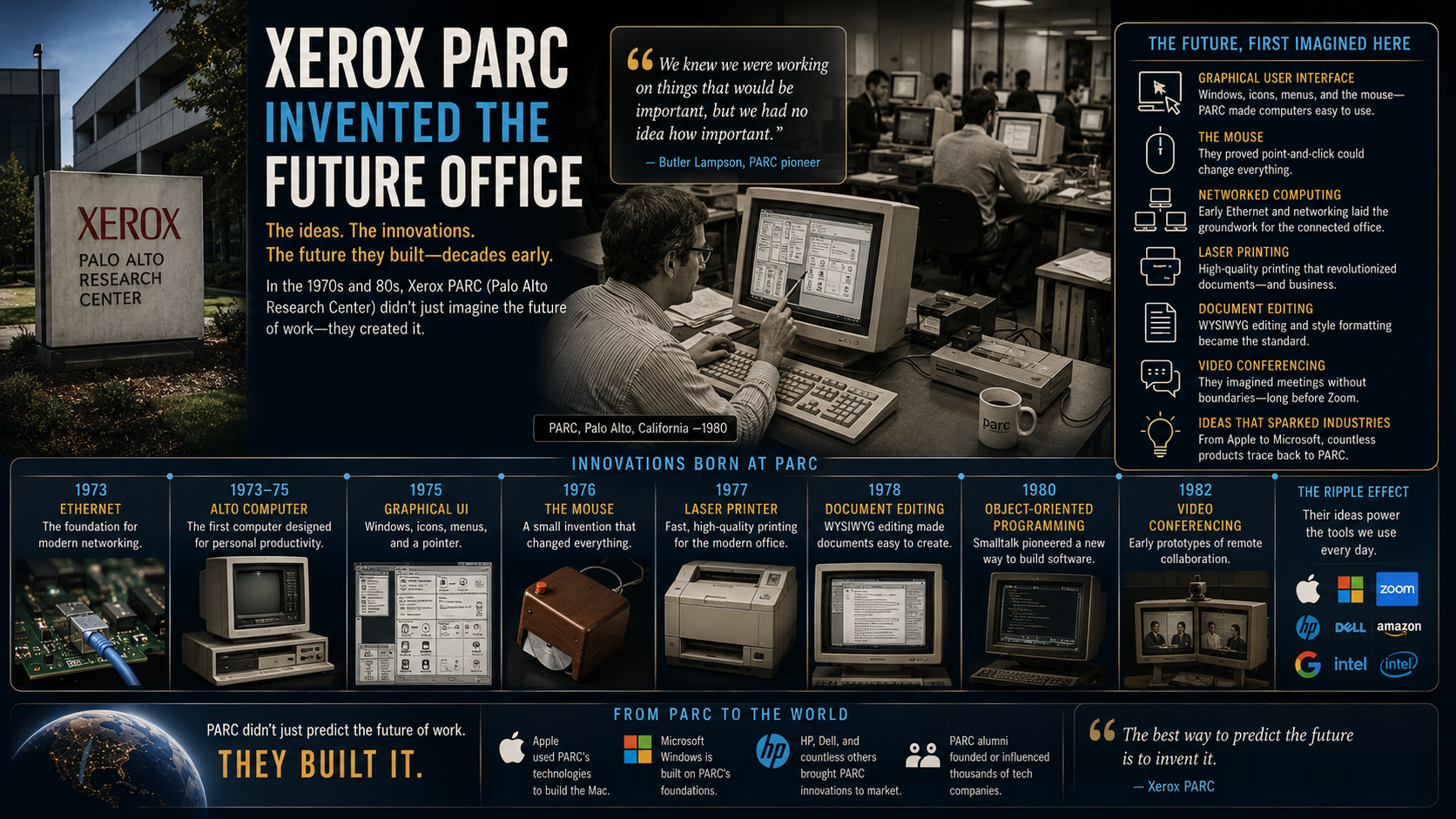
The Lab That Invented Tomorrow
In December 1979, Steve Jobs saw echoes of the future inside Xerox PARC's halls. There, in a secluded lab, lay the blueprint for the modern tech landscape.
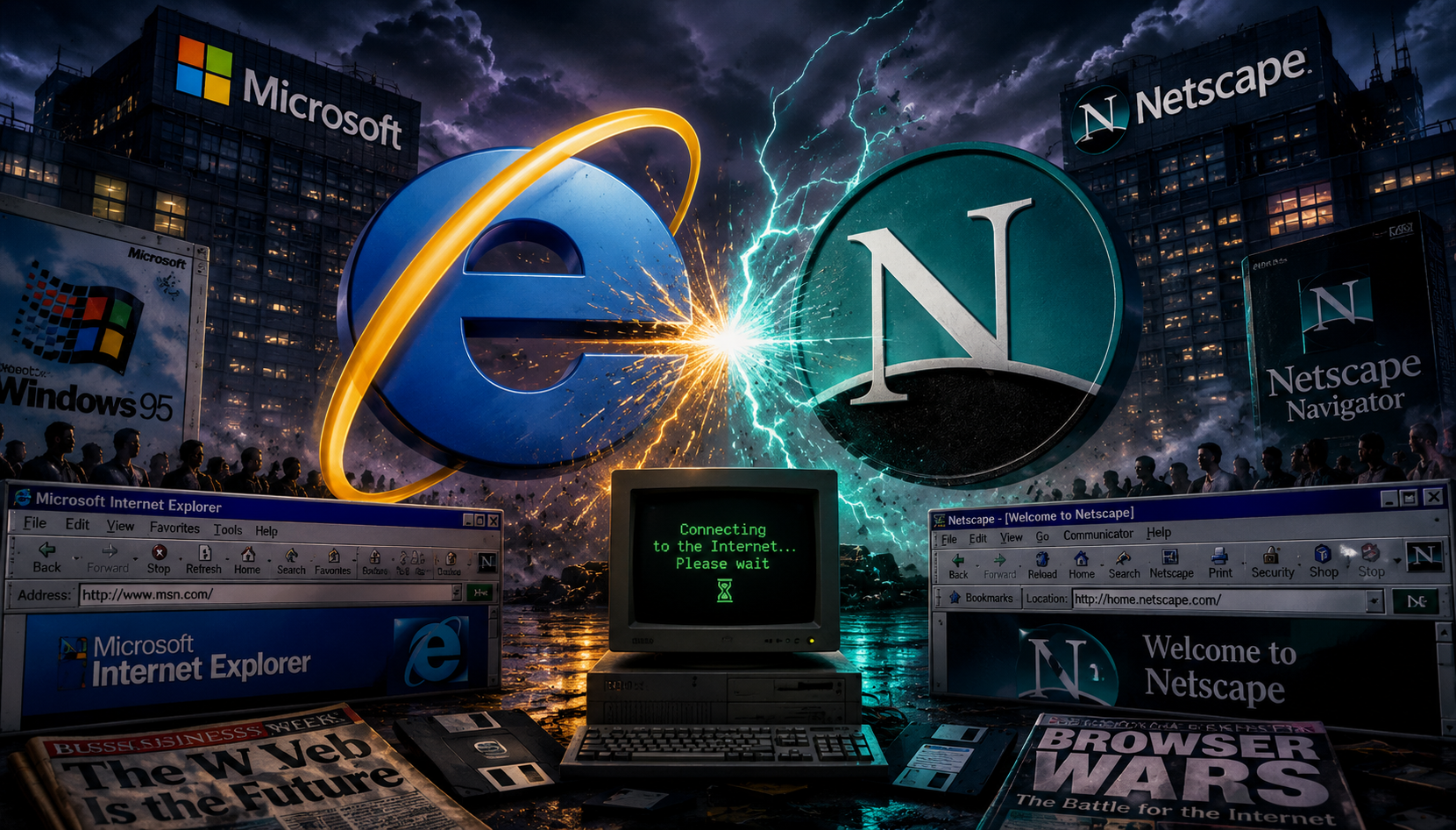
The Browser War That Built the Internet
In the mid-1990s, a software battle erupted that would shape how billions accessed information. Few could predict that the victor would soon face its own downfall.
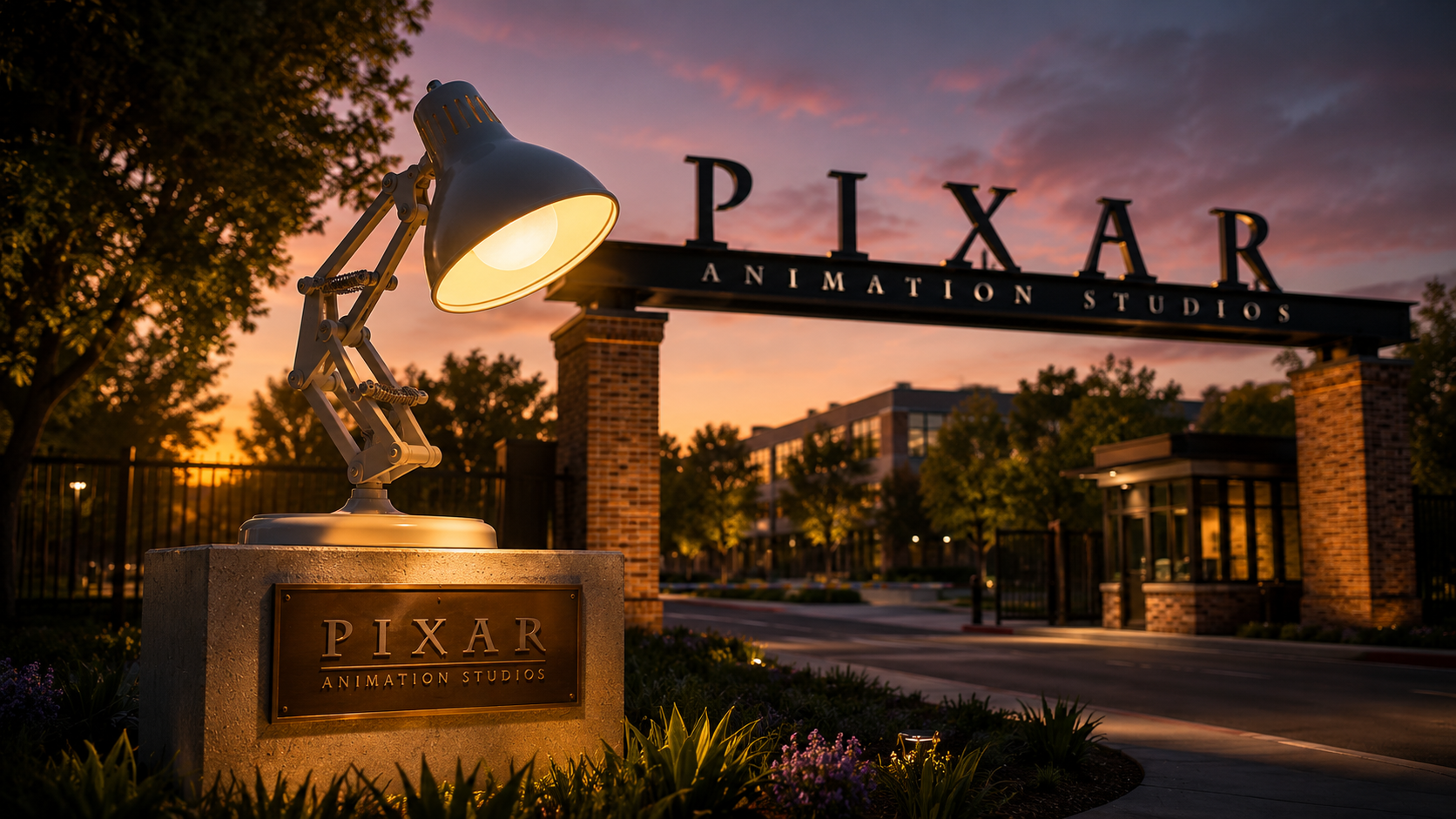
Pixar's Radical Feedback Loop
In a stark, unadorned room, some of the most powerful voices in animation face off with ruthless honesty. Their weapons? Brutal feedback that molds raw ideas into cinematic gold.

The Chicken That Changed Retail
Costco's $4.99 rotisserie chicken isn't just a meal — it's a strategic masterpiece. The unexpected ripple effects changed retail forever.
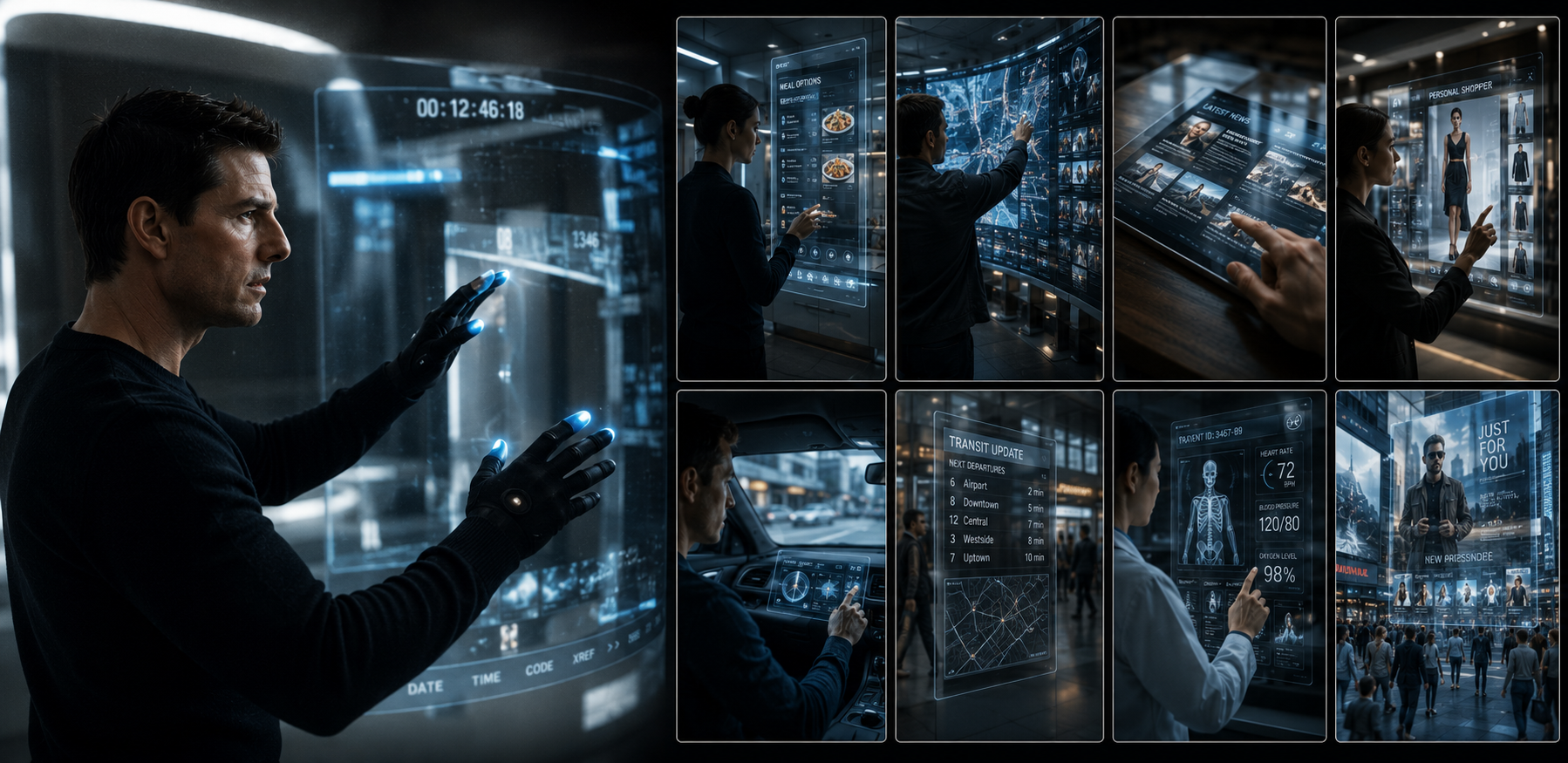
Minority Report's Prescient Touchscreen Reality
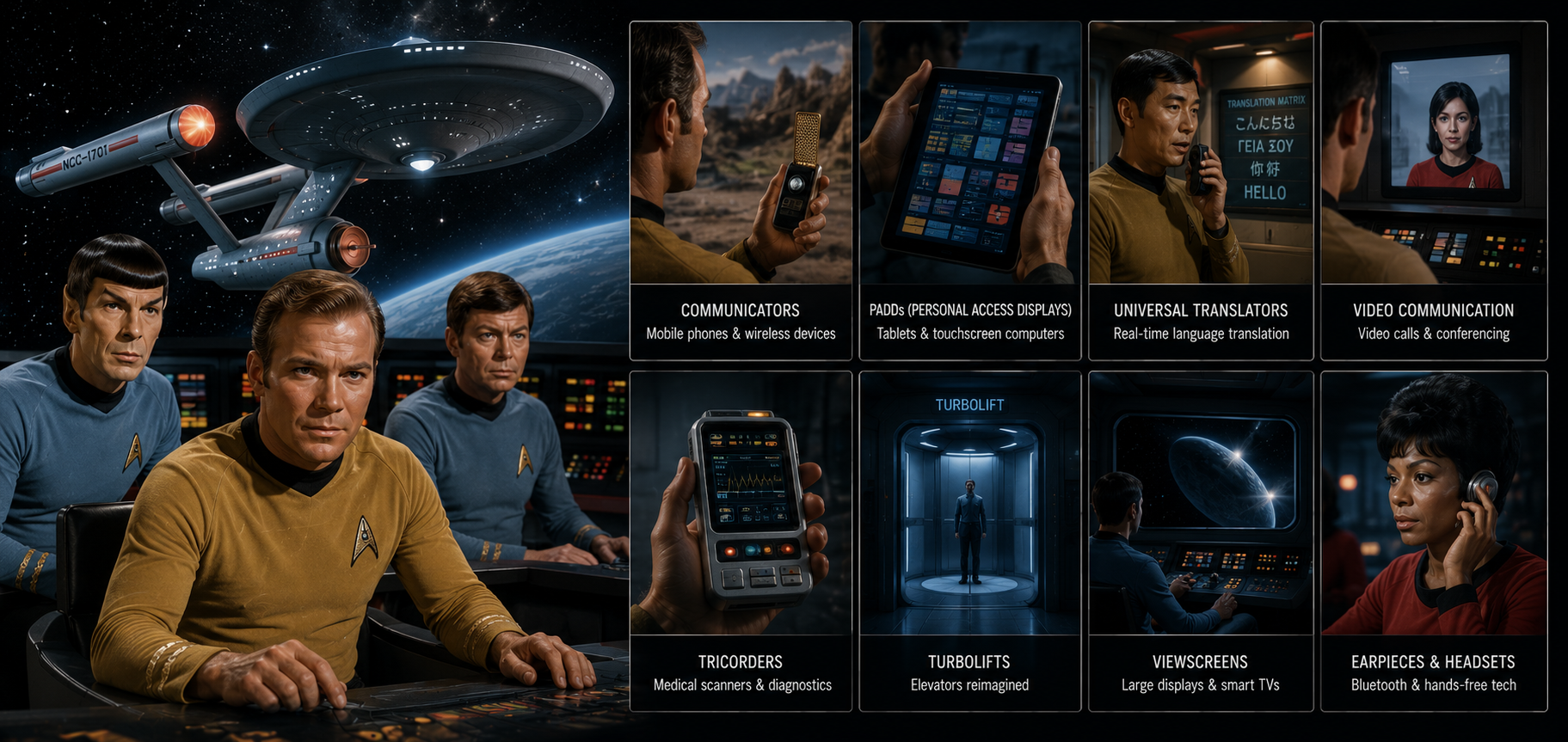
In 2002, Hollywood imagined a future of seamless touchscreen interfaces. Today, Steven Spielberg's vision feels eerily prescient as technology catches up.
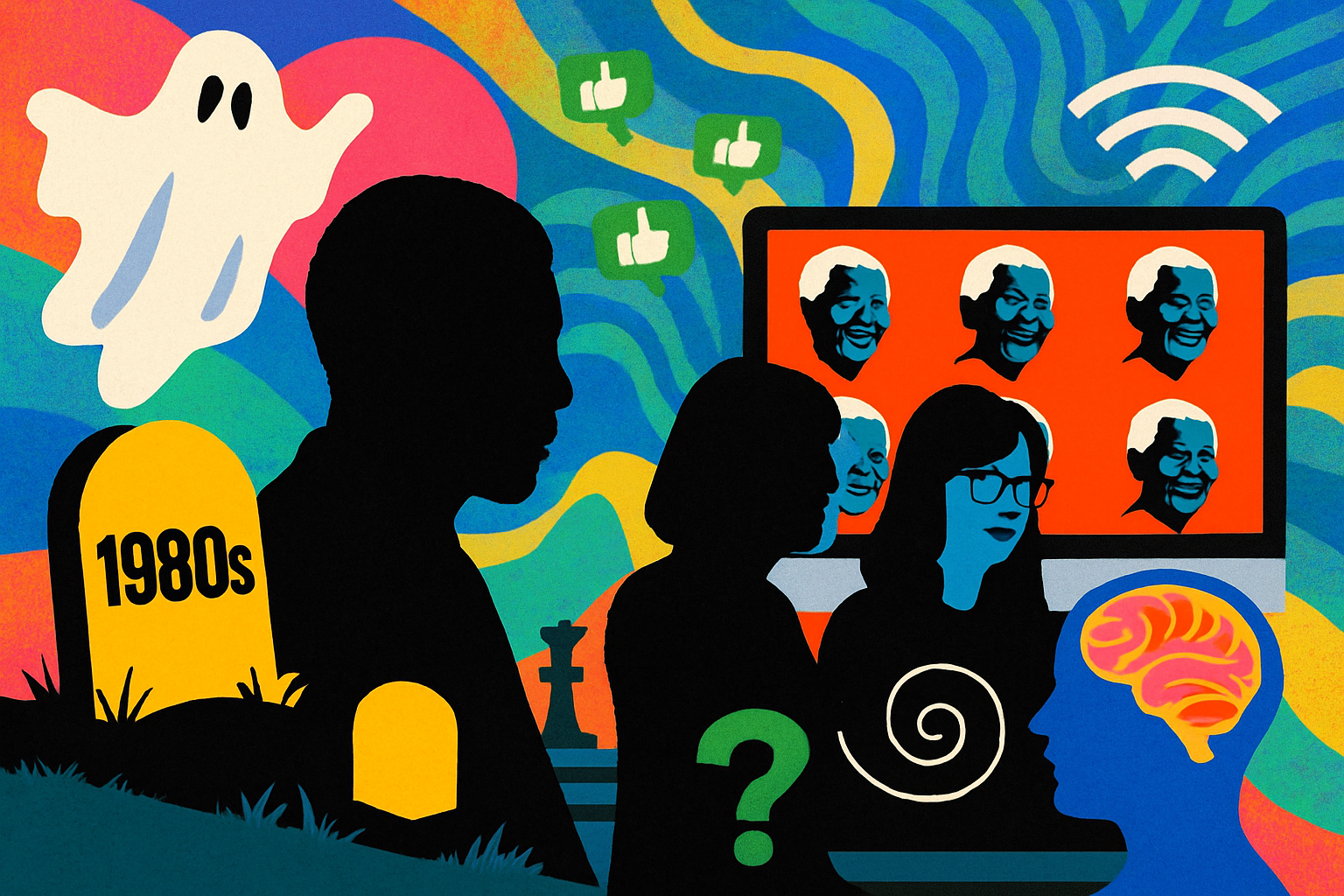
The Mandela Effect’s Mind-Bending Mystique
Millions remember Nelson Mandela dying in the 1980s, yet he passed in 2013. What caused this shared illusion?
Continue the Rabbit Hole
Each story explores the same idea from a different angle. Follow the connections and discover where the thread leads.
Fictional placeholder content