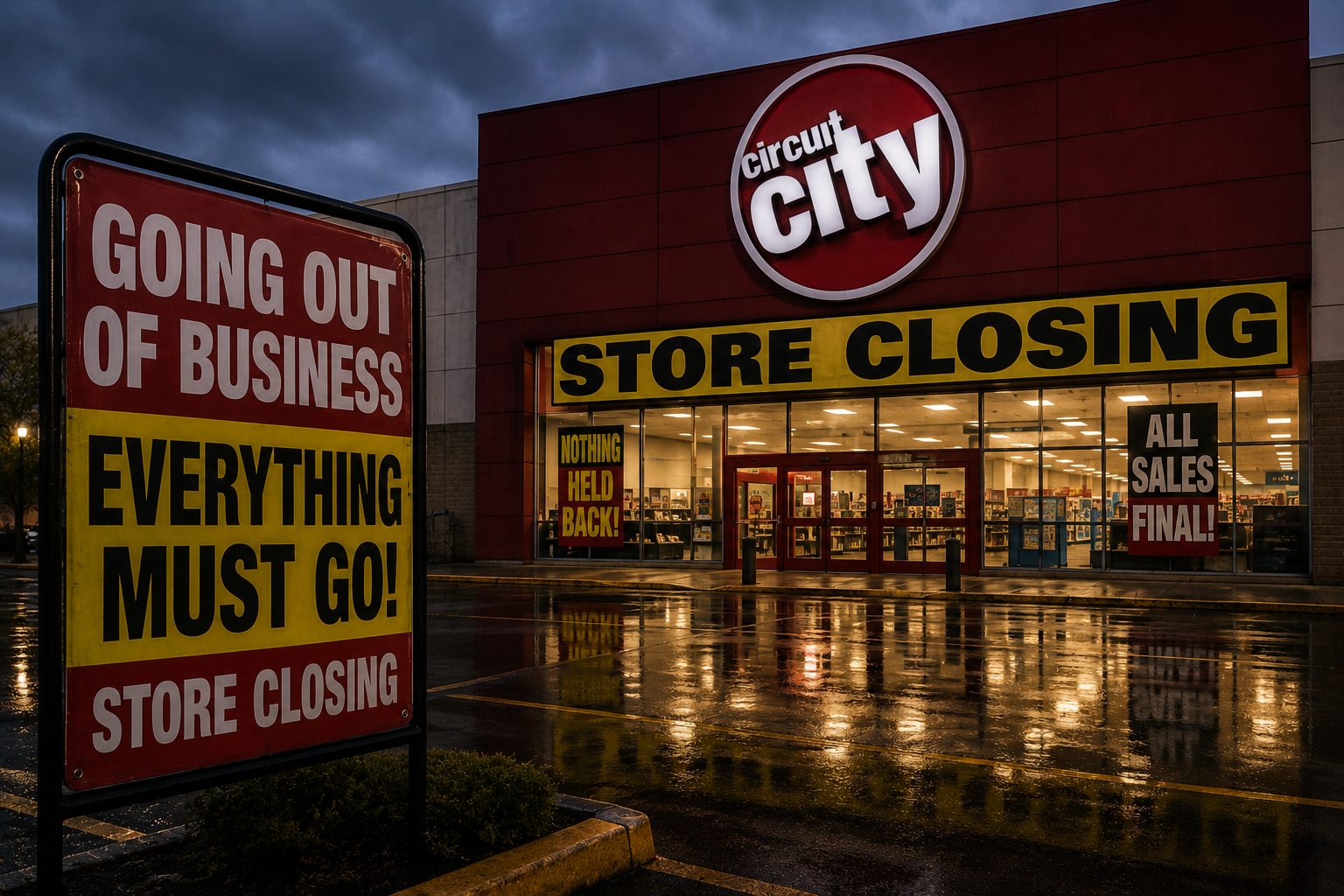
Circuit City's Unlikely Collapse
"In 2009, Circuit City's once-bustling stores shuttered, leaving behind a cautionary tale of arrogance and missed opportunities."
What Happened?
Circuit City was once a titan in the electronics retail world. By 2000, it was not just surviving; it was thriving with $12 billion in sales. But within a decade, everything crumbled. On March 8, 2009, shoppers walked through bare aisles for the last time, a stark contrast to the bustling stores they once knew. The shelves, once brimming with the latest electronics, were now eerily empty aside from a few discounted remnants.
The unraveling of Circuit City started with a series of missteps. In a bid to cut costs in 2007, the company laid off 3,400 of its most seasoned sales associates, replacing them with lower-wage workers. This decision backfired, eliminating key talent and expertise from the sales floor. As customer dissatisfaction grew, competitors like Best Buy pounced on the opportunity to lure away unhappy shoppers.
By November 2008, Circuit City's once mighty empire had filed for Chapter 11 bankruptcy protection, aiming to restructure and shed its massive $2.32 billion debt. However, the recession tightened its noose around the company's neck. Creditors, wary of the unstable market, demanded liquidation when no viable buyer emerged. The company switched to Chapter 7 bankruptcy in January 2009. Liquidation was the only option left.
The final days were a somber end to an American retail legend. Over 30,000 employees faced unemployment, including nearly half of the Verizon sales force working within Circuit City locations. For many, the closure was a harsh lesson on the unforgiving nature of business missteps, particularly in times of economic downturns. Circuit City's collapse echoed through the retail world, a cautionary tale of rapid decisions and missed opportunities.
Takeaway
The lesson this story keeps teaching
“Success can blind companies to looming threats, leading them to ignore red flags until it's too late.”
Why People Are Talking About This
Circuit City's collapse stands as a poignant reminder that no business is immune to failure. Its downfall underscores a crucial lesson in adaptability, highlighting how quickly consumers' needs can shift. As retail giants toe the thin line between dominance and downfall, Circuit City's story is a vital study in corporate attentiveness.
It shines a bright light on how dangerous it is to overlook emerging trends and continues to serve as a warning to current firms about the perils of stagnation and short-sightedness.
Thread Map
9 entities · 8 connections · Hover to explore, click to inspect
This is the connection map for this thread. Every node is a person, company, event, or idea. The red lines show how they connect. Hover a node to highlight its connections. Click a node to see why it matters to this story.
How We Got Here
Circuit City Rises in Richmond
In Richmond, Virginia, Circuit City was founded, quickly transforming into a major force in U.S. electronics retail. The company capitalized on the post-war consumer boom to expand rapidly.
Circuit City Peaks at $12 Billion
Reaching its zenith, Circuit City's sales surpassed $12 billion, marking it as a leader in the electronics market during this time.
A Costly Decision
Circuit City lays off 3,400 of its top sales associates, aiming to reduce expenses while inadvertently compromising its competitive edge.
Bankruptcy Protection Filed
Circuit City filed for Chapter 11 bankruptcy protection, seeking to reorganize its operations but ultimately finding no path to recovery.
Switch to Chapter 7
After failing to secure a buyer or reorganization plan, Circuit City moved into Chapter 7 bankruptcy, beginning its liquidation process.
Final Day of Operations
Circuit City closed all its stores, marking the end of its presence in the retail landscape. Thousands of employees were left without employment.
Inventory and Real Estate Sold
Post-closure, Circuit City's assets, including inventory and store leases, were sold off to cover debts as part of the liquidation process.
Circuit City's Digital Attempt
An attempt was made to resurrect Circuit City as an online retailer but failed to gain traction in the evolving e-commerce space.
Wait... Who Is This?
In the thriving days of its early years, Circuit City epitomized American retail success. Launched in post-war 1949 in Richmond, Virginia, the company expanded rapidly as it tapped into the golden era of consumer goods. With the surge in demand for household electronics, Circuit City became more than just a store. It symbolized a cultural shift in consumer behavior, heralding a new era of accessible technology. In the 1980s, as televisions, personal computers, and stereos emerged as must-have commodities, Circuit City catapulted itself to the forefront, paving the way for what would become a $12 billion empire. Yet, as the new millennium approached, the seeds of its doom were sown within a booming empire unaware of the shifts on the horizon. While technological evolution demanded adaptation, Circuit City hesitated, clinging to methodologies that once made it great but were fast becoming obsolete.
The company had failed to grasp critical market shifts. As consumer preferences evolved toward digital and online platforms, the inflexibility of their model became the noose by which it was hung—a company no longer synonymous with innovation, but with missed opportunities.
Receipts
Circuit City - Wikipedia
The Tragic Last Days of Circuit City
After 60 years Circuit City finally powers down
[PDF] The rise and fall of Circuit City - aabri
Circuit City How the Once Mighty Have Fallen... and Returned
The rise and fall of Circuit City: How a $12 billion empire vanished
Same Pattern
Different story. Same lesson.

The Fall of BlackBerry
In a boardroom once buzzing with innovation, silence filled the air as BlackBerry executives watched Apple's iPhone dismantle their empire one launch at a time.
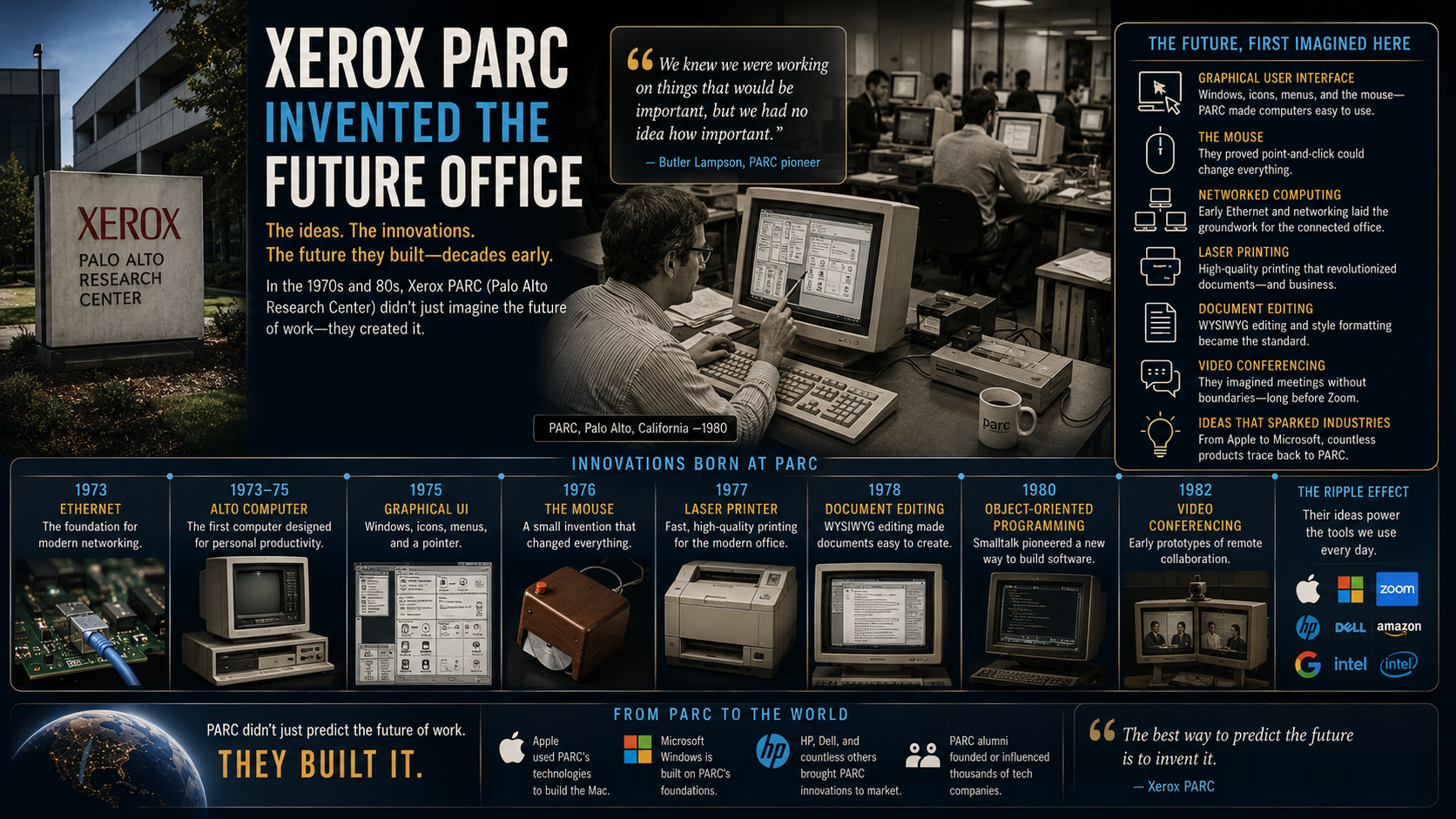
The Lab That Invented Tomorrow
In December 1979, Steve Jobs saw echoes of the future inside Xerox PARC's halls. There, in a secluded lab, lay the blueprint for the modern tech landscape.
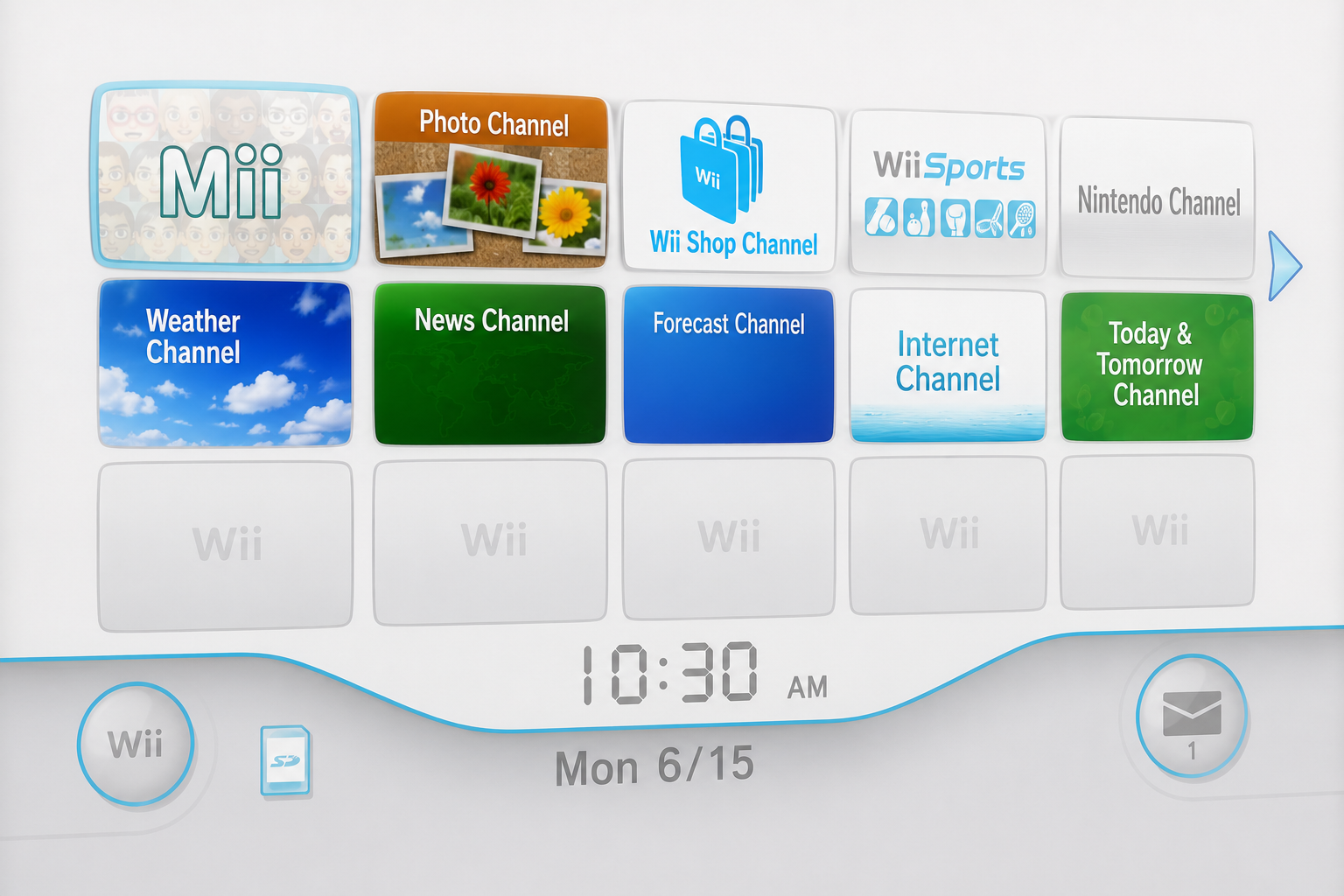
The Wii Gamble That Saved Nintendo
In a world obsessed with graphics and power, Nintendo bet on simplicity. The Wii was laughed at — until it wasn't.

Pixar's Radical Feedback Loop
In a stark, unadorned room, some of the most powerful voices in animation face off with ruthless honesty. Their weapons? Brutal feedback that molds raw ideas into cinematic gold.

Cracking the Cicada Code
In 2012, an enigmatic online puzzle appeared that promised enlightenment. But who was behind Cicada 3301?

How Google's 20% Time Shaped Innovation
Gmail, the widely-used email service, was born from Google's infamous 20% Time. What else did this unconventional policy unleash?
Continue the Rabbit Hole
Each story explores the same idea from a different angle. Follow the connections and discover where the thread leads.




Fictional placeholder content