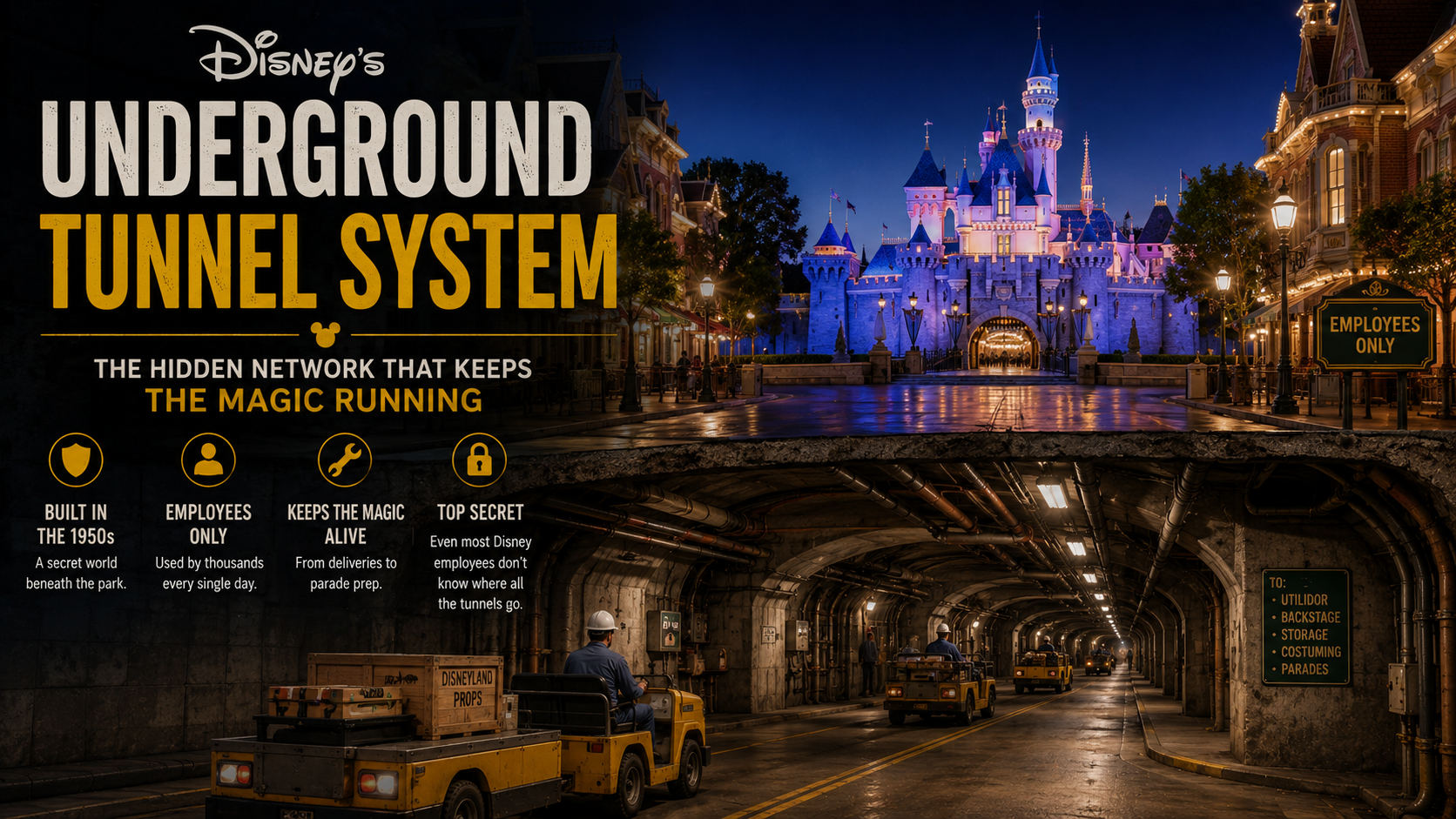
Disney's Hidden Underworld
"Deep beneath the Magic Kingdom, a secret world buzzes with life, unseen by millions above."
What Happened?
It wasn't the whimsical characters or the thrilling rides that astounded visitors at Walt Disney World's Magic Kingdom. Instead, it was what lay beneath their feet. To the unknowing guests, a world of fantasy unfolded around Cinderella's Castle, but below ground, a different kind of magic was at play. The utilidor system—short for 'utility corridors'—was bustling with activity, transporting costumes, food, and cast members unseen by the public eye.
The inspiration for this extensive tunnel network sparked from a single moment. Walt Disney himself had witnessed a cowboy from Frontierland casually strolling through Tomorrowland. It was a sight that shattered the immersive illusion he was so determined to maintain. Determined not to repeat this break in storytelling at his new park, Walt demanded a concealed passageway that would keep the backstage operations as invisible as a magician's sleight of hand.
Constructed beneath the Magic Kingdom, the utilidor system debuted with the park's opening on October 1, 1971. Over time, it expanded not just in length but in function. At its peak, the Character Zoo—housing over 1.2 million costumes—could be found within these walls until it moved to an above-ground warehouse in 2005. These tunnels ensured that trash was discreetly removed, supplies were replenished without a guest noticing, and cast members emerged right where they should be, as if by conjuration.
Yet despite this engineering marvel, tales and myths proliferated. Whispered stories of hidden passageways leading to secret lands added an element of intrigue to an already mysterious part of Disney's operations. The utilidors may not be as fantastic as the legends might suggest, but their impact on maintaining the park's wonder is undeniable. The real magic of the Magic Kingdom dwells not just in its attractions but beneath it, ensuring the seamless spectacle above remains unbroken.
Takeaway
The lesson this story keeps teaching
“Visibility isn't reality; the unseen skeleton often holds the true power shaping experiences.”
Why People Are Talking About This
The story of Disney's utilidors underscores the power of unseen influences in shaping reality. This hidden infrastructure serves as a blueprint for perfecting consumer experiences across industries. It touches on how the unseen structures behind any successful facade crucially define public perception. Disney's tunnels reveal how organizations wield invisibility to maintain magic — both within entertainment and beyond. The lesson extends to business, tech, and history: real power often lies beneath the surface.
Thread Map
3 entities · 2 connections · Hover to explore, click to inspect
This is the connection map for this thread. Every node is a person, company, event, or idea. The red lines show how they connect. Hover a node to highlight its connections. Click a node to see why it matters to this story.
How We Got Here
Magic Kingdom Opens Its Doors
The Magic Kingdom at Walt Disney World opened, and with it came the utilidors. This vast underground network allowed Disney to keep the magic above immaculate. Hidden below, the tunnels bustled with activity unseen by guests.
Walt Disney's Vision Comes to Life
Walt Disney conceptualized the utilidor system during the planning stages of the Magic Kingdom to ensure seamless backstage operations. This was a groundbreaking idea in park design, crafted to maintain the magical experience uninterrupted.
Character Zoo Relocation
To improve efficiency, Disney relocated the 'Character Zoo' from the utilidors to an above-ground warehouse. This change revitalized the tunnels' logistics while maintaining their integral function in park operations.
Stories and Speculations Grow
Rumors and conspiracies surrounding Disney's tunnels began to flourishes, with tales ranging from secret societies to hidden parks. While many were purely myth, they contributed to the enduring mystique of these hidden corridors.
Utilidors Remain Essential
Despite the passage of time, Disney's utilidors remain an integral part of operations, ensuring behind-the-scenes activities never interfere with the guest experience above ground.
Wait... Who Is This?
Walt Disney's creation of the Magic Kingdom was more than a magical experience; it was a logistical challenge. Before the grand opening in 1971, the visionary knew that the magic could not be disturbed by mundane backstage operations. Cast members roaming in mismatched costumes across themed areas would shatter the illusion. This problem called for an extraordinary solution: the utilidor system. These tunnels beneath the park allowed for seamless transitions, enabling characters to appear out of thin air and supplies to be delivered invisibly. The system embodied Disney's commitment to maintaining a flawless experience, combining creativity with innovation. Over the years, the allure of this hidden world grew, fueled by a desire to understand the meticulous orchestration behind the magic. Yet, as stories and theories swirled around these tunnels, one thing remained certain: Disney's underground system was a marvel of meticulous planning and visionary foresight, holding the key to an illusion that captivated millions.
Receipts
Disney utilidor system - Wikipedia
Inside Disney's Underground Tunnels Below The Magic Kingdom
The secret tunnels of Disney’s Magic Kingdom theme park – Amusement Logic
Disney Urban Legends and Conspiracy Theories | Get Geekish Podcast #209 | Get Geekish
Same Pattern
Different story. Same lesson.
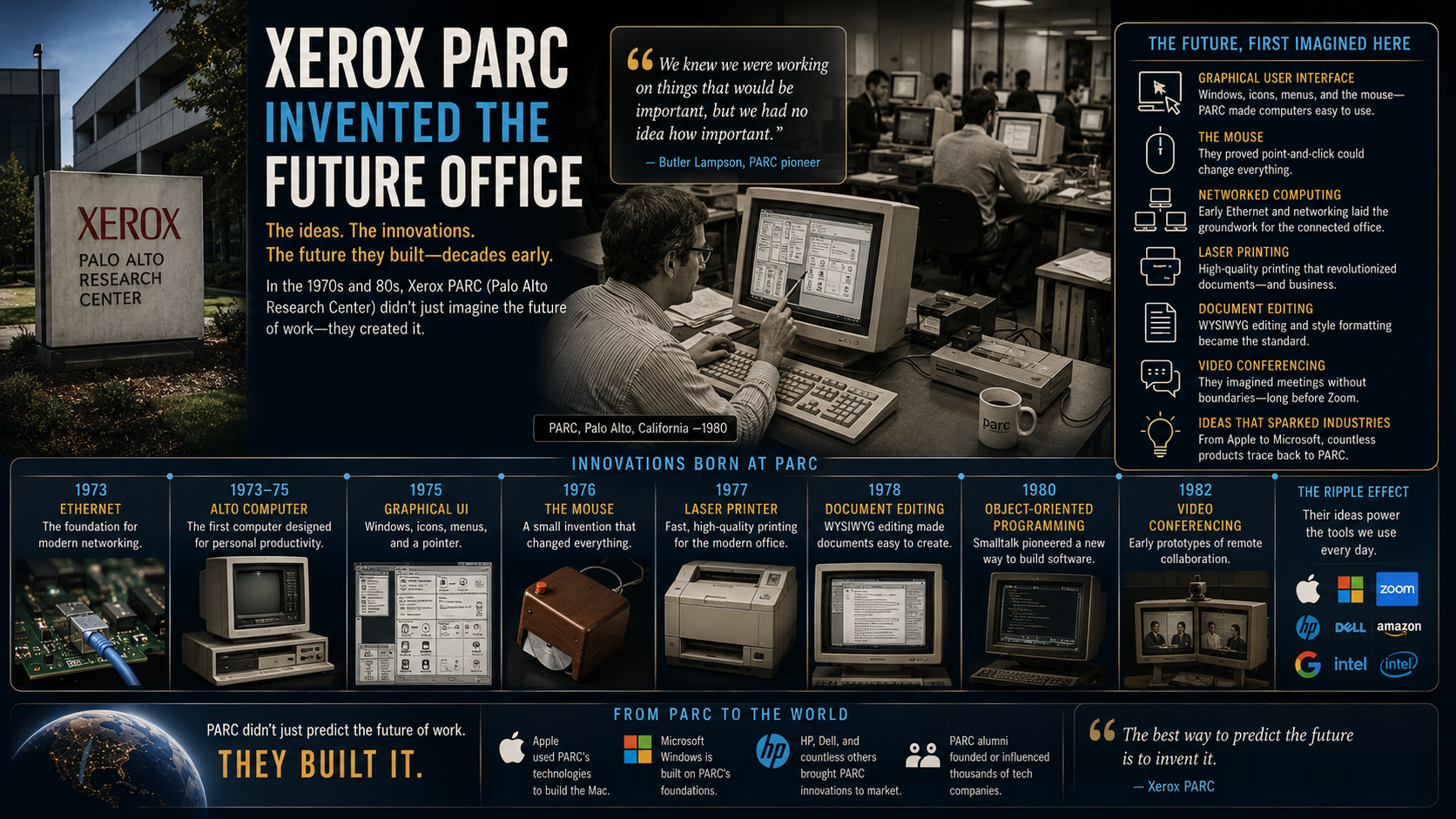
The Lab That Invented Tomorrow
In December 1979, Steve Jobs saw echoes of the future inside Xerox PARC's halls. There, in a secluded lab, lay the blueprint for the modern tech landscape.
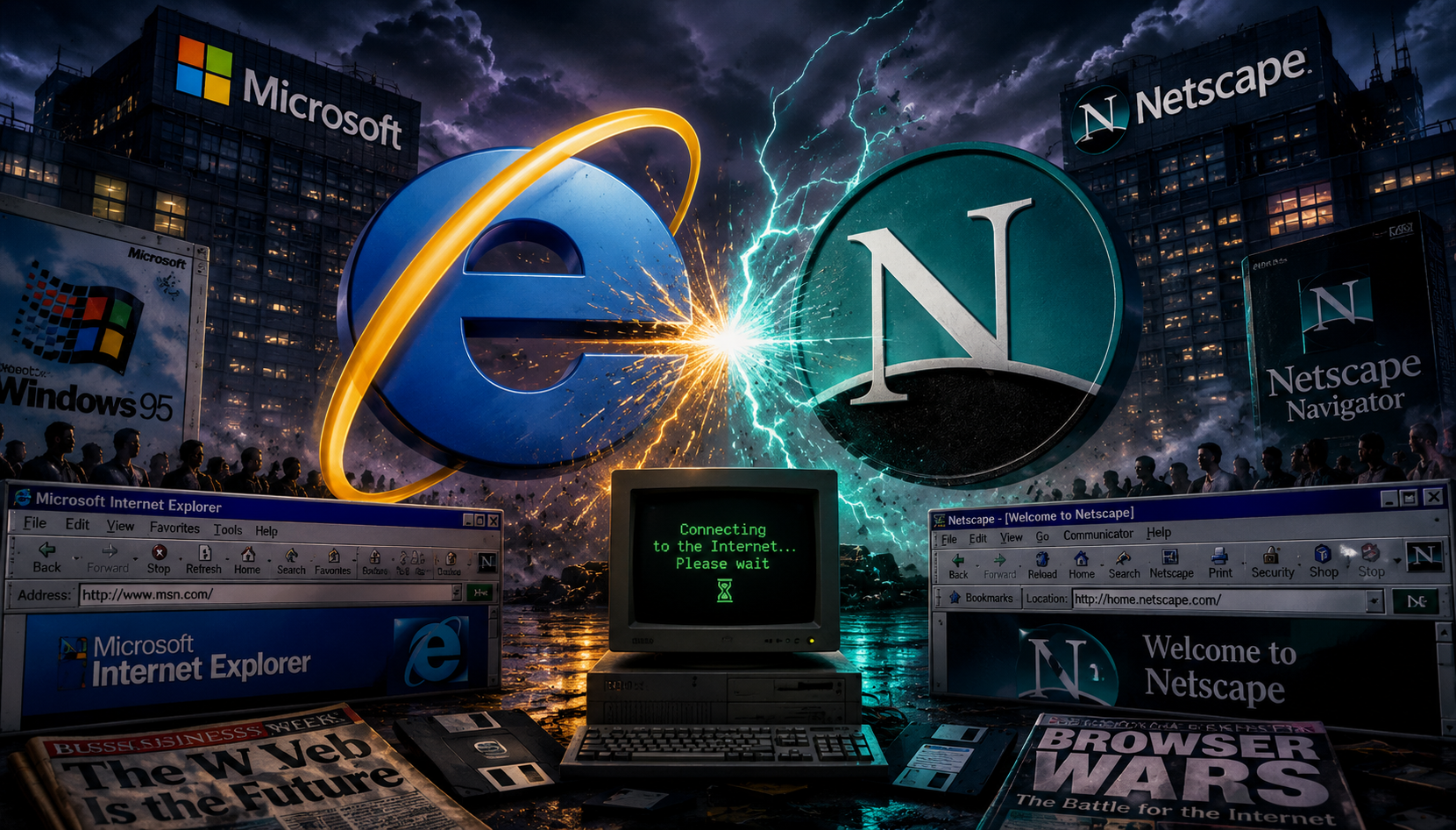
The Browser War That Built the Internet
In the mid-1990s, a software battle erupted that would shape how billions accessed information. Few could predict that the victor would soon face its own downfall.
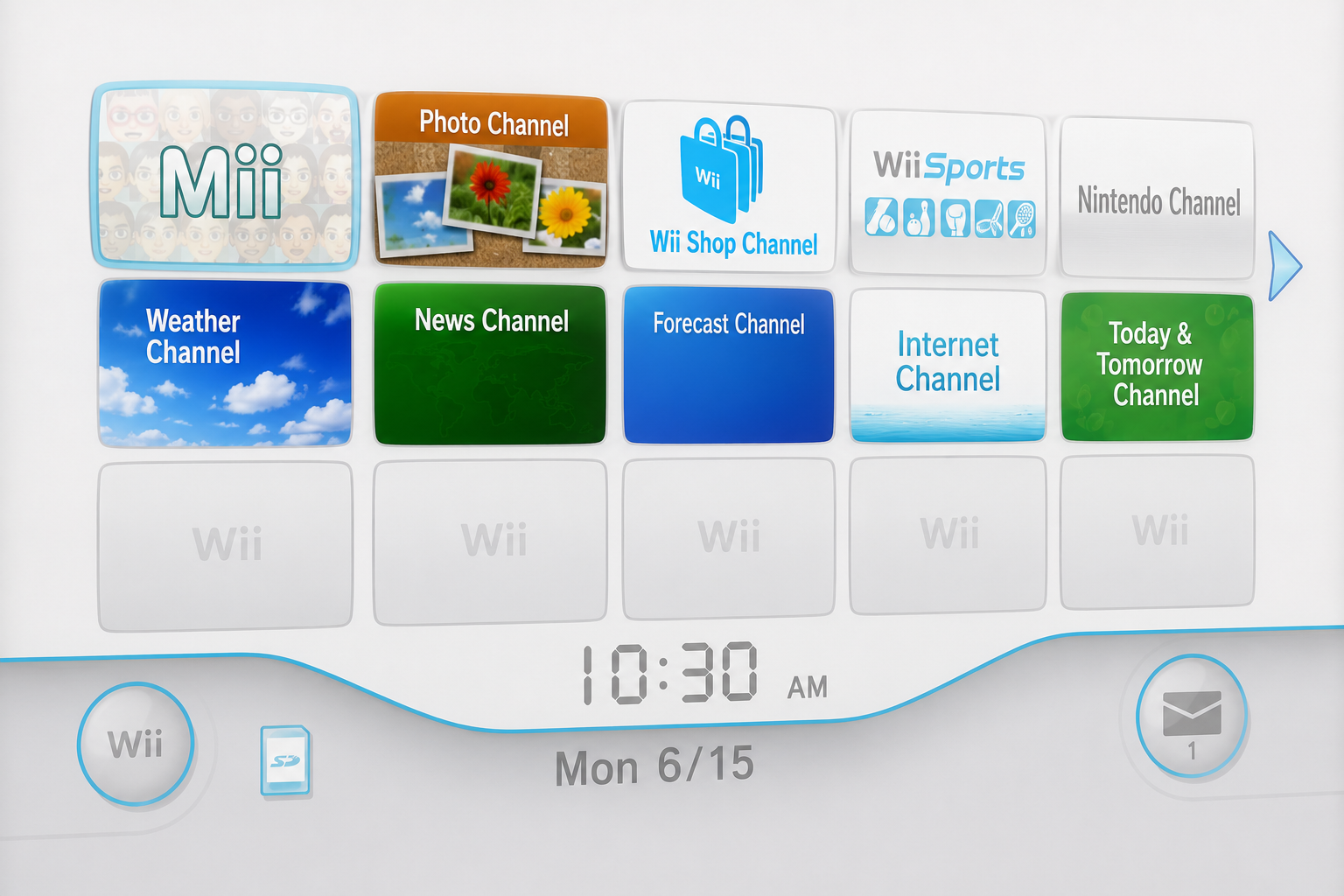
The Wii Gamble That Saved Nintendo
In a world obsessed with graphics and power, Nintendo bet on simplicity. The Wii was laughed at — until it wasn't.
Pixar's Radical Feedback Loop
In a stark, unadorned room, some of the most powerful voices in animation face off with ruthless honesty. Their weapons? Brutal feedback that molds raw ideas into cinematic gold.

The Chicken That Changed Retail
Costco's $4.99 rotisserie chicken isn't just a meal — it's a strategic masterpiece. The unexpected ripple effects changed retail forever.
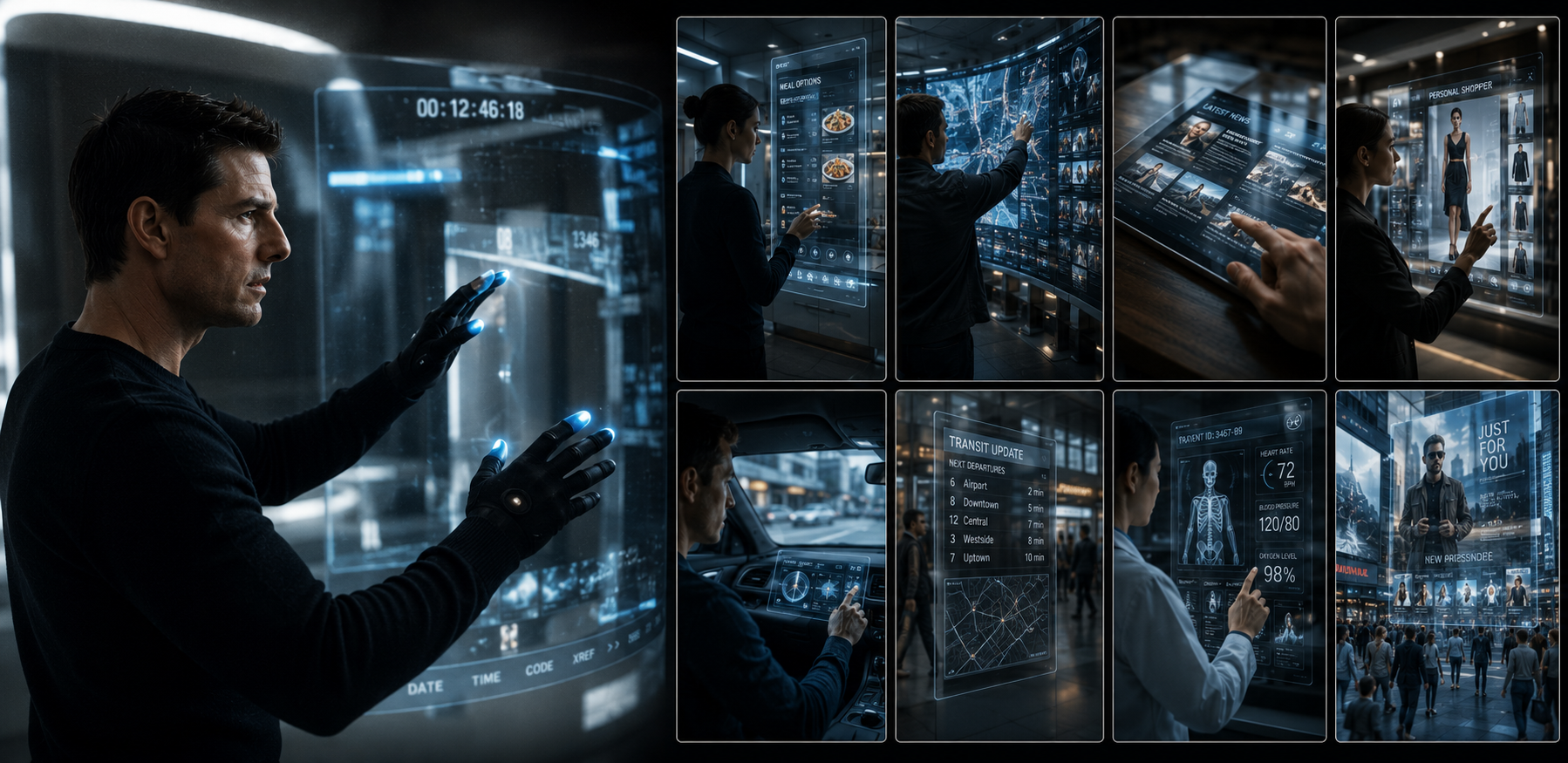
Minority Report's Prescient Touchscreen Reality
In 2002, Hollywood imagined a future of seamless touchscreen interfaces. Today, Steven Spielberg's vision feels eerily prescient as technology catches up.
Continue the Rabbit Hole
Each story explores the same idea from a different angle. Follow the connections and discover where the thread leads.
Fictional placeholder content