Why Trader Joe's Employees Seem So Happy
"Imagine entering a grocery store where every employee seems genuinely content. What secret propels Trader Joe's beyond just a store into an experience?"
What Happened?
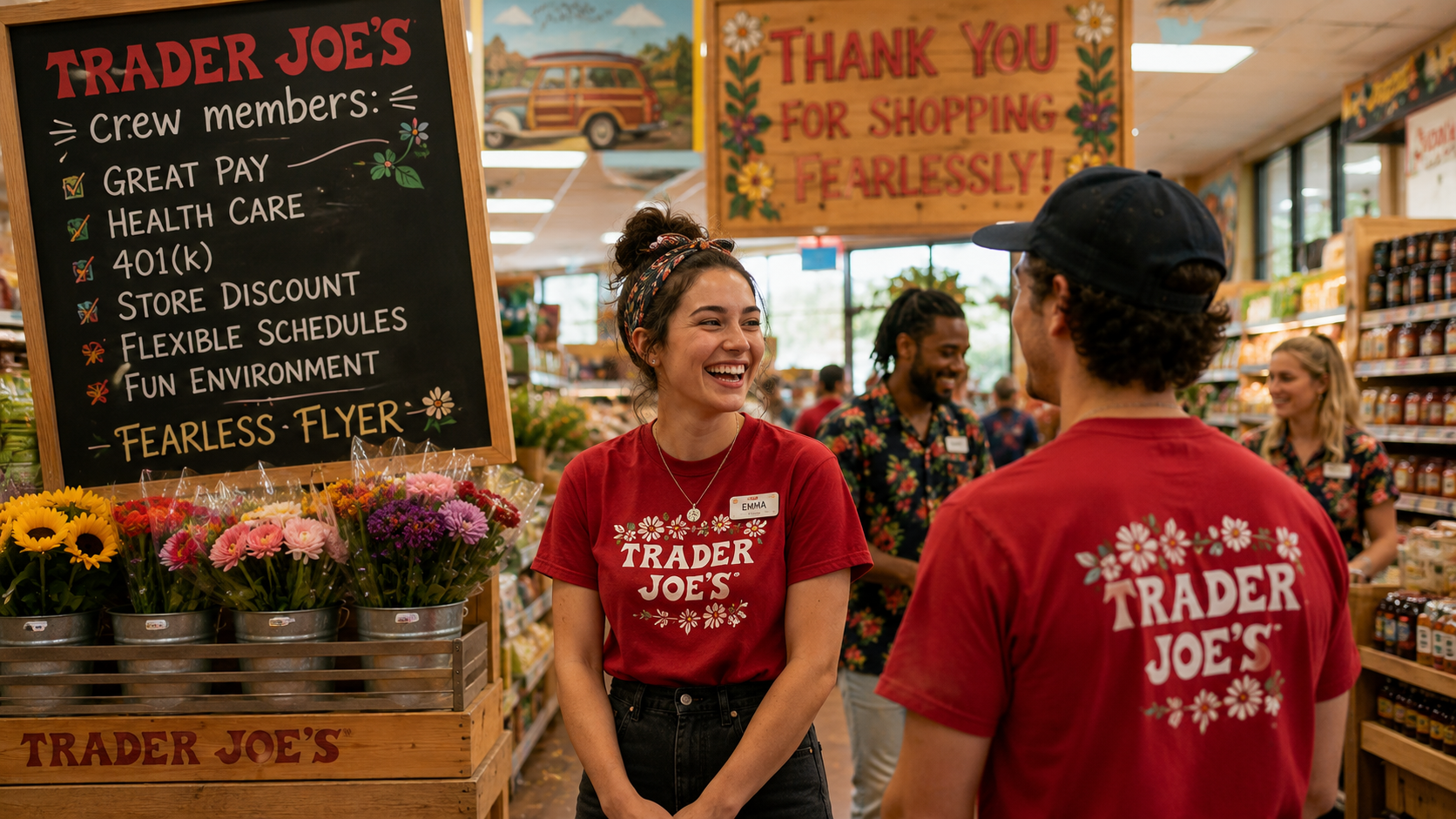
Picture this: you're at Trader Joe's, weaving your way through crowded aisles. The buzz of cheerful chatter fills the air, employees engage customers with genuine smiles, and you might wonder if it's all one elaborate act. It isn't. The happiness etched on the faces of Trader Joe’s crew members isn’t just good customer service—it’s the product of a unique approach to retail labor.
Amid the colorful array of products, something else stands out: the camaraderie among employees. It’s a place where managers, often rolling up their sleeves to bag groceries or sweep floors, mingle with crew members as equals. This ethos of collaboration isn’t accidental. Trader Joe’s insists on hiring from within, ensuring every leader has been at the coalface, fostering a culture of empathy and teamwork.
At a time when the average retail job is often synonymous with low pay and high turnover, Trader Joe’s offers a different picture. Employees receive an enviable 20% discount on purchases, alongside comprehensive health benefits. But more surprisingly, they enjoy a work environment thriving on change—each hour bringing a new task to keep monotony at bay. It's a setup that values flexibility over rigidity, and employee satisfaction soars as a result.
Yet, it's not just the perks that keep employees beaming. The magic ingredient lies in the freedom to be whimsical and creative. At Trader Joe's, staff don't just restock shelves; they craft experiences. Regular customers often walk in to conversations about recipe ideas or the week’s must-try snacks, turning mundane grocery trips into moments of joy.
Perhaps the clearest sign of success is that Trader Joe’s employees not only stay—they thrive, creating an unbroken chain of happiness from crew member to customer. It’s a symbiotic relationship, a feedback loop of positivity, so palpable it could make one think there’s glitter in the air instead of just flour and cereal.
Takeaway
The lesson this story keeps teaching
“Ultimately, prioritizing employee satisfaction creates a ripple effect that enhances the entire consumer experience.”
Why People Are Talking About This
Trader Joe's challenges the traditional retail model by centering their strategy around employee happiness — a rarity in an industry often limited to margin-driven metrics.
The extent of its success forces a reevaluation of conventional business priorities, honing in on the idea that treating employees well isn't merely good public relations; it's sound business logic. This underlines a significant shift in how conscious capitalism can redefine not only corporate strategies but also consumer expectations.
Thread Map
9 entities · 8 connections · Hover to explore, click to inspect
This is the connection map for this thread. Every node is a person, company, event, or idea. The red lines show how they connect. Hover a node to highlight its connections. Click a node to see why it matters to this story.
How We Got Here
Trader Joe’s Explores Employee Happiness
Trader Joe's management begins focusing heavily on employee satisfaction, implementing various policies such as internal promotions, comprehensive health benefits, and employee discounts.
Bringing Happiness Into the Aisles
Employees begin engaging with customers in more positive, creative interactions, transforming customer service into a key part of the Trader Joe’s shopping experience.
Trader Joe’s Named Among Best Employers
HR Chief magazine recognizes Trader Joe’s as one of America's Best Large Employers, acknowledging its successful focus on employee happiness.
Award-Winning Customer Service
Forbes ranks Trader Joe’s 7th among over 3,000 brands for exceptional customer service, a testament to its employee-centric approach.
Internal Promotions and Job Satisfaction
Trader Joe's drives employee satisfaction through consistent internal promotion strategies, ensuring opportunities for growth and engagement.
Engagement Beyond the Norm
Trader Joe's continues to innovate by encouraging a working environment where each crew member can engage creatively with customers.
An Industry-Breaking Culture
Trader Joe's internal strategies begin to ripple throughout the retail industry, as competitors attempt to mimic its employee-centric model.
Community Feeling at the Heart of Shopping
The quirky, engaging atmosphere that Trader Joe's cultivates is heralded globally, attracting both customers and media attention.
Wait... Who Is This?
Retail had traditionally been a straightforward equation. More stores, more products, more variety. But somewhere along the line, simplicity became complexity, dragging along layers of bureaucracy and a disconnection from the human experience. In this crowded market of commoditization and endless competition, something fundamental was lost—a personal touch.
Trader Joe's flipped that notion almost nonchalantly. With a philosophy rooted in building personal connections and enabling employees, they created an atmosphere that took shopping away from sterile to social. It wasn't the on-trend organic snacks or the cheeky ‘Two Buck Chuck’ wine; it was the atmosphere that felt different as soon as you walked in. And therein lay the revolution in retail.
For years, and somewhat under the radar, Trader Joe's emphatically ignored the industry's dogmas by investing in human goodwill. Banks of research and oceans of data continued to suggest that psychic satisfaction paid massive dividends, and while other retailers took years or even decades to catch on, Trader Joe's quietly reaped the benefits.
It was a story not just of products or profits but of people — of ordinary individuals with the power to transform the mundane into memorable. Who would have thought a grocery store could be a vivid tapestry of human happiness?
Receipts
The secret behind Trader Joe’s notoriously happy workers – Bulldog Times
Why was Trader Joe’s Named America’s Best Large Employer? | HR Chief
Trader Joe's reviews
What Trader Joe's Knows About Making Your Brain Happy
Inside Trader Joe's: The Genius Strategy Behind Its Cult Following ...
5.5 Motivation in Action: The Case of Trader Joe’s – Organizational Behavior
Why Nobody Has Been Able To Disrupt Trader Joe's
How Trader Joe's Built an Iconic Brand Through Employee ...
Same Pattern
Different story. Same lesson.
The Lab That Invented Tomorrow
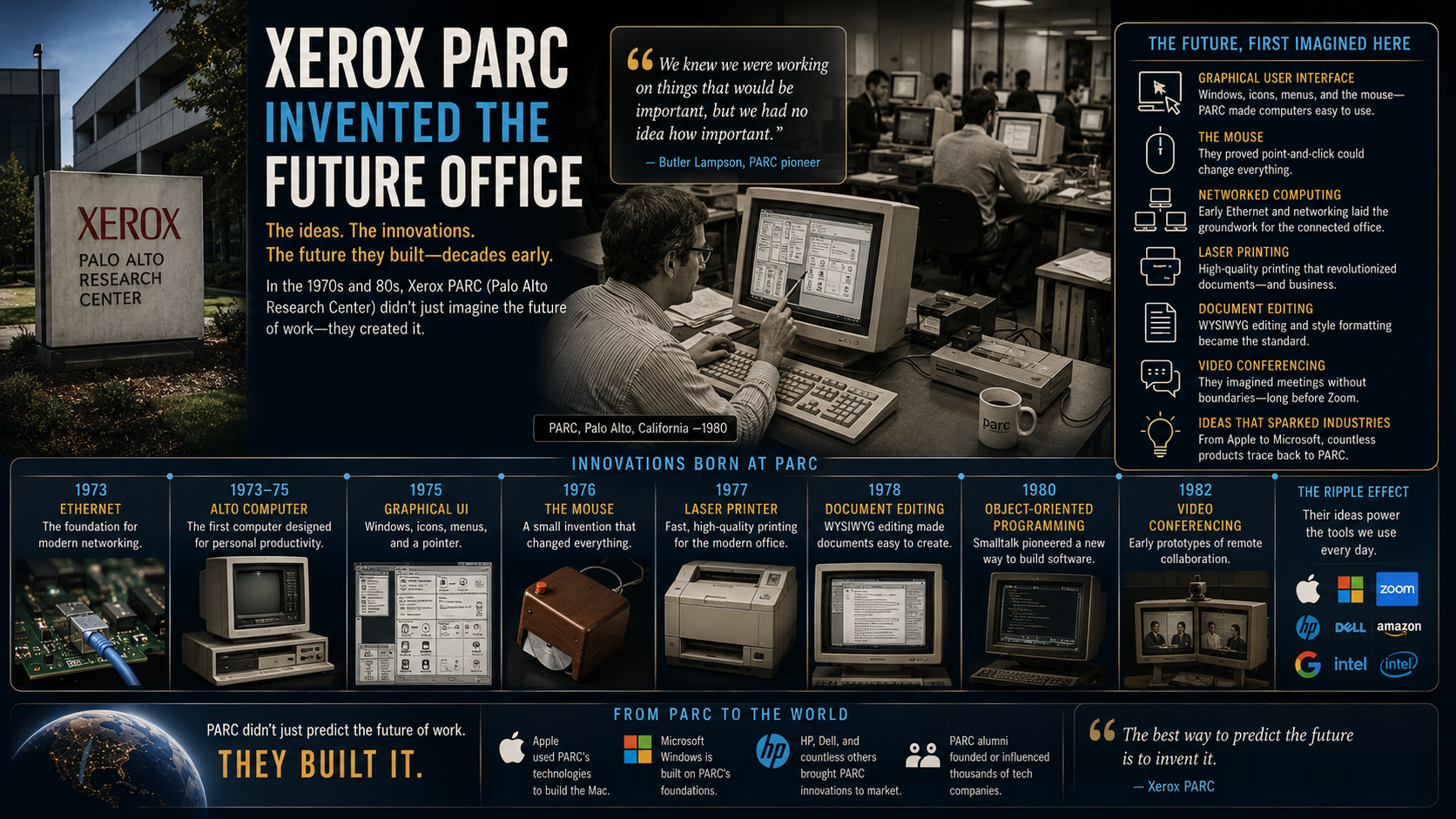
In December 1979, Steve Jobs saw echoes of the future inside Xerox PARC's halls. There, in a secluded lab, lay the blueprint for the modern tech landscape.

The Browser War That Built the Internet
In the mid-1990s, a software battle erupted that would shape how billions accessed information. Few could predict that the victor would soon face its own downfall.

The Chicken That Changed Retail
Costco's $4.99 rotisserie chicken isn't just a meal — it's a strategic masterpiece. The unexpected ripple effects changed retail forever.

The Wii Gamble That Saved Nintendo
In a world obsessed with graphics and power, Nintendo bet on simplicity. The Wii was laughed at — until it wasn't.

Pixar's Radical Feedback Loop
In a stark, unadorned room, some of the most powerful voices in animation face off with ruthless honesty. Their weapons? Brutal feedback that molds raw ideas into cinematic gold.
The Puzzle that Conquered the World
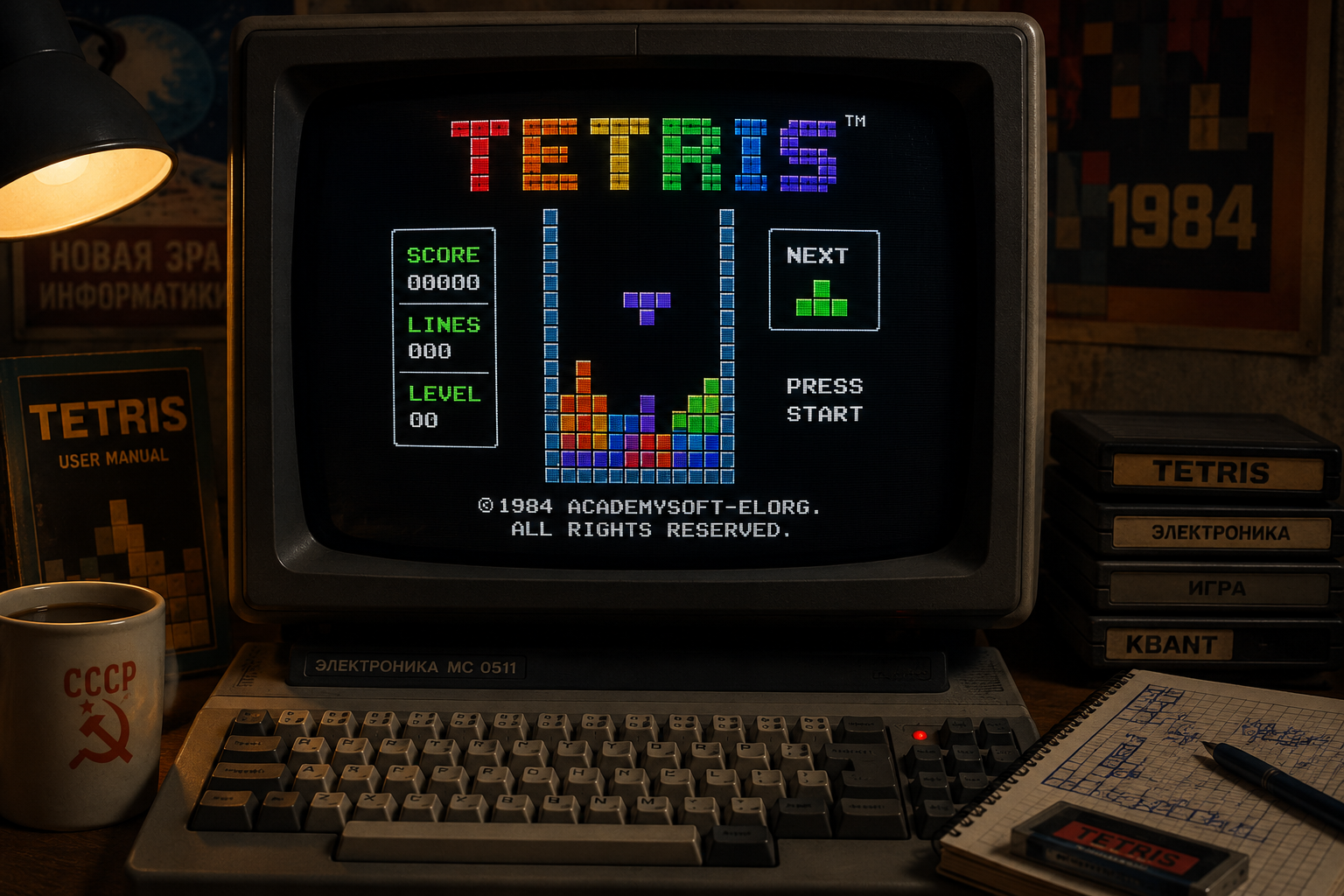
A Soviet engineer at his desk, unknowingly poised to create a legend. His creation? Tetris — a game that would break barriers and forever alter the gaming landscape.
Continue the Rabbit Hole
Each story explores the same idea from a different angle. Follow the connections and discover where the thread leads.





Fictional placeholder content