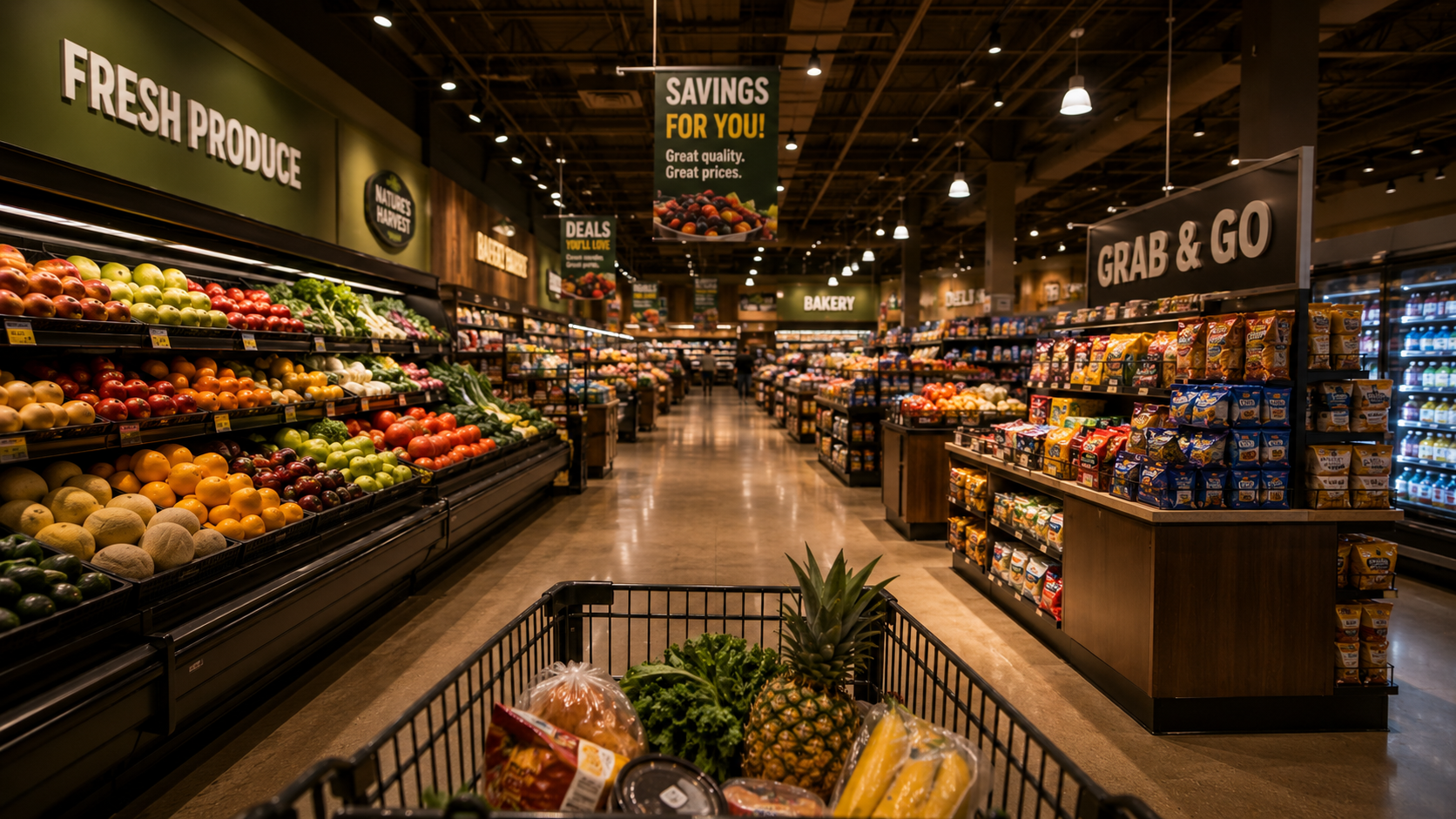
Inside the Supermarket Maze
"Every supermarket visit starts with an illusion: you, in control of your cart and choices. What you don't see are the subtle cues steering you toward an overflowing checkout."
What Happened?
Aisles sneaked past shoppers like rivers; each bend holding the promise of something else you didn't think you needed but ended up buying. What's the secret sauce that keeps your cart fuller than intended? It's not an accident but a carefully orchestrated dance of sight, sound, and smell. Supermarkets employ a kind of retail choreography that's nothing short of genius.
The produce section, for instance, isn't just about fruits and vegetables. It's strategically placed at the entrance to tap into shoppers' subconscious love for color and health. Paco Underhill, a prominent consumer behavior expert, notes, “Bright colors hold the secret to our mood and buying patterns.” But what really keeps you tethered to those aisles is more invisible—it's the layout. Most stores employ a counterclockwise flow, knowing most people are right-handed. "Hands push, eyes roam," says Underhill, emphasizing how design nudges you towards more shelves.
At every turn, psychological pitfalls catch even the most disciplined shopper. Decompression zones let you enter a store without obstacles, subtly signaling leisure rather than urgency. And who can escape the bakery’s tantalizing aroma? Each of these elements works as subtle traps, spinning a web of consumer craving.
Yet this isn't just about messing with your mind. It's a billion-dollar strategy capitalizing on impulse buys and eating desires whole. Every freebie handed out by apron-clad staff or the strategic positioning of essentials—like milk in the back—compels multiple aisle crossings. The time you spend zigzagging, inspecting, discovering, and inevitably spending, is precisely what supermarkets count on.
The tragedy, or triumph depending on whose balance sheet you're eyeing, is that you never leave empty-handed. The science of space and the psychology of color conspire, almost without you knowing, to lure that one extra box of cookies into your cart. And in the end, it's not just groceries but an experience: a journey set to keep you wandering endlessly. Because in this labyrinth of temptation, the exit sign is exactly where it was meant to be—just out of sight.
Takeaway
The lesson this story keeps teaching
“Retail spaces are engineered for behavioral manipulation, subtly guiding unsuspecting consumers toward unintended purchases.”
Why People Are Talking About This
We live in environments engineered for influence—our choices guided by unseen hands. Understanding these mechanisms shifts the balance of power, empowering shoppers to reclaim autonomy. In a world swayed by design and marketing, recognizing the invisible forces steering us ensures financial stability and informed decisions.
Thread Map
4 entities · 3 connections · Hover to explore, click to inspect
This is the connection map for this thread. Every node is a person, company, event, or idea. The red lines show how they connect. Hover a node to highlight its connections. Click a node to see why it matters to this story.
How We Got Here
Opening the Doors to Retail Psychology
ABC News interviewed researchers like Ms. Rafferty to discuss how supermarkets use layout to influence purchasing decisions. Amidst rising consumer awareness, the facade began to crack, revealing strategic store planning aligned with psychological principles.
The Design of Confusing Aisles
Business Insider published insights into how supermarkets are intentionally designed to get shoppers lost inside. The idea was to keep customers engaged longer, increasing the chances of them making additional purchases.
Mapping the Fresh Zone
Researchers uncovered how the 'fresh zone' tactic involves placing fresh produce at the entrance to give an impression of freshness. This practice subtly nudges shoppers to associate the rest of their purchases with the same appeal.
The Rise of Store Atmosphere Control
Supermarkets began altering their environments by playing slow music to transform shopping into a more relaxed experience, encouraging longer browsing times. This tactic aligns with market research showcasing heightened purchase probability.
Unexpected Aisle Delays
Shoppers frequently find detours within aisles due to strategic product placements aiming to distract, causing them to spend more time exploring adjacent, unrelated items.
Promotional Endcaps and Checkouts
Brands capitalized on premium placements near checkouts and aisle ends. Their strategy banked on impulse buy psychology, needing only seconds to appeal to undecided customers.
Rise of Consumer Awareness
Public discourse surrounding the manipulation by supermarkets gained momentum, causing an increase in content educating consumers on these hidden persuasive techniques adopted by their local grocers.
Reclaiming Shopper Control
While supermarkets stay pivotal in consumer routine, ongoing discussion and education symbolize a shift towards empowered decision-making, favoring informed purchasing over passive consumption.
Wait... Who Is This?
Walking into a supermarket feels familiar—the soft hum of air conditioning, bins overflowing with vibrant produce, the comforting scent of freshly baked bread originating from some corner. It's a setting devoid of tension, a space engineered to grant us the illusion of choices spread across endless aisles. Yet, deeper beneath this facade lies intricate choreography.
Over decades, strategies evolved intertwining psychology and retail design—turning common shopping trips into experiences carefully crafted to maximize spending and prolong visits. Paco Underhill, a pioneer in consumer behavior, unveiled the facade, gradually exposing the labyrinthine architecture subtly steering shoppers to unintentional buys as if their choices were genuinely unauthored.
Supermarkets gained their reputation as temples of consumerism, hub spaces for sensory-driven decision-making—environments capitalizing on subtle signals, lighting, product placement, and promotional tactics. Shoppers mapped familiar pathways, unaware of calculated distractions angled at prolonging each visit, transforming innocuous runs into calculated marathons.
Receipts
8 Ways Supermarkets Make You Buy More
How to Buy Food: The Psychology of the Supermarket | Bon Appétit
How supermarket layout and marketing encourages you to spend more — and what to do about it - ABC News
Supermarkets Are Designed to Get Customers Lost Inside - Business Insider
Surviving the Sneaky Psychology of Supermarkets
How grocery store layouts manipulate your shopping behavior | by Elvis Hsiao | UX Collective
Same Pattern
Different story. Same lesson.
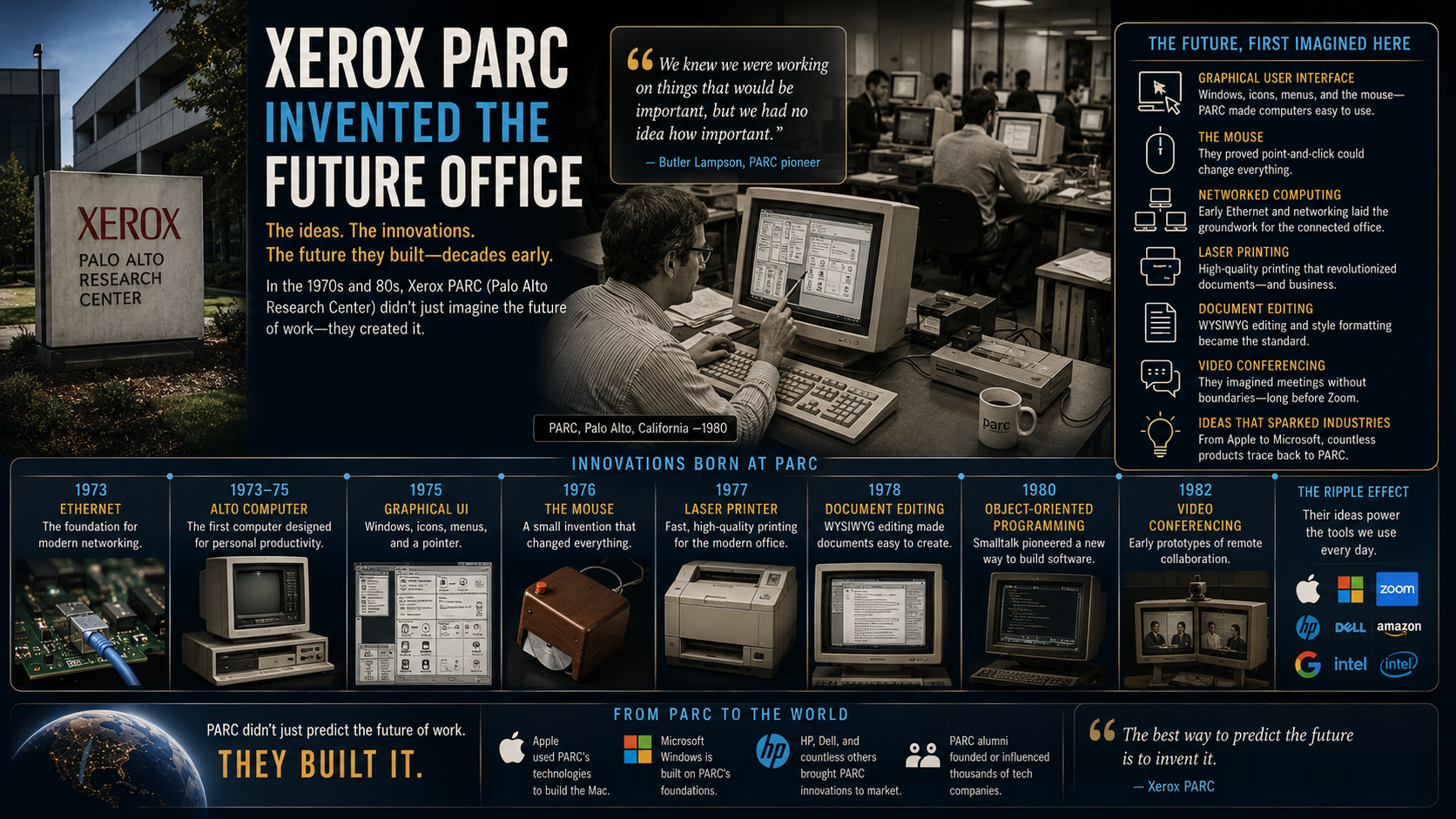
The Lab That Invented Tomorrow
In December 1979, Steve Jobs saw echoes of the future inside Xerox PARC's halls. There, in a secluded lab, lay the blueprint for the modern tech landscape.

The Browser War That Built the Internet
In the mid-1990s, a software battle erupted that would shape how billions accessed information. Few could predict that the victor would soon face its own downfall.
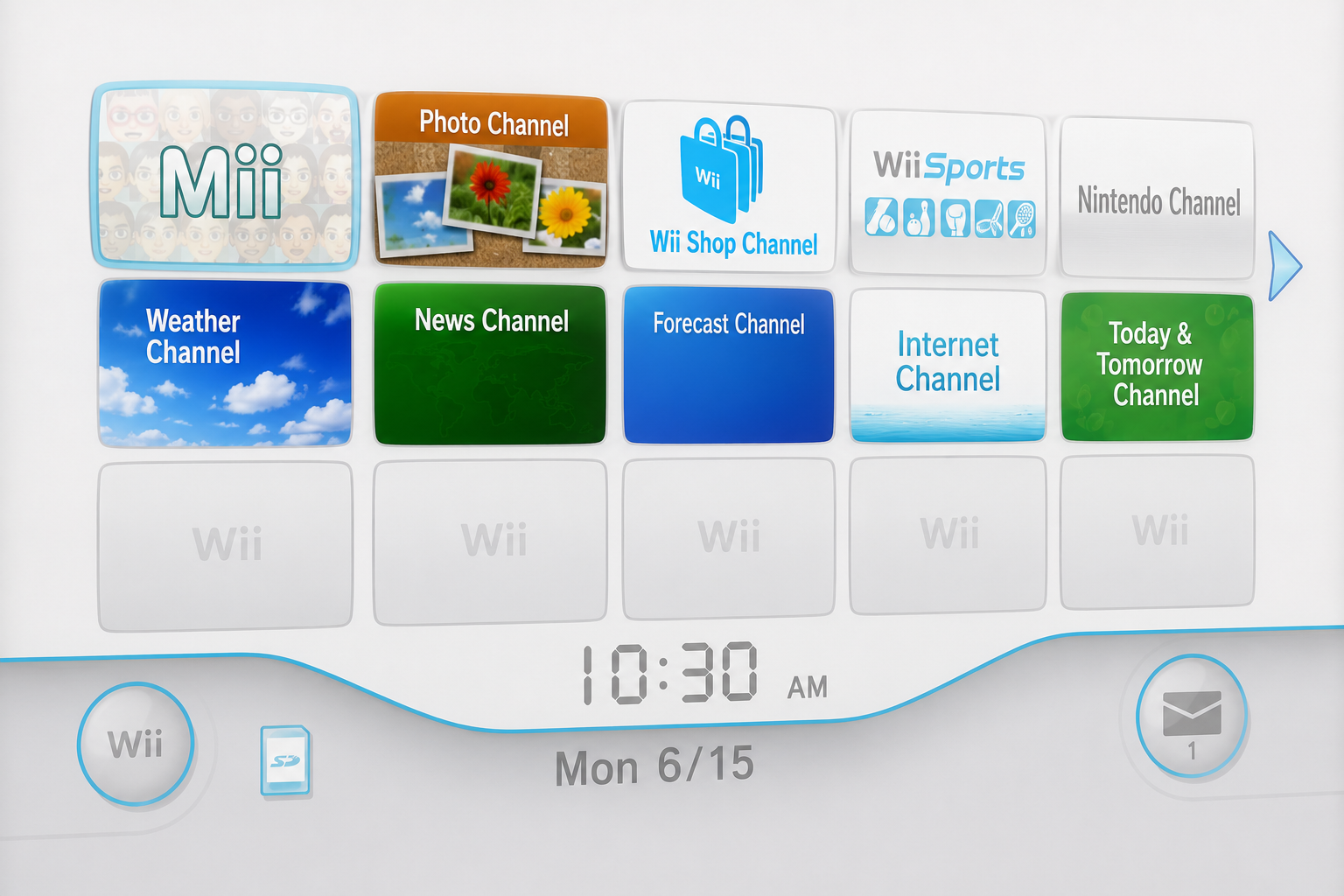
The Wii Gamble That Saved Nintendo
In a world obsessed with graphics and power, Nintendo bet on simplicity. The Wii was laughed at — until it wasn't.

Pixar's Radical Feedback Loop
In a stark, unadorned room, some of the most powerful voices in animation face off with ruthless honesty. Their weapons? Brutal feedback that molds raw ideas into cinematic gold.
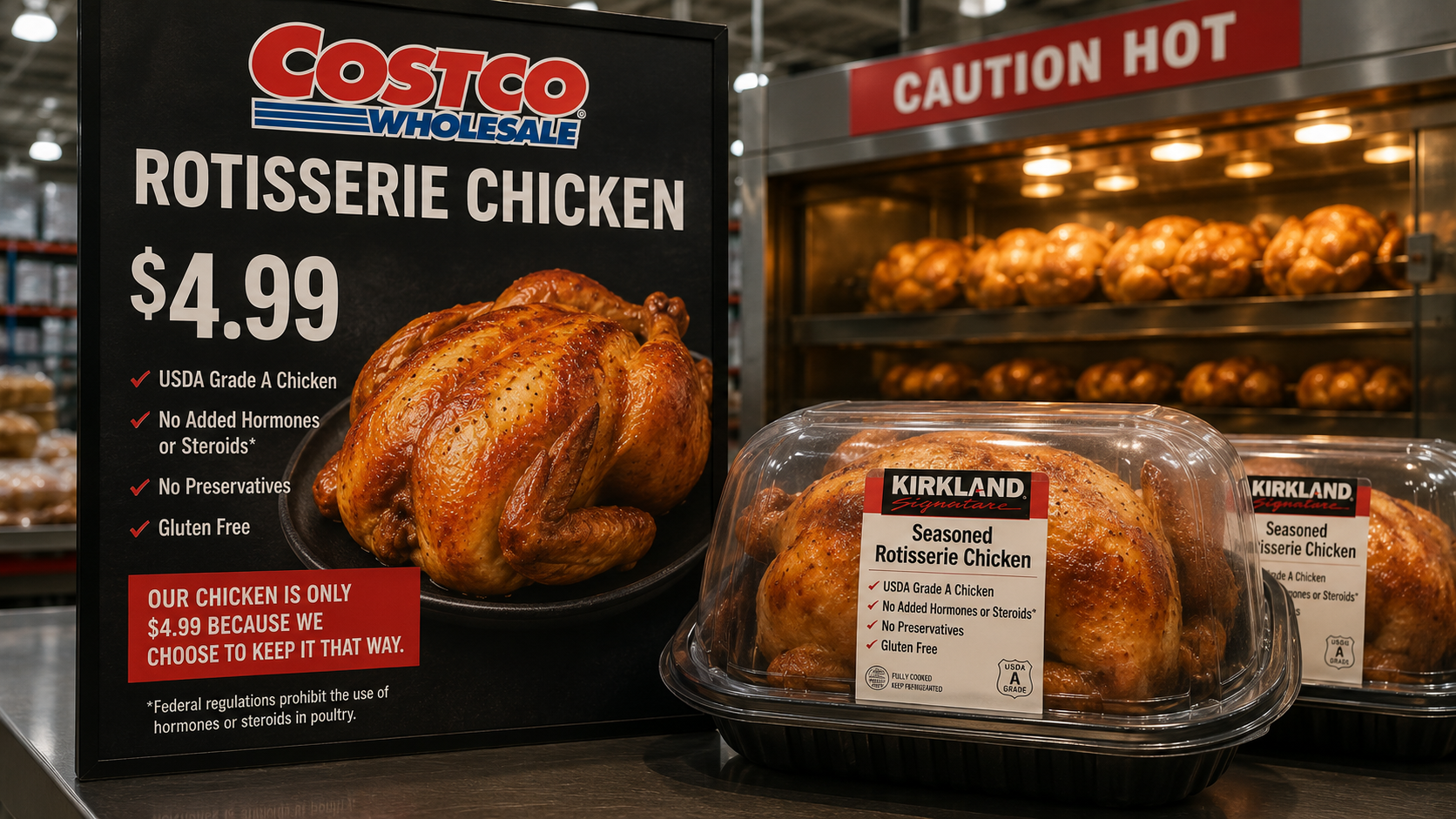
The Chicken That Changed Retail
Costco's $4.99 rotisserie chicken isn't just a meal — it's a strategic masterpiece. The unexpected ripple effects changed retail forever.
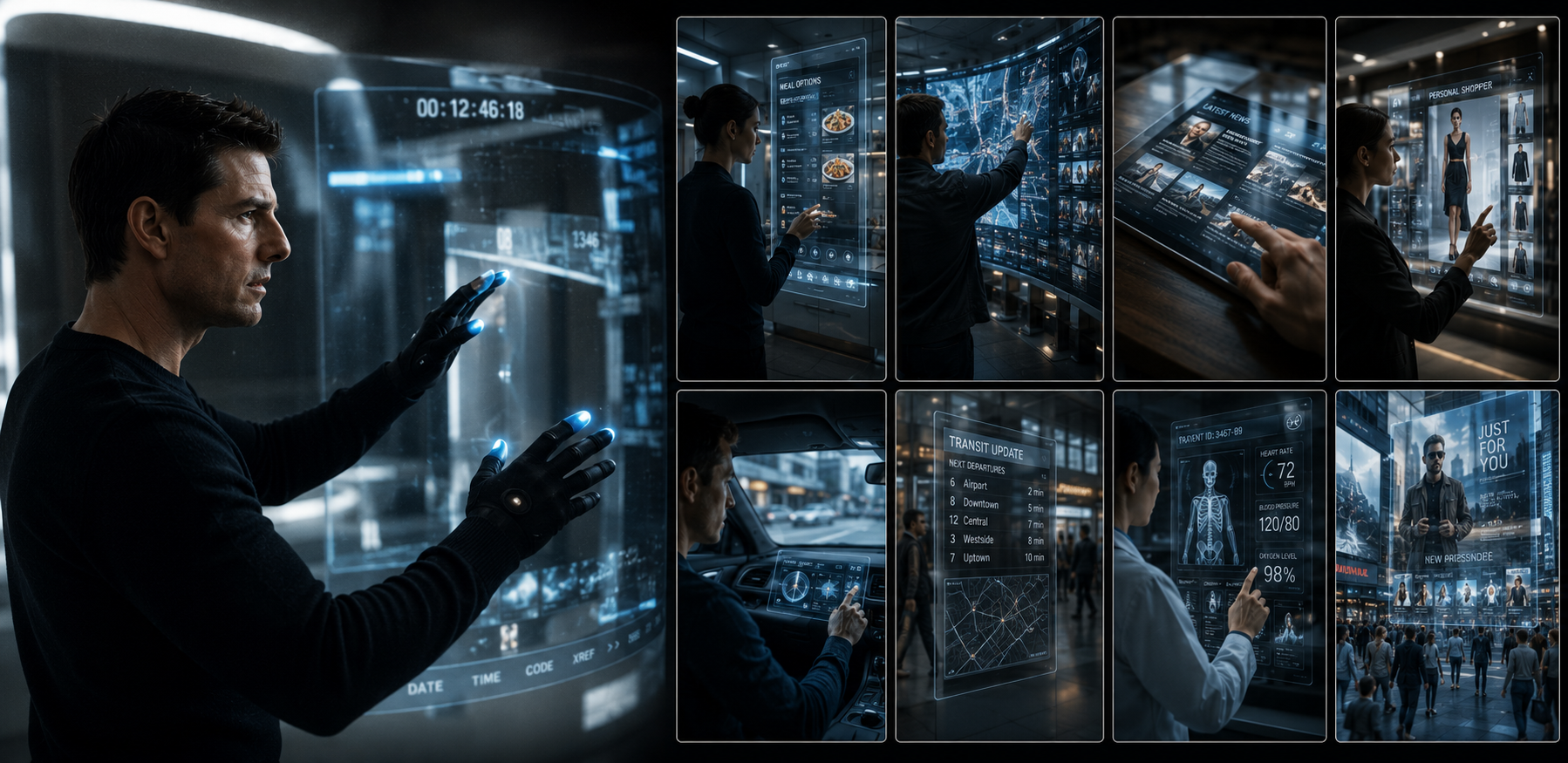
Minority Report's Prescient Touchscreen Reality
In 2002, Hollywood imagined a future of seamless touchscreen interfaces. Today, Steven Spielberg's vision feels eerily prescient as technology catches up.
Continue the Rabbit Hole
Each story explores the same idea from a different angle. Follow the connections and discover where the thread leads.

Fictional placeholder content