Luxury Brands' Scorched Earth Strategy
"A bonfire of luxury: in 2018, Burberry burned £28 million of unsold goods. Few knew about the iceberg beneath that fire."
What Happened?
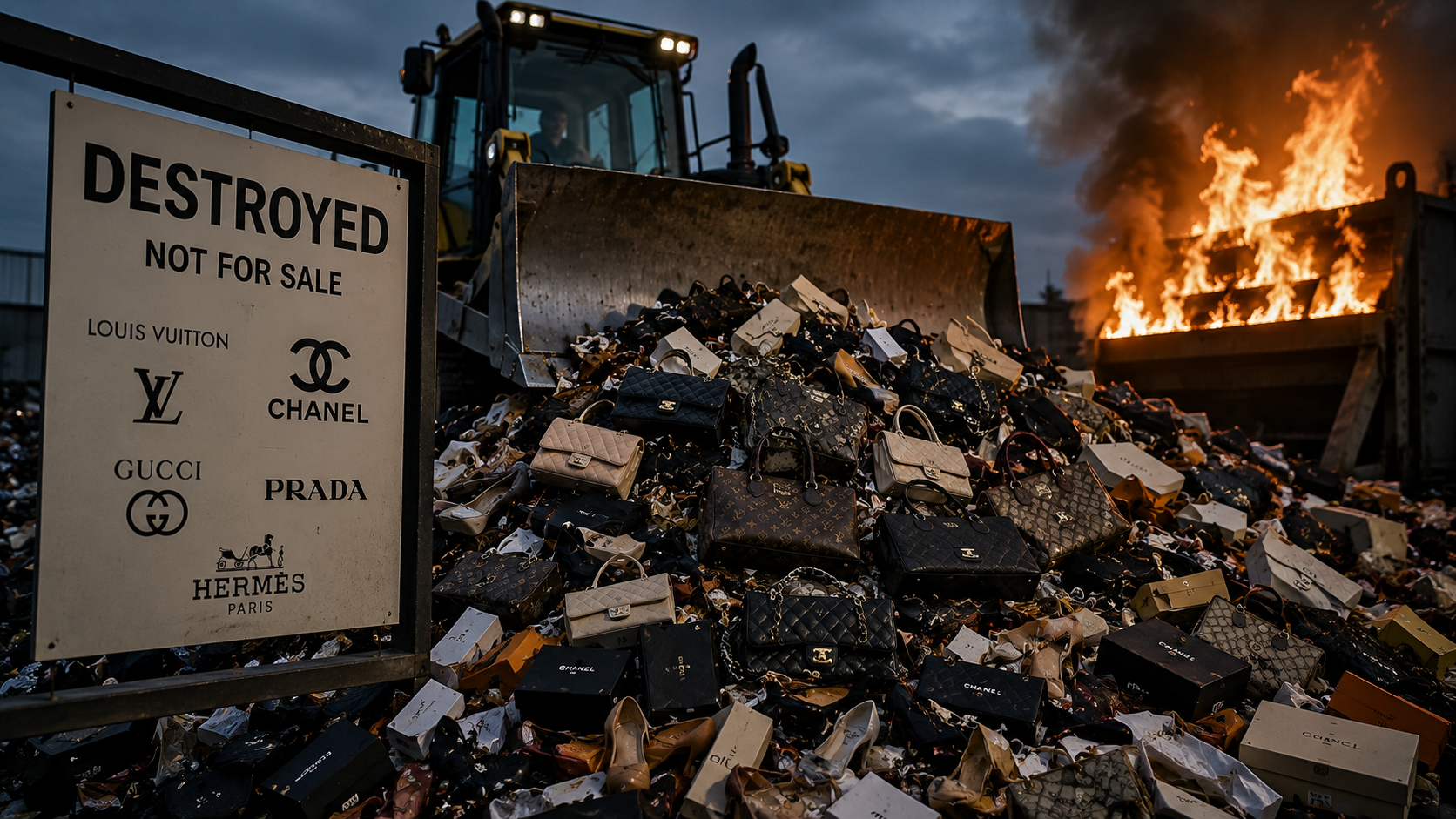
In a dimly lit warehouse on the outskirts of Paris, a towering heap of luxury handbags sat waiting for their fate. Burberry wasn't the only brand making headlines for burning unsold stock worth £28 million, but it was certainly one of the most scrutinized. Beside them, Louis Vuitton was rumored to incinerate countless bags to protect its aura of exclusivity. Yet, few understood the real cost behind the smoke.
The charred remains are not just about brand protection but about preserving an illusion. In the cutthroat world of luxury fashion, scarcity equates to prestige. With billions of dollars at stake, brands systematically destroy excess stock, ensuring unsold items never reach discount racks or the hands of unauthorized sellers. Richemont, for instance, took it up a notch. In 2018, it openly admitted to destroying $563 million worth of watches, rather than diluting the brand by letting them surface in unauthorized markets.
Environmental backlash swirled, sparking calls for change. Activists and conscious consumers began to ask hard questions. Why these practices persisted while sustainable alternatives grew louder in public discourse? Luxury labels found themselves at a crossroads—defend centuries-old traditions or adapt to new-age demands.
Even as the European Union moved to ban textile destruction by 2024, brands hesitated. Change threatened the core of their identity, their mystique. Was there a future where exclusivity could coexist with responsibility? Only time, and perhaps a seismic shift in consumer values, would tell.
In the labyrinth of opulence, the burning of goods tells a story about more than just supply and demand. It speaks to the lengths brands will go to keep the dream alive, even if it means watching their own creations go up in flames.
Takeaway
The lesson this story keeps teaching
“Luxury brands protect their image by turning excess into ashes, choosing perception over preservation.”
Why People Are Talking About This
The revelation about Burberry and other luxury brands' practices changes how we view brand exclusivity and environmental responsibility.
This story uncovers a vital connection between consumer perception and corporate waste, revealing the underlying tension between maintaining an image and the ecological cost of doing so.
Thread Map
10 entities · 9 connections · Hover to explore, click to inspect
This is the connection map for this thread. Every node is a person, company, event, or idea. The red lines show how they connect. Hover a node to highlight its connections. Click a node to see why it matters to this story.
How We Got Here
Burberry Burns £28 Million in Stock
Facing scrutiny, Burberry revealed it burned unsold goods worth £28 million. This decision sparked outrage and led to calls for industry-wide change.
Richemont Takes Drastic Measures
Richemont destroyed $563 million worth of unsold luxury watches to prevent unauthorized sellers and maintain its brand image.
Spotlight Shines on Fashion's Wasteful Practices
A wave of media reports emerged, targeting luxury brands for destroying merchandise to uphold brand value, igniting public backlash.
Focus on Legislative Change
The EU considers a ban on the destruction of textiles, signaling a significant shift in policy towards sustainable practices in fashion.
Louis Vuitton's Secret Stock Practice Revealed
Rumors circulate of Louis Vuitton destroying unsold stock to maintain its exclusivity, setting a silent industry standard.
Public and Policy Push for Sustainability
Growing public and policy pressures encourage sustainable practices, critiquing the widespread destruction of unsold luxury goods.
Industry Faces Networked Criticisms
Critics within and outside the industry spot inconsistencies between luxury brands' public positions on sustainability and their destructive practices.
Thrift Store Discovery Unravels Practice
A Greek thrift store finds deliberately destroyed luxury products, pointing to concealed waste within fashion's high-end segments.
Wait... Who Is This?
Luxury brands have long been shrouded in mystique and aspiration, their allure unmatched in an economy that equates prestige with desirability. These brands thrived on the perception of exclusivity, crafting goods that speak of elegance, taste, and wealth. However, behind the elegantly draped storefronts lay a harsher truth. In private sectors, high-end brands battled the relentless cycles of fashion. Even a whiff of surplus threatened their carefully cultivated scarcity. Marketing masterpieces on one hand — and existential threats on the other.
Including but not limited to highfliers like Richemont, secrecy was the cloak their business strategies wore. It wasn't until the mid-2010s that ensuing discussions about sustainability truly began rippling across their fabrics. As legislative attention shifted towards reducing waste, brands faced mounting scrutiny over the choices they'd made to maintain their stature. Consequently, the strategies employed to control excess, including destruction, began to emerge from the confines of corporate secrecy into public discourse.
It is no surprise that by 2018, the cultural climate had warmed enough to ignite these entrenched practices into a hotly debated topic. The embers of discord and reform wrecked the status quo, forcing an industry worth billions to rethink its approach. Now, the question loomed large: would these luxury stalwarts adapt and survive the pressing demands of ecological responsibility?
Receipts
Why destroying products is still an “Everest of a problem” for fashion | Vogue
The Sickening Reason Luxury Brands BURN Billions of Perfect Suits
Fashion's Destruction of Unsold Goods: Responsible Solutions for an Environmentally Conscious Future
No One In Fashion Is Surprised Burberry Burnt £28 Million Of Stock
Burberry, H&M, and Nike destroy unsold merch. An expert explains why. | Vox
Same Pattern
Different story. Same lesson.

The Wii Gamble That Saved Nintendo
In a world obsessed with graphics and power, Nintendo bet on simplicity. The Wii was laughed at — until it wasn't.
The Fall of BlackBerry
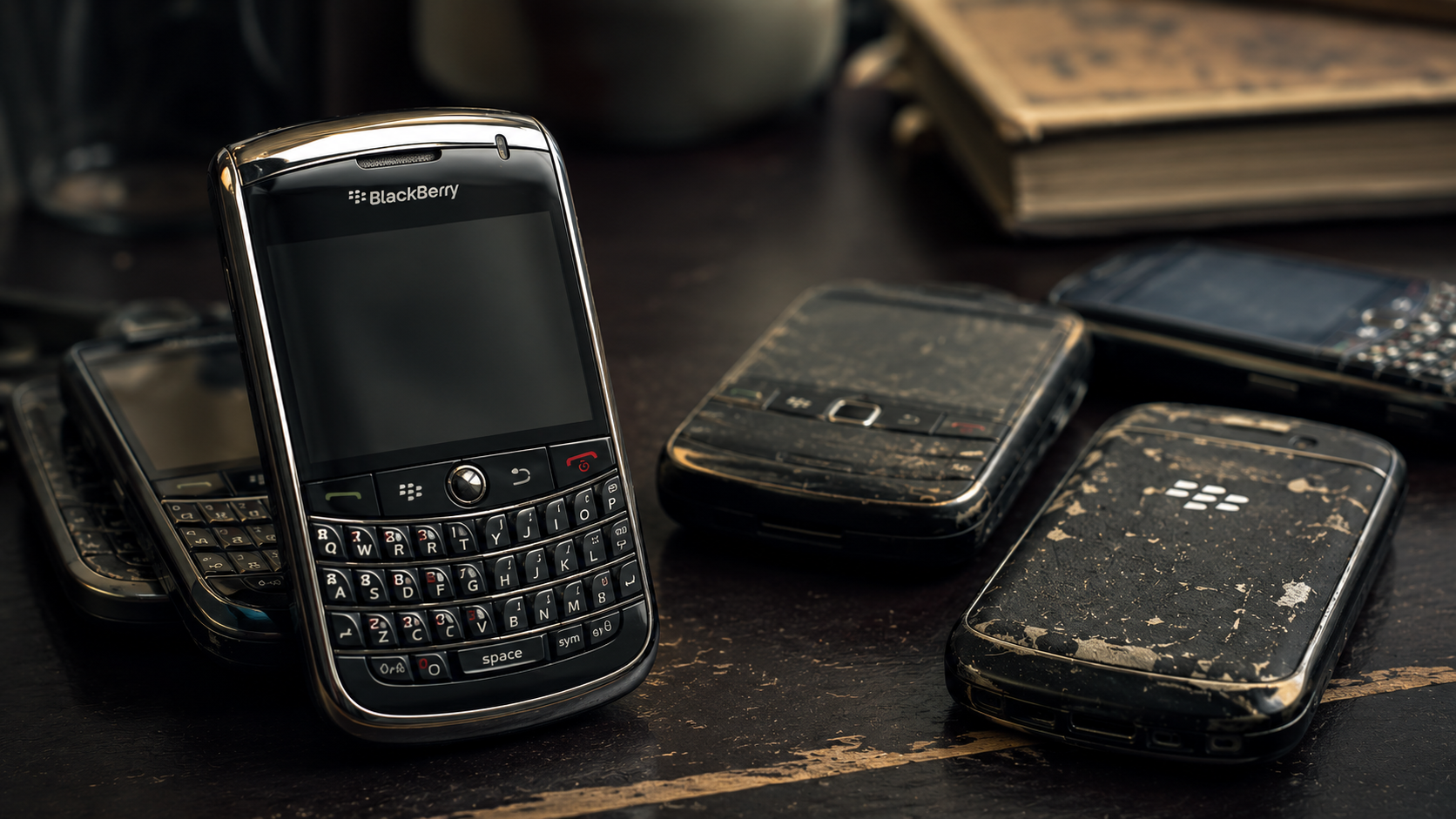
In a boardroom once buzzing with innovation, silence filled the air as BlackBerry executives watched Apple's iPhone dismantle their empire one launch at a time.

Cracking the Cicada Code
In 2012, an enigmatic online puzzle appeared that promised enlightenment. But who was behind Cicada 3301?

The iPhone That Disrupted the World
In January 2007, Steve Jobs stepped onto the stage and introduced a device that would redefine the entire world: the iPhone. What seemed like just another gadget launch was, in fact, the dawn of a new era.
The Enigma of Oak Island
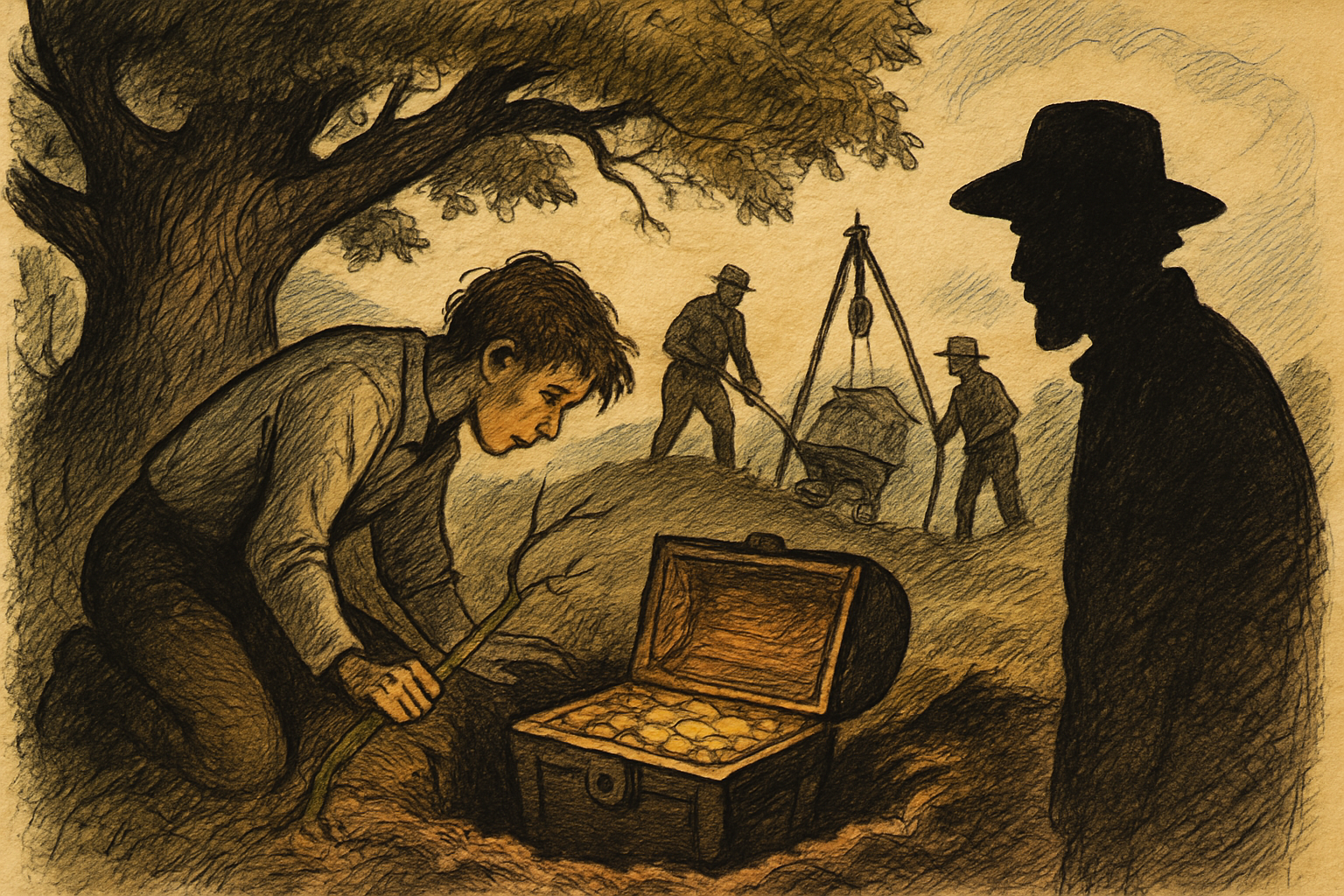
Beneath Oak Island lies a pit of promises, holding legends of buried treasure yet never yielding its secrets.

The Broadcast That Terrified America
On the night of October 30, 1938, chaos reigned as Americans believed Martians were invading. It was all fiction.
Continue the Rabbit Hole
Each story explores the same idea from a different angle. Follow the connections and discover where the thread leads.




Fictional placeholder content