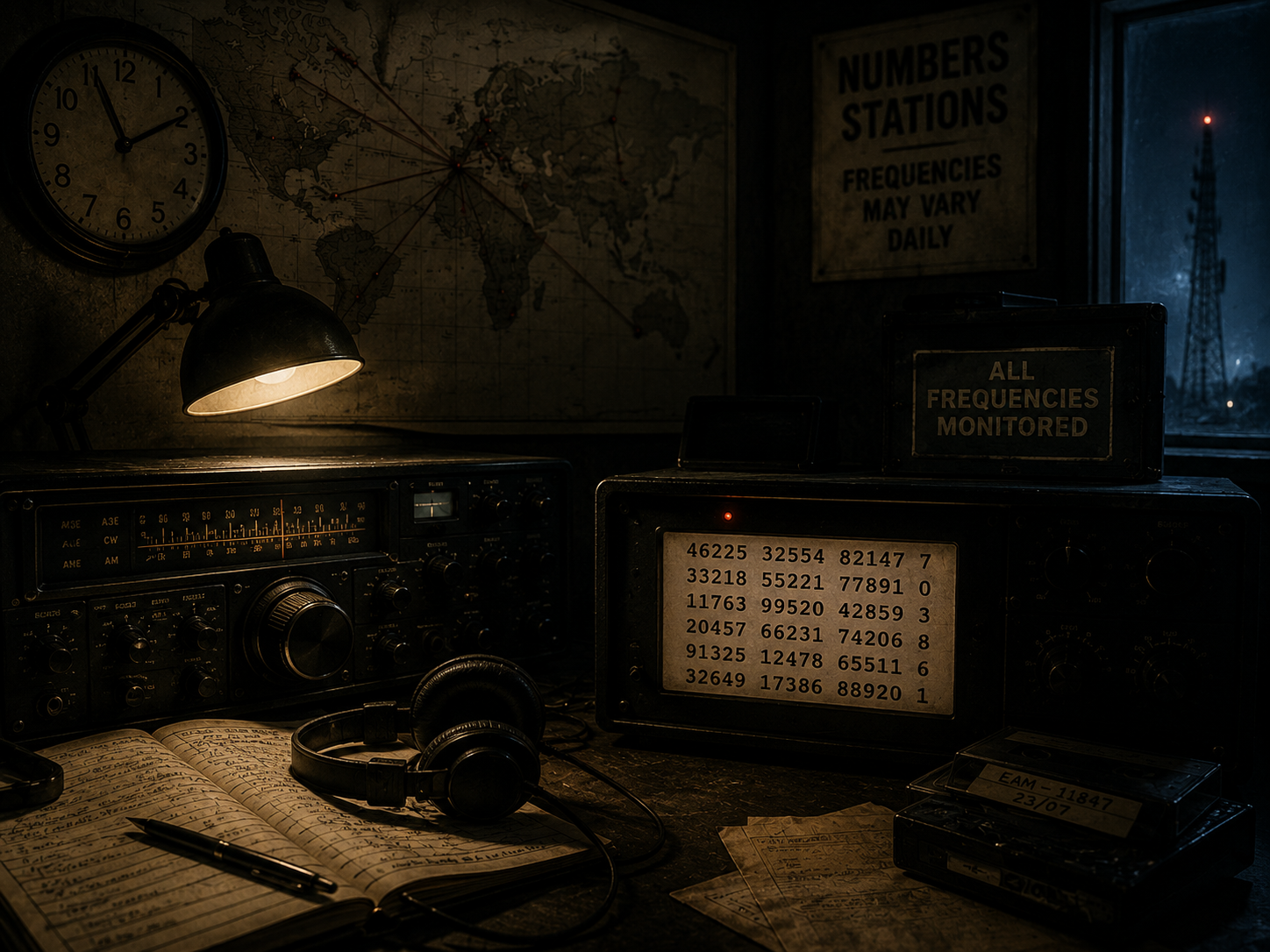
Radio's Haunted Frequencies
"In a dimly lit room, Heidrun Anschlag listened intently to static-laden numbers emanating from her radio. Each sequence whispered secrets that could unravel or uphold nations."
What Happened?
In October 2011, Heidrun Anschlag found herself tangled in a web of espionage that unraveled dramatically when her shortwave radio blared yet another sequence. Startled by approaching authorities, she fell from her chair, dragging the connection cable that tethered her to decades-old secrets. Numbers stations, those eerie sequences of broadcasted digits, had ensnared spies and hobbyists alike for over a century.
During the height of the Cold War, these cryptic broadcasts became a global puzzle. A childlike voice might ominously echo letters in English, or a strange woman's voice might count in German, all punctuated by peculiar melodies or mechanical buzzes. The enigma of numbers stations wasn't just their bizarre content—it's what they concealed.
The transmissions often hid messages for covert agents, encoded so ingeniously that the unplotting enigma would remain intractable to an average listener. As early as World War I, number stations fluttered the airwaves, leaving a cryptographic breadcrumb trail that would intensify during the Cold War. The notorious 'Lincolnshire Poacher' ironically used a traditional folk tune as its chilling prelude, reputedly linked to MI6, while 'The Buzzer' incessantly gnawed at the nerves of anyone who tuned in with its relentless drone.
Even as espionage has digitized, numbers stations persist like restless phantoms clinging to antiquity. In 2016, North Korea reinitiated their coded broadcasts after a long silence, hurling math puzzles disguised as academia out into the ether, a sly wink at the spycraft rooted deep within their history. While the world has moved on to new technologies, the echoes of numbers read into nighttime air remain, eerie relics of secrets best not left unspoken.
Takeaway
The lesson this story keeps teaching
“When old-school espionage collides with modern curiosity, what is mundane becomes haunting, demonstrating the eternal power of secrecy.”
Why People Are Talking About This
Numbers stations capture our imagination because they embody the unresolved tension between transparency and secrecy. As they persist, they reflect on modern narratives of communication innovation amid an era still grappling with trust and knowledge control. Their endurance is a reminder that not every tool crafted for open interaction succeeds in unveiling truth.
Today, as we reflect on the tension between information abundance and mystery, numbers stations highlight human fascination with the enigmatic. They serve as both relic and reminder — the quest for truth is as susceptible to obfuscation as it is to revelation.
Thread Map
7 entities · 6 connections · Hover to explore, click to inspect
This is the connection map for this thread. Every node is a person, company, event, or idea. The red lines show how they connect. Hover a node to highlight its connections. Click a node to see why it matters to this story.
How We Got Here
The First Numbers Station Emerges
The mysterious numbers stations were first documented during World War I by an Austrian magazine, offering a glimpse into early methods of secret communication.
The Irwin Van Haarlem Incident
In London, Irwin Van Haarlem was connected to numbers station activities after British intelligence detected radio signals from his flat, leading to his exposure as a Czech agent.
Ceausescu's Regime Collapses
Romanian dictator Nikolai Ceausescu's fall marked a turning point in Eastern European espionage, correlating with shifts in numbers station activities.
The Arrests of Heidrun and Andreas Anschlag
Heidrun and Andreas Anschlag were apprehended in Germany for spying for Russia, revealing their involvement with numbers stations and modern espionage.
North Korea Revives Numbers Station Broadcasts
After a 16-year break, North Korea resumed its use of numbers stations, signaling a renewed reliance on this old-school espionage technique.
Intensification of North Korean Broadcasts
North Korea conducted sixteen numbers broadcasts, reaffirming the significance of numbers stations in its secret communications.
Numbers Stations Remain Active Worldwide
Despite technological advancements, numbers stations continue to operate globally, intriguing new generations of listeners.
Enduring Mystery of Numbers Stations
Numbers stations remain active, their purpose elusive but their allure enduring, blending the worlds of espionage and folklore.
Wait... Who Is This?
In the shadowed rooms of Cold War history, the glow of radio dials played witness to ingenious espionage. Numbers stations, those encrypted whispers cutting through the static, symbolized the unseen hands steering nations' fates. In fields, homes, and military bunkers, agents tuned into these broadcasts — each recital of numbers a potential lifeline to coded truths. These transmissions became iconic of an era where boundaries blurred and allegiances shifted. Shortwave radios, those unexpected gatekeepers of clandestine narratives, offered as much mystique as they did transitory connections across borders — daring to bridge differences with whispers only understood by a select few.
The simplicity of numbers as code belied their potential for profound impact. A civilization enamored by burgeoning technology suddenly found its digital dawn clouded with echoes of age-old practices. Much like invisible ink, these radio signals danced just beyond the grasp of those who did not know their significance. Contextualized against Cold War tension, these stations sparked an allure impossible to shake off, blending narrative intrigue with espionage's cat-and-mouse thrill.
Receipts
Numbers station - Wikipedia
The spooky world of the 'numbers stations' - BBC News
Creepy Broadcasts: 20 Facts About Numbers Stations - HistorySnob
The Mysterious and Fascinating World of ‘Numbers Stations’
Numbers Stations: The Spy World's Worst Kept Secret? - YouTube
Numbers Stations and Enigma Stations
Numbers Stations - TV Tropes
Same Pattern
Different story. Same lesson.
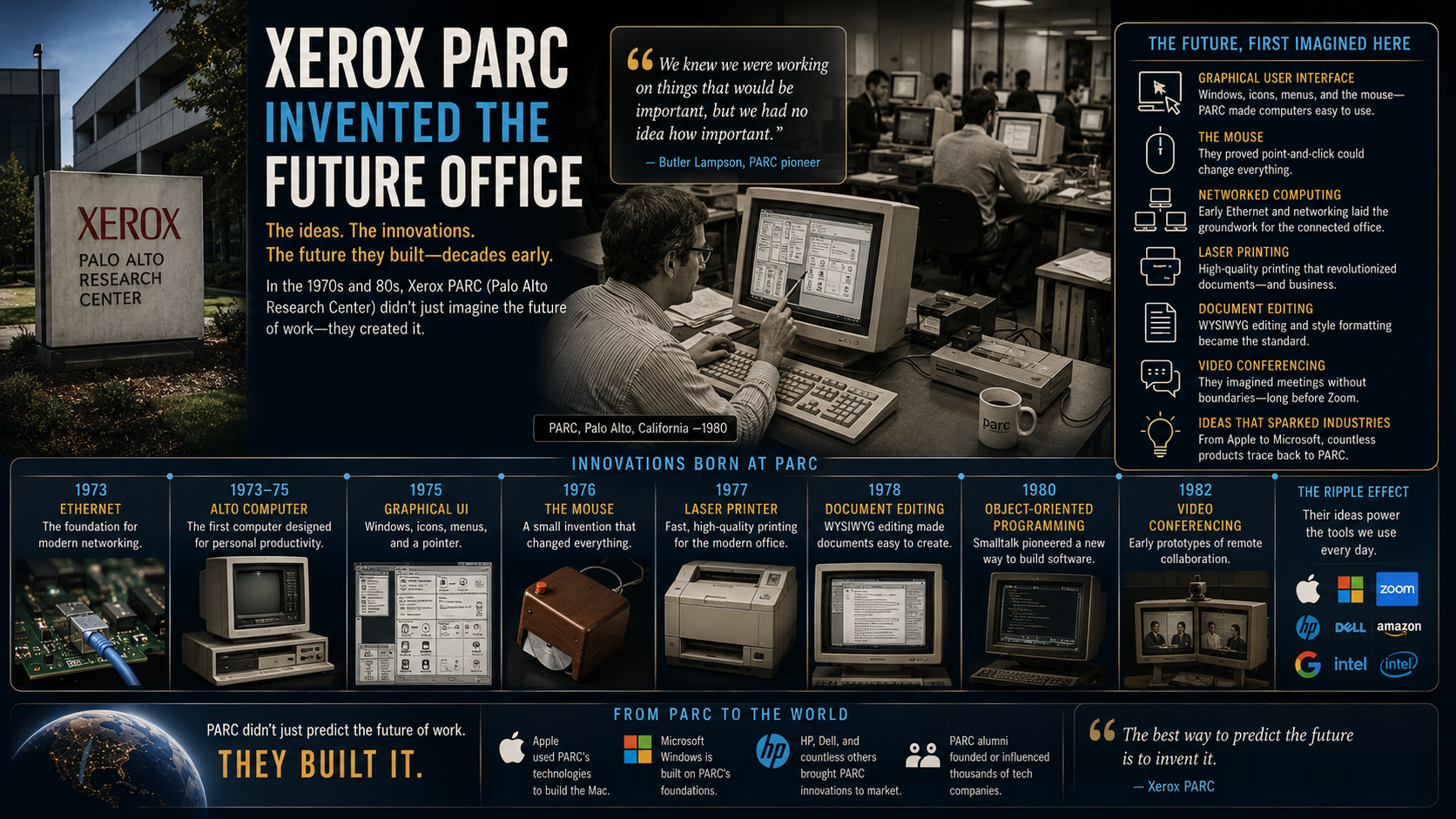
The Lab That Invented Tomorrow
In December 1979, Steve Jobs saw echoes of the future inside Xerox PARC's halls. There, in a secluded lab, lay the blueprint for the modern tech landscape.
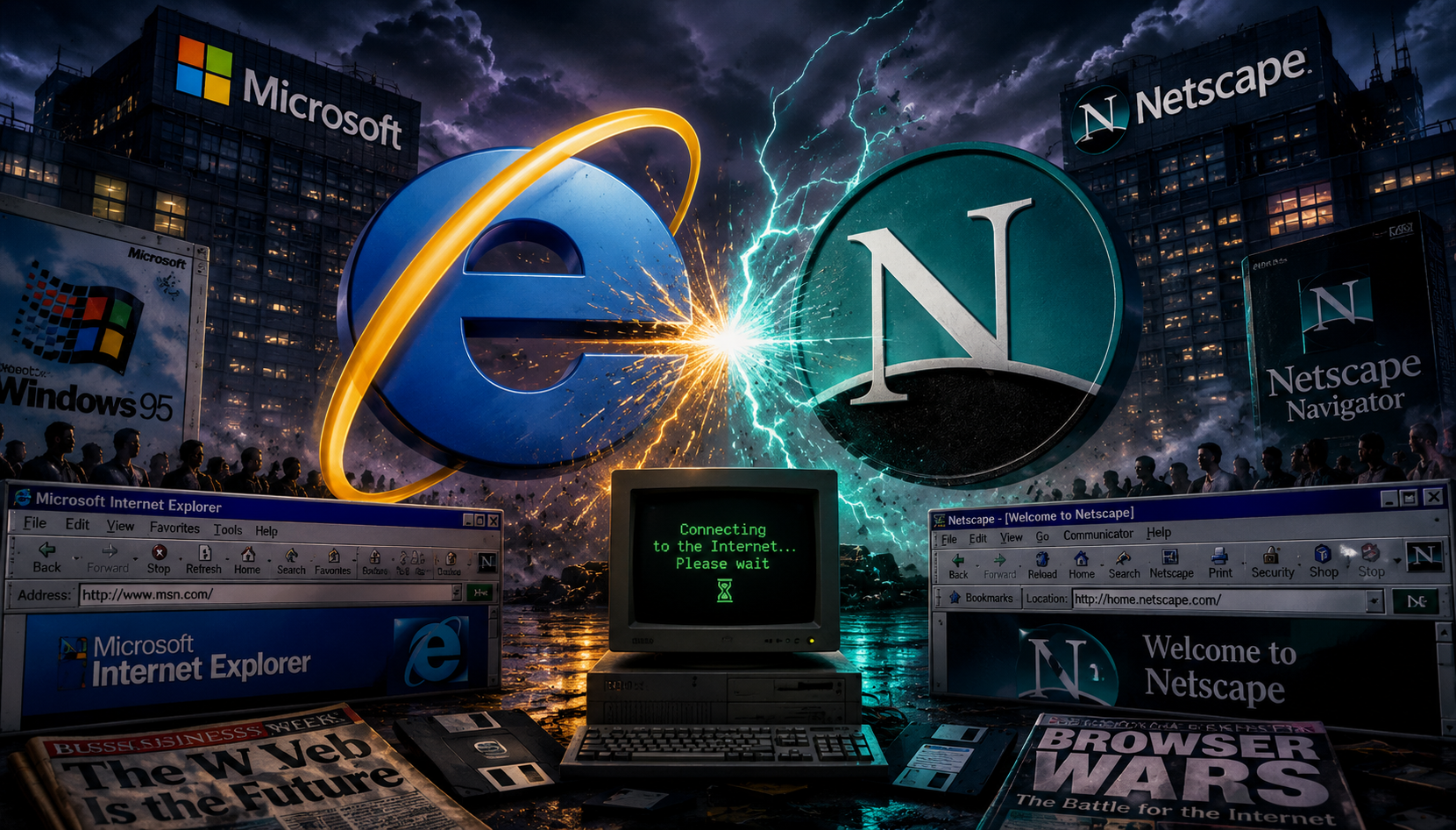
The Browser War That Built the Internet
In the mid-1990s, a software battle erupted that would shape how billions accessed information. Few could predict that the victor would soon face its own downfall.
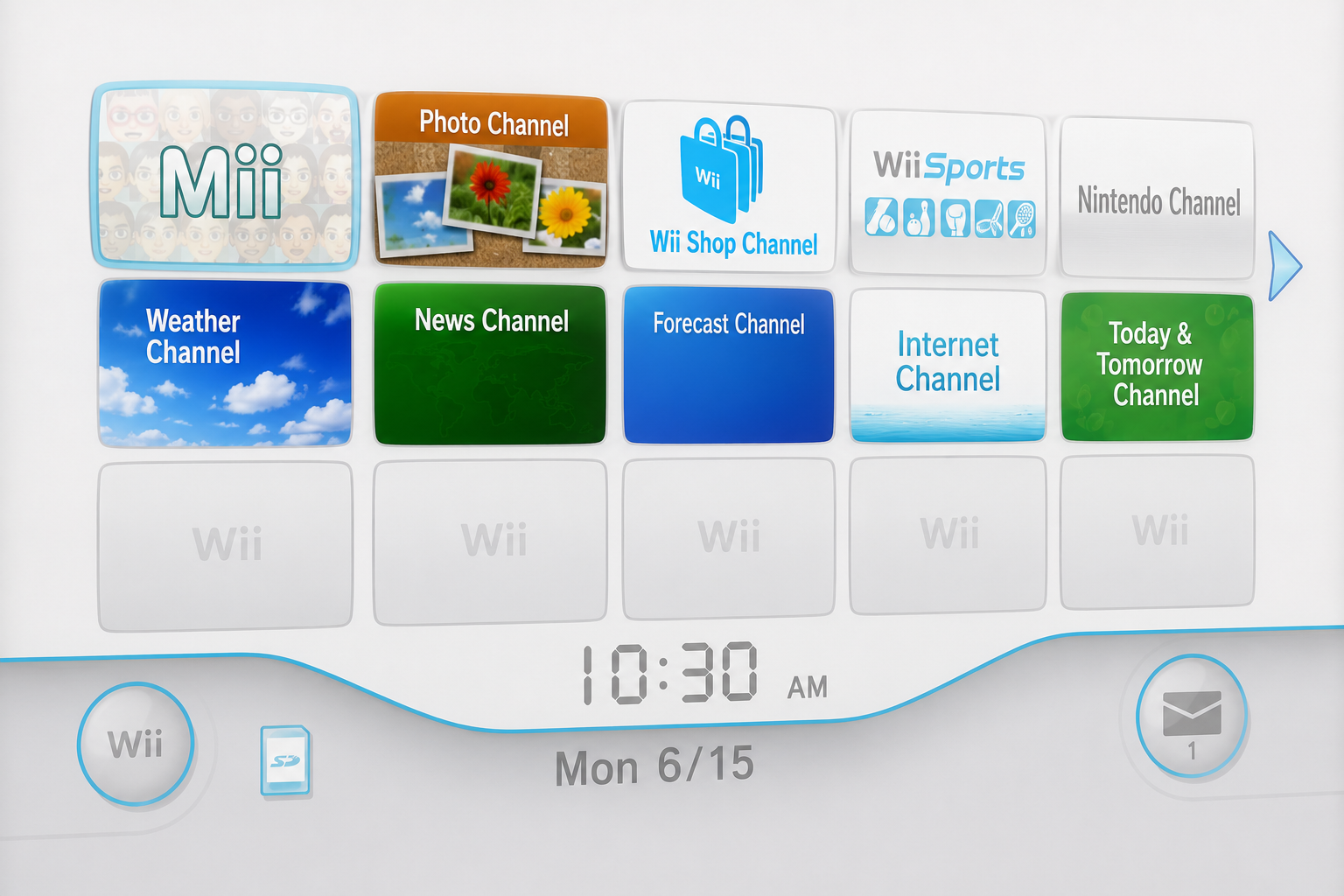
The Wii Gamble That Saved Nintendo
In a world obsessed with graphics and power, Nintendo bet on simplicity. The Wii was laughed at — until it wasn't.
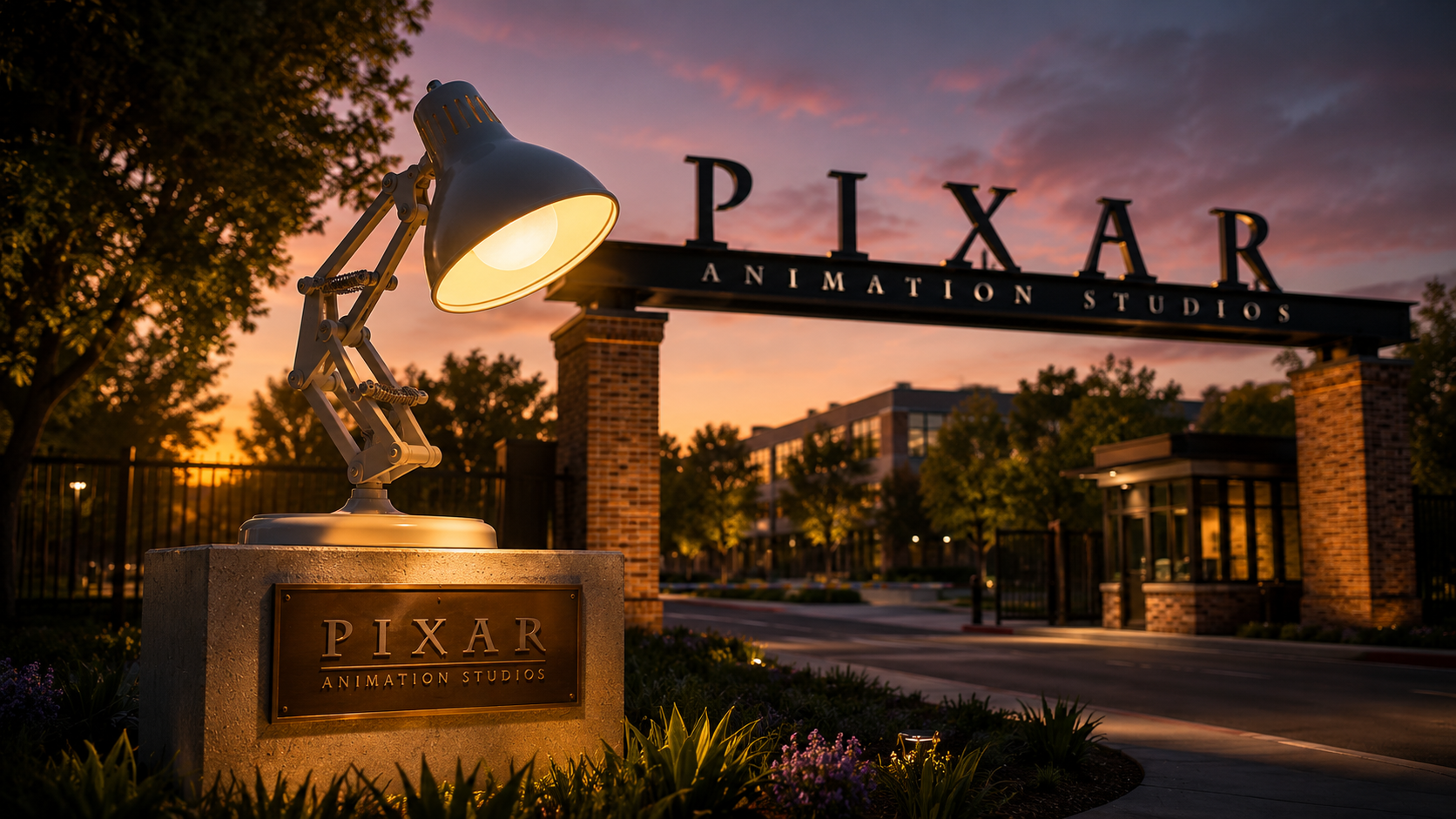
Pixar's Radical Feedback Loop
In a stark, unadorned room, some of the most powerful voices in animation face off with ruthless honesty. Their weapons? Brutal feedback that molds raw ideas into cinematic gold.

The Chicken That Changed Retail
Costco's $4.99 rotisserie chicken isn't just a meal — it's a strategic masterpiece. The unexpected ripple effects changed retail forever.
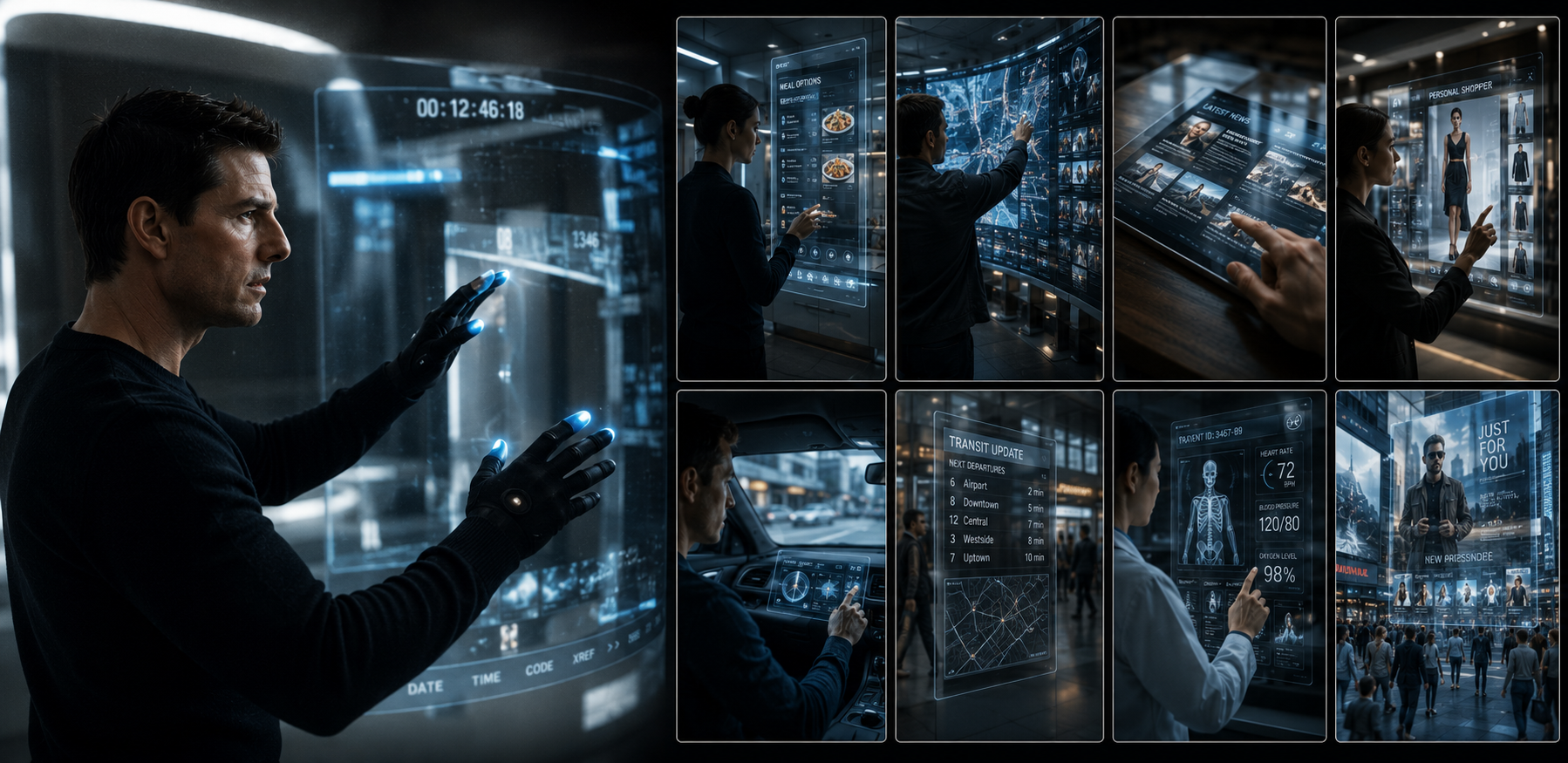
Minority Report's Prescient Touchscreen Reality
In 2002, Hollywood imagined a future of seamless touchscreen interfaces. Today, Steven Spielberg's vision feels eerily prescient as technology catches up.
Continue the Rabbit Hole
Each story explores the same idea from a different angle. Follow the connections and discover where the thread leads.


Fictional placeholder content