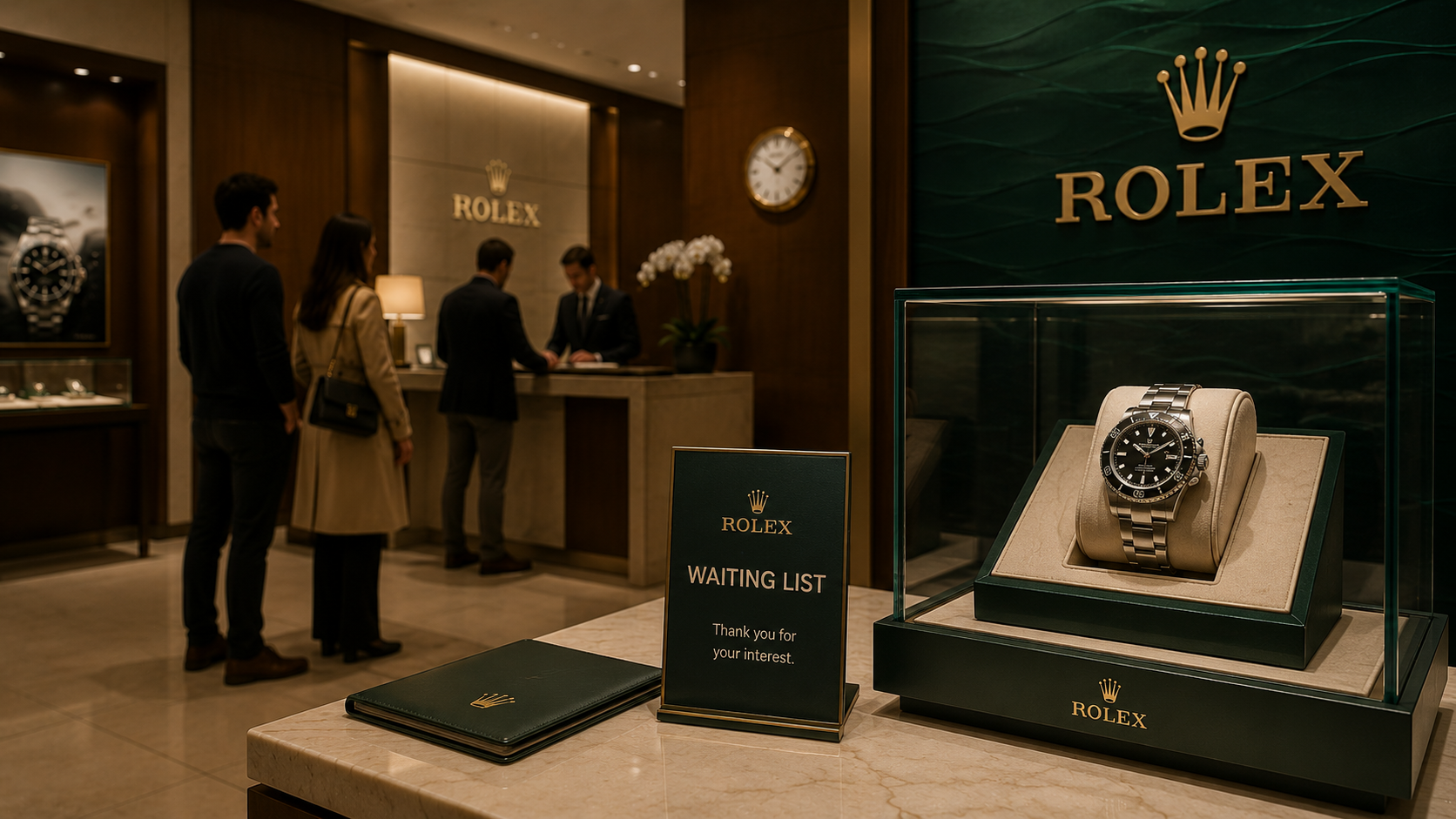
The Rolex Waiting List Disruption
"Rolex's infamous waiting list transforms luxury watches into an obsession. Why did this strategy make these timepieces feel more elusive than ever?"
What Happened?
A man patiently waits in a dimly lit Rolex boutique, clutching his wishlist like a lottery ticket in an exclusive game of chance. This is no ordinary list—it's Rolex's secret strategy, a waiting list that's more treasure map than queue. It's astonishingly simple but deeply powerful. At the heart of it, two things: perceived scarcity and the allure of exclusivity.
Walk into any authorized dealer, and asking for a Daytona or GMT-Master II is met not with availability but a mythic list. Not just first come, first served—a complex dance of relationships, each handshake and smile potentially a step closer to your watch.
James, a college professor, wanted a Submariner not for speculating but marking his son's birth. But the chronology of intention matters less than rapport with the gatekeepers at the Rolex store. Repeat visits, friendliness, each a brushstroke in the portrait of a worthy buyer.
The list in its essence is a labyrinth of rumor and whispered verdicts—a place where buying history counts more than a first name. One family in Geneva bought dozens of entry-level models just to rise in rank for the elusive Day-Date 40.
In 2025, some models, like the Explorer I, saw wait times shrink to days. Others remained a years-long odyssey. Each decision from Rolex calculated, crafting a narrative that makes each tick on a new Submariner sound like destiny orchestrated across waitlists and whispered promises.
It's easy to see it as a sales ploy, but it’s a lesson in patience, perseverance, and playing the long game. Because in this world, the story of wanting is sometimes the story worth having.
Takeaway
The lesson this story keeps teaching
“Scarcity creates a perception of exclusivity that can distort consumer demand, turning marketing strategies into cultural phenomena.”
Why People Are Talking About This
The Rolex waiting list epitomizes the intersection of marketing and consumer psychology. It illustrates how human perception drives valuation, with scarcity not just enhancing but defining worth. Rolex shows us that in luxury, perception and reality often blur, revealing how branding can manipulate desire and elevate demand to mythic levels.
Thread Map
5 entities · 4 connections · Hover to explore, click to inspect
This is the connection map for this thread. Every node is a person, company, event, or idea. The red lines show how they connect. Hover a node to highlight its connections. Click a node to see why it matters to this story.
How We Got Here
Rolex Begins Its Story
Founded in 1905, Rolex went on to become synonymous with luxury watches. The brand established its status as a king in the world of luxury goods.
The Daytona Makes Waves
Designed for professional racers, the Rolex Daytona model emerged as one of the most sought-after watches worldwide due to its exclusivity and sophistication.
Waitlist Becomes a Cultural Talking Point
Discussions about the Rolex waiting list heat up, propelling it into a cultural phenomenon. Online forums and media discourse make waiting lists a central topic.
Signals of Waitlist Reduction
By this year, reports emerged indicating a reduction in waitlists for models like the Explorer I and Air-King, raising debates about the implications on exclusivity.
Guides to Rolex Strategy Spark Interest
As Rolex waitlist strategies evolve into 2026, enthusiasts turn to guides and blogs for insights on navigating the complex pathways to Rolex ownership.
Wait... Who Is This?
Rolex is renowned not just for crafting timepieces but for integrating narratives of luxury. Since 1905, it has set the standard in exclusive watchmaking. The waiting list, however, emerged as a twist in the luxury narrative. It was not just about acquiring a watch; it became about becoming part of a rarefied circle of privilege and patience. Over decades, this strategy took root in pop culture, fueled by the whispers of list lengths, rumors of shortcuts, and the allure of the next new model invariably just around the corner. As brands like Hermes have with the Birkin bag, Rolex transformed scarcity into a social symbol, bolstered by limited availability, fostering a race among consumers for what seemed perilously elusive. But what keeps this tale so compelling is not its luxury price tags but the profound human inclination towards what seems just beyond reach.
Receipts
Ultimate Guide to the Rolex Waiting List – ECI Jewelers
Unlocking the Vault: Mastering the Rolex Waiting List – Tiger River Watches
Rolex Waiting Lists: How long do you have to wait for a Rolex?
Rolex Waitlist Explained: Wait Times, Strategy, & What to Expect
Same Pattern
Different story. Same lesson.
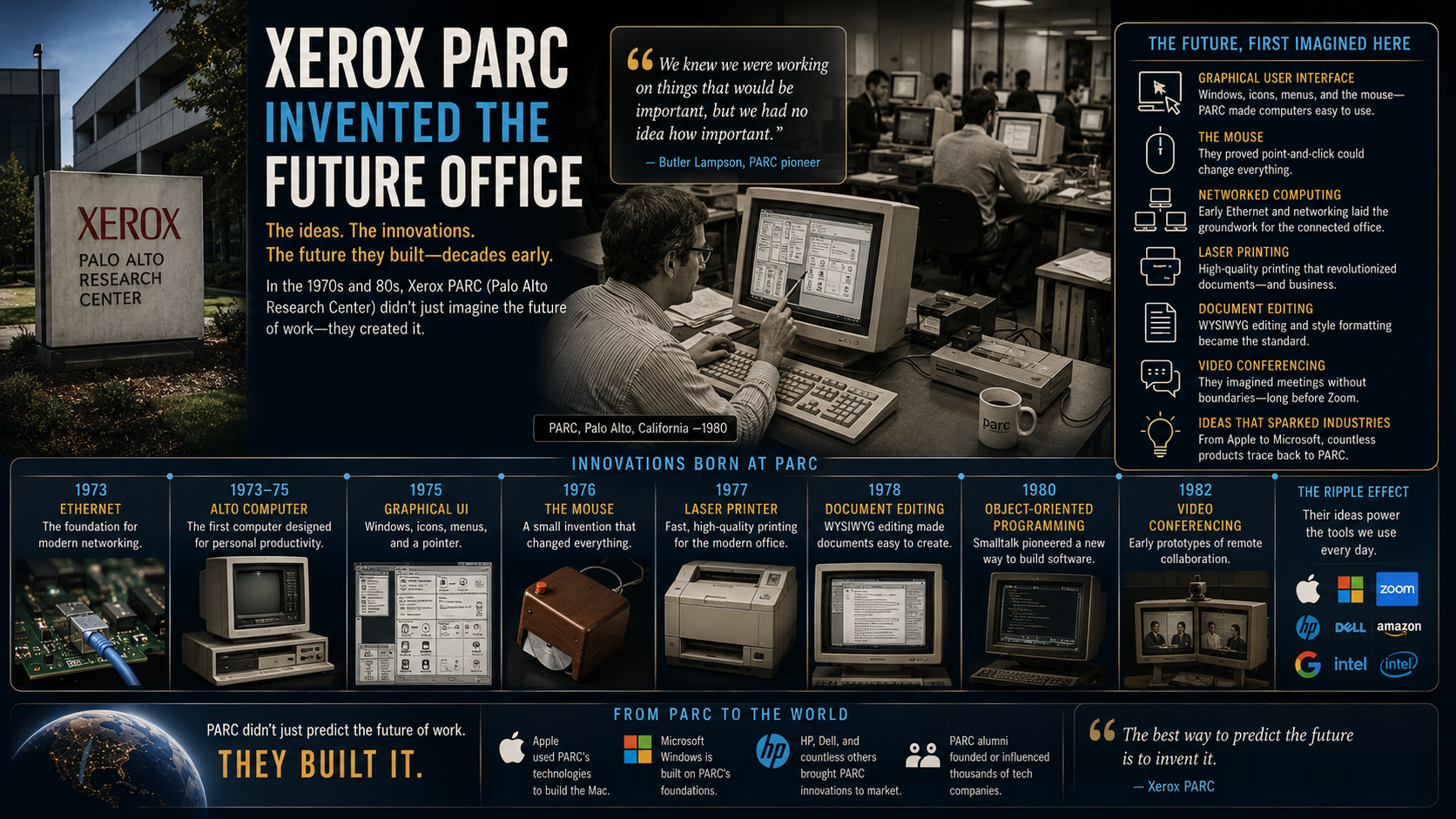
The Lab That Invented Tomorrow
In December 1979, Steve Jobs saw echoes of the future inside Xerox PARC's halls. There, in a secluded lab, lay the blueprint for the modern tech landscape.
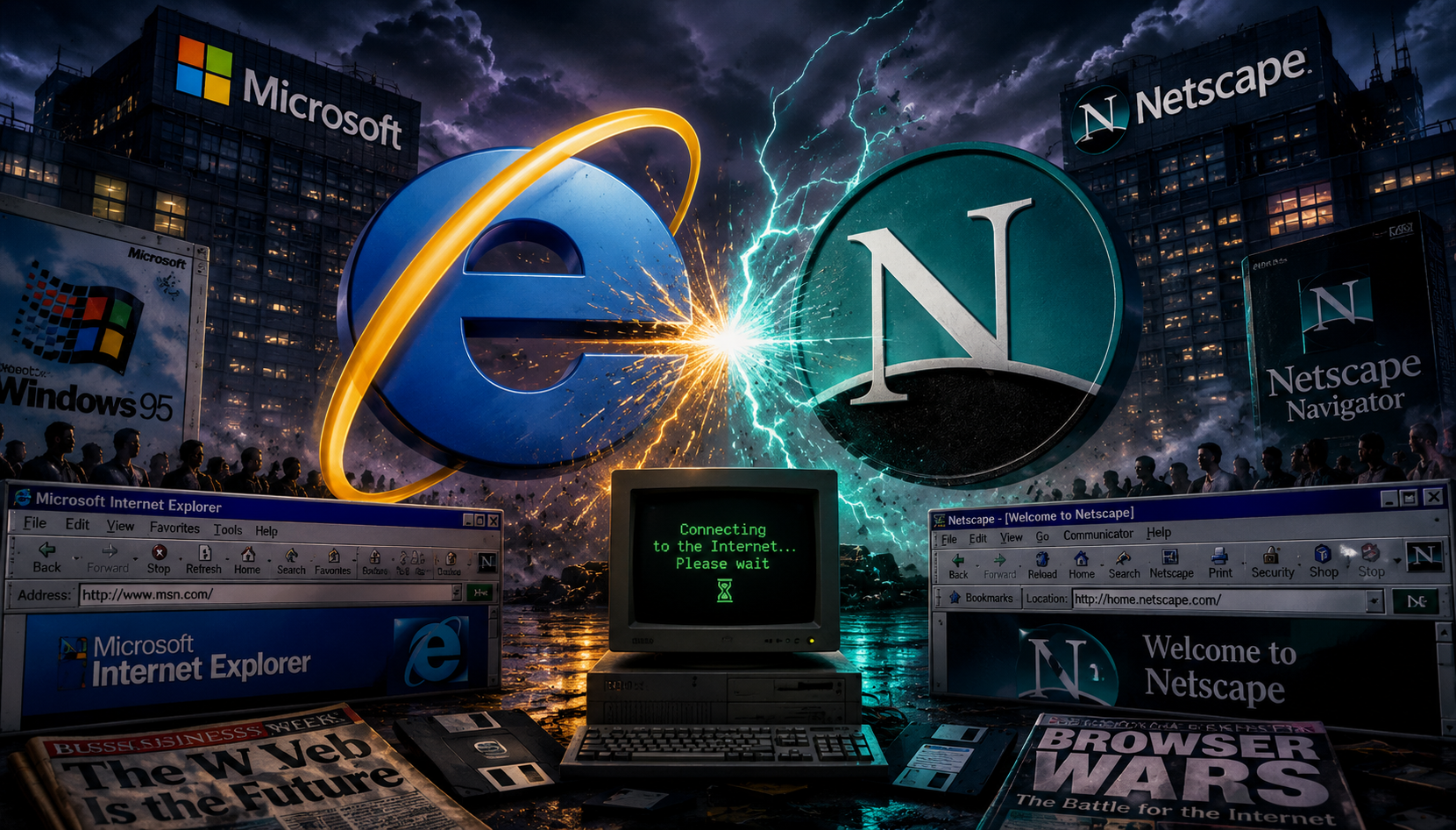
The Browser War That Built the Internet
In the mid-1990s, a software battle erupted that would shape how billions accessed information. Few could predict that the victor would soon face its own downfall.
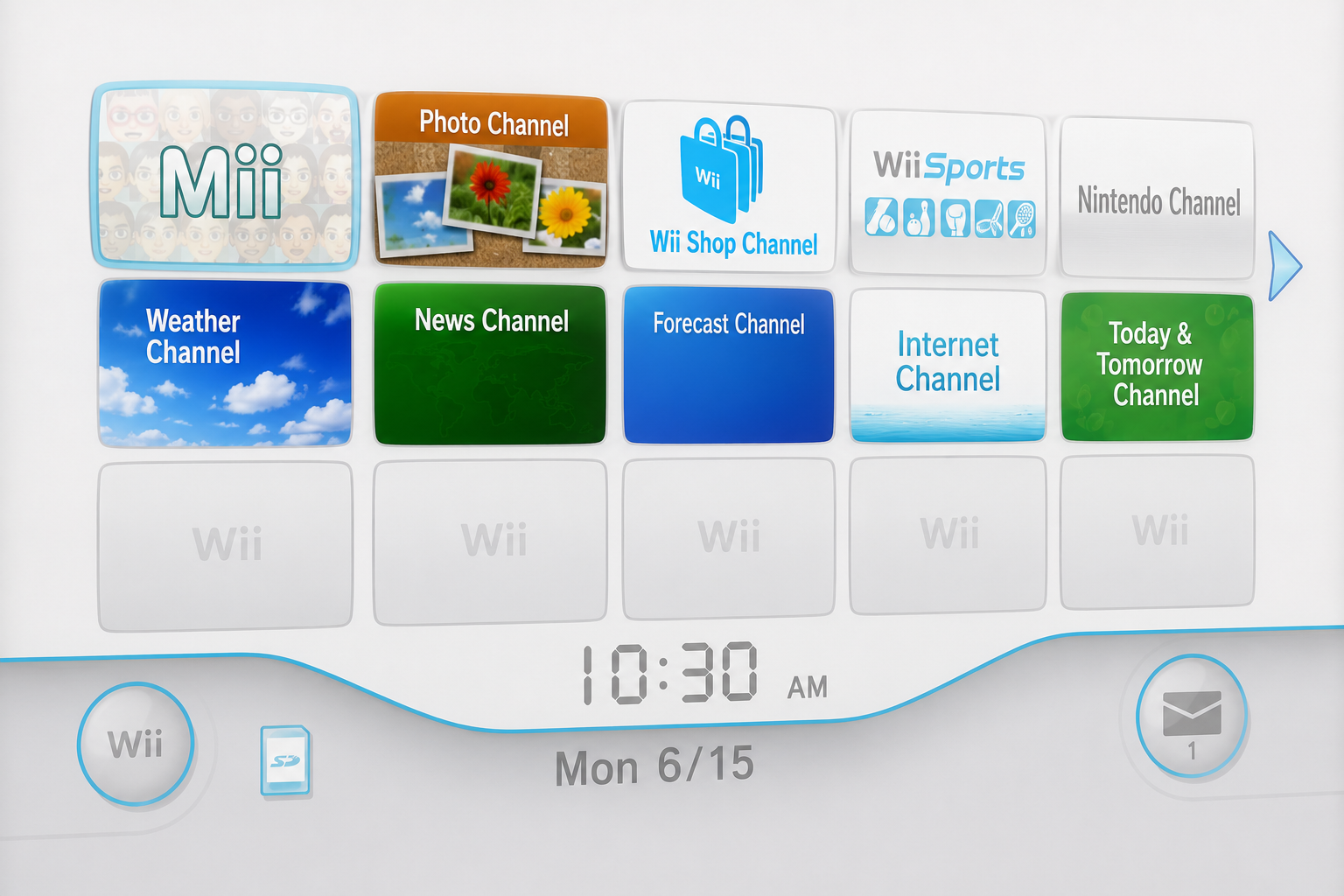
The Wii Gamble That Saved Nintendo
In a world obsessed with graphics and power, Nintendo bet on simplicity. The Wii was laughed at — until it wasn't.
Pixar's Radical Feedback Loop
In a stark, unadorned room, some of the most powerful voices in animation face off with ruthless honesty. Their weapons? Brutal feedback that molds raw ideas into cinematic gold.
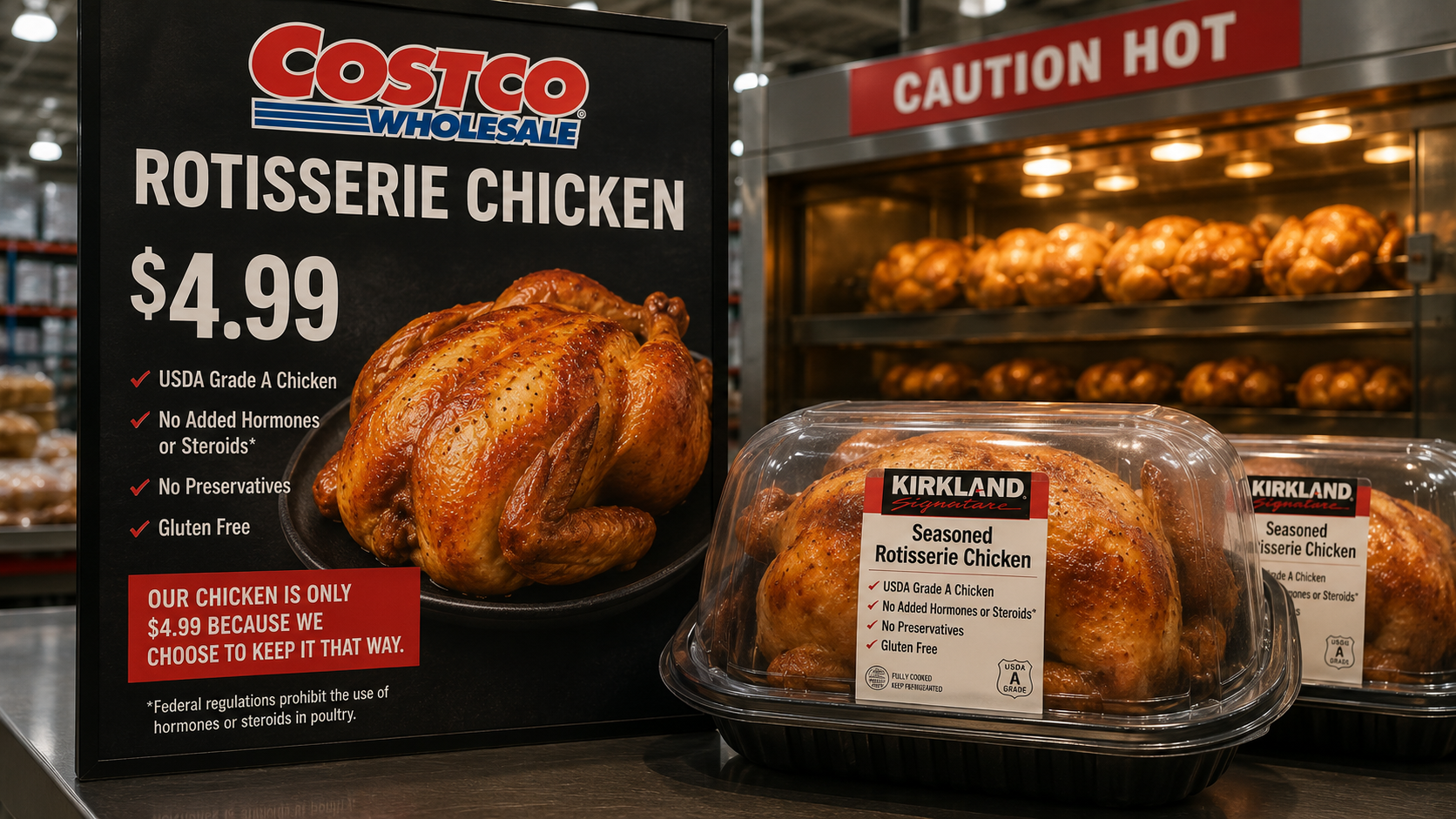
The Chicken That Changed Retail
Costco's $4.99 rotisserie chicken isn't just a meal — it's a strategic masterpiece. The unexpected ripple effects changed retail forever.

Minority Report's Prescient Touchscreen Reality
In 2002, Hollywood imagined a future of seamless touchscreen interfaces. Today, Steven Spielberg's vision feels eerily prescient as technology catches up.
Continue the Rabbit Hole
Each story explores the same idea from a different angle. Follow the connections and discover where the thread leads.
Fictional placeholder content