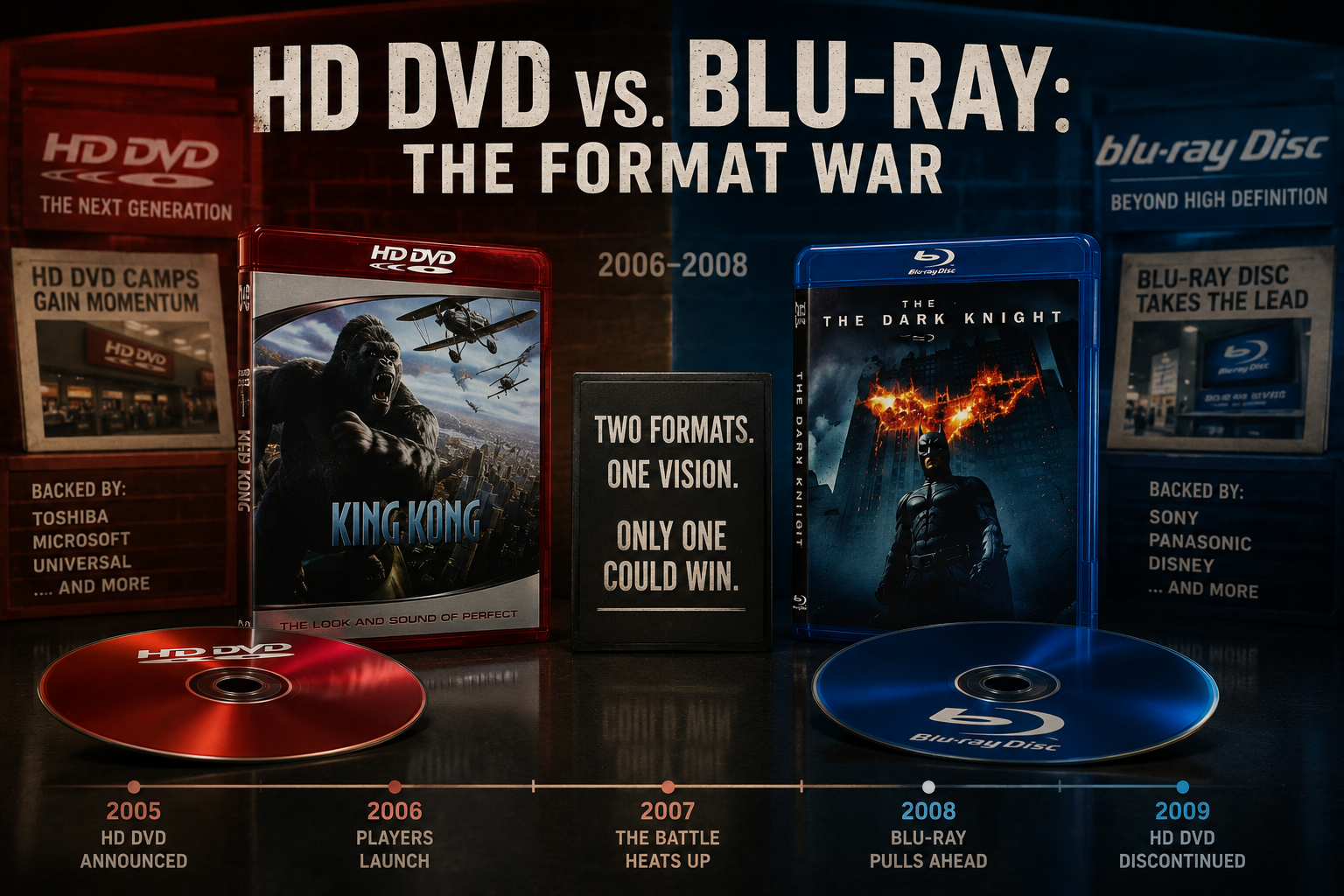
The Battle That Defined Home Entertainment
"Picture this: a meeting where two formats vie for supremacy, but only one is destined to redefine home entertainment. What sparked this battle of formats and who came out on top?"
What Happened?
In February 2008, Toshiba made a decision that would go down in tech history. After years of intense marketing battles, they announced the discontinuation of their HD DVD technology. It was a move that seemed unthinkable just two years before when HD DVD had enjoyed a lead in market adoption, buoyed by lower production costs and strategic partnerships. But Sony had something else — a killer combination of deeper support from movie studios and a technological edge. Their Blu-ray discs not only stored more data, reaching up to 50GB compared to HD DVD's 30GB, but they also held the promise of longevity that studios couldn't ignore.
Sony's strategic maneuvering began years earlier. In October 2000, they unveiled the first Blu-ray prototypes, marking an ambition to reclaim their stake in the standard-setting arena, an ambition fueled by past defeats like Betamax. By 2002, lines were drawn. Toshiba and NEC backed HD DVD, claiming easier integration into existing hardware. Sony doubled down, thrusting Masanobu Yamamoto, a veteran known for his work on the Compact Disc, to the forefront.
The crucible of the conflict was not just in the hands of engineers and executives but in living rooms around the globe. Consumers were caught between sparring tech giants, each vying for dominance in high-definition video storage. For every household debating which player to purchase, Sony was busy convincing major studios. When Warner Bros. swung its weight behind Blu-ray in 2008, the tide turned decisively.
The Blu-ray victory came at a time when digital streaming was still in embryonic stages, making the win both critical and temporary. Sony’s achievement was monumental but foreshadowed an era where discs would soon surrender to internet speeds and cloud storage. A shining triumph blinked into existence before the inevitable march toward obsolescence began, leaving an indelible mark on how we perceive media consumption battles. The HD DVD vs. Blu-ray war becomes more than a footnote in history; it is a testament that sometimes, even in loss, lies the foundation for future innovations.
Takeaway
The lesson this story keeps teaching
“In the format war, perception can overshadow technology, dictating the direction of an entire industry.”
Why People Are Talking About This
The Blu-ray vs. HD DVD war is a clear testament to the complex interplay of perception, technology, and consumer behavior. It altered the framework for media consumption and the understanding of market influences—showcasing that it is not always the superior product that wins. As technology relentlessly marches forward, these tales remind us that contentment and not just capability, steers consumer choices.
Thread Map
10 entities · 9 connections · Hover to explore, click to inspect
This is the connection map for this thread. Every node is a person, company, event, or idea. The red lines show how they connect. Hover a node to highlight its connections. Click a node to see why it matters to this story.
How We Got Here
Sony Unveils Blu-ray Prototypes
Sony presented its first Blu-ray Disc prototypes, initiating its journey into high-definition media technology.
War Lines Drawn: Blu-ray vs. HD DVD Announcements
Sony announced the Blu-ray format, while Toshiba championed HD DVD, setting the stage for a format showdown.
First Blu-ray Player Hits Japan
Sony launched its first Blu-ray player in Japan, marking the commercial debut of the format.
Commercial Release: Formats Go Head-to-Head
Both Blu-ray and HD DVD were released globally, igniting the format war with the public.
Warner Bros. Switches Allegiances
Warner Bros. decided to exclusively support Blu-ray, causing a critical shift in industry support.
Retail Giants Ditch HD DVD
Major retailers began pulling HD DVD products from shelves, signalling waning confidence in the format.
Toshiba Discontinues HD DVD
Toshiba officially announced the discontinuation of HD DVD, conceding defeat to Sony's Blu-ray format.
The Rise of Digital Streaming
As Blu-ray settled in, digital streaming platforms like Netflix began to dominate, changing the media landscape.
Wait... Who Is This?
In the late 90s and early 2000s, DVDs were the darling of home entertainment, replacing VHS tapes in living rooms worldwide. Consumers reveled in the improved quality and navigability. However, as televisions moved towards high definition, the industry faced a familiar crossroads: how to deliver this picture and sound to eager audiences at home. Enter two proposed successors—Sony's brainchild Blu-ray and Toshiba's contender HD DVD. Each format promised to be the next big thing in home media, and the battle to win the favor of tech-savvy consumers was fierce. With hefty investments from media giants and tech-logistics of epic proportions on the line, resolving which format would reign supreme wasn't just about technological capabilities—pivotal to victory were corporate strategizing, brand alliances, and a dash of public sentiment.
Receipts
High-definition optical disc format war - Wikipedia
Sony's Blu-ray Wins DVD 'Format War' over Rival Toshiba | PBS News
Blu-ray vs HD DVD: Standard Format War - The ANSI Blog
Blu-ray Explained: How It Works, Why It Beat HD DVD, and Why It Was the Last Physical Media Standard
The War for High Definition: Blu-ray vs HD DVD
The Format War: Blu-Ray vs. HD-DVD - Treble
Same Pattern
Different story. Same lesson.
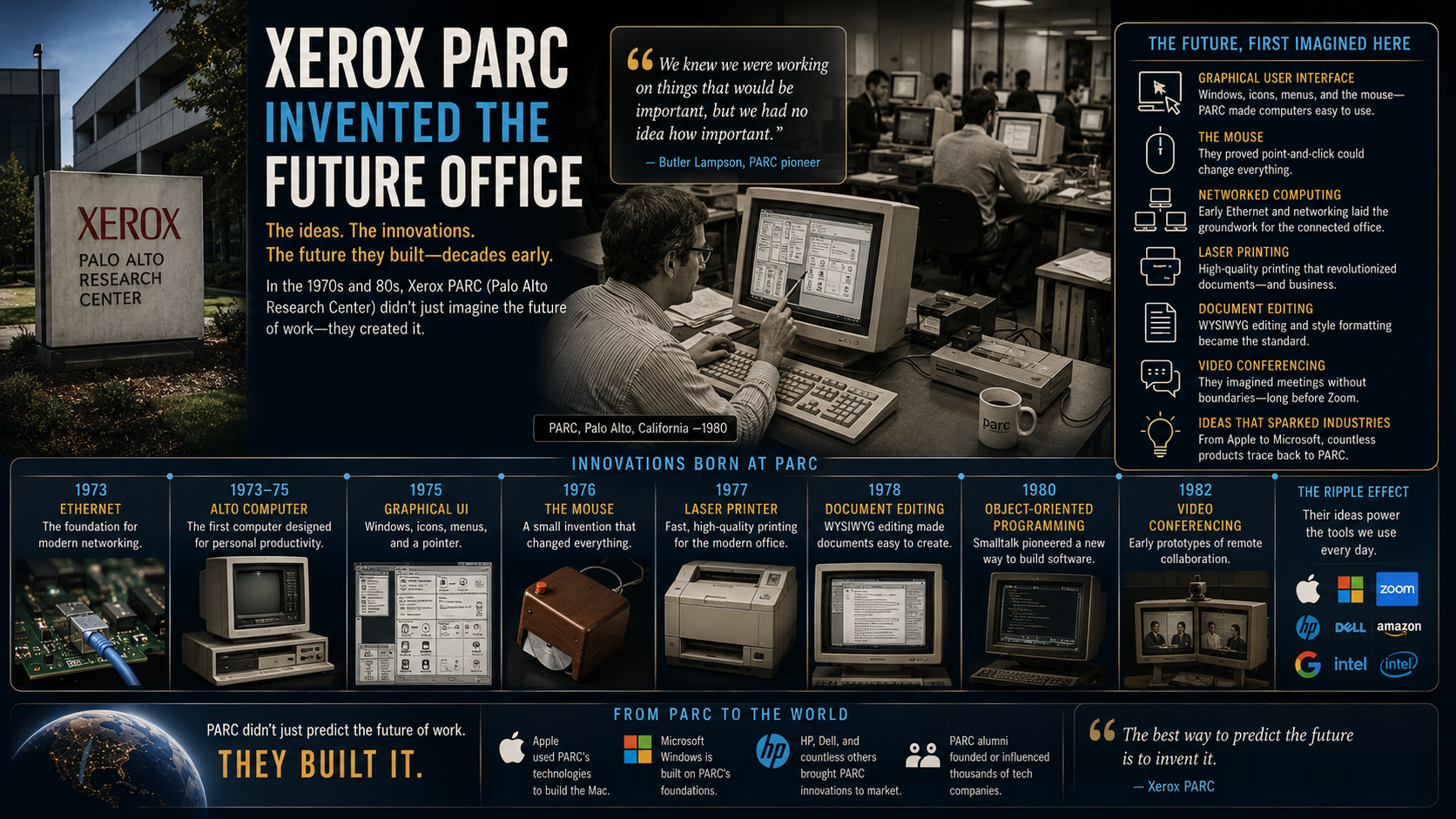
The Lab That Invented Tomorrow
In December 1979, Steve Jobs saw echoes of the future inside Xerox PARC's halls. There, in a secluded lab, lay the blueprint for the modern tech landscape.
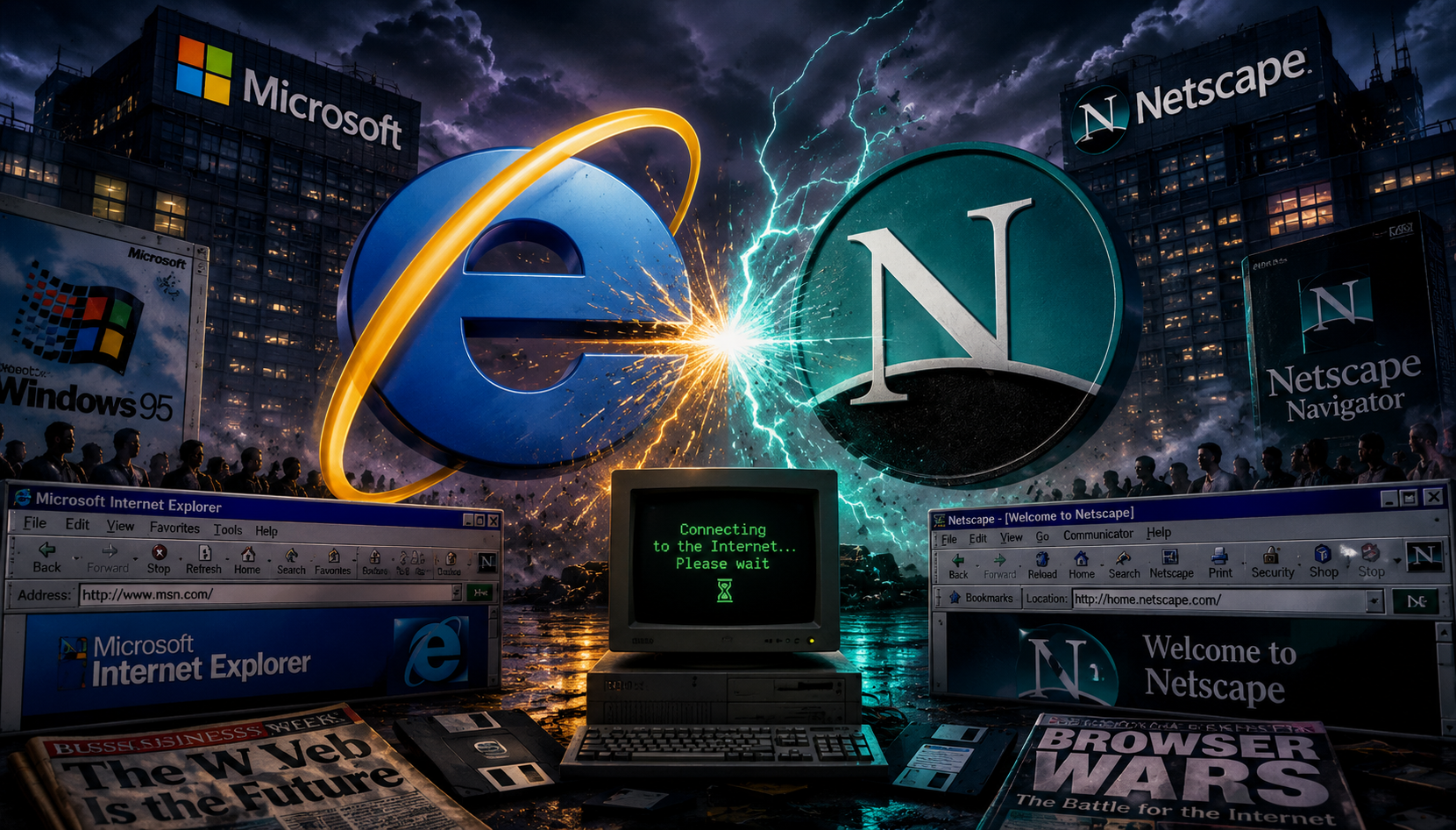
The Browser War That Built the Internet
In the mid-1990s, a software battle erupted that would shape how billions accessed information. Few could predict that the victor would soon face its own downfall.

The Chicken That Changed Retail
Costco's $4.99 rotisserie chicken isn't just a meal — it's a strategic masterpiece. The unexpected ripple effects changed retail forever.
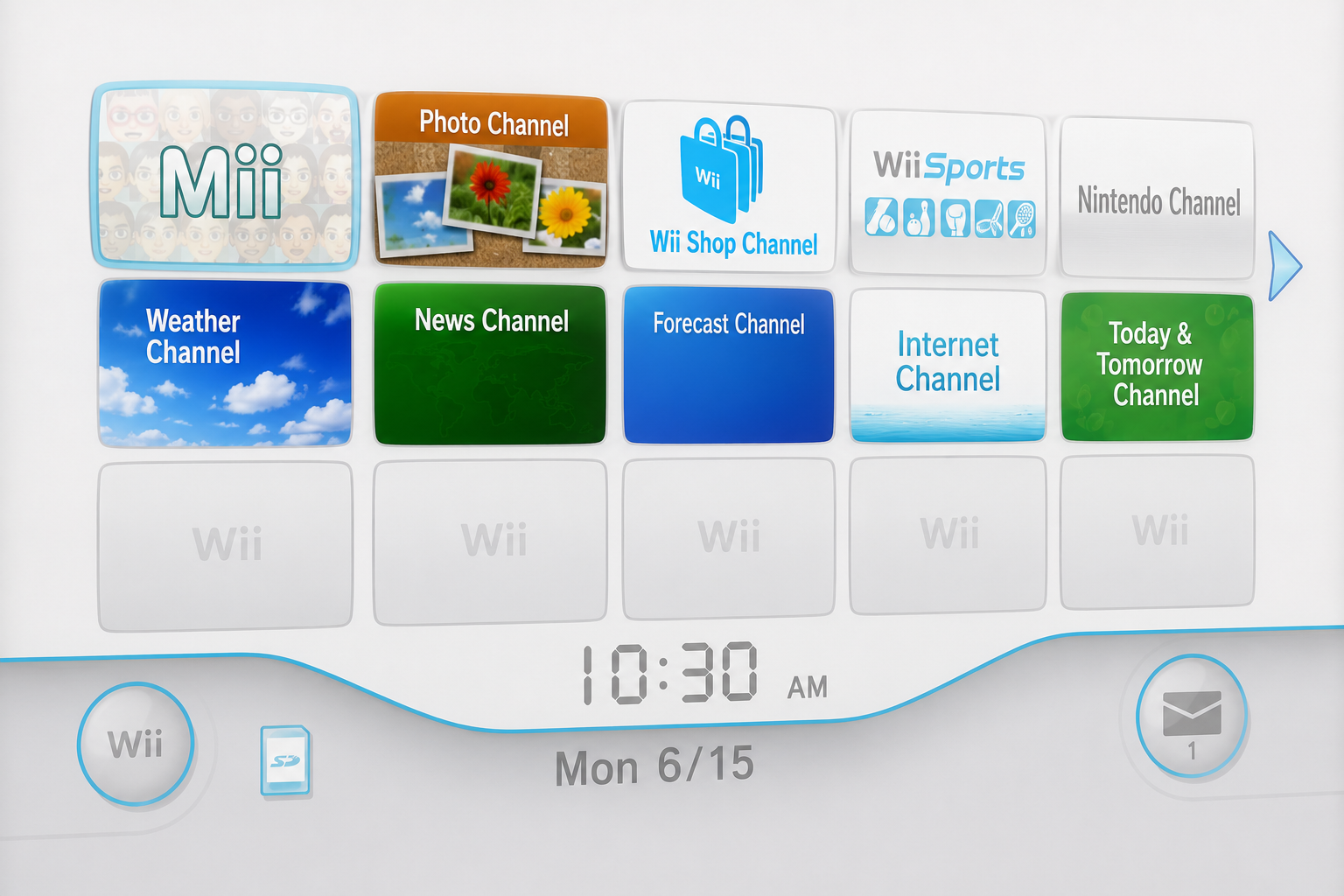
The Wii Gamble That Saved Nintendo
In a world obsessed with graphics and power, Nintendo bet on simplicity. The Wii was laughed at — until it wasn't.

Pixar's Radical Feedback Loop
In a stark, unadorned room, some of the most powerful voices in animation face off with ruthless honesty. Their weapons? Brutal feedback that molds raw ideas into cinematic gold.
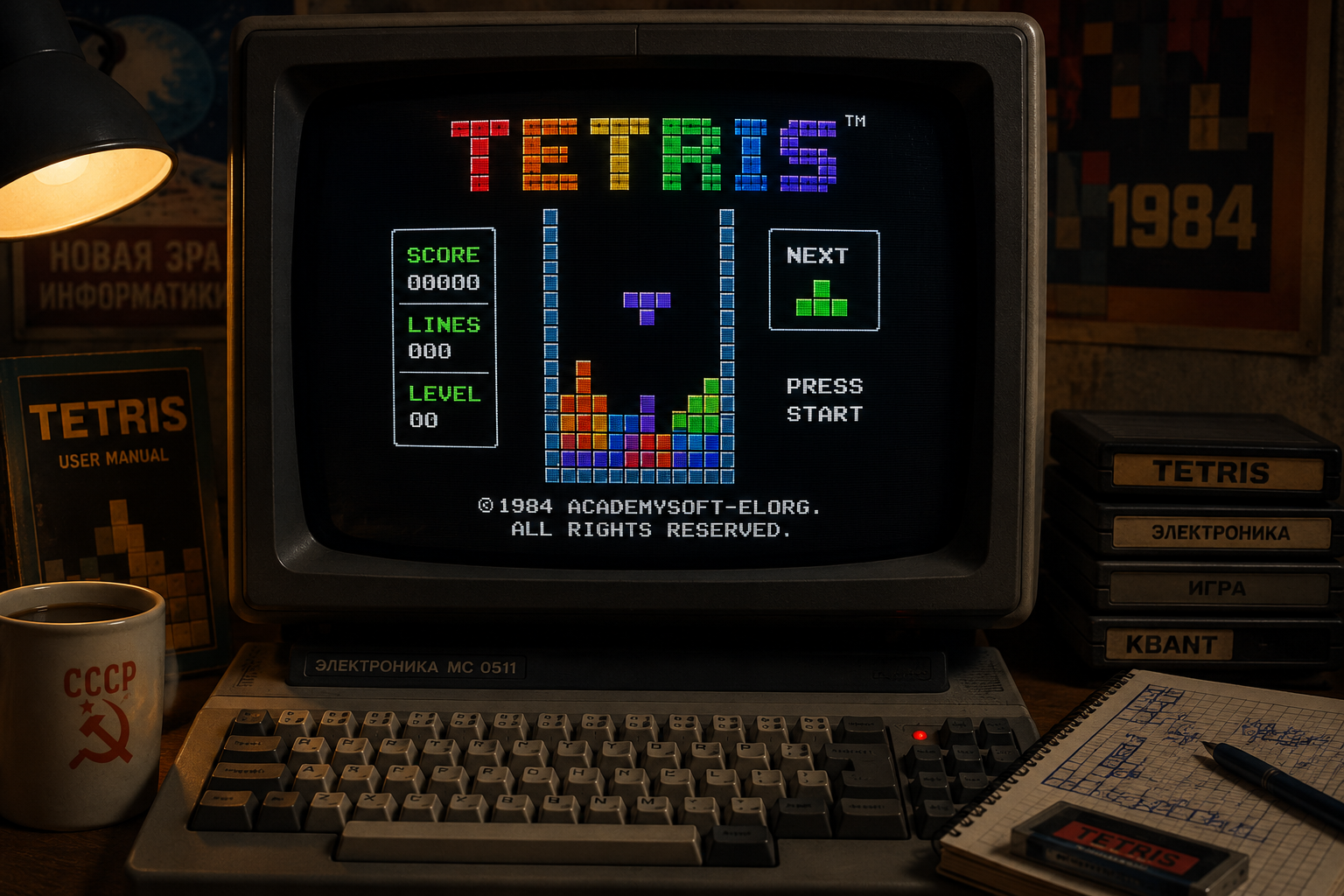
The Puzzle that Conquered the World
A Soviet engineer at his desk, unknowingly poised to create a legend. His creation? Tetris — a game that would break barriers and forever alter the gaming landscape.
Continue the Rabbit Hole
Each story explores the same idea from a different angle. Follow the connections and discover where the thread leads.


Fictional placeholder content