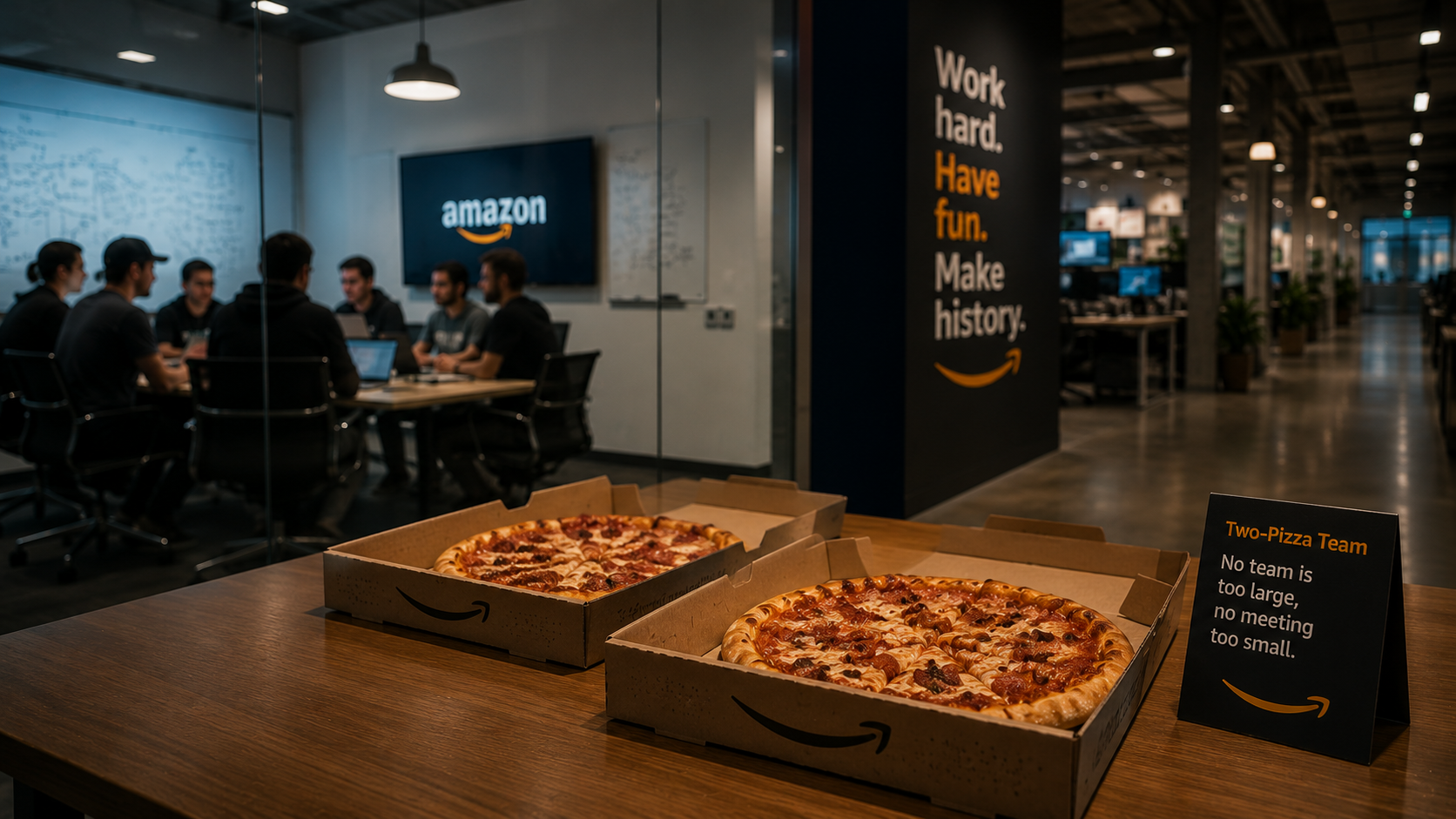
The Two-Pizza Rule That Redefined Teams
"Imagine a rule so simple, yet so profound, that it reshaped one of the world's largest companies overnight. A rule about pizza."
What Happened?
Jeff Bezos wasn't concerned about the catering bill when he devised Amazon's 'two-pizza team' rule. In the bustling early days of Amazon, he knew the real challenge was something far more elusive—maintaining speed and agility as the company ballooned. The rule was simple and deceptive in its elegance: no team should be larger than what could be fed by two pizzas. This, however, wasn’t about pizzas; it was about preserving the dynamism of small, autonomous teams that are nimble enough to think and react quickly.
Bezos realized that smaller teams meant fewer layers, less bureaucracy, and ultimately, better innovation. With a maximum size of 5–8 people, these teams could communicate more effectively, make swift decisions, and foster an environment akin to a startup within the vast machine that Amazon was becoming. "If a team can’t be fed with two pizzas, it’s too large," Bezos proclaimed, emphasizing the ideal balance of independence and accountability.
This principle of keeping teams just the right size helped Amazon evolve into one of the world’s most formidable tech giants. It was a radical approach in an era of relentless expansion and massive corporate groups. Yet, it yielded incredible results. For example, in 2013, Bezos detailed to shareholders how this fundamental rule minimized team size and maximized innovative output, paving the way for groundbreaking products and services across Amazon.
But as expansive and prescient as the two-pizza concept was, its simplicity has seen challenges. The rise of AI and more profound digital transformations have prompted discussions on its relevance today, as corporate structures continue to morph. The rule has since inspired strategies beyond Amazon, influencing how other enterprises view team dynamics. In essence, it embodies a recurring pattern: smaller, focused groups often outmaneuver larger, cumbersome entities, a concept with implications reaching far beyond a corporate setting.
Takeaway
The lesson this story keeps teaching
“Small teams foster innovation by decentralizing decision-making, allowing efficiency and creativity to thrive.”
Why People Are Talking About This
This shift not only transformed Amazon's internal culture but also challenged the broader narrative of corporate efficiency. It unveiled how simplification could be their unterior strategy to progress, pushing organizations to reconsider team dynamics. Profoundly impactful, the two-pizza rule surfaces the importance of agility and autonomy as vital levers for success against traditional metrics.
Thread Map
4 entities · 3 connections · Hover to explore, click to inspect
This is the connection map for this thread. Every node is a person, company, event, or idea. The red lines show how they connect. Hover a node to highlight its connections. Click a node to see why it matters to this story.
How We Got Here
Amazon Faces Efficiency Challenges
Despite growth, Amazon realizes bloated teams impede efficiency. Communication delays and lost productivity raise questions on sustainable scaling.
Bezos Introduces the Two-Pizza Rule
Jeff Bezos explains the Two-Pizza Rule to shareholders, positioning smaller teams as a solution to scaling inefficiencies and maintaining innovation.
Challenges in Two-Pizza Teams Arise
As innovations progress, some Amazon teams find themselves bumping against limitations. New model iterations appear necessary to address evolving market demands.
Return to Two-Pizza Culture
After significant experimentation and AI influences, Amazon recommits to the Two-Pizza cultural roots, reaffirming the original intent: small teams, large impact.
Wait... Who Is This?
In the tech realm where size often dictates success, Amazon's approach was unusual. Traditional corporations believed that more heads in a room equaled more ideas, faster innovation, and subsequent market dominance. It was a given that corporate size was directly proportional to its efficiency in producing groundbreaking ideas. Yet, inefficiencies mounted. Large teams, a hallmark of corporate America, began showing cracks in the late 90s and 2000s. Jeff Bezos noticed a pattern of limited innovation arising from expanded team sizes, pulling attention away from the groundbreaking towards the mundane.
Jeff Bezos, however, was never a traditional thinker. He harnessed the agility and decisive action found in small businesses into Amazon's fabric. In an era where more appeared better, he posited that less could actually mean more. The rule that a team shouldn't need more than two pizzas ensured fluidity and autonomy, with every team member holding significant sway in directional shifts and innovative leaps. It was this revolutionary lens that foreshadowed one of the most substantial alignment changes in modern corporate culture.
Receipts
The two-pizza rule and the secret of Amazon's success | Amazon | The Guardian
What Enterprises Can Learn from Amazon’s Two-Pizza Team Rule
Two pizza teams, from Ops to DevOps - Public Sector Cloud Transformation
Unlocking efficiency and effectiveness with Conway's Law and Jeff Bezos's "Two Pizza Rule"
Same Pattern
Different story. Same lesson.

The Chicken That Changed Retail
Costco's $4.99 rotisserie chicken isn't just a meal — it's a strategic masterpiece. The unexpected ripple effects changed retail forever.
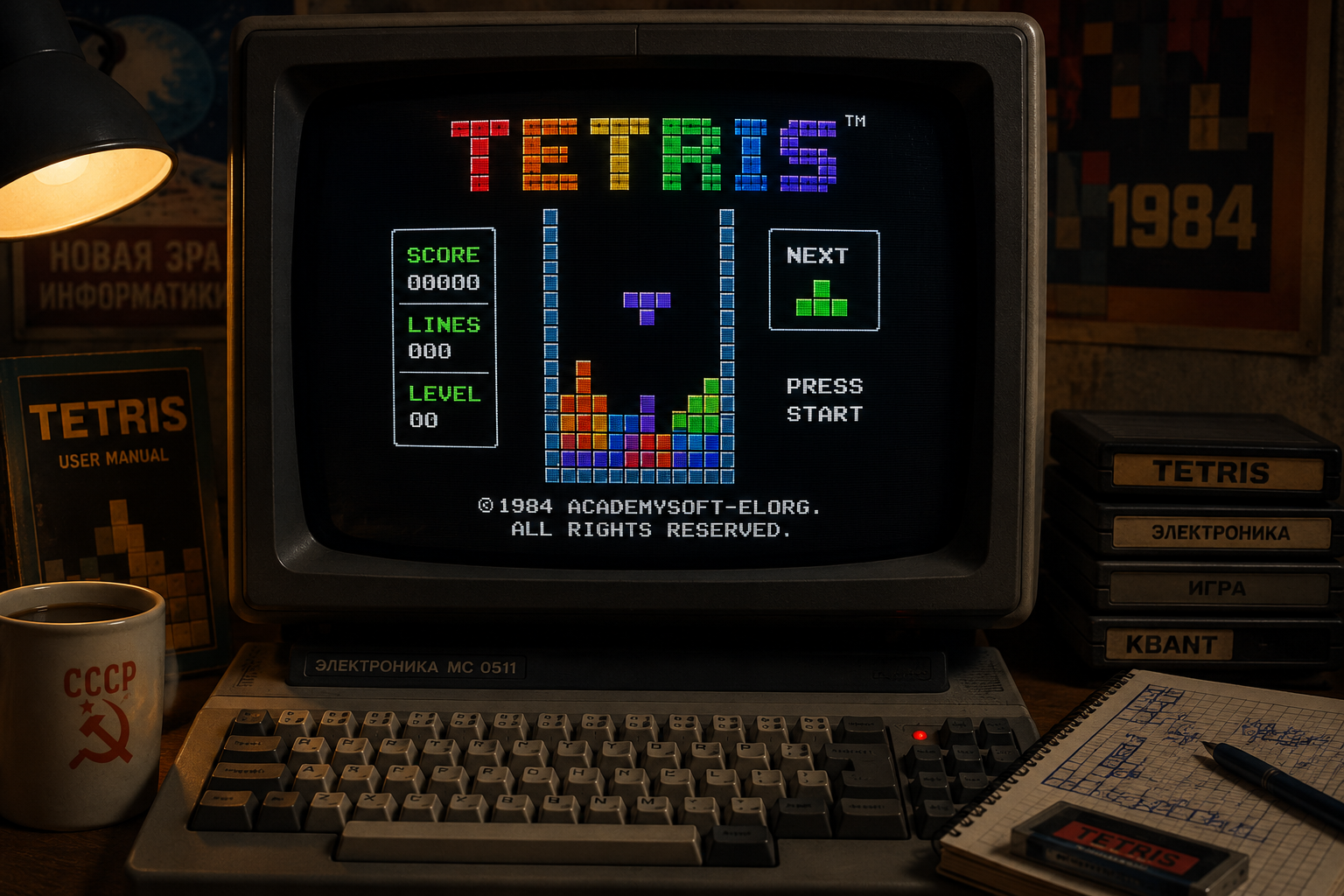
The Puzzle that Conquered the World
A Soviet engineer at his desk, unknowingly poised to create a legend. His creation? Tetris — a game that would break barriers and forever alter the gaming landscape.
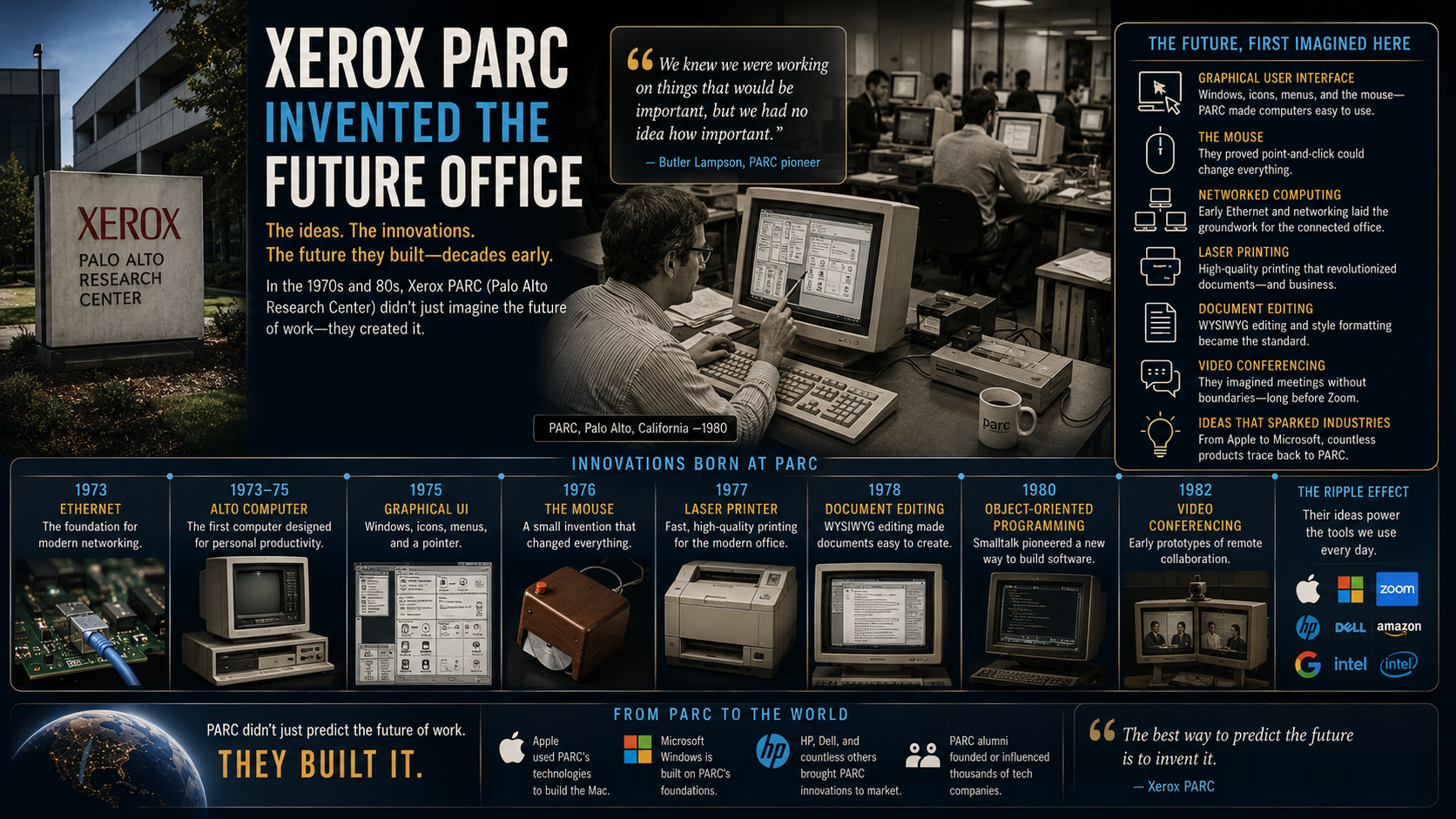
The Lab That Invented Tomorrow
In December 1979, Steve Jobs saw echoes of the future inside Xerox PARC's halls. There, in a secluded lab, lay the blueprint for the modern tech landscape.

The Browser War That Built the Internet
In the mid-1990s, a software battle erupted that would shape how billions accessed information. Few could predict that the victor would soon face its own downfall.
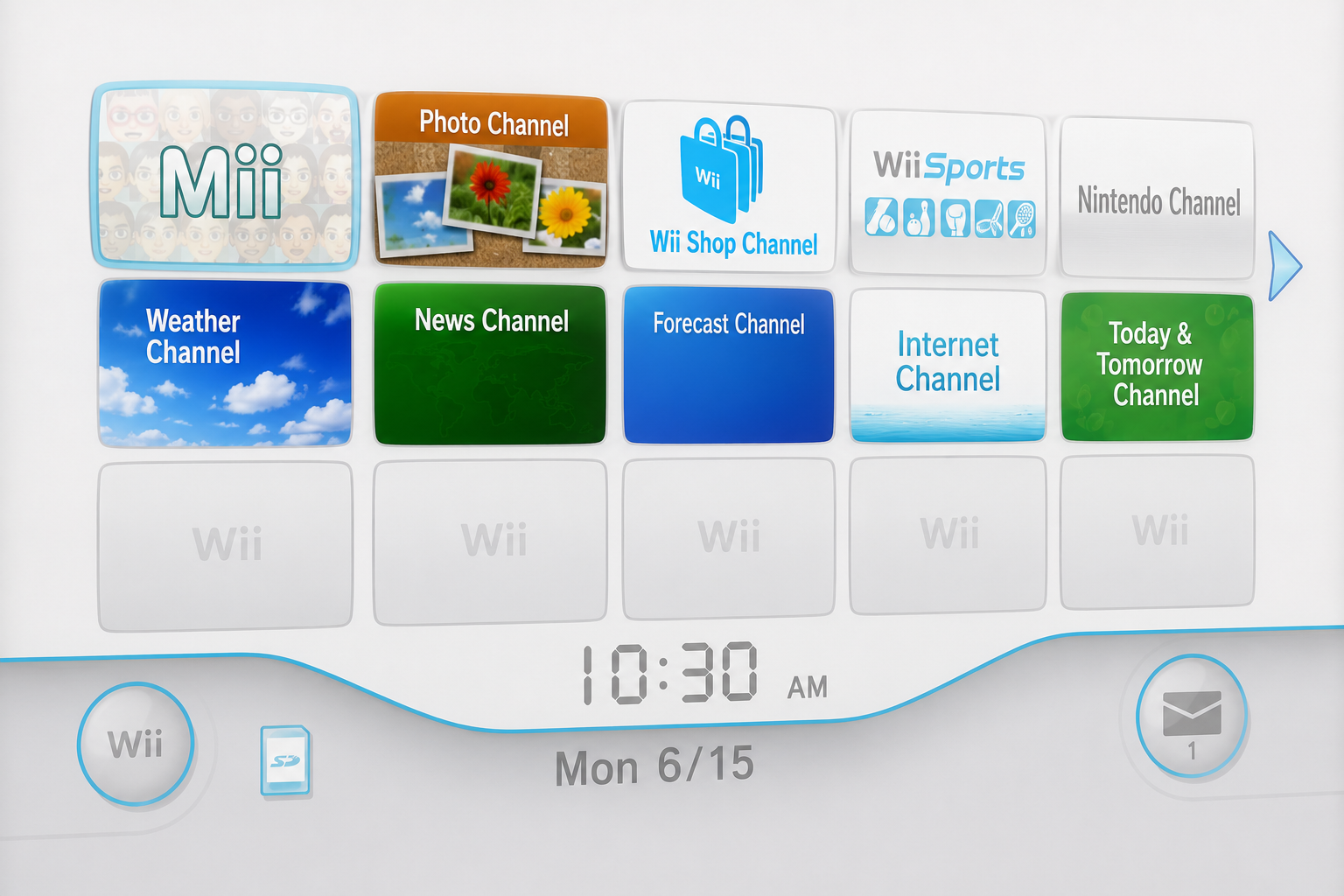
The Wii Gamble That Saved Nintendo
In a world obsessed with graphics and power, Nintendo bet on simplicity. The Wii was laughed at — until it wasn't.

Cracking the Cicada Code
In 2012, an enigmatic online puzzle appeared that promised enlightenment. But who was behind Cicada 3301?
Continue the Rabbit Hole
Each story explores the same idea from a different angle. Follow the connections and discover where the thread leads.






Fictional placeholder content