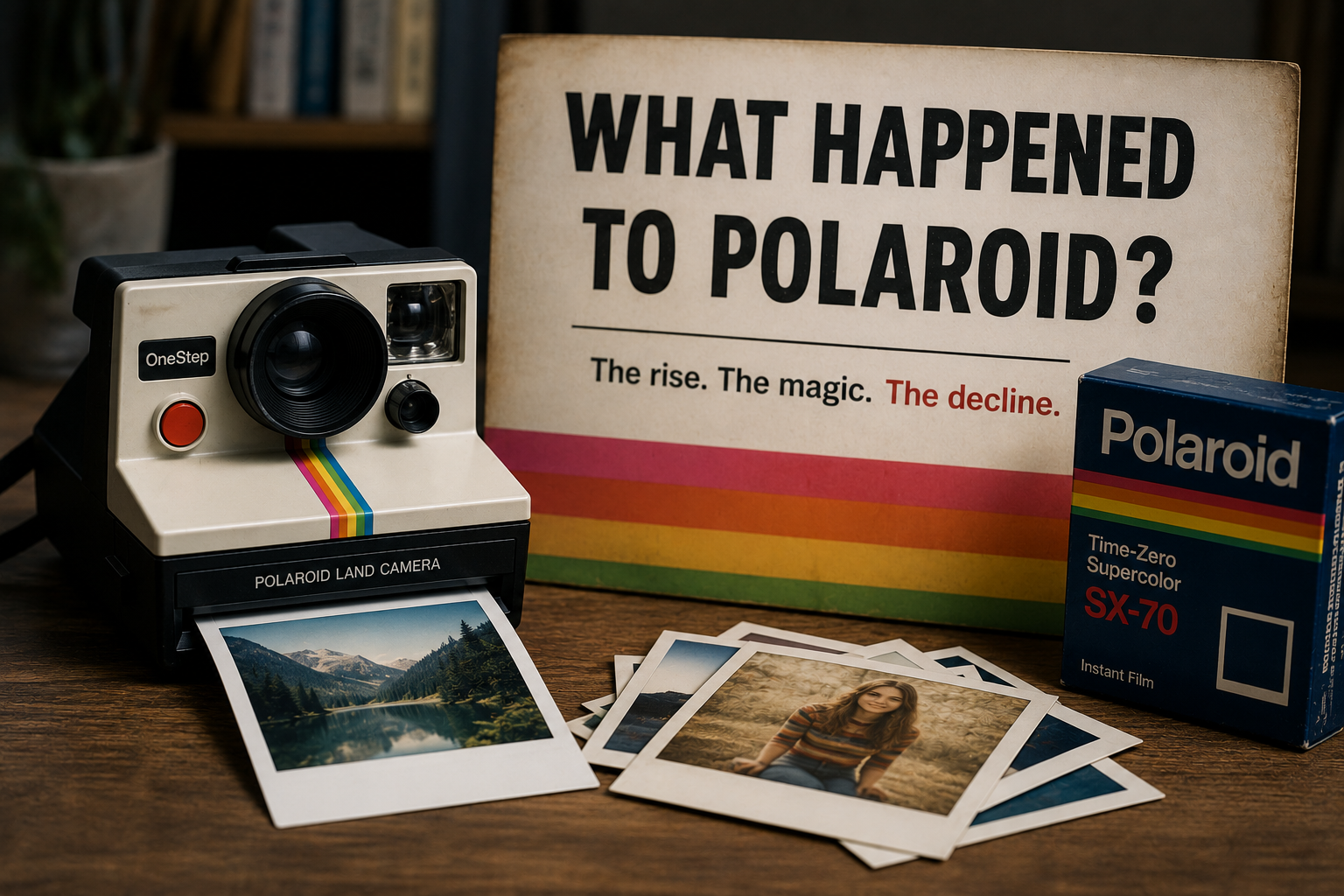
Polaroid's Rise, Fall, and Unlikely Return
"Polaroid once reigned supreme in instant photography but crumbled as digital cameras emerged. Then, unexpectedly, it found a rebirth."
What Happened?
Inside a Cambridge laboratory in the late 1930s, Edwin Land held a pair of polarizing discs. Little did he know, this patent would create a billion-dollar empire: Polaroid. By the time people snapped instant photos at parties and family gatherings in the late 20th century, it was hard to imagine that Polaroid could ever falter. At the heart of the company was Land, a Harvard dropout whose ambitious vision turned light manipulation into instant photography magic. However, not even the iconic SX-70, the first foldable SLR instant camera, heralded in 1972, could foretell what loomed on the horizon.
The trouble began when the same innovation that propelled Polaroid to the forefront also became its vulnerability. As the company celebrated having shipped its 100 millionth pack of film, tech behemoths were quietly preparing to upend the photography world. By the early 1980s, Polaroid's supremacy came under siege. Kodak emerged as a fierce competitor, challenging Polaroid with its line of instant cameras despite a cost-intensive lawsuit that saw $909.5 million awarded to Polaroid for patent infringement.
Yet the most disruptive force wasn’t Kodak. It was digital technology. By the dawn of the new millennium, instant film seemed archaic next to a burgeoning digital wave. Polaroid's hesitation to pivot, despite having spearheaded a form of instant technology decades earlier, proved costly. In a twist of irony, a company that had thrived on real-time photos faltered in a digital age less forgiving to those lagging behind.
With debts mounting, Polaroid filed for bankruptcy in 2001. Land's pioneering spirit lingered, yet no longer translated to market success. But when the Impossible Project bought Polaroid's last film factory in 2008, there was a glimmer of hope. Instant photography wasn't dead; it was resurrected by nostalgia and a desire for tactile photos that could be held in hand rather than viewed through a screen.
Today, Polaroid cameras are symbolic relics, reminders of a time when waiting a few seconds for a picture felt like instant gratification. The story of Polaroid isn't just about a company's rise and fall. It's about vision, miscalculation, and the relentless march of technology—a narrative rooted in human choices that continues to evolve in unexpected ways.
Takeaway
The lesson this story keeps teaching
“Complacency and resistance to change can lead even iconic brands to the brink of extinction, but revival is possible when alignment with market demand occurs.”
Why People Are Talking About This
Polaroid's plight underscores the volatility of standing still in technology-driven markets. Where adaptability lacked, decline followed. The resurgence of interest through the Impossible Project also highlights the enduring power of passion-driven revival. Consumers' nostalgic connection to analog experiences becomes a testament to dualities — disruption doesn't erase all legacy, and a 'vintage' appeal can reincarnate obsolete industries. This polarity frames an economy where both futures and pasts hold market power.
Thread Map
9 entities · 8 connections · Hover to explore, click to inspect
This is the connection map for this thread. Every node is a person, company, event, or idea. The red lines show how they connect. Hover a node to highlight its connections. Click a node to see why it matters to this story.
How We Got Here
Polaroid Beginnings
Edwin Land founded Polaroid, diving into optics and polarization before eventually carving out a niche in instant photography.
The SX-70 Launches
Polaroid released the SX-70, a groundbreaking foldable SLR instant camera that captured global attention for its innovation.
Clash over Instant Photography
Kodak's entry into the instant photography market initiated a fierce struggle against Polaroid for industry dominance.
Signs of Struggle
Polaroid began experiencing financial challenges as whispers about the digital shift grew louder.
The Digital Camera Boom
Digital photography gained traction, fundamentally altering the landscape and undercutting Polaroid's film business.
Polaroid Files for Bankruptcy
Faced with mounting debts and diminishing sales, Polaroid filed for Chapter 11 bankruptcy protection.
The Impossible Project
A group of enthusiasts launched the Impossible Project to keep Polaroid film alive by purchasing its last factory.
Polaroid Brand Resurgence
The Impossible Project's efforts slowly reignited demand, showing the resilience of analog photography amidst a tech-driven world.
Wait... Who Is This?
Polaroid, founded in 1937 by Edwin Land, captured imaginations with their instant cameras. The SX-70, launched in 1972, represented a pinnacle of innovation, unfolding to produce photos in a matter of moments. Consumers flocked to this instant gratification, propelling the company to meteoric heights. However, as the 1980s turned to the 1990s, murmurs of digital photography began unsettling the industry. Major competitors like Kodak started investing in the digital future. Despite these shifts, Polaroid clung to its old models, dismissing digital threats as ephemeral fads. As time marched forward, the inevitability of change loomed.
Polaroid's reluctance might have stemmed from past success; they had once singlehandedly redefined how people captured memories. However, success became a shackle. When digital became the new analog, Polaroid found itself losing grasp on its once ironclad market share. Financial struggles ensued, and rumors of looming bankruptcy shadowed their legacy.
Receipts
What REALLY Happened to Polaroid? (Polaroid History)
What was Polaroid thinking? | Yale Insights
The story of Polaroid: From empire to bankruptcy and back again
Steve Blank Secret History – When Kodak Went to War with Polaroid
History of Polaroid and Edwin Land
Edwin Land and Instant Photography - American Chemical Society
Timeline: History of Polaroid Cameras | Timetoast
Same Pattern
Different story. Same lesson.
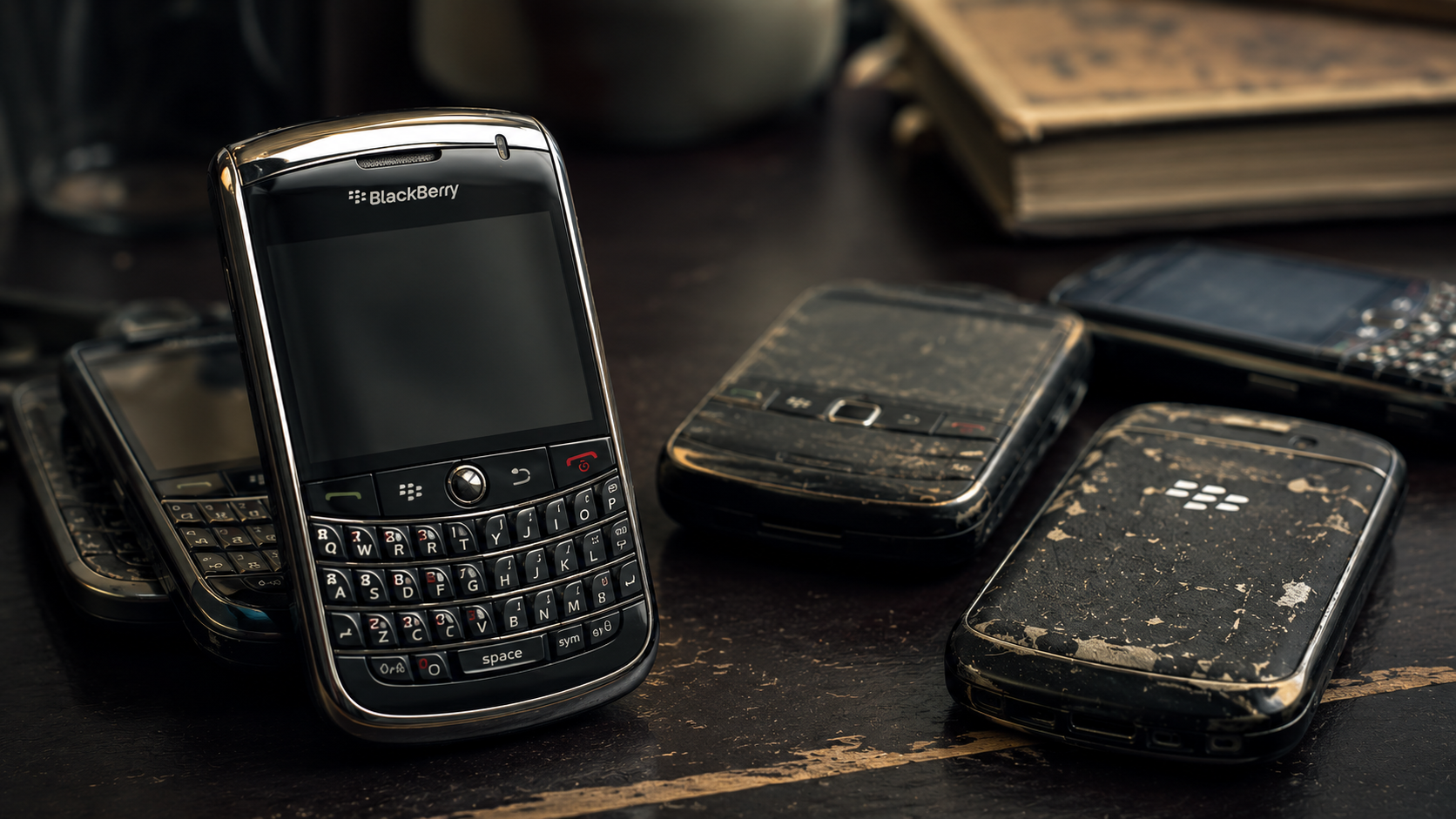
The Fall of BlackBerry
In a boardroom once buzzing with innovation, silence filled the air as BlackBerry executives watched Apple's iPhone dismantle their empire one launch at a time.
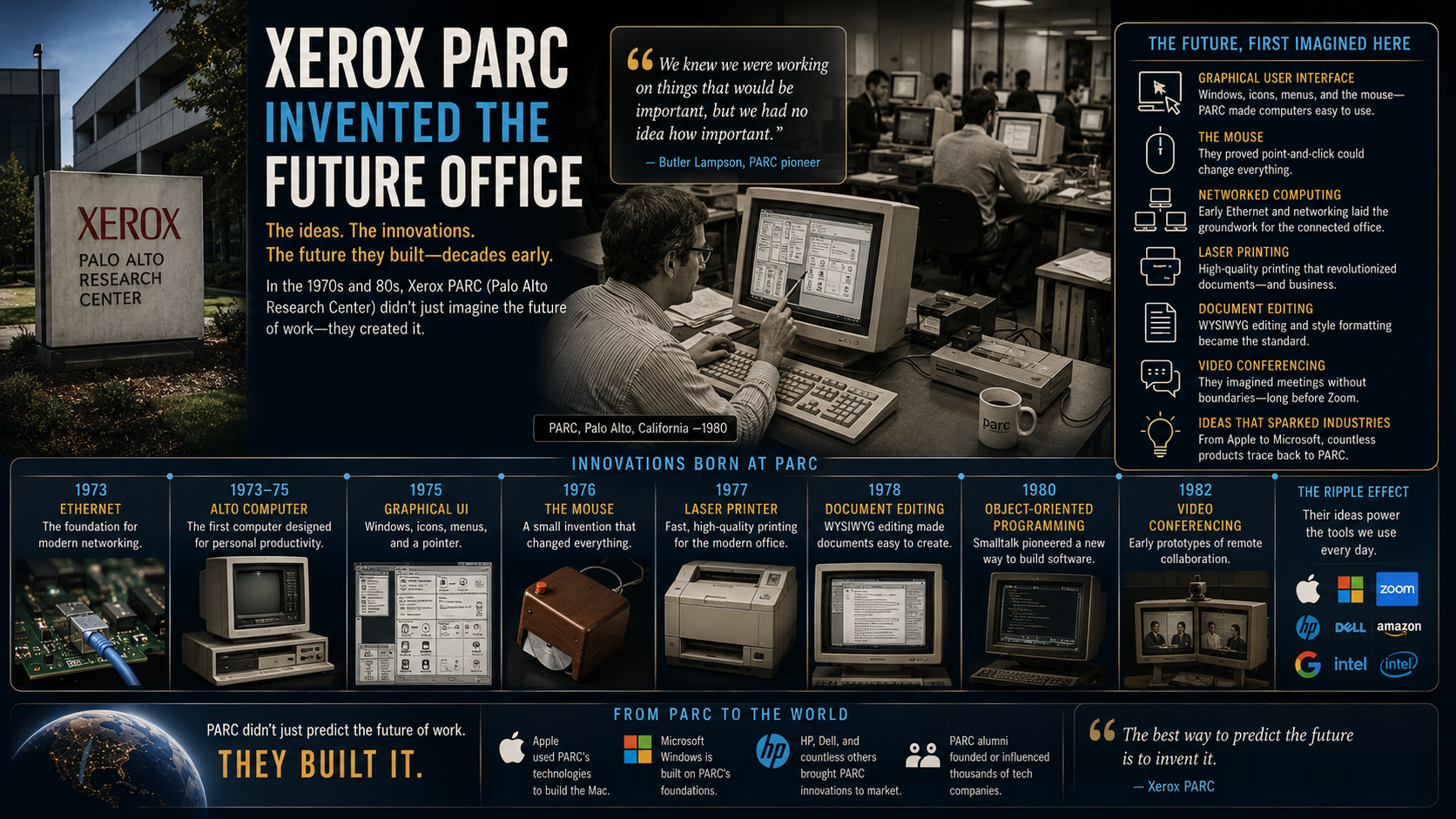
The Lab That Invented Tomorrow
In December 1979, Steve Jobs saw echoes of the future inside Xerox PARC's halls. There, in a secluded lab, lay the blueprint for the modern tech landscape.

The Wii Gamble That Saved Nintendo
In a world obsessed with graphics and power, Nintendo bet on simplicity. The Wii was laughed at — until it wasn't.

Pixar's Radical Feedback Loop
In a stark, unadorned room, some of the most powerful voices in animation face off with ruthless honesty. Their weapons? Brutal feedback that molds raw ideas into cinematic gold.

The Chicken That Changed Retail
Costco's $4.99 rotisserie chicken isn't just a meal — it's a strategic masterpiece. The unexpected ripple effects changed retail forever.
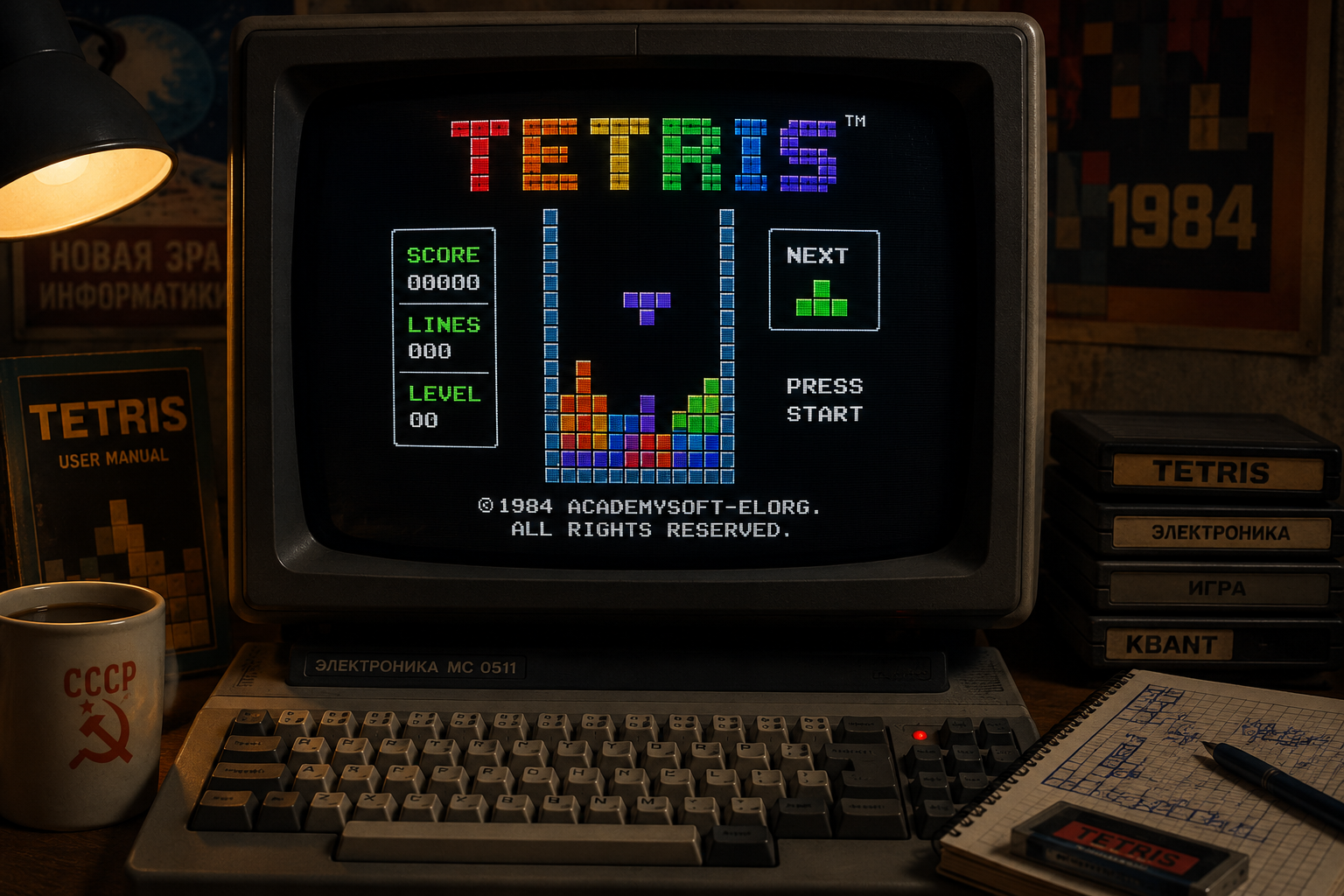
The Puzzle that Conquered the World
A Soviet engineer at his desk, unknowingly poised to create a legend. His creation? Tetris — a game that would break barriers and forever alter the gaming landscape.
Continue the Rabbit Hole
Each story explores the same idea from a different angle. Follow the connections and discover where the thread leads.






Fictional placeholder content