
The Circuit Short of RadioShack
"David Edmondson sat at his desk, papers proving his credentials were fraudulent lay scattered. That scandal would soon unravel the fate of an American icon."
What Happened?
Walking into a RadioShack in the late 1990s felt like stepping into the beating heart of the tech world. With aisles brimming with electronic components and gadgets, it was a playground for hobbyists and tech enthusiasts alike. By 1999, RadioShack had grown into a retail giant with over 8,000 locations, cementing its status as a household name with annual sales peaking at $5 billion. But the seeds of its downfall were already sown.
The turn of the millennium saw a dramatic shift in focus. Under CEO Len Roberts, RadioShack pivoted towards wireless phones and away from its core base of hobbyists. The once-bustling stores, filled with cables and niche electronics, began to resemble standard mobile phone outlets. The shift was jarring. Customers who once relied on the store for specialized parts found themselves in unfamiliar territory.
The leadership of David Edmondson in the early 2000s marked another turning point. His tenure was marred by scandal when it emerged he had fabricated his academic credentials. This debacle shattered investor confidence, accelerating a descent that was becoming increasingly hard to reverse.
As e-commerce sky-rocketed, RadioShack's failure to adapt became glaringly obvious. The brand that once dominated consumer electronics found itself in financial turmoil, filing for bankruptcy in 2015 and again in 2017. By then, the stores that had symbolized innovation now stood as relics of a bygone era.
RadioShack’s downfall was not just a tale of strategy gone wrong but a testament to the peril of abandoning loyal customers for trending markets. Today, what's left of RadioShack is a shadow of its former self, a digital brand caught up in the anonymity of e-commerce and, more recently, tainted by its attachment to crypto schemes. The iconic retailer that once empowered creators to build their own tech utopias had, ironically, dismantled its own.
Takeaway
The lesson this story keeps teaching
“Even a titan can fall when blinded by its own past successes; recognition and adaptation are critical to survival.”
Why People Are Talking About This
RadioShack's downfall serves as an archetype for businesses ignoring change amidst digital evolution. It reveals a broader pattern in corporate history where adaptability becomes the real currency for survival.
Companies today can observe RadioShack’s path as a guide against complacency—a cautionary tale emphasizing that past successes can never be trusted to secure future relevance in a swiftly shifting landscape.
Thread Map
9 entities · 8 connections · Hover to explore, click to inspect
This is the connection map for this thread. Every node is a person, company, event, or idea. The red lines show how they connect. Hover a node to highlight its connections. Click a node to see why it matters to this story.
How We Got Here
The Deutschmanns Open Their Storefront
Theodore and Milton Deutschmann launched RadioShack in a quaint Boston location. It carved a niche serving radio enthusiasts who were eager to tinker with electronics.
Tandy Corporation Gains a Retail Powerhouse
Tandy Corporation acquired RadioShack, transforming it into a nationwide retail behemoth filled with storied electronics. This marked a crucial turning point, solidifying RadioShack's prominence.
TRS-80 Debuts in the Market
RadioShack unveiled the TRS-80, a landmark personal computer heralded for democratizing access to computing power. A new era of tech consumption dawned.
RadioShack Peaks Under Len Roberts
With Len Roberts at the helm, RadioShack thrived by leading in cellular and Internet services. The retailer reached its zenith, boasting over 8,000 stores across the nation.
David Edmondson Ascends to CEO
David Edmondson took over as CEO, bringing RadioShack into another chapter laden with the crossroads of conventional needs versus innovative routes.
Edmondson’s Resume Scandal Breaks
David Edmondson's falsified academic credentials were revealed, igniting a scandal that would ultimately force him to resign. Trust eroded, foreshadowing challenging corporate pivots.
A Giant Files for Bankruptcy
RadioShack filed for Chapter 11 protection amid strategic and financial failures. This marked the beginning of the end for the once-prominent retailer.
Final Collapse Shattered RadioShack’s Reinvention Attempts
The second bankruptcy court ruling sounded the death knell for RadioShack as a standalone giant. Years of missteps culminated in an abrupt finale.
Crypto Ventures: RadioShack’s Next Haplessly Desperate Frontier
In an unexpected pivot, RadioShack's brand was caught in pump-and-dump crypto schemes. It was a far cry from their original pioneering spirit.
Wait... Who Is This?
Founded in 1921 by the Deutschmann brothers, RadioShack initially served as a supplier for the burgeoning radio enthusiast market. It captured the imagination of countless customers wandering its aisles stocked with cutting-edge technology waiting to be tinkered with. In the years that followed, RadioShack’s name became synonymous with introduction. From CB radio aficionados to computer hobbyists, its full-fledged retail chains stored fantasies of geekdom turning to new pastimes and innovative insights.
By the late 1990s, under the gaze of CEOs like Len Roberts, RadioShack had expanded beyond simple electronic components into full-scale consumer electronics. However, this decade also masked troubling signs of an imminent shadow. As consumer habits transitioned online, RadioShack seemed visibly stagnant, anchored by the tradition that once worked so painfully well. Entrenched by its notion of successful expansion in earlier years, the company overlooked the growth of rivals darting into the vacuum of online commercialization.
Looming over this prestigious history remains the story of David Edmondson and his appointment in 2005 as CEO. While RadioShack stumbled in its footsteps, Edmondson’s façade cracked and attention was starkly called back to the integrity at its top. Credibility began slipping from boardrooms, engaging the beginning of RadioShack’s vintage decline.
Receipts
The rise and fall of Radio Shack: From $5 billion to bankruptcy
The Rise & Fall of Radio Shack: A Short History - New York Almanack
Why RadioShack Went Bankrupt: 5 Key Reasons
The History of Radio Shack / Tandy Corporation
96 Years Of RadioShack History
The CEO Who Hacked His Competitors: David Edmondson and the RadioShack Scandal | by Sophia Brown Harrods | Medium
A History of Misses for RadioShack - The New York Times
Same Pattern
Different story. Same lesson.

The Fall of BlackBerry
In a boardroom once buzzing with innovation, silence filled the air as BlackBerry executives watched Apple's iPhone dismantle their empire one launch at a time.
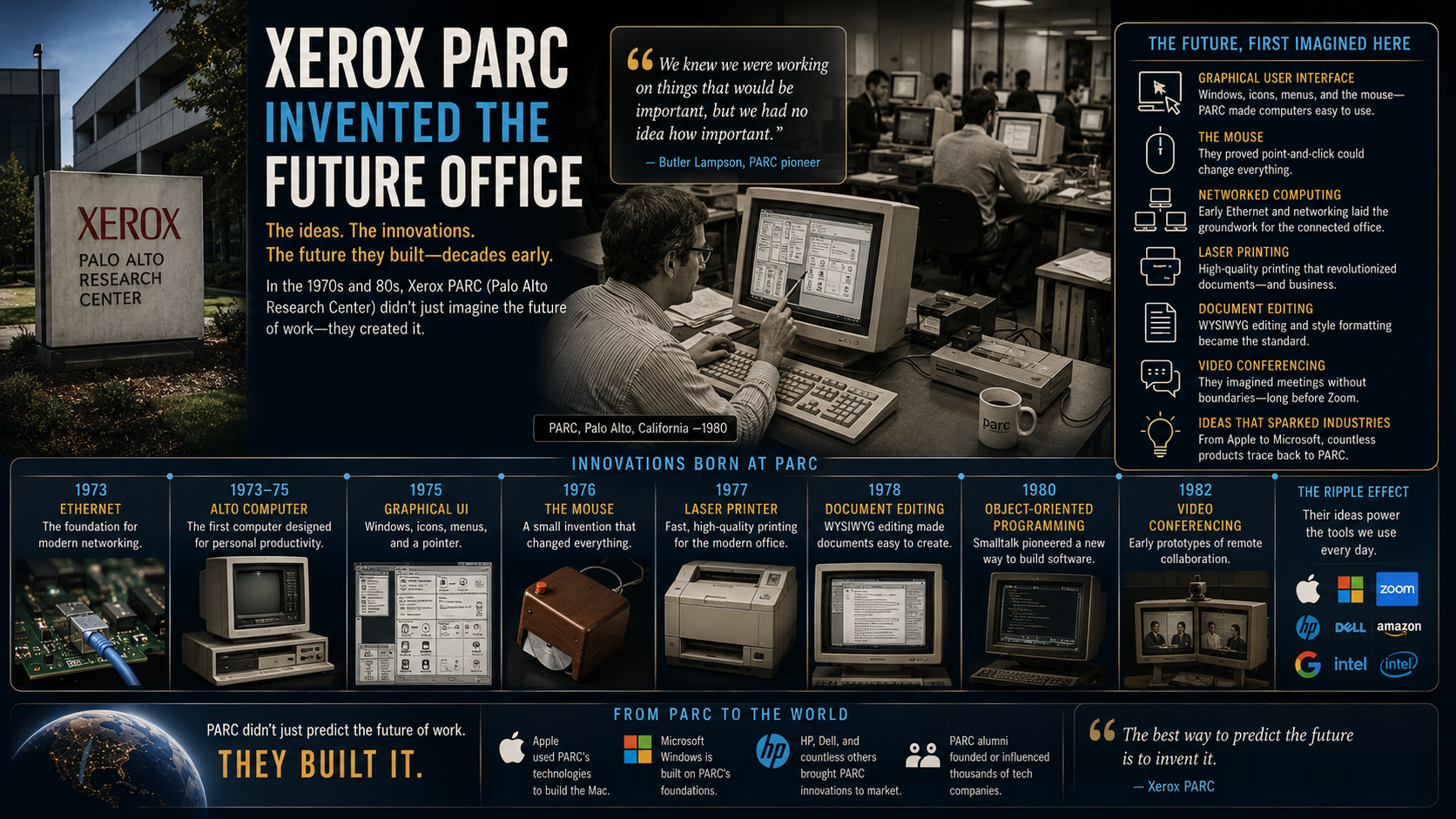
The Lab That Invented Tomorrow
In December 1979, Steve Jobs saw echoes of the future inside Xerox PARC's halls. There, in a secluded lab, lay the blueprint for the modern tech landscape.
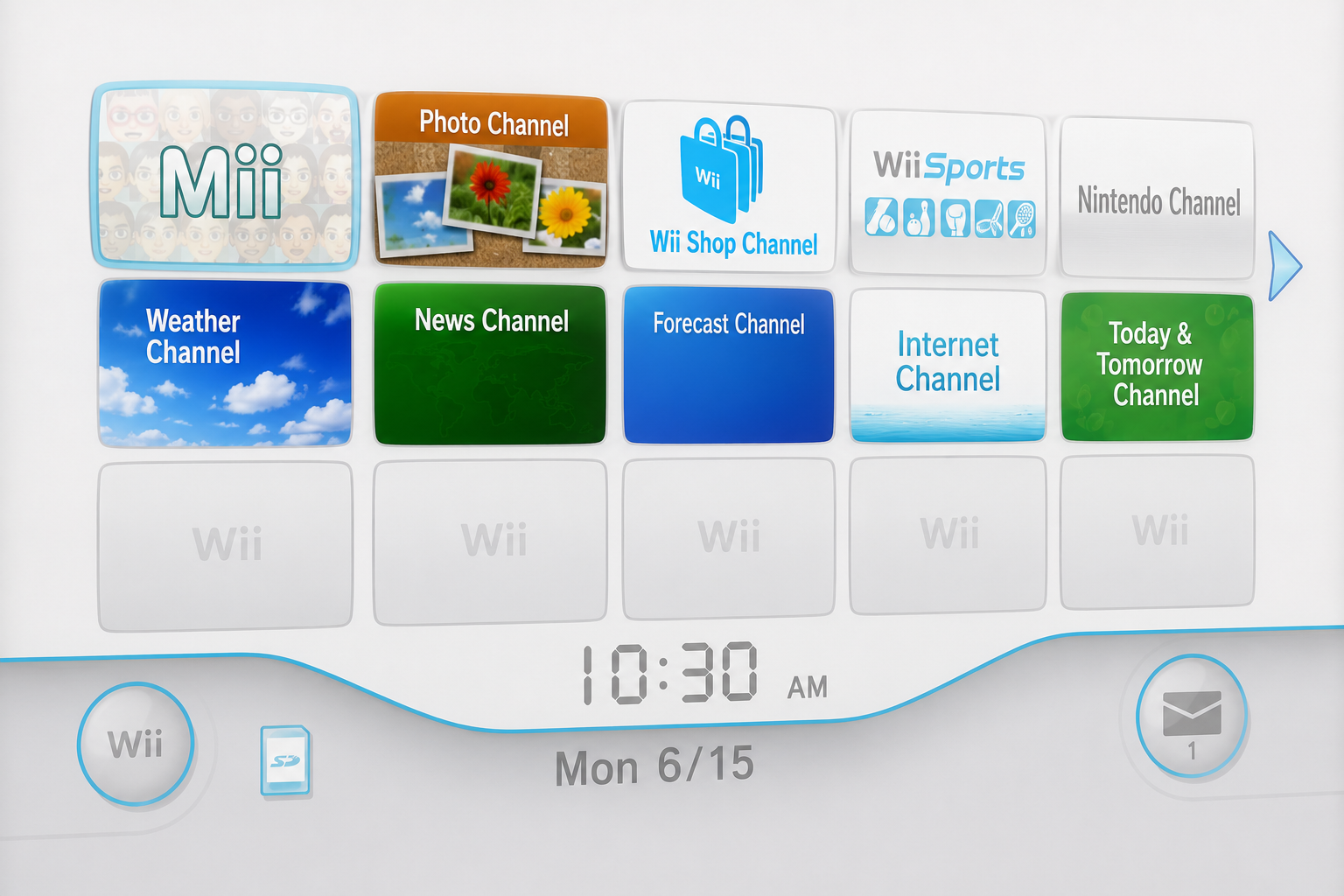
The Wii Gamble That Saved Nintendo
In a world obsessed with graphics and power, Nintendo bet on simplicity. The Wii was laughed at — until it wasn't.

Pixar's Radical Feedback Loop
In a stark, unadorned room, some of the most powerful voices in animation face off with ruthless honesty. Their weapons? Brutal feedback that molds raw ideas into cinematic gold.

Cracking the Cicada Code
In 2012, an enigmatic online puzzle appeared that promised enlightenment. But who was behind Cicada 3301?

How Google's 20% Time Shaped Innovation
Gmail, the widely-used email service, was born from Google's infamous 20% Time. What else did this unconventional policy unleash?
Continue the Rabbit Hole
Each story explores the same idea from a different angle. Follow the connections and discover where the thread leads.






Fictional placeholder content