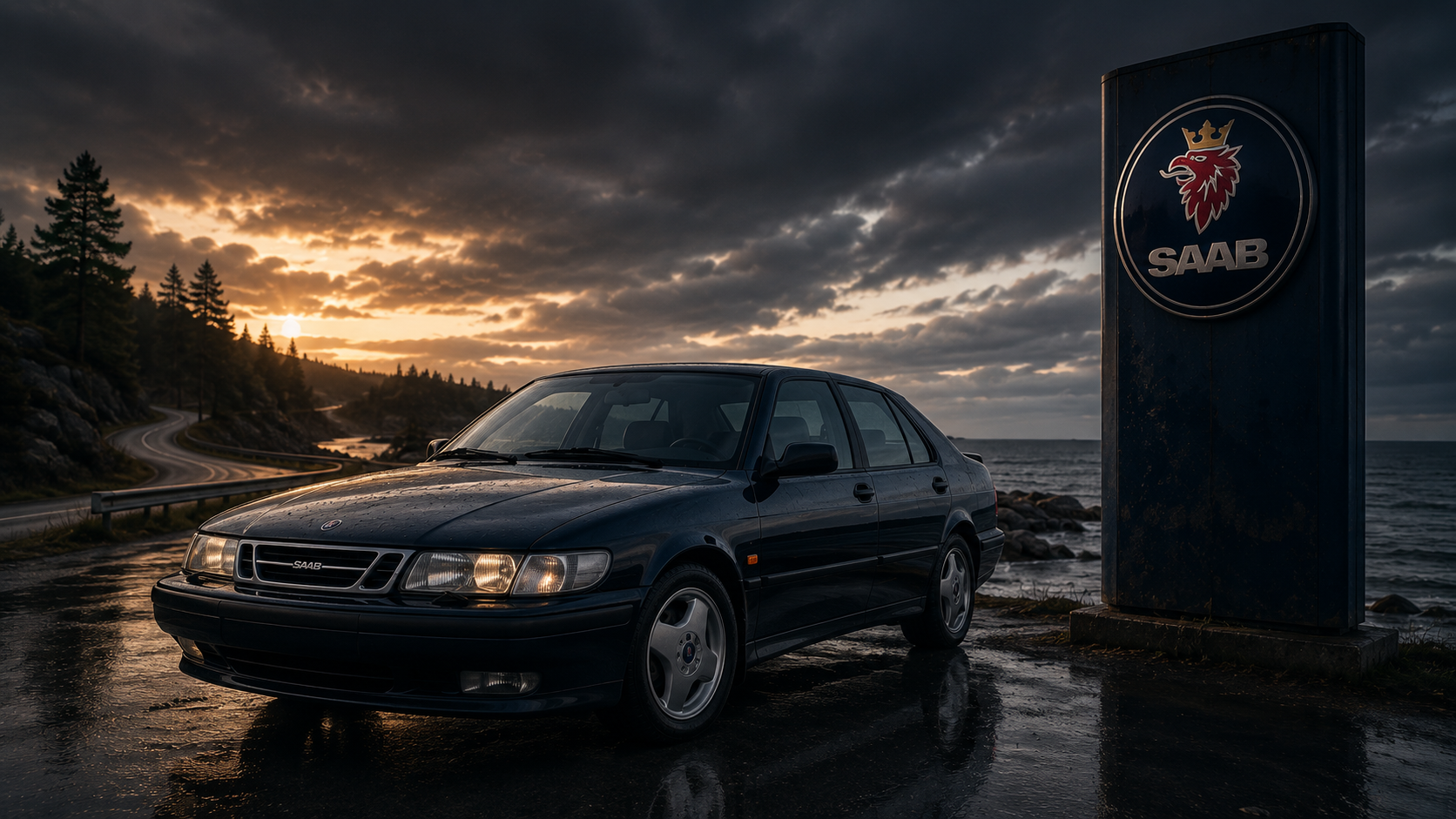
The Unraveling of Saab's Legacy
"In the heart of Sweden, Saab once danced with marvels of the sky before crashing as its automotive dream unfolded into global financial turmoil. What led a company from aircraft dominance to bankruptcy?"
What Happened?
It was an anticlimactic end for a brand that once soared. Saab, born out of the ambition to pivot from aviation to automobiles, unraveled not with a bang but a series of quiet missteps. Throughout the 1980s, Saab's unique blend of Swedish sensibility and quirky engineering led to iconic models like the Saab 900, turning heads in a market dominated by more conventional cars. However, behind the scenes, troubles brewed as Saab's relationship with General Motors began to sour.
General Motors’ influence marked the start of Saab's slow decline. The launch of the new 900 in 1994, with its borrowed Opel Vectra platform, signaled a loss of innovation that Saab enthusiasts cherished. By 2000, Saab was another cog in GM’s global machine, churning out models that lacked the distinct character of earlier iterations. But the cracks in GM’s business model showed when the late-2000s recession hit, and Saab’s numbers plummeted, endangering its survival.
Victor Muller, the charismatic CEO who attempted to save Saab, brokered a deal with Chinese investors to keep the brand alive. However, the intricacies of international business, combined with GM’s decisions that restricted Saab’s distribution rights, thwarted any chance of recovery. By 2011, the end was certain. Saab filed for bankruptcy, a casualty of corporate misalignment and economic downturns.
Saab's collapse is more than a recount of poor decisions; it underscores the peril of losing identity in the pursuit of expansion. In shifting gears to blend into the broader market, Saab forgot what made it stand out. Like many brands in the fast-paced automotive arena, its rise and fall echo a common narrative where distinctiveness collapses under economic pressure, leaving behind a legacy cherished by few but understood by fewer.
Takeaway
The lesson this story keeps teaching
“Staying static in a dynamically changing industry proved Saab's downfall, highlighting the peril of legacy over adaptation.”
Why People Are Talking About This
Saab's downfall is a powerful case study in how failure to adapt can transform past innovations into current burdens. As markets evolve, the inability to pivot can spell doom for established brands. This tragedy echoes across industries, reminding us that resting on laurels is a prelude to obsolescence.
Saab’s story illustrates the intricate dance of innovation, legacy, and the relentless progression of industry dynamics, offering a timeless cautionary tale for businesses worldwide.
Thread Map
8 entities · 7 connections · Hover to explore, click to inspect
This is the connection map for this thread. Every node is a person, company, event, or idea. The red lines show how they connect. Hover a node to highlight its connections. Click a node to see why it matters to this story.
How We Got Here
Saab Takes to the Skies
Saab AB was founded in Trollhättan, Sweden, as a manufacturer of military aircraft for the Swedish Air Force, marking their entry into aviation excellence.
From Aircrafts to Automobiles
Saab ventured into the automobile market with the goal of bringing their aircraft manufacturing expertise to car design, resulting in the launch of the Saab 92.
Saab and Scania Merge
The merger with Scania-Vabis led to Saab-Scania, combining car manufacturing with commercial vehicle production but diluting brand focus.
General Motors Steps In
General Motors acquired a significant stake in Saab Automobile AB in an attempt to boost the brand's global reach. However, the partnership led to conflicting design philosophies.
Market Strains Begin to Show
As the automotive industry evolved, Saab struggled with declining US market shares, unable to keep up with fast-paced technological advancements.
Saab Declares Bankruptcy
Finally unable to overcome its financial hurdles, Saab filed for bankruptcy, ending an epoch of Swedish innovation.
NEVS Acquires Saab
National Electric Vehicle Sweden purchased Saab's assets with dreams to revive the brand as an electric vehicle manufacturer.
Lingering Impact and Legacy
Despite efforts to revitalize Saab, the brand remains a shadow of its former self, a testament to lessons unheeded.
Wait... Who Is This?
Saab was a concept born from war needs; its roots are embedded deeply in aerial excellence. The firm’s founding in 1937 had a singular aim—to provide military aircraft for the Swedish Air Force amidst growing European tensions. After the Second World War, Saab transitioned from sky to street. The post-war optimism gave rise to Saab’s first car, the Saab 92, known for its innovative design, heavily influenced by aerodynamic engineering. Over decades, their automobiles grew a cult following for the quirky yet reliable designs. And while Saab was never the cheapest on the block, it was always the intriguing choice; a car for those who valued substances over sizes.
The spark came with their foray into automobiles. It was more than transportation; it was about creating machines that echoed their aircraft lineage—strong, safe, and ahead of the curve. But the market had transformed by the late ‘90s, and trends demanded a pivot from Saab’s veteran ideals.
Receipts
Same Pattern
Different story. Same lesson.
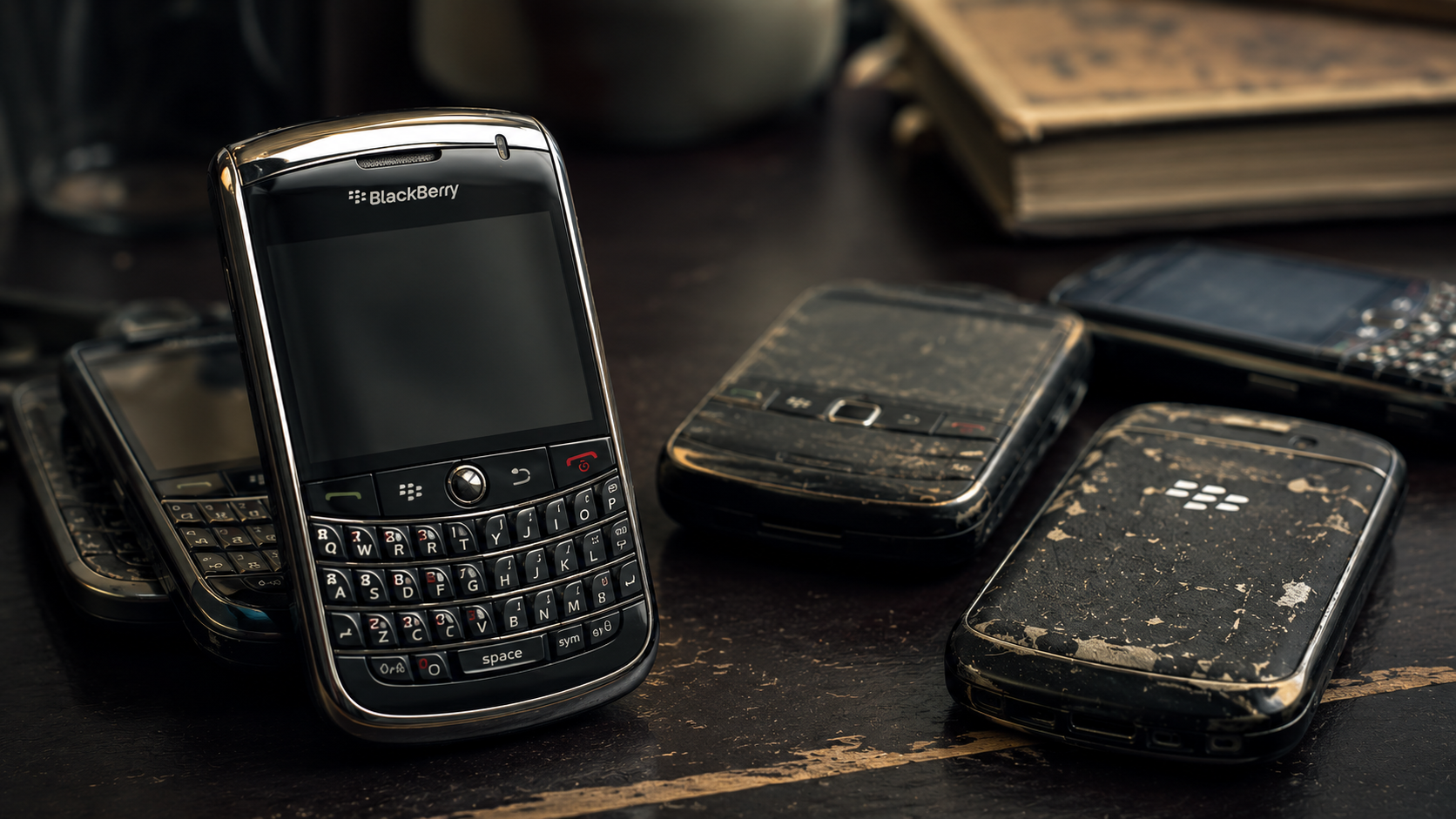
The Fall of BlackBerry
In a boardroom once buzzing with innovation, silence filled the air as BlackBerry executives watched Apple's iPhone dismantle their empire one launch at a time.
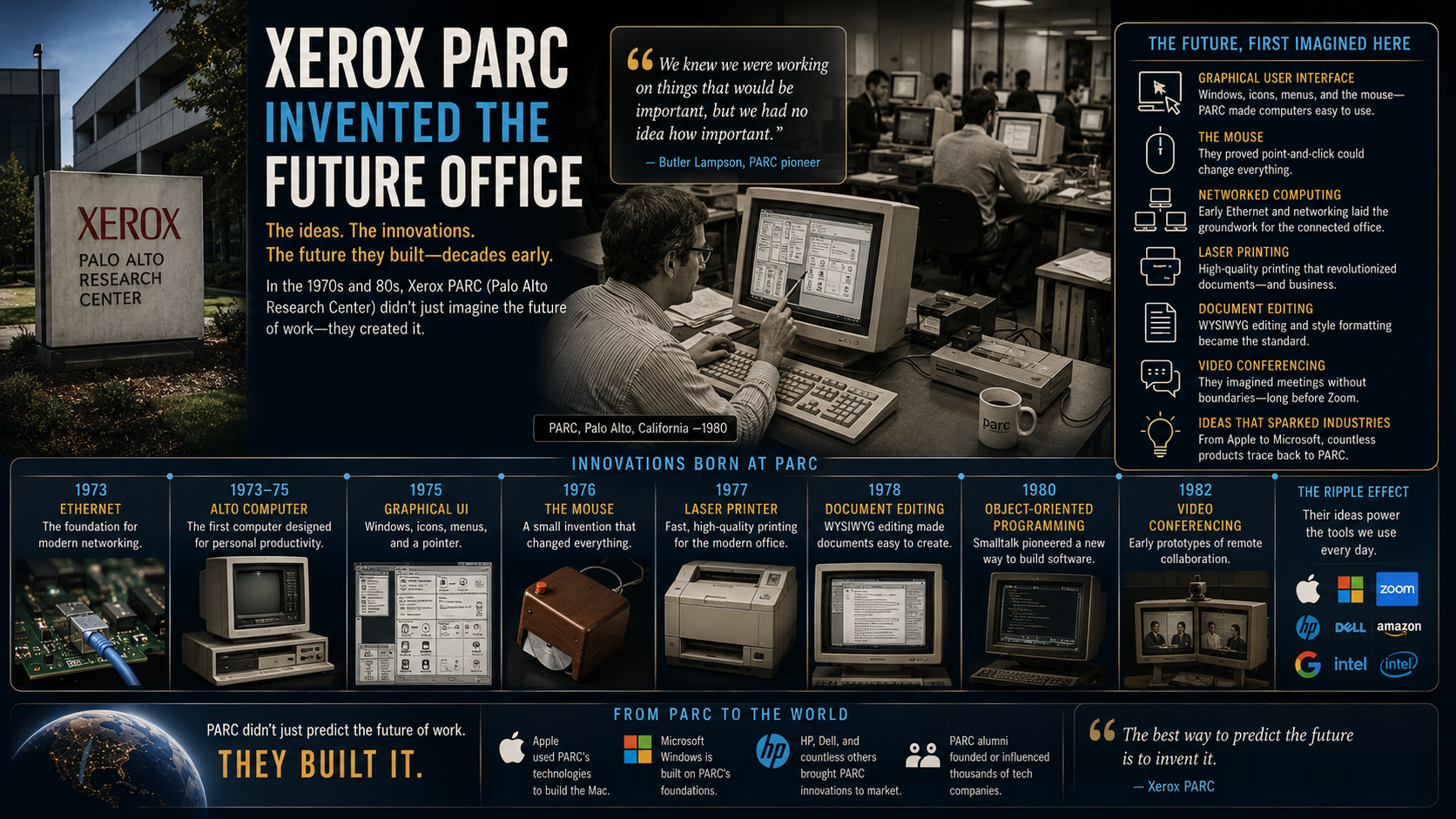
The Lab That Invented Tomorrow
In December 1979, Steve Jobs saw echoes of the future inside Xerox PARC's halls. There, in a secluded lab, lay the blueprint for the modern tech landscape.
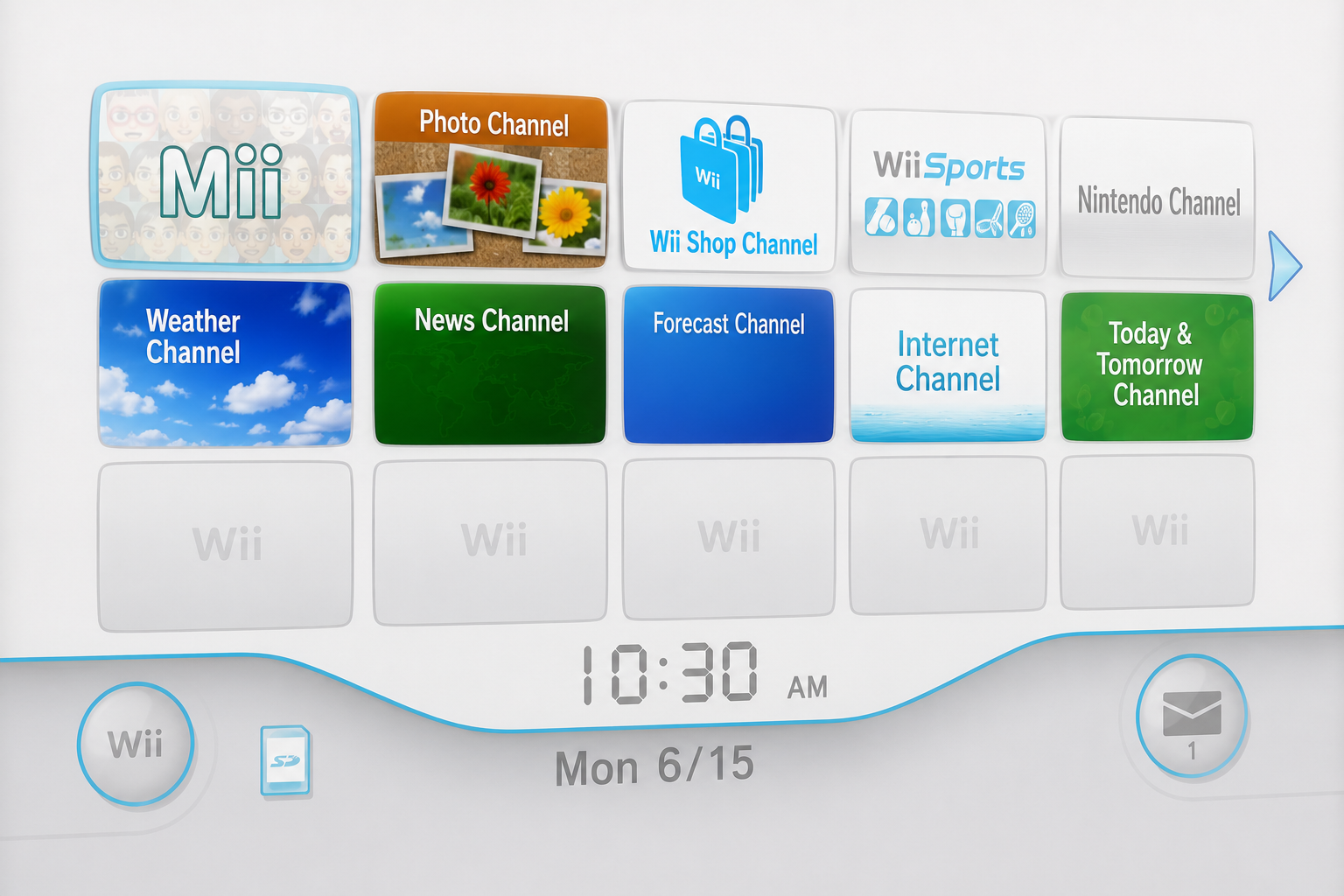
The Wii Gamble That Saved Nintendo
In a world obsessed with graphics and power, Nintendo bet on simplicity. The Wii was laughed at — until it wasn't.

Pixar's Radical Feedback Loop
In a stark, unadorned room, some of the most powerful voices in animation face off with ruthless honesty. Their weapons? Brutal feedback that molds raw ideas into cinematic gold.

How Google's 20% Time Shaped Innovation
Gmail, the widely-used email service, was born from Google's infamous 20% Time. What else did this unconventional policy unleash?
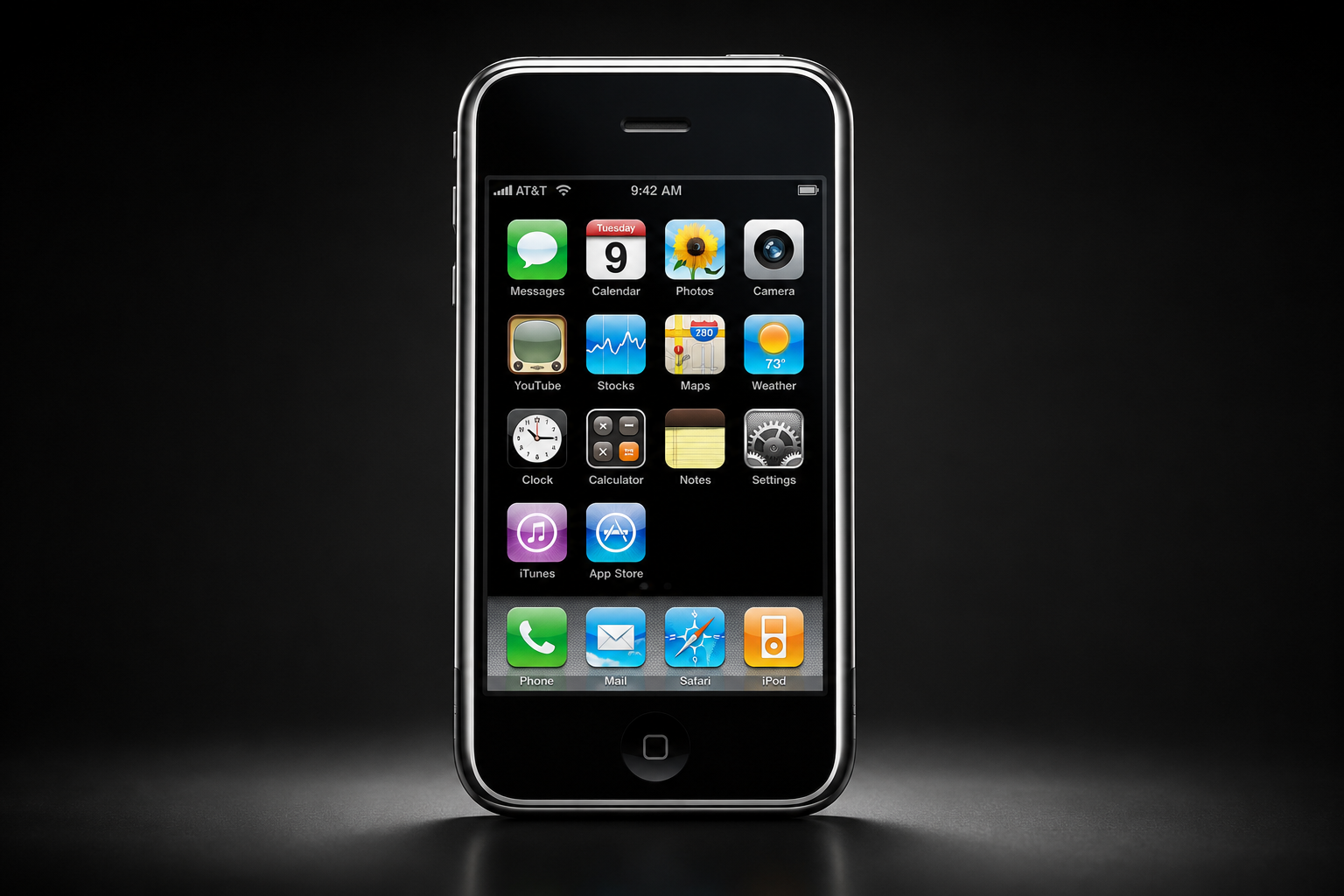
The iPhone That Disrupted the World
In January 2007, Steve Jobs stepped onto the stage and introduced a device that would redefine the entire world: the iPhone. What seemed like just another gadget launch was, in fact, the dawn of a new era.
Continue the Rabbit Hole
Each story explores the same idea from a different angle. Follow the connections and discover where the thread leads.





Fictional placeholder content