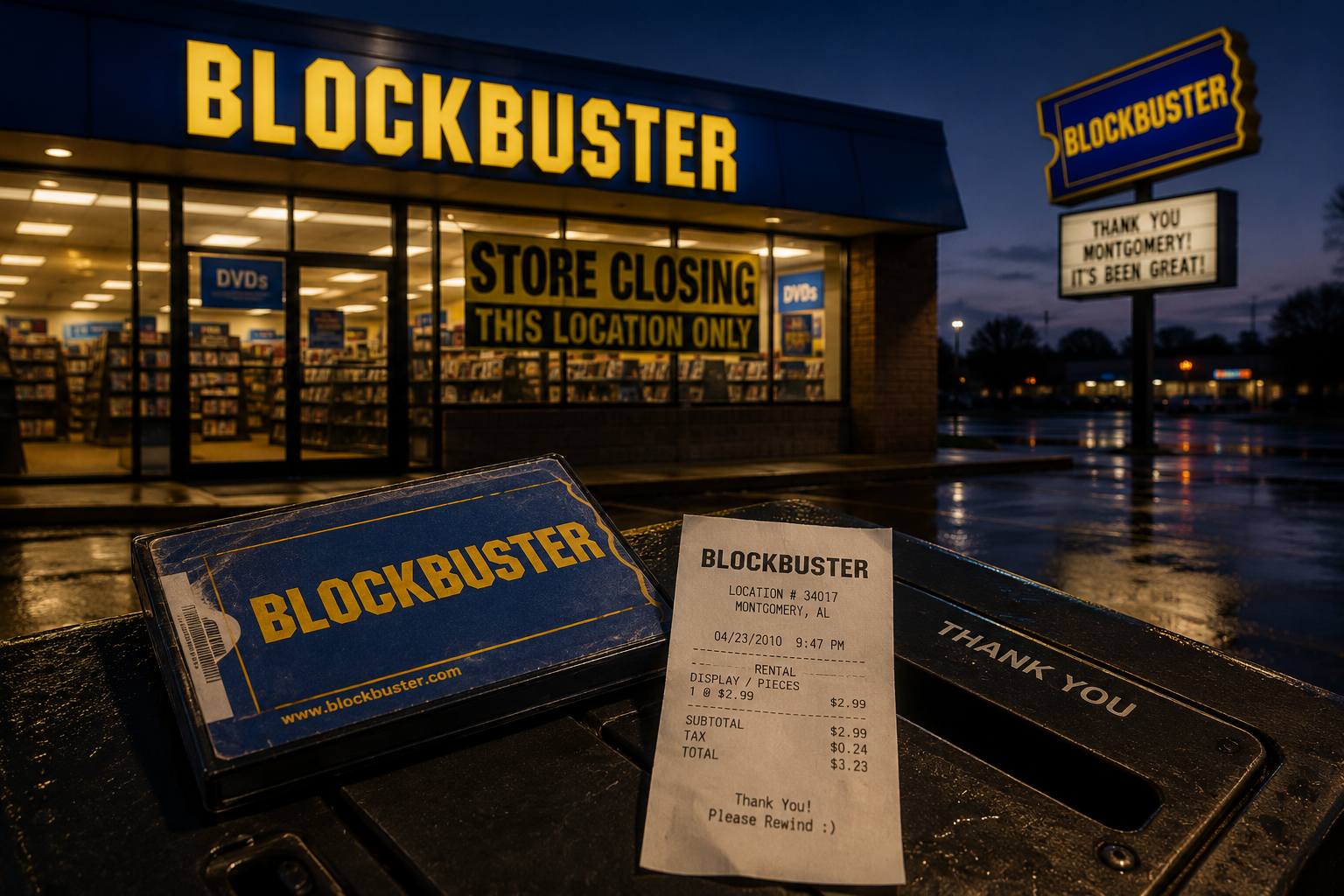
Blockbuster's Last Tears of Rental
"On a quiet evening in November 2013, a copy of 'This Is the End' became the symbol of an era's abrupt closure. Blockbuster's legacy wasn't just rental tapes — it was a lesson in failing to see what's coming."
What Happened?
The irony was cinematic. On November 9, 2013, at 11 p.m., a Blockbuster store in Hawaii closed its doors, marking the end of an era. As the final customer approached the counter, the movie in hand seemed strangely fitting -- "This Is the End." It was Blockbuster's last rental, a small moment symbolizing the twilight of the video rental giant that had once dominated American living rooms.
Blockbuster's trajectory was a corporate epic of rapid expansion, market dominance, and abrupt decline. Born in 1985 when David Cook opened the first store, the company quickly caught the attention of investor Wayne Huizenga. Huizenga saw potential in scaling Blockbuster into an American staple, akin to the fast-food empire of McDonald's. By 2004, Blockbuster had reached its zenith with 9,000 locations worldwide and seemingly unstoppable growth.
Yet, beneath the surface, cracks were forming. The world was moving towards digital solutions, but Blockbuster clung to its brick-and-mortar model, underpinned by the controversial practice of late fees, which alone accounted for 16% of its revenue. The company's reluctance to adapt became painfully apparent as competitors like Netflix embraced innovations in video rental.
The decline was swift. By December 2011, Blockbuster shuttered its last corporate-owned store, lingering only as a handful of franchises. In Bend, Oregon, the final Blockbuster transformed into a nostalgic homage, maintaining its status as the world's last bastion of the fading video rental era by 2019.
As rumors about the store's closure continue to circulate, the spirit of Blockbuster remains a symbol of a bygone age, recounting a cautionary tale of adaptation versus obsolescence. "This Is the End" was not just a film rental; it was a punctuation mark on the culture of video rentals, now a relic remembered fondly but recognized as a lesson learned in the ever-changing landscape of consumer entertainment.
Takeaway
The lesson this story keeps teaching
“Denial of seismic technological change is a sure path to corporate extinction.”
Why People Are Talking About This
Blockbuster's fall isn't just about a company that once thrived and then vanished. It reveals the stark consequences of technological denial. No industry leader is safe from extinction.
In an era where change is rapid, where tech disrupts faster than business models can evolve, the lesson is urgent: adapt or face obsolescence. Netflix embodies this, rising on the very ruins of Blockbuster's missteps.
Thread Map
9 entities · 8 connections · Hover to explore, click to inspect
This is the connection map for this thread. Every node is a person, company, event, or idea. The red lines show how they connect. Hover a node to highlight its connections. Click a node to see why it matters to this story.
How We Got Here
Blockbuster Launches
David Cook opened the first Blockbuster, creating a new video rental paradigm that thrived on consistency and vast selections.
John Antioco Takes the Helm
John Antioco became CEO and initiated expansion and reinvention efforts, emphasizing the physical stores' allure.
Netflix Approaches Blockbuster
In a now-famed rejection, Blockbuster refused Netflix's $50 million merger proposal, mocking the fledgling mail-based rental service.
Hits 9,000 Locations Globally
Blockbuster reached its apex with over 9,000 stores worldwide, yet the seeds of downfall were already sown amid digital shifts.
Leadership Struggle Forces Shift
Antioco departed following internal conflicts over strategic direction, weakening Blockbuster's digital ambitions amid rising streaming competition.
Bankruptcy Declared
Overwhelmed by debt and competition, Blockbuster filed for bankruptcy, marking the beginning of the end for its vast network.
The Last Rental: 'This Is the End'
In Hawaii, a single DVD rental of 'This Is the End' marked the final transaction from a Blockbuster store, epitomizing a focus failed to shift.
Closure of Corporate Stores
Following bankruptcy, corporate-owned Blockbuster stores shut down, leaving Bend's franchise as the last testament to its legacy.
Bend Becomes the Last Store Worldwide
Once Blockbusters dotted the globe, by 2018 only the Bend, Oregon store remained — a living monument to past entertainment culture.
Rumored Final Closure
Social media buzzed with rumors of the Bend store's closure, igniting nostalgia and interest before these claims were debunked.
Wait... Who Is This?
In the mid-80s, video rental was something of an art, confined to small businesses scattered across towns and cities. David Cook saw beyond this fragmented landscape and founded Blockbuster in Dallas, 1985. The concept was bold: build a network of stores that were consistent, reliable, and expansive in movie choices. This was more than just a service — it was setting a new standard.
Within a decade, Blockbuster swept across America like a cultural tsunami, peaking in 2004 with over 9,000 stores. But the force that had propelled Blockbuster forward also became its inhibitor. The urge to protect its brick-and-mortar empire blinded it to the digital frontier slowly taking shape on the horizon. As broadband internet gained foothold and the physical gave way to the digital, Blockbuster remained steadfast in its comfort zone.
The late 90s and early 2000s marked a low storm gathering overhead, one that carried names like Netflix and streaming technology. Blockbuster, a giant who never woke amid the hulking shadow of digital change, began walking its last miles. Companies adapted, the internet evolved, but Blockbuster remained fixated on a reality others had already bid farewell to.
The harbingers were aplenty. Videocassette rental, once a staple, gave way to DVDs. Brick and mortar saw reductions in stock and competition from digital-only platforms. The last store in Bend, Oregon, now remains a nostalgic reminder of what technology can leave in its wake.
Receipts
The Last Blockbuster
Blockbuster's final film rental is... This Is the End | Film | The Guardian
A Timeline: The Blockbuster Life Cycle
Last Blockbuster Video Store in Oregon Set To Close on Halloween 2024? | Snopes.com
Last Blockbuster Video not closing despite social media post | Local News | centraloregondaily.com
Expert's Guide to Visiting Bend's Last Blockbuster | Visit Central Oregon
Same Pattern
Different story. Same lesson.
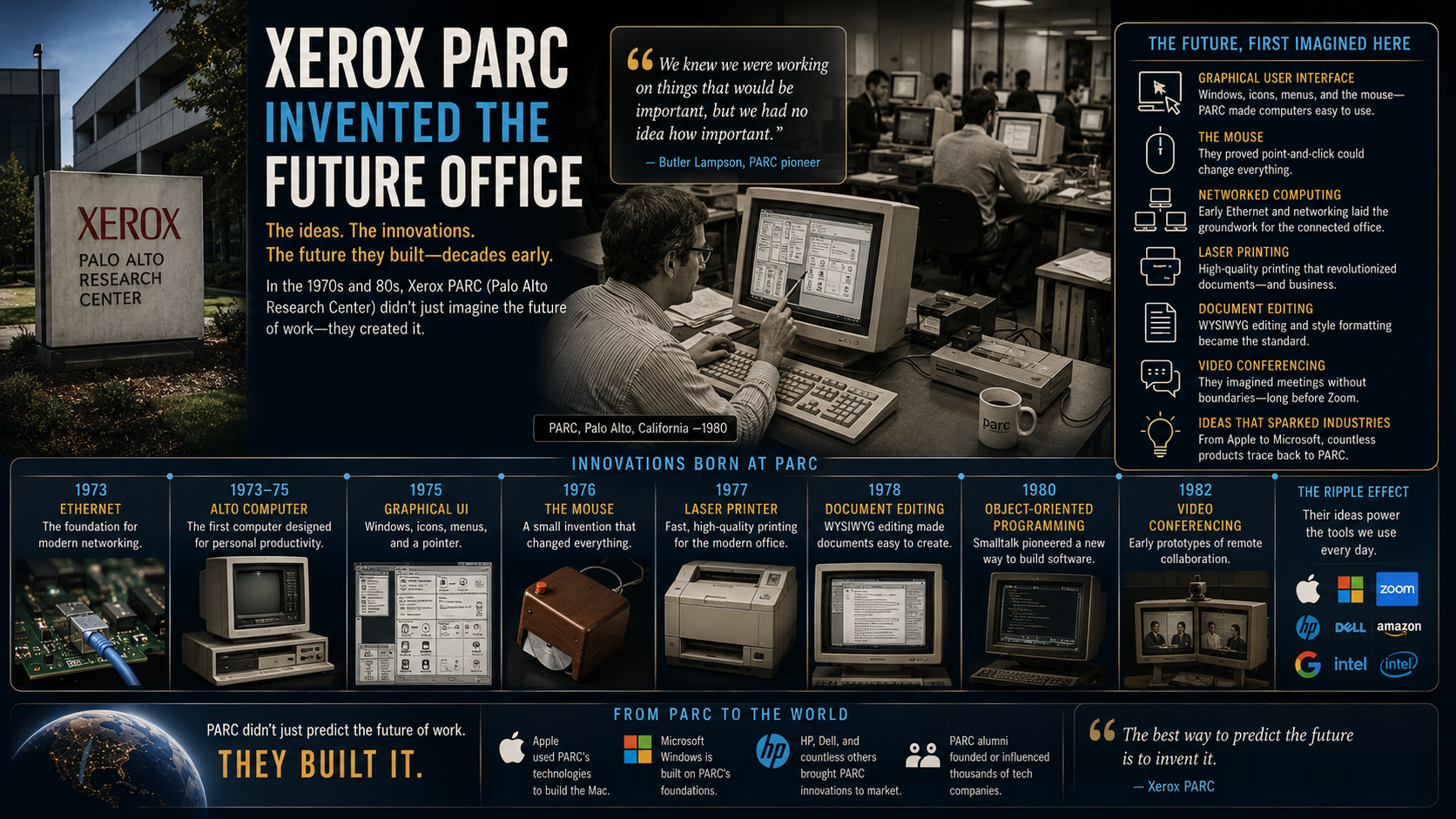
The Lab That Invented Tomorrow
In December 1979, Steve Jobs saw echoes of the future inside Xerox PARC's halls. There, in a secluded lab, lay the blueprint for the modern tech landscape.
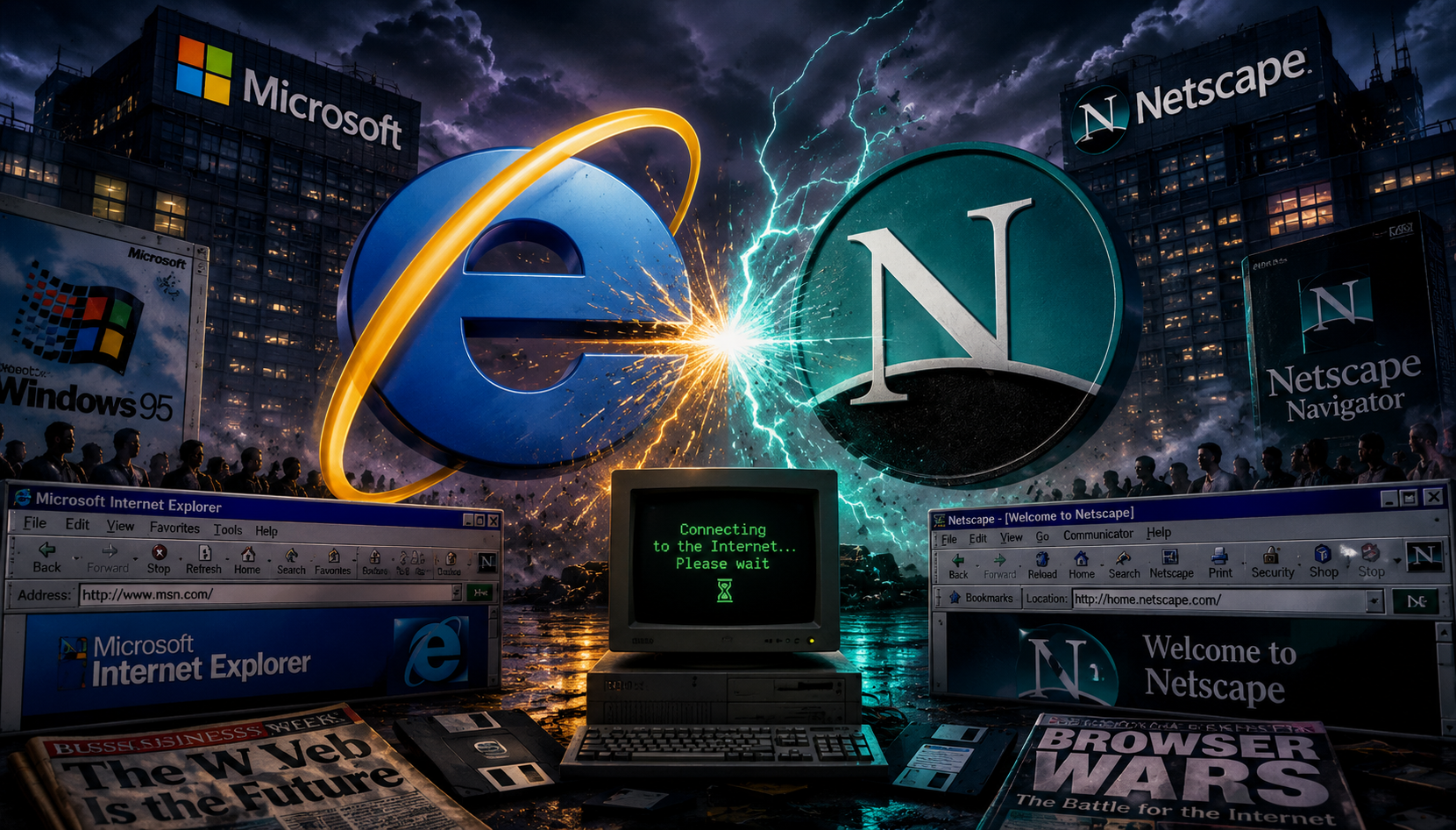
The Browser War That Built the Internet
In the mid-1990s, a software battle erupted that would shape how billions accessed information. Few could predict that the victor would soon face its own downfall.
Pixar's Radical Feedback Loop
In a stark, unadorned room, some of the most powerful voices in animation face off with ruthless honesty. Their weapons? Brutal feedback that molds raw ideas into cinematic gold.

The Chicken That Changed Retail
Costco's $4.99 rotisserie chicken isn't just a meal — it's a strategic masterpiece. The unexpected ripple effects changed retail forever.
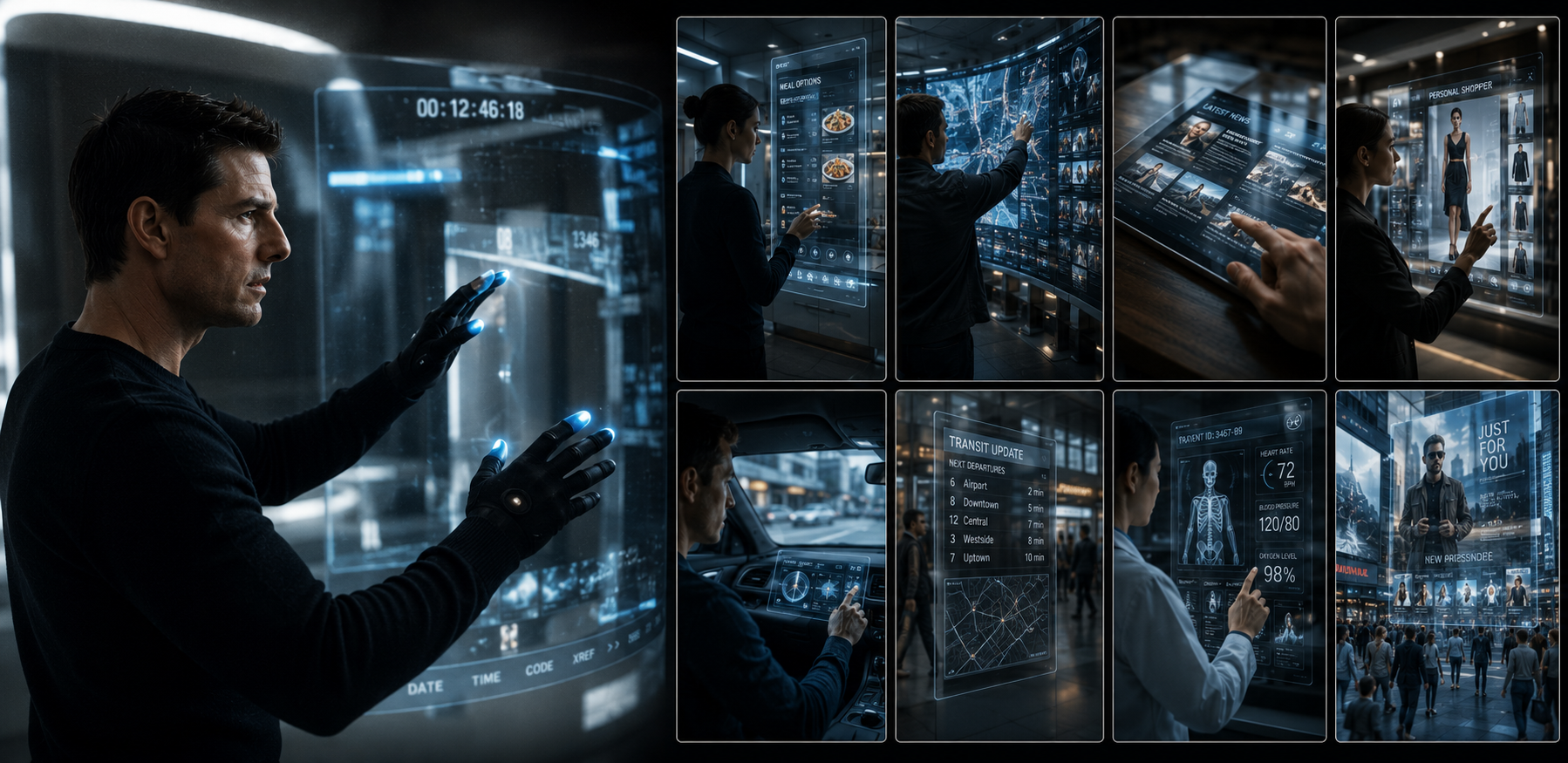
Minority Report's Prescient Touchscreen Reality
In 2002, Hollywood imagined a future of seamless touchscreen interfaces. Today, Steven Spielberg's vision feels eerily prescient as technology catches up.
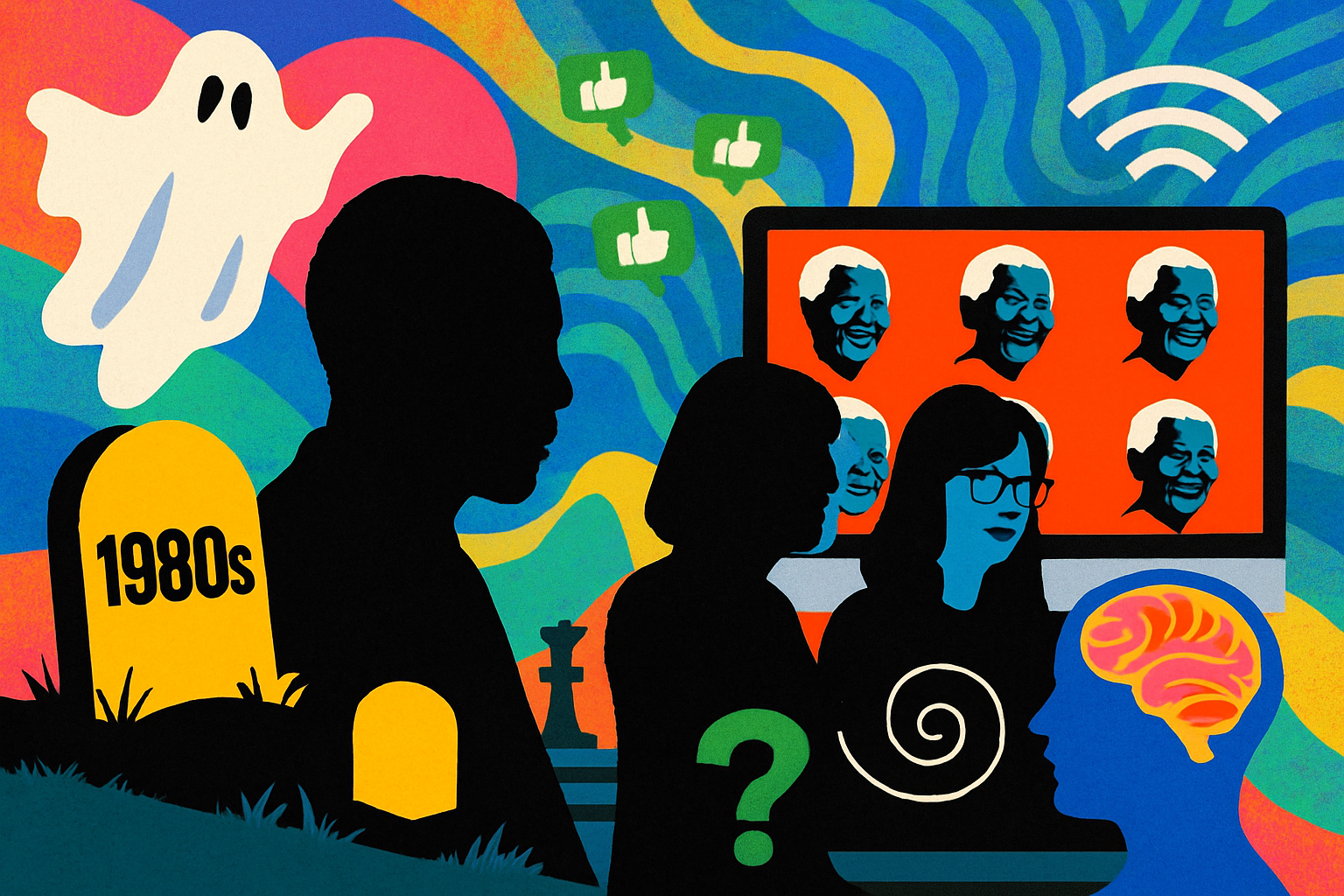
The Mandela Effect’s Mind-Bending Mystique
Millions remember Nelson Mandela dying in the 1980s, yet he passed in 2013. What caused this shared illusion?
Continue the Rabbit Hole
Each story explores the same idea from a different angle. Follow the connections and discover where the thread leads.
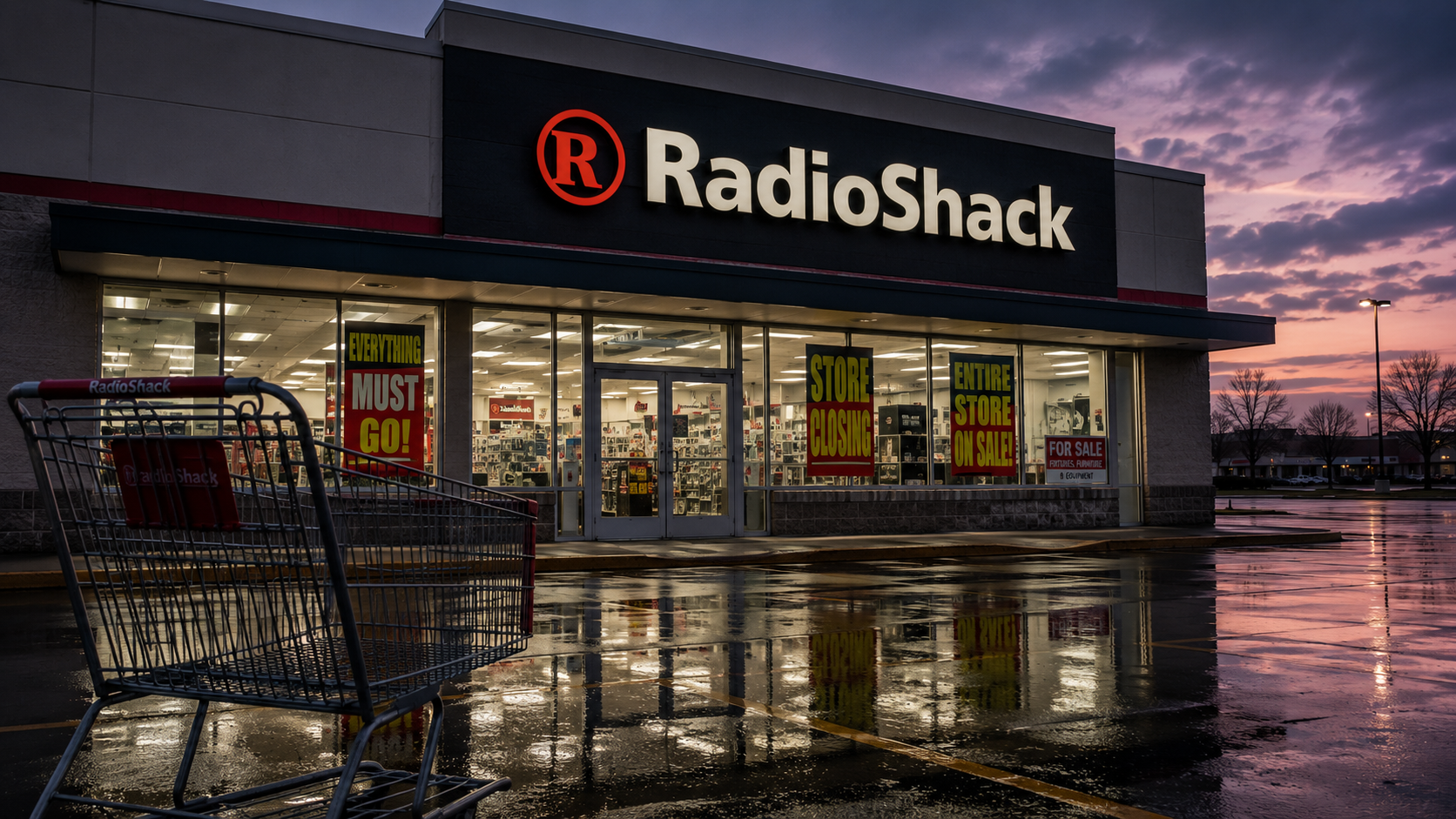




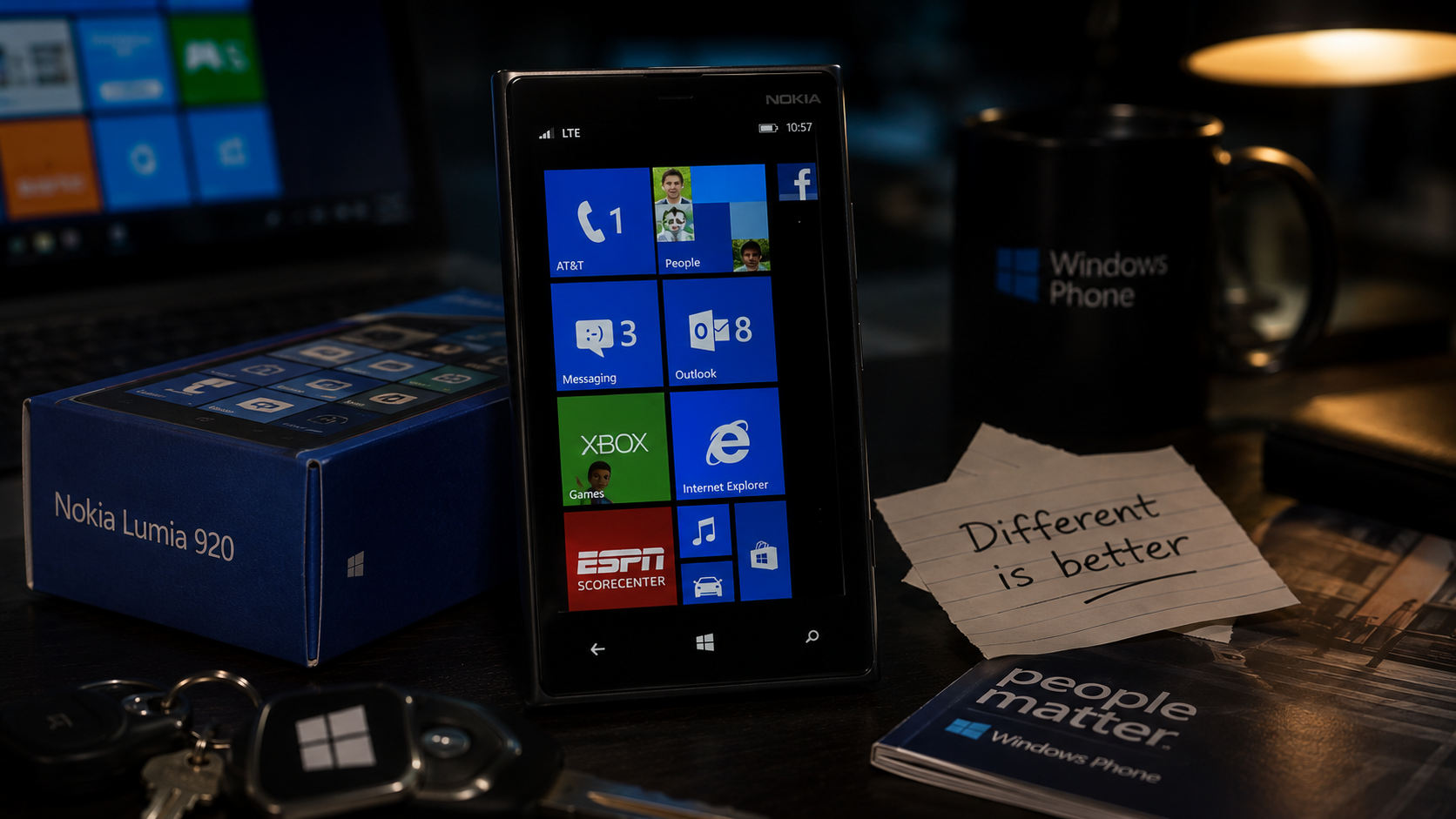
Fictional placeholder content