Windows Phone's Final Attempt at Survival
"In the boardroom, the numbers didn’t lie: Windows Phone was losing ground fast. But what followed was a desperate gamble that would seal its fate."
What Happened?
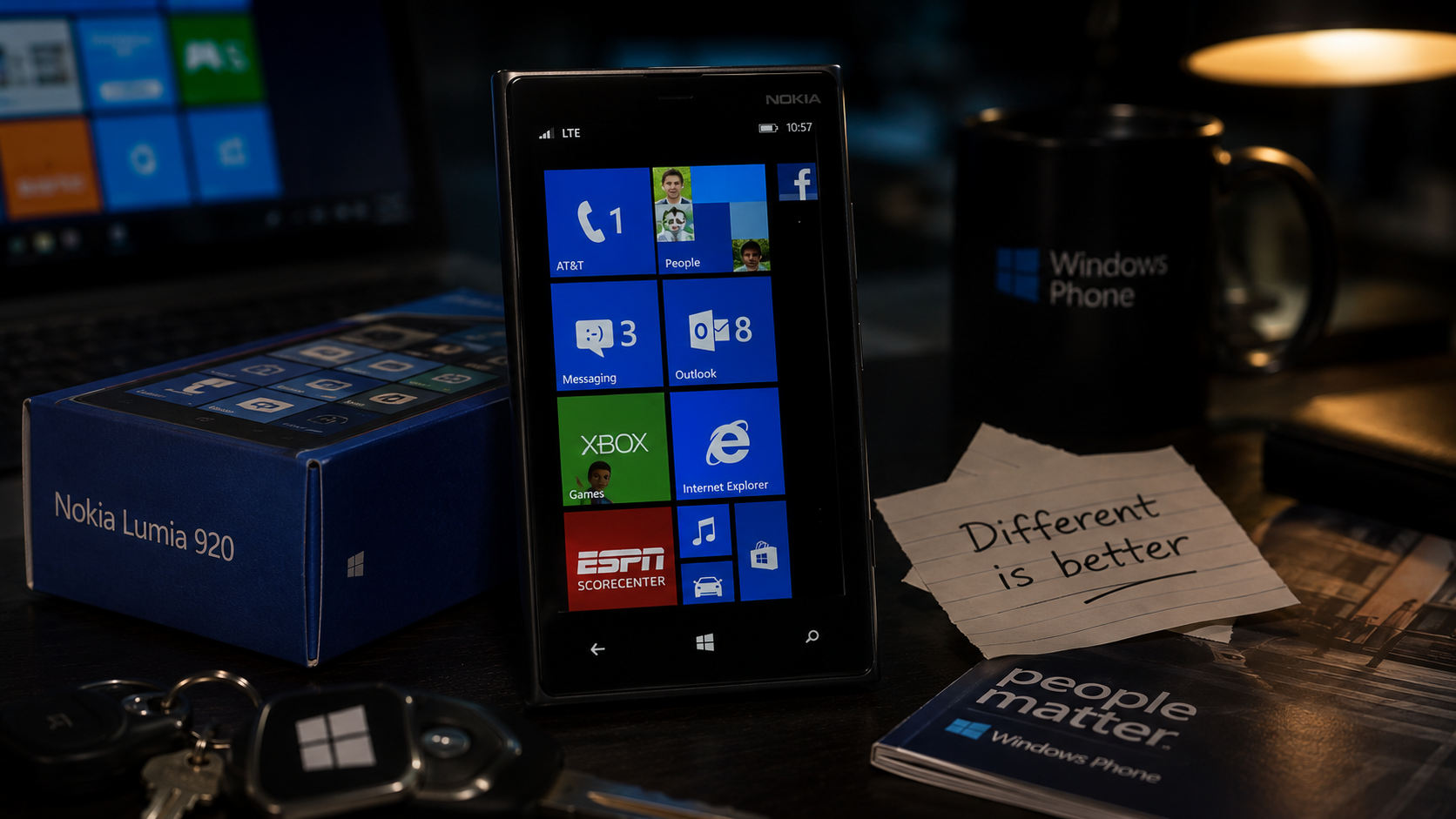
Stephen Elop stood at the helm of Nokia, steering the ship through choppy waters. The promise of Windows Phone had been bold, enticing. The device everyone thought would fuse Nokia's hardware excellence with Microsoft's software prowess. But as they launched hopeful device after device, the tide seemed unrelenting.
Back in October 2010, Microsoft proudly released Windows Phone 7, a system built from scratch to contend with the giants of Android and iOS. Yet, Microsoft’s $7 billion acquisition of Nokia in 2013 didn't deliver the advantage it sought. Nokia's legacy as a dominant player in the mobile world wasn't enough to salvage a platform lacking app support, with developers uninterested in investing time for a system struggling to gain traction. By 2016, Windows Phone’s market share had plummeted to less than 1%.
The alliance between Nokia and Microsoft was meant to be groundbreaking. Nokia’s CEO, Stephen Elop, a former Microsoft executive, believed merging their competencies would break industry norms. However, the execution lacked clarity. The remnants of Nokia’s innovation weren't enough to bypass the sparse app store offerings and fragmented user experience. The moment that solidified the end came with the discontinuation of support for Windows 10 Mobile on December 10, 2019, marking the end of a turbulent era.
As Windows Phone became irrelevant, Microsoft pivoted: the Surface Duo, running Android, showed a retreat to safer ground. This tale of ambition and oversight vividly marks tech history—a reminder of how quickly market dynamics can topple the giants.
Takeaway
The lesson this story keeps teaching
“Ambition without a strategy leads to failure. Microsoft was outgunned in the mobile wars.”
Why People Are Talking About This
Windows Phone's collapse exemplifies the dangers businesses face when they ignore obvious market trends — like the explosive growth of app ecosystems. It reveals how strategy is critical when competing in rapidly evolving tech landscapes.
Every failed attempt at revival underscores a broader lesson: ambition must be tempered by adaptation and market-awareness — a failure illuminating Microsoft's struggle between heritage and innovation.
Thread Map
9 entities · 8 connections · Hover to explore, click to inspect
This is the connection map for this thread. Every node is a person, company, event, or idea. The red lines show how they connect. Hover a node to highlight its connections. Click a node to see why it matters to this story.
How We Got Here
Windows Phone 7 Announced
Microsoft unveils Windows Phone 7, introducing a potential competitor to iOS and Android. It marks the start of a hopeful initiative, punctuating the company's serious entry into mobile.
Microsoft Releases Windows Phone 7
Windows Phone 7 is officially released, riding on promises of smooth user experience and integrated services, such as Xbox Live.
Windows Phone 8 Released
Microsoft launches Windows Phone 8 with new features attempting to close the gap with competitors. Skype integration and Kids' Corner aimed at providing added utility.
Windows Phone 8.1 Announced
Windows Phone 8.1 emerges with 'Blue' innovations, including Cortana digital assistance. The updates sought to induce renewed interest.
Windows 10 Mobile Launch
The latest iteration, Windows 10 Mobile, arrives as a major rebranding effort, aimed at unifying app experiences across devices.
End of Support for Windows Phone
A concluding moment as Microsoft ends support for Windows 10 Mobile, admitting defeat in the cut-throat smartphone market.
UWP Deprecated
Microsoft departs from its Universal Windows Platform strategy — a crucial step marking the closure of an era.
The Zombie State
By this year, Windows Phone devices are left abandoned without official updates or support, referred to as being in a 'Zombie State.'
Wait... Who Is This?
The universe of mobile technology was not always dominated by Apple and Google. Just a decade ago, Microsoft found itself at the heart of a rapidly evolving technological landscape. The launch of Windows Phone 7 was Microsoft’s game-changing answer to the iPhone — a bid to capture attention and revive its influence in mobile computing. At the same time, Nokia’s once-unquestioned supremacy in the cell phone space had eroded under the revolving tides of innovation. Stephen Elop, Nokia’s CEO, claimed space in this arena through a partnership that sought to resurrect both companies, marrying Nokia’s sturdy hardware with the sleek operating system from Microsoft.
Yet, innovation quickly applied pressure — Apple's App Store and Google's Play Store were transforming mobile expectations, with developers bringing their software magic to these ecosystems. Nokia and Microsoft found themselves in a daunting race, attempting to match growing consumer preferences. The matter was made even more complex by internal structural challenges within the tech giant — Microsoft’s multi-layered bureaucracy clouded agile movement, leaving Windows Phone behind in a nascent but ruthless mobile evolution.
Receipts
Why Microsoft Made The 'Difficult Decision' To Discontinue Windows Phone
What We Can Learn from the Windows Phone Ecosystem Collapse
The Windows Phone failure was easily preventable, but Microsoft’s culture made it unavoidable
Windows Phone: How Microsoft Blew It
Windows Phone is officially dead as Microsoft ends support
Microsoft and Nokia: Timeline of togetherness
The UNTOLD Story of Microsoft's $7B Windows Phone Failure | The Psychology Behind the Headlines
Windows Mobile - Wikipedia
Same Pattern
Different story. Same lesson.
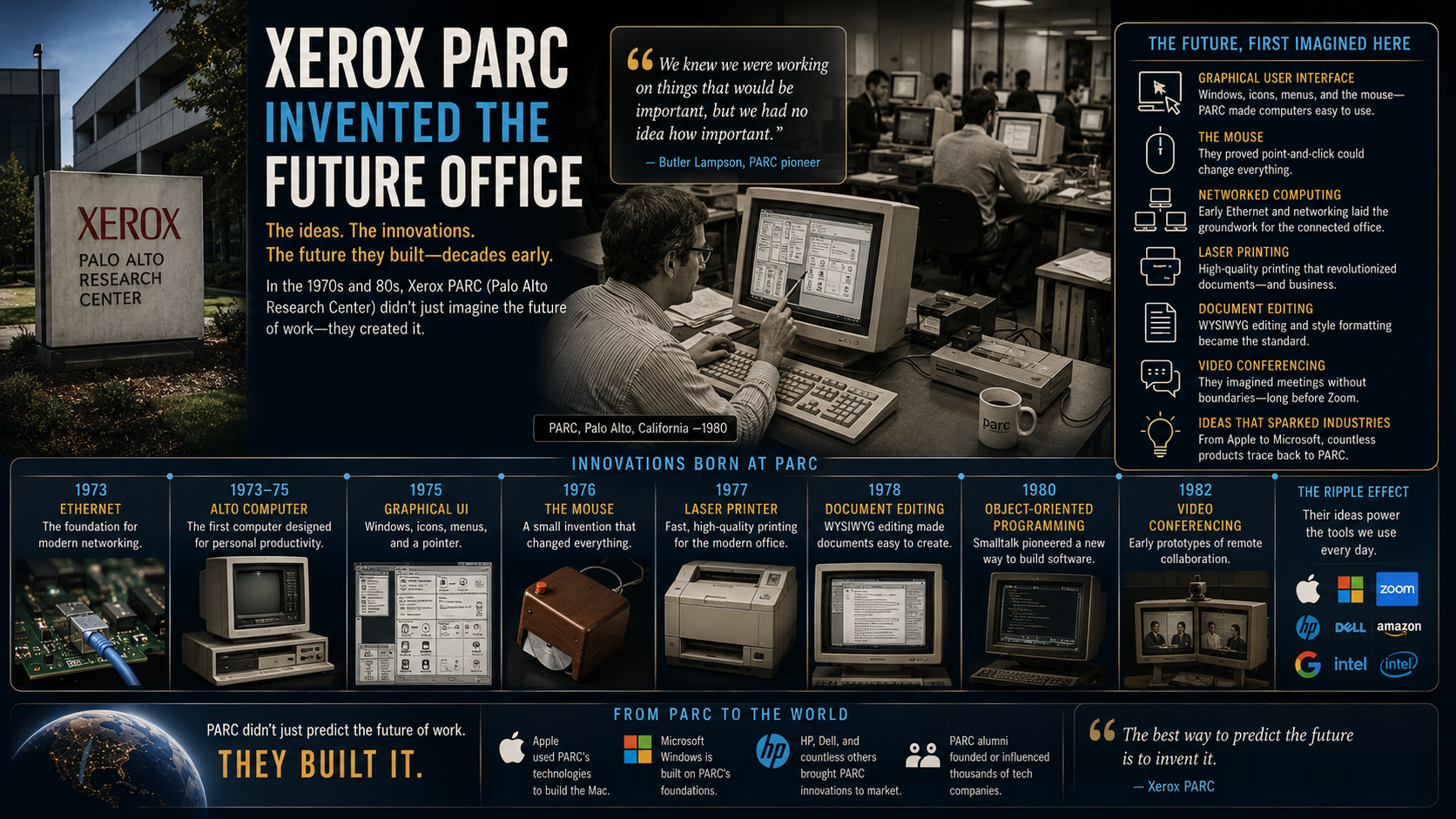
The Lab That Invented Tomorrow
In December 1979, Steve Jobs saw echoes of the future inside Xerox PARC's halls. There, in a secluded lab, lay the blueprint for the modern tech landscape.
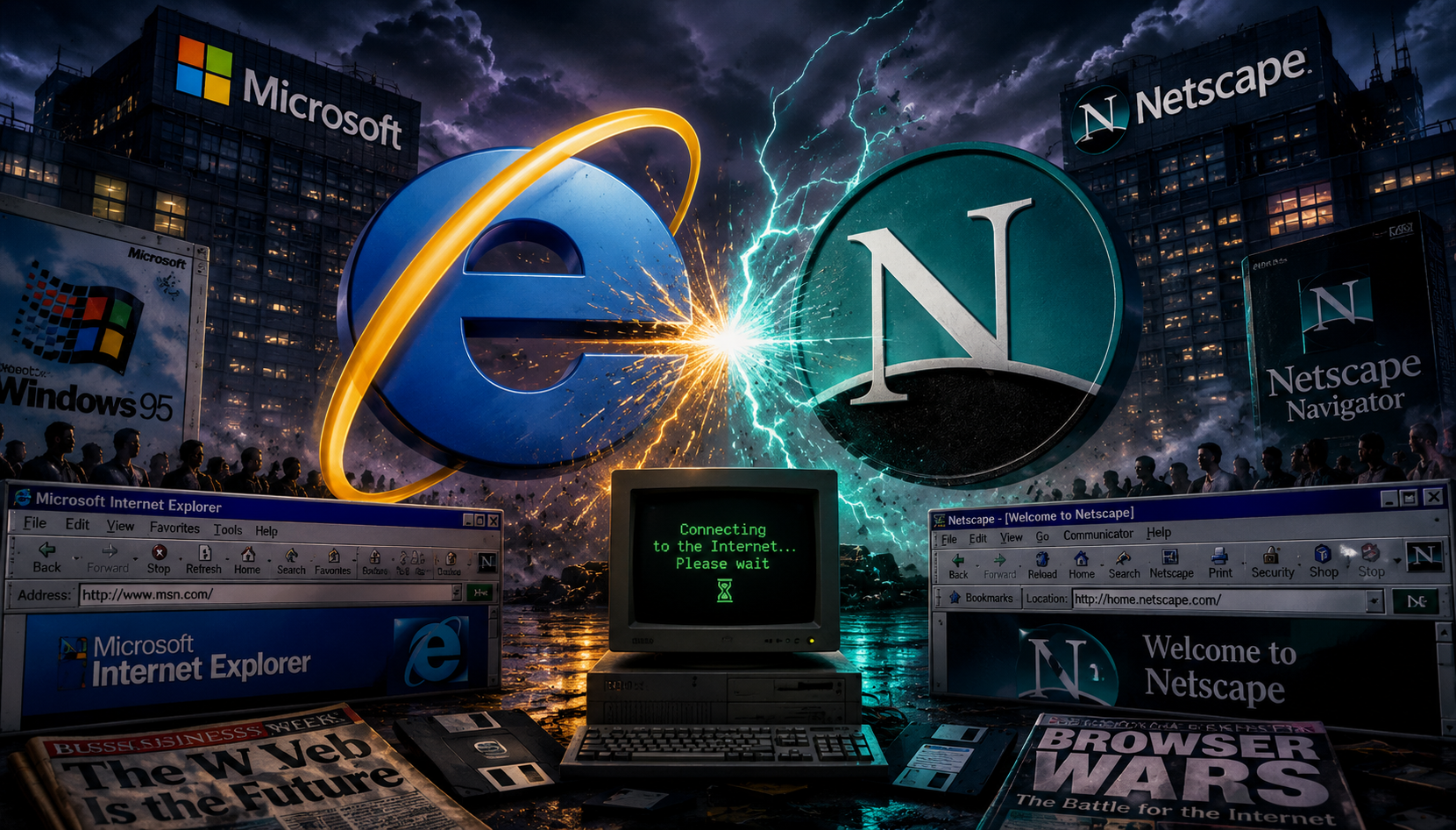
The Browser War That Built the Internet
In the mid-1990s, a software battle erupted that would shape how billions accessed information. Few could predict that the victor would soon face its own downfall.
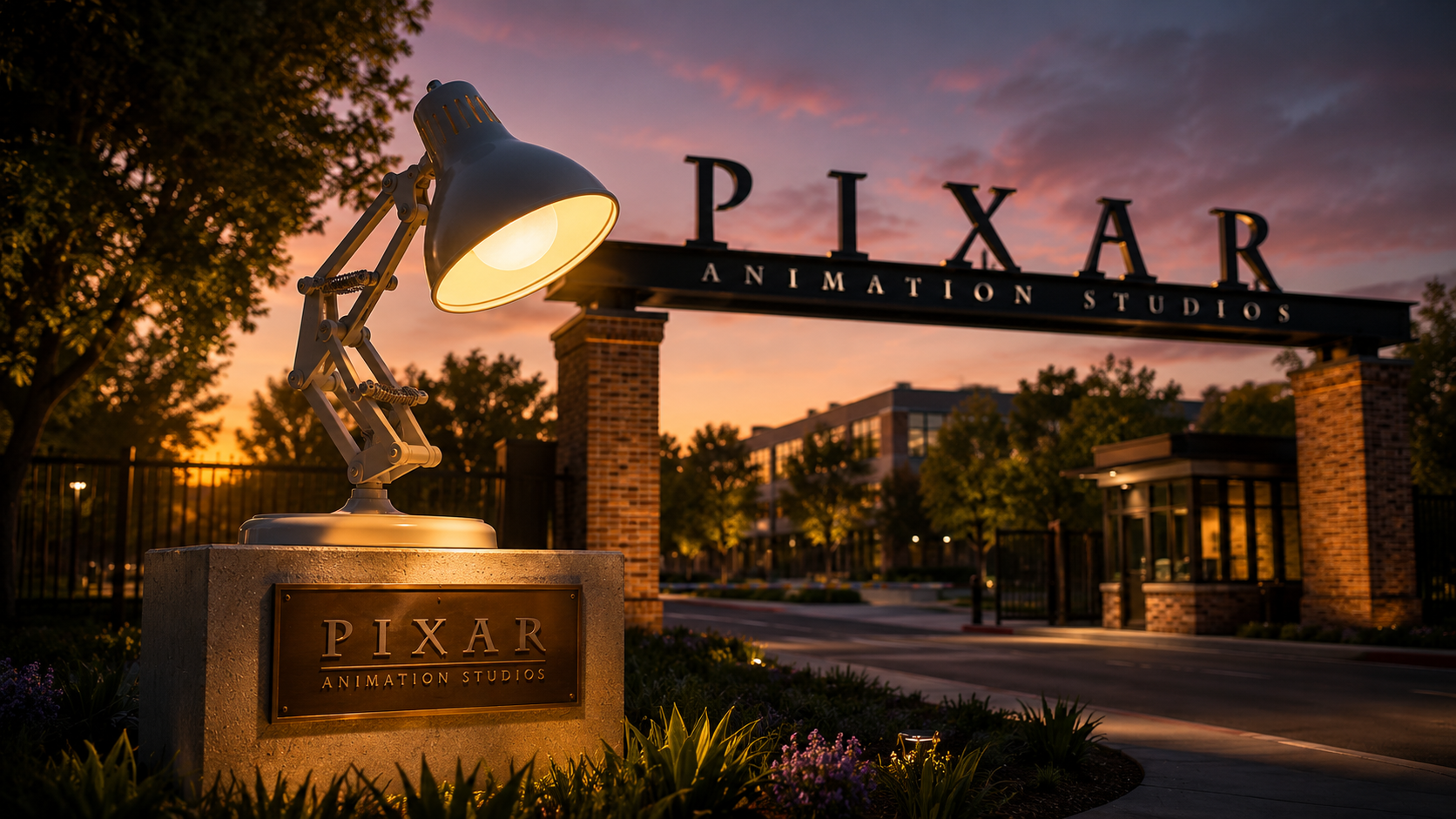
Pixar's Radical Feedback Loop
In a stark, unadorned room, some of the most powerful voices in animation face off with ruthless honesty. Their weapons? Brutal feedback that molds raw ideas into cinematic gold.
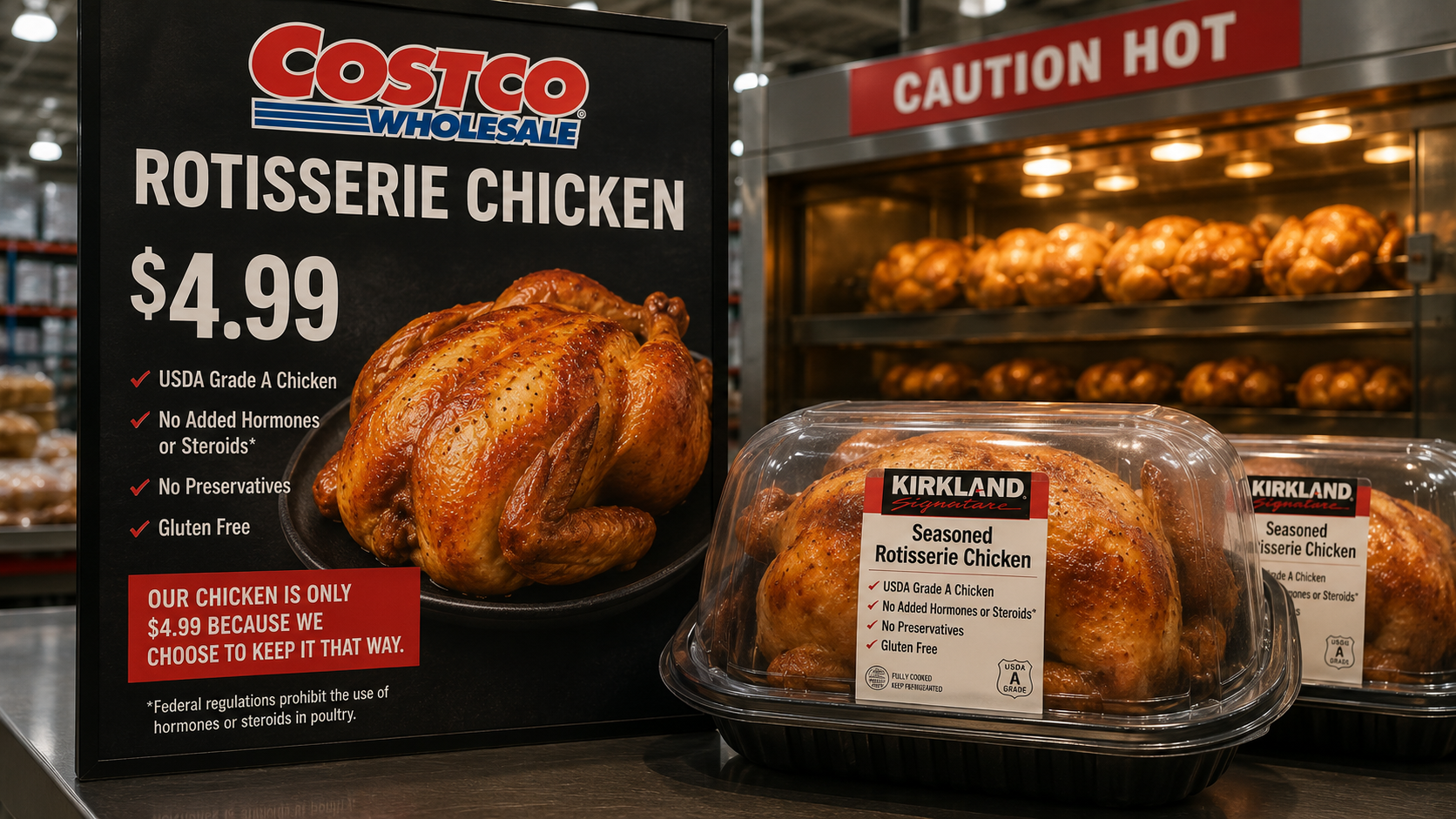
The Chicken That Changed Retail
Costco's $4.99 rotisserie chicken isn't just a meal — it's a strategic masterpiece. The unexpected ripple effects changed retail forever.

Minority Report's Prescient Touchscreen Reality
In 2002, Hollywood imagined a future of seamless touchscreen interfaces. Today, Steven Spielberg's vision feels eerily prescient as technology catches up.
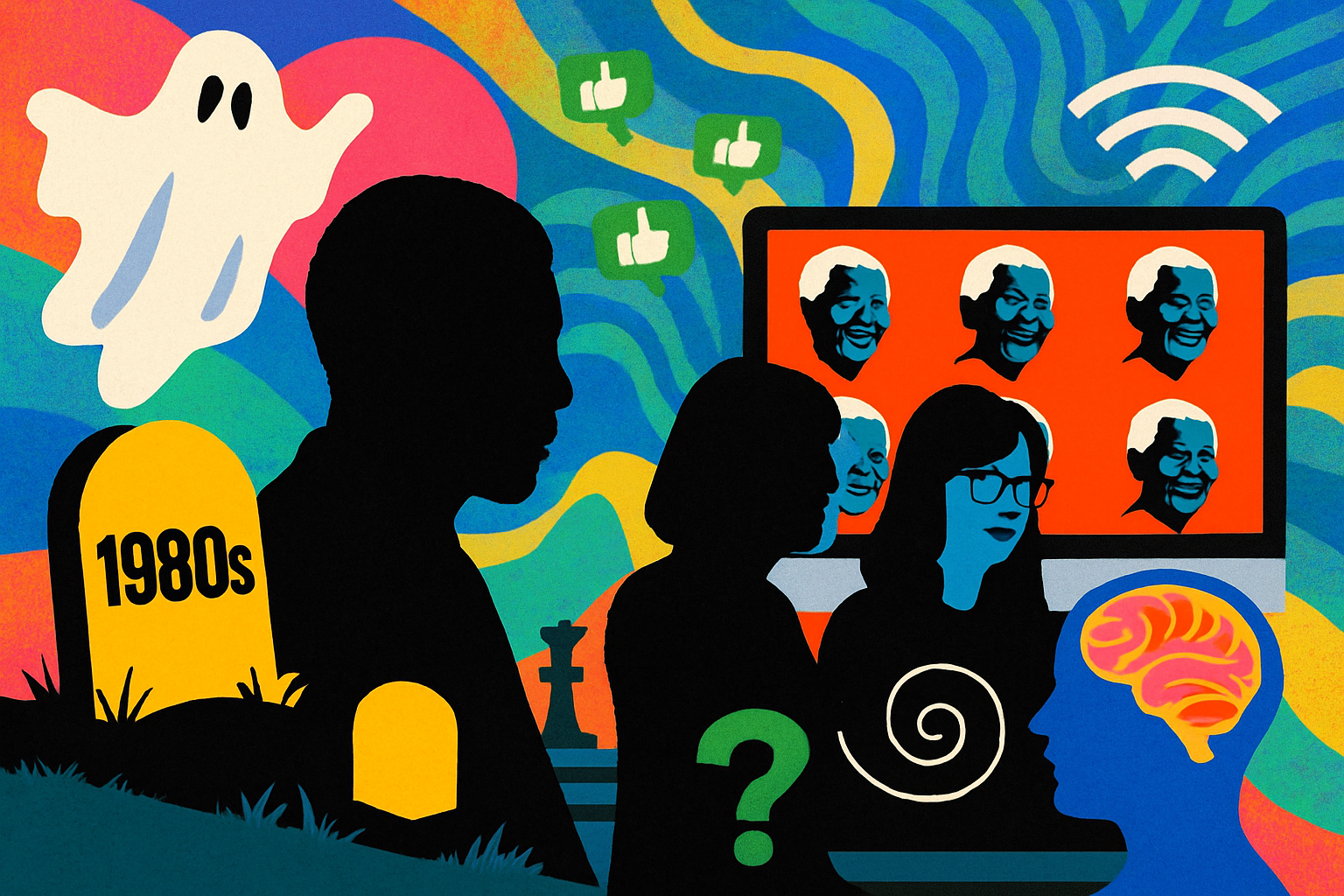
The Mandela Effect’s Mind-Bending Mystique
Millions remember Nelson Mandela dying in the 1980s, yet he passed in 2013. What caused this shared illusion?
Continue the Rabbit Hole
Each story explores the same idea from a different angle. Follow the connections and discover where the thread leads.





Fictional placeholder content