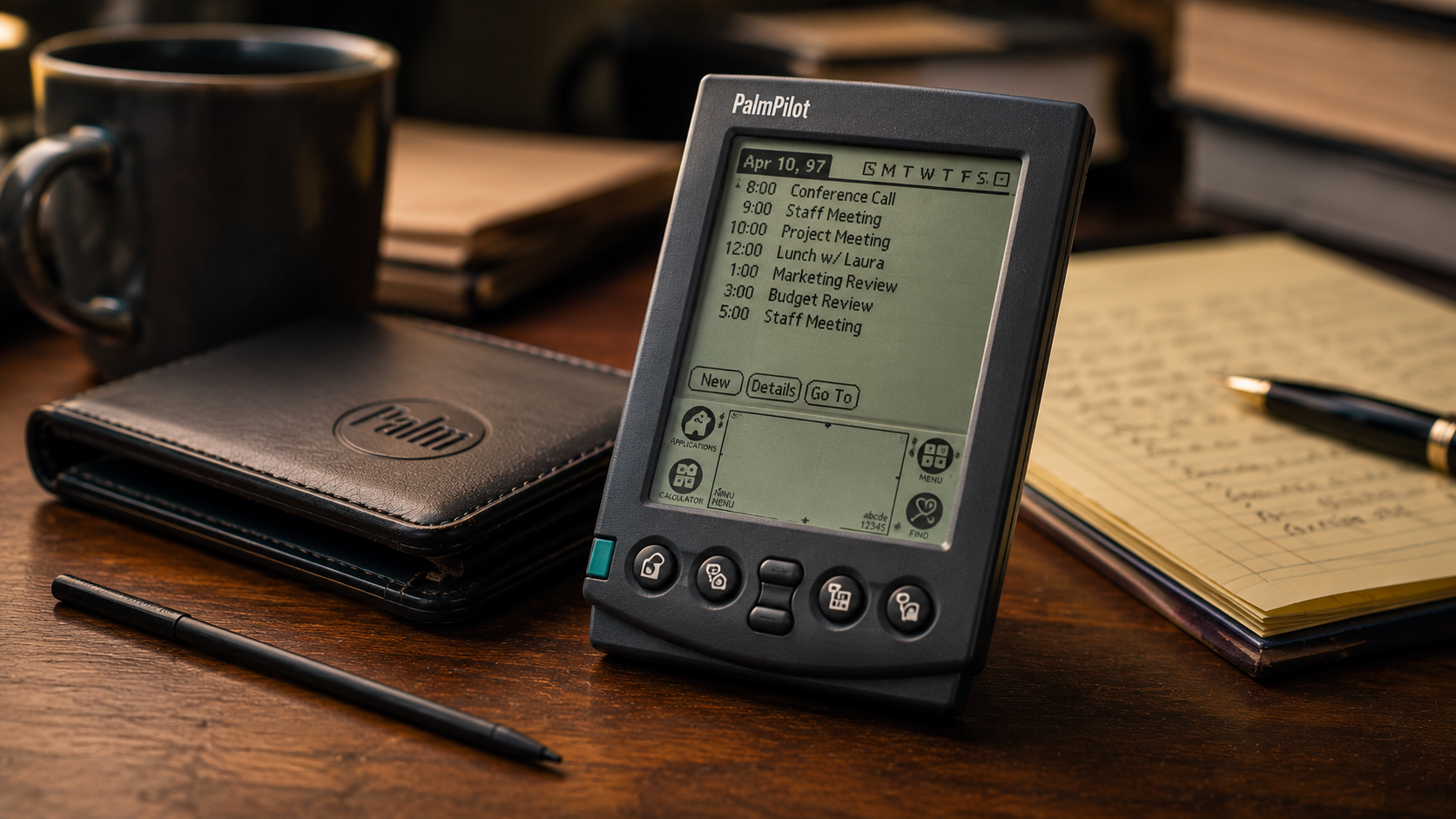
PalmPilot's Rise and Sudden Eclipse
"In a boardroom in 1996, Jeff Hawkins unveiled the PalmPilot, redefining mobile computing. Yet, by 2010, its brilliance had dimmed, eclipsed by new tech."
What Happened?
In 1997, the PalmPilot was more than just a gadget—it was a status symbol, a glimpse into a future where information sat comfortably in your hand. Jeff Hawkins, the brain behind Palm, Inc., had crafted a device that changed how people organized their lives. But as those early adopters clicked away at their styluses, a shadow loomed. Technology was speeding forward, and the PalmPilot needed to race to keep up.
The downfall of Palm was not a storm of missed opportunities; it was a slow erosion. By the time it embraced color screens and wireless capabilities, competitors had already laid claim to those territories. At the heart of the company's missteps was a single, critical issue: innovation had stalled. While the PalmPilot could synchronize effortlessly with a user’s PC—a feature that once seemed revolutionary—it failed to evolve beyond this foundational success.
In 2000, Palm became a standalone entity, signaling a chance for reinvention. Instead, it repeated old patterns, fixating on improving existing models rather than forging bold, new paths. Meanwhile, rivals like Microsoft and Blackberry began dominating the expanding tech landscape. The merger with Handspring in 2003 was another attempt to recapture market magic, but it was too late.
Palm's decline is a poignant lesson in the necessity of adaptation. What began with a storied rise into the cultural zeitgeist, supported by U.S. Robotics and later 3Com, concluded quietly with an acquisition by Hewlett-Packard in 2010. A final irony: the brand that had innovated personal digital assistants seemed lost, not in any sudden collapse, but in a world that moved faster than it could recalibrate its vision.
Now, Palm sits as a memory—a once-pivotal name in technology that couldn't steer its fate. Like so many trailblazers, it showed a glimpse of tomorrow that it ultimately couldn't inhabit.
Takeaway
The lesson this story keeps teaching
“The success of early tech breakthroughs can lead to complacency and oversight, paving the way for unexpected disruption.”
Why People Are Talking About This
The fall of Palm highlights how even industry pioneers can become victims of their own success. By resting on early achievements, Palm failed to foresee how quickly consumer needs and tech landscapes could change. It's a tale that serves as a stern reminder for businesses everywhere: innovate continuously or risk irrelevance.
Palm's journey is a masterclass in how early success can create blind spots, highlighting the importance of agility and foresight in technology. The story remains relevant today as industries continue to grapple with the rapid pace of change.
Thread Map
6 entities · 5 connections · Hover to explore, click to inspect
This is the connection map for this thread. Every node is a person, company, event, or idea. The red lines show how they connect. Hover a node to highlight its connections. Click a node to see why it matters to this story.
How We Got Here
Jeff Hawkins Launches Palm, Inc.
Jeff Hawkins founded Palm, Inc. with a visionary goal to reshape mobile computing through innovative handheld devices.
U.S. Robotics Acquires Palm
Palm, Inc. was acquired by telecommunications giant U.S. Robotics, setting the stage for PalmPilot's commercial release the following year.
The PalmPilot 1000 Launches
The PalmPilot 1000 debuted, offering a user-friendly interface and efficient personal organization, marking a massive leap in handheld tech.
Legal Dispute Over 'Pilot' Name
A trademark dispute with Pilot Pen Corp resulted in Palm dropping 'Pilot' from its branding, showcasing early business hurdles.
Palm Becomes Standalone Entity
Palm, Inc. regained independence, focusing on maintaining its PDA market strength amidst growing competition.
Merger with Handspring
Palm merged with Handspring to bolster its product lineup as PDA sales began to wane, signaling strategic shifts.
iPhone Unveiled by Apple
The release of the iPhone redefined mobile computing, presenting an existential threat to the aging PalmPilot.
Hewlett-Packard Acquires Palm
HP acquired Palm, intending to use Palm's experience to challenge Apple in the smartphone market, yet the move faltered.
Wait... Who Is This?
In the early 1990s, the tech world was a different place. Short on portable computing solutions, business professionals and tech enthusiasts alike hungered for innovation. Palm, Inc. arrived on this scene with a promise—a promise to revolutionize personal computing. Its founder, Jeff Hawkins, was no stranger to ambition, having previously developed the precursor technology that laid the groundwork for what would become the PalmPilot. As Palm began, it delivered on this bold promise. The introduction of the PalmPilot in 1996 signaled a seismic shift, taking the concept of handheld computing from novelty to necessity.
However, beneath this groundbreaking achievement lay cracks in the plan. Companies like Nokia and Microsoft were jockeying for position, while Apple lay in wait for its own future unveiling. Yet, driven by its initial success, Palm expanded rapidly into new products and markets. The company secured a lead position, but it was a lead fraught with blind spots. As Palm flourished, the seeds of its downfall were sown, masked by the thrills of early adoption and expansion. This is the story of what happens when innovation stifles anticipation.
Receipts
Same Pattern
Different story. Same lesson.
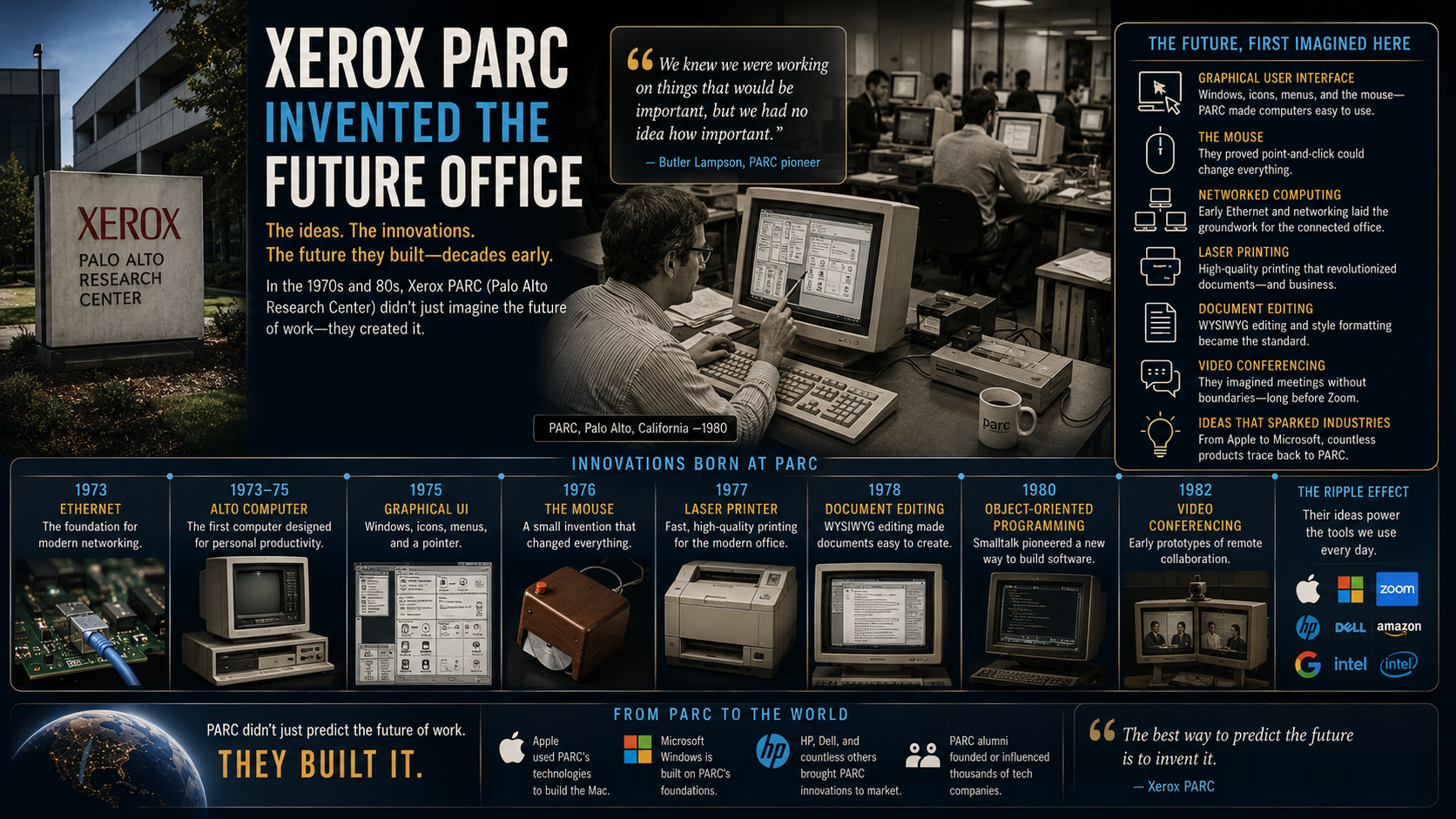
The Lab That Invented Tomorrow
In December 1979, Steve Jobs saw echoes of the future inside Xerox PARC's halls. There, in a secluded lab, lay the blueprint for the modern tech landscape.
Pixar's Radical Feedback Loop
In a stark, unadorned room, some of the most powerful voices in animation face off with ruthless honesty. Their weapons? Brutal feedback that molds raw ideas into cinematic gold.
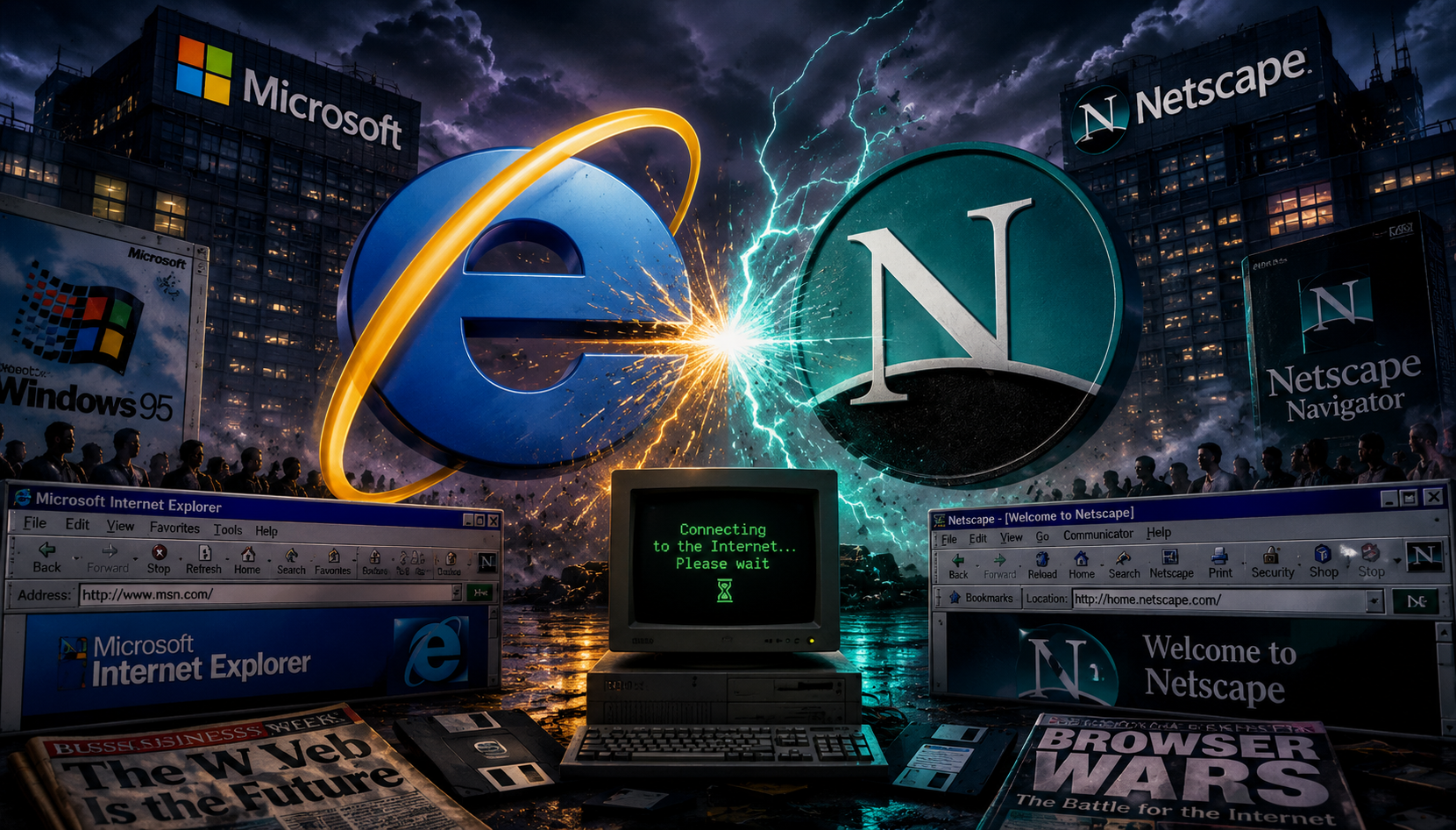
The Browser War That Built the Internet
In the mid-1990s, a software battle erupted that would shape how billions accessed information. Few could predict that the victor would soon face its own downfall.
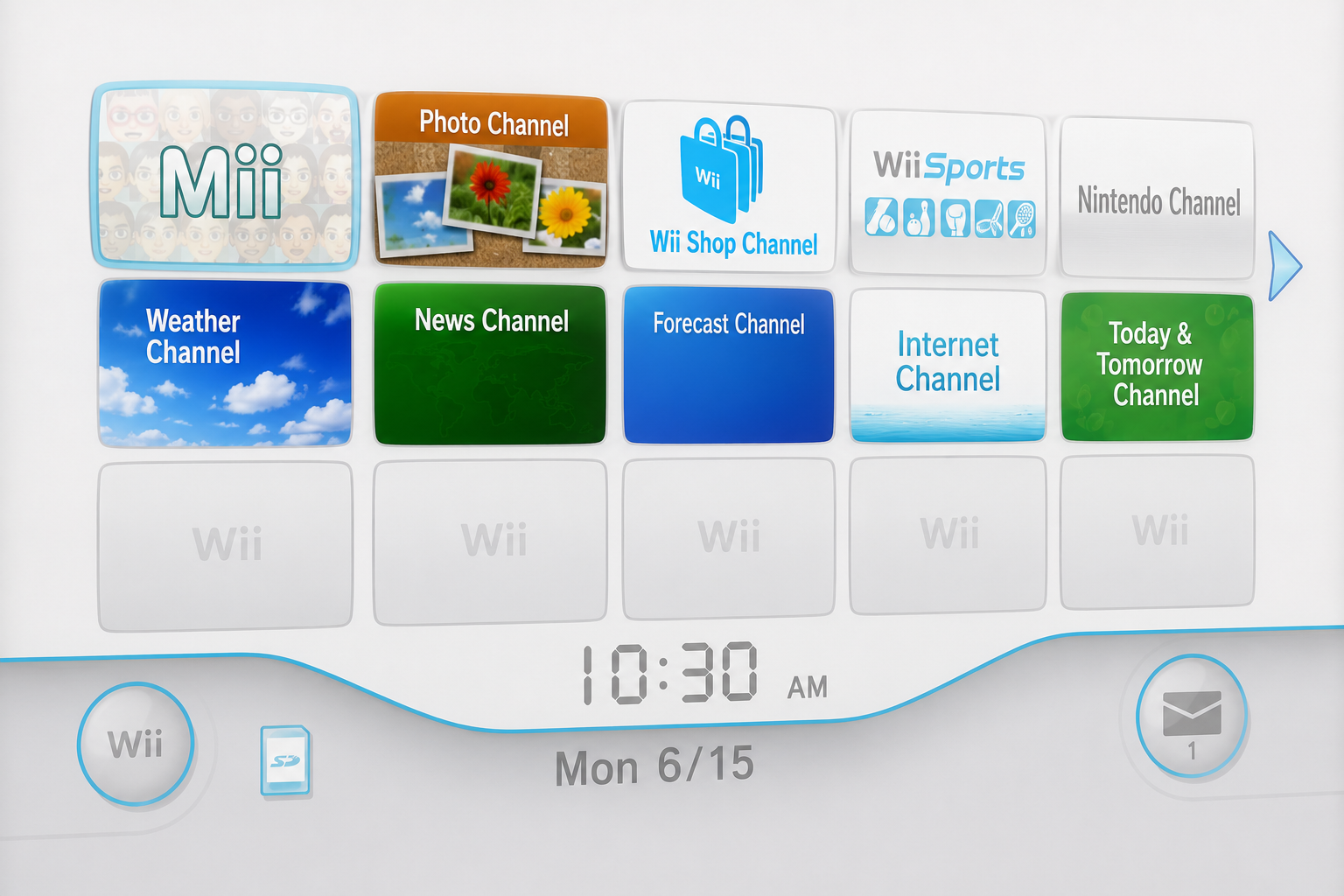
The Wii Gamble That Saved Nintendo
In a world obsessed with graphics and power, Nintendo bet on simplicity. The Wii was laughed at — until it wasn't.

The Chicken That Changed Retail
Costco's $4.99 rotisserie chicken isn't just a meal — it's a strategic masterpiece. The unexpected ripple effects changed retail forever.
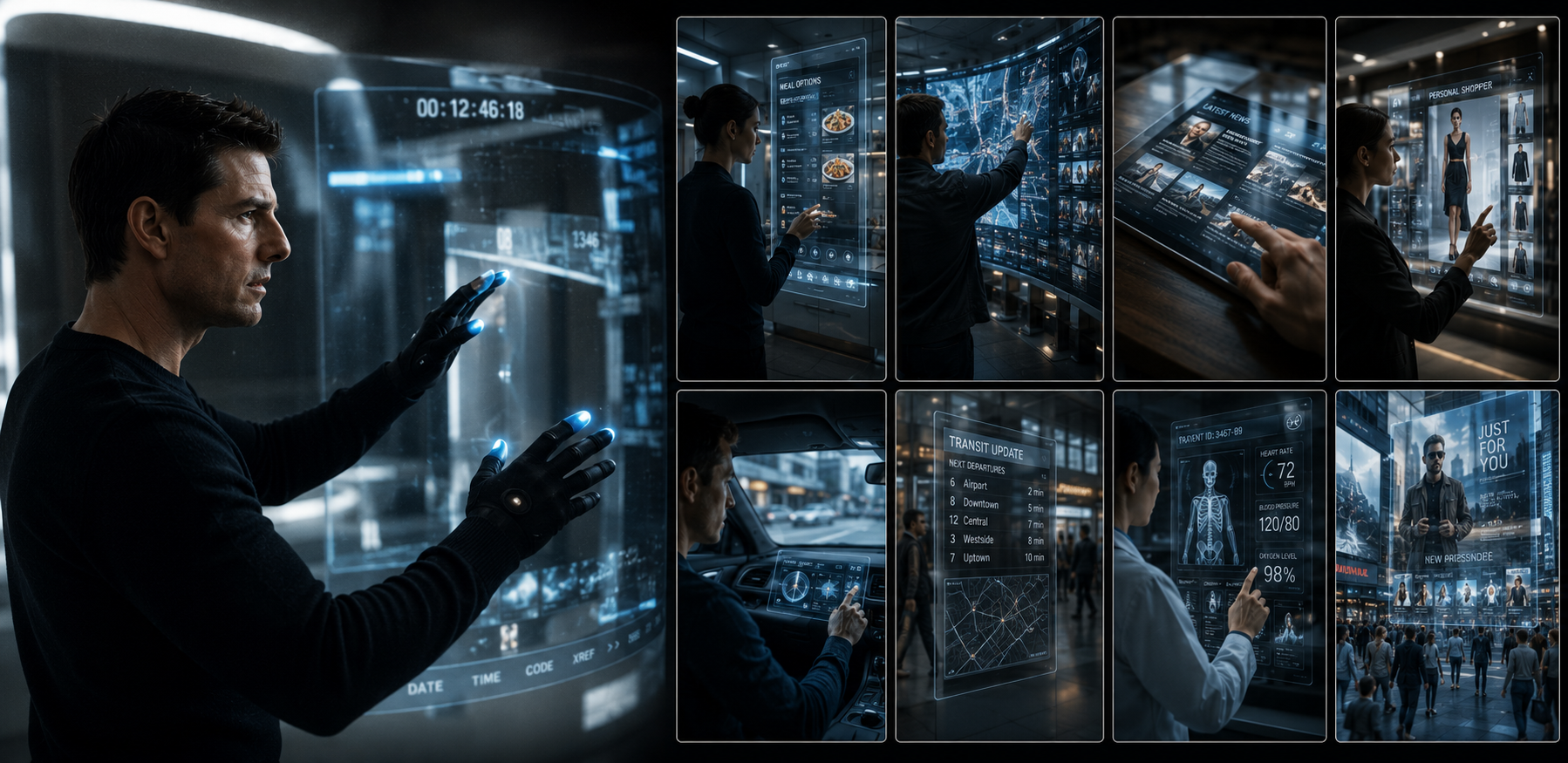
Minority Report's Prescient Touchscreen Reality
In 2002, Hollywood imagined a future of seamless touchscreen interfaces. Today, Steven Spielberg's vision feels eerily prescient as technology catches up.
Continue the Rabbit Hole
Each story explores the same idea from a different angle. Follow the connections and discover where the thread leads.

Fictional placeholder content