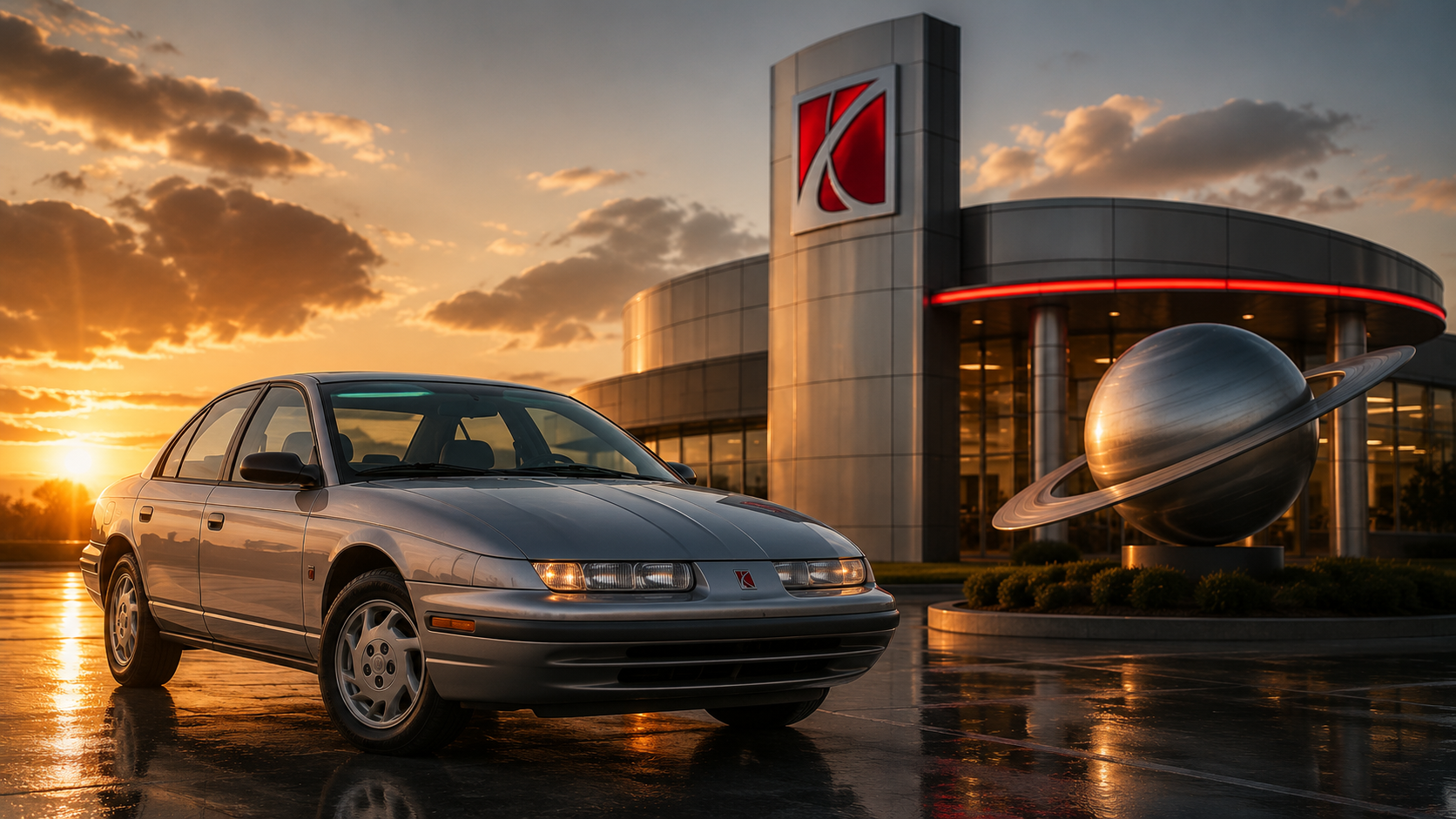
Saturn: GM's Promising Gamble Gone Wrong
"In 1985, Saturn was a daring leap into a different automotive future. Yet less than 25 years later, it was history."
What Happened?
In the cold steel corridors of an abandoned Saturn factory, the echoes of what could have been still linger. Born in 1985, Saturn was GM's audacious gamble at revolutionizing the small car market, taking on the Japanese titans with innovation written into its very DNA. It was a 'clean sheet of paper' endeavor championed by GM’s then-chairman, Roger B. Smith. The brand burst onto the scene with cars that defied convention—sporting dent-resistant plastic panels and pioneering lost foam technology for engine manufacturing.
Saturn's unique approach went beyond the production line. It overhauled the dealership experience with its no-haggle pricing, crafting an unprecedented bond with its customers. The homecoming events of the mid-90s drew nearly 100,000 loyal Saturn owners, a testament to the affection they had for a brand that felt distinctly theirs.
But behind closed doors, the dream was cracking. As Smith retired in 1990, internal resistance grew within GM against the costly autonomy of Saturn. Executives, uncomfortable with Saturn's divergence from the corporate mold, began clawing it back into the GM fold. The final blow came with GM's 2009 bankruptcy amidst a global recession, and the innovative upstart was axed, its name destined for history books as a cautionary tale.
The fall of Saturn reveals a recurring pattern in business: the struggle between innovation and bureaucracy. It's a story of visionaries clashing with traditionalists, of groundbreaking ideas left stranded by those who couldn't grasp their potential. The lessons resonate far beyond the auto industry, into any sector where fresh thinking must battle the inertia of entrenched power.
Takeaway
The lesson this story keeps teaching
“Innovation requires nurturing beyond inception; without alignment and commitment, even the brightest ideas can falter.”
Why People Are Talking About This
Saturn's rise and abrupt fall mirrors the challenge that innovators often face from within. It underscores the delicate balance required between new ideas and entrenched systems. This story remains significant because it illustrates the perils of corporate inflexibility—a relevant issue in today's rapidly changing business landscapes.
Saturn's trajectory reveals how even groundbreaking visions can crumble without sufficient internal buy-in and commitment. It teaches a strategic lesson in nurturing disruptive ideas while aligning them with broader organizational goals. It's a reminder: innovation is not just born; it must be sustained.
Thread Map
9 entities · 8 connections · Hover to explore, click to inspect
This is the connection map for this thread. Every node is a person, company, event, or idea. The red lines show how they connect. Hover a node to highlight its connections. Click a node to see why it matters to this story.
How We Got Here
Saturn Corporation Founded
General Motors announces the birth of Saturn as an independent subsidiary meant to explore innovative car manufacturing methods. Saturn was designed to bring a 'clean sheet of paper' approach to the small-car production landscape.
Roger Smith Retires
Roger Smith, Saturn's leading advocate, retires from GM. His departure leaves Saturn without its main internal champion and leads to uncertainty about the brand's future within GM's corporate hierarchy.
First Saturn Homecoming
Nearly 100,000 Saturn owners gather for a 'homecoming' event, reflecting the brand's early success and strong customer loyalty. This marked a rare public celebration of an automotive brand by its customer base.
UAW Ends Saturn Relationship
The United Auto Workers ends its unique partnership arrangement with Saturn, which had allowed for a more collaborative labor relationship compared to the rest of GM. This marks the beginning of the end of Saturn's unique operational structure.
Launch of the Saturn Relay
Saturn introduces the Relay minivan, a model criticized for its lack of distinctiveness from other GM products. This signals Saturn's shift away from the unique branding and identity that once set it apart.
GM Faces Bankruptcy
General Motors begins its struggle with bankruptcy, initiating restructuring that would have widespread effects, including decisions impacting Saturn's operational future.
Saturn Closure Announced
Amid GM's bankruptcy restructuring, Saturn is officially shut down as the company streamlines its brand portfolio. Once a beacon of innovation and customer loyalty, Saturn's dream is finally extinguished.
Final Saturn Dealership Shuttered
The last remaining Saturn dealership closes its doors, marking the end of the Saturn brand in the marketplace completely, and highlighting the full circle from promise to extinction.
Wait... Who Is This?
General Motors, facing increasing competition from Japanese automakers like Toyota and Honda, sought a reinvention of its small-car offerings in the 1980s. The American auto giant was determined not to cede any more ground in the battle for consumers. Saturn emerged from this ambition, envisioned as a company within a company—with its own culture, labor relations, and operational independence.
Initially, Saturn was an innovative response to a growing problem. It promised to streamline production costs while delivering quality cars that could compete on the global stage. The hiring practices differed, and its operations in Tennessee were a leap into unconventional territory. However, this ambitious project quickly encountered the cumbersome realities of being tethered to a large corporate entity that wasn't as agile or innovative.
The core idea behind Saturn was not just cars but cars that people wanted to own; a customer-driven revolution in an industry saturated with conventional methodology. But as GM's financial woes deepened, Saturn, despite its strong start, became a casualty of strategic decisions beyond its control—a cautionary tale for those who dare to dream big within the confines of legacy.
Receipts
Automotive History: The Sad Final Years Of Saturn - Curbside Classic
Saturn: A Wealth of Lessons from Failure - Knowledge at Wharton
The History of Saturn Cars: Great Expectations
How GM Destroyed Its Saturn Success
The Systems Thinker – Saturn Strains Under Success
Saturn Corporation - Wikipedia
Same Pattern
Different story. Same lesson.
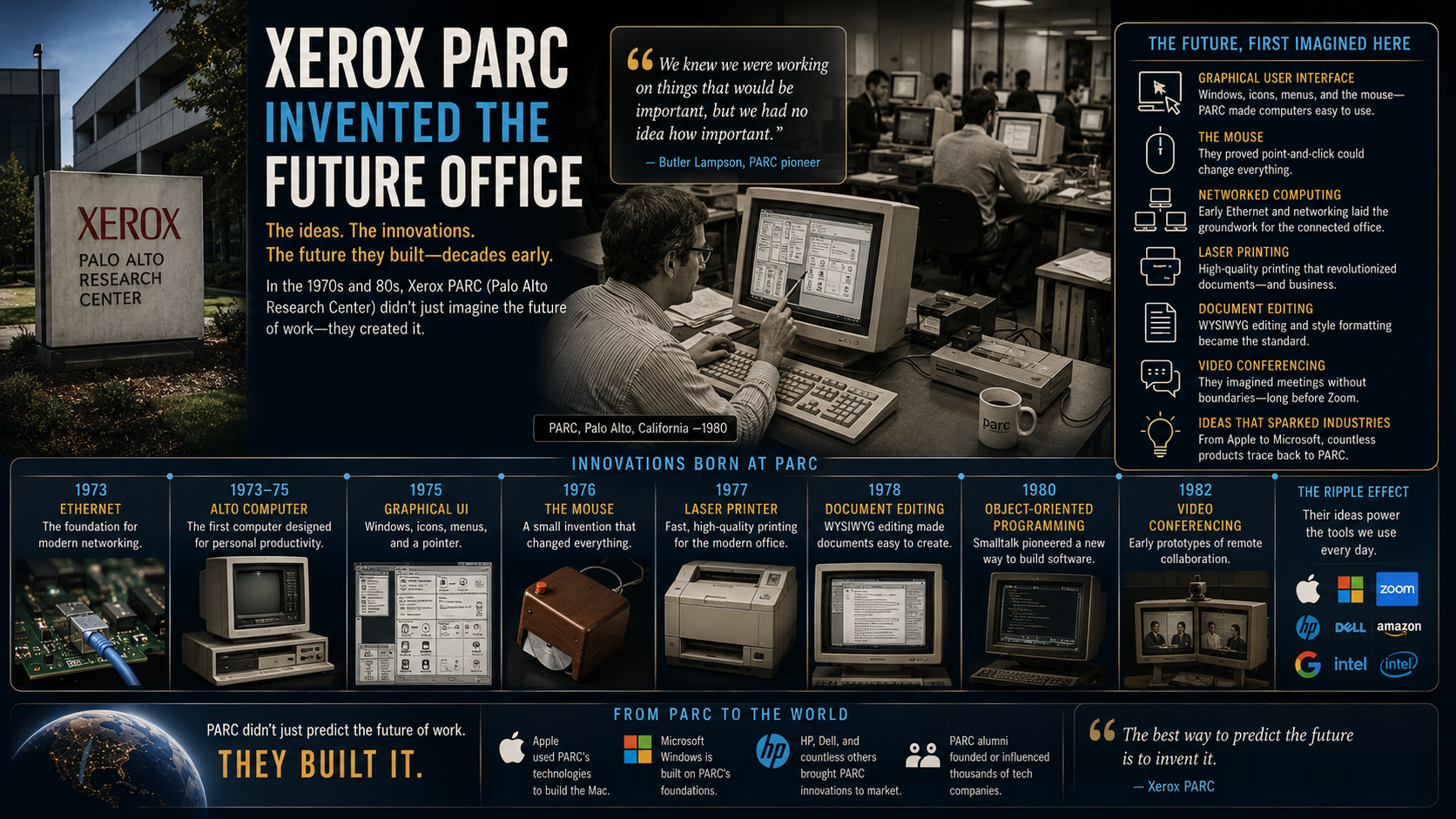
The Lab That Invented Tomorrow
In December 1979, Steve Jobs saw echoes of the future inside Xerox PARC's halls. There, in a secluded lab, lay the blueprint for the modern tech landscape.
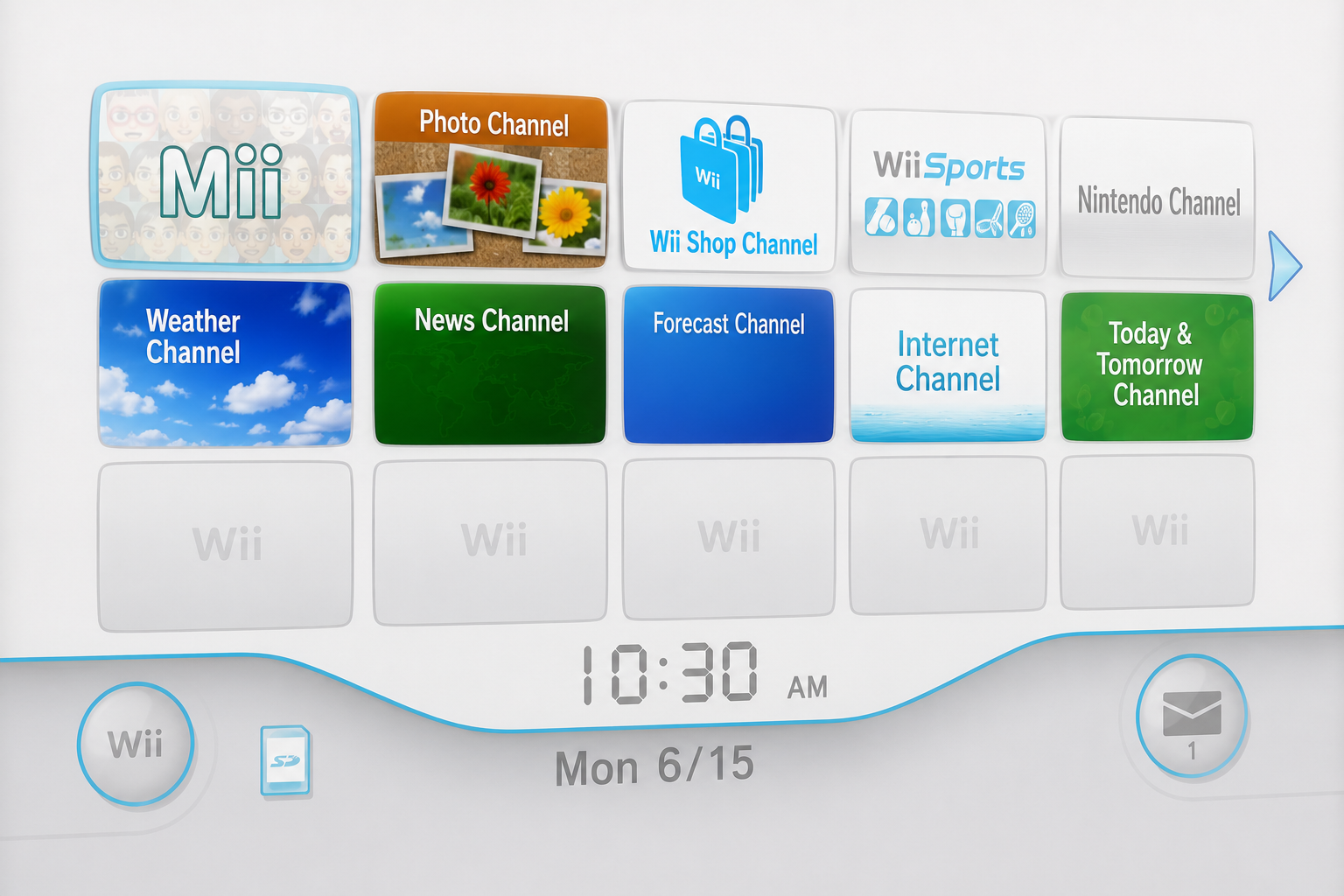
The Wii Gamble That Saved Nintendo
In a world obsessed with graphics and power, Nintendo bet on simplicity. The Wii was laughed at — until it wasn't.

Pixar's Radical Feedback Loop
In a stark, unadorned room, some of the most powerful voices in animation face off with ruthless honesty. Their weapons? Brutal feedback that molds raw ideas into cinematic gold.

The Fall of BlackBerry
In a boardroom once buzzing with innovation, silence filled the air as BlackBerry executives watched Apple's iPhone dismantle their empire one launch at a time.

How Google's 20% Time Shaped Innovation
Gmail, the widely-used email service, was born from Google's infamous 20% Time. What else did this unconventional policy unleash?

The iPhone That Disrupted the World
In January 2007, Steve Jobs stepped onto the stage and introduced a device that would redefine the entire world: the iPhone. What seemed like just another gadget launch was, in fact, the dawn of a new era.
Continue the Rabbit Hole
Each story explores the same idea from a different angle. Follow the connections and discover where the thread leads.





Fictional placeholder content